
Why Visit the Tomb of Maria Konopnicka in Lviv?
Maria Konopnicka’s tomb is a place of pilgrimage for literary enthusiasts, historians, and those interested in the shared past of Poland and Ukraine. Set within Lychakiv Cemetery—one of Eastern Europe’s most prestigious necropolises—her grave stands as a testament to cultural resilience, artistic legacy, and cross-border dialogue. For travelers seeking to explore Lviv’s historical sites, visiting this tomb offers a unique lens into the region’s multifaceted history.
Historical Background: Maria Konopnicka’s Life and Legacy
Maria Stanisława Konopnicka (1842–1910) was born in Suwałki, Poland. Overcoming early personal loss and societal obstacles, she became a leading figure in Polish literature and a prominent social activist. Her work championed the causes of Polish independence, women’s rights, and social justice, often reflecting the turbulent political realities of partitioned Poland.
After a troubled marriage, Konopnicka devoted herself to writing, producing acclaimed poetry, short stories, and children’s literature. Notable works include poetry collections from the 1880s, "Cztery Nowele" (1888), and beloved children’s tales like "On Dwarves and Little Orphan Girl Mary" (1896).
Konopnicka’s advocacy extended beyond her literary work. As editor-in-chief of "Świt" (Dawn), she fought for women’s education and rights. Her poem "About Września" became a rallying cry during the children’s strike against Germanization policies in Prussian Poland. In recognition of her 25th literary anniversary, she was gifted a manor in Żarnowiec, underscoring her status as a national icon (Muzeum Suwałki; Ossoliński National Institute).
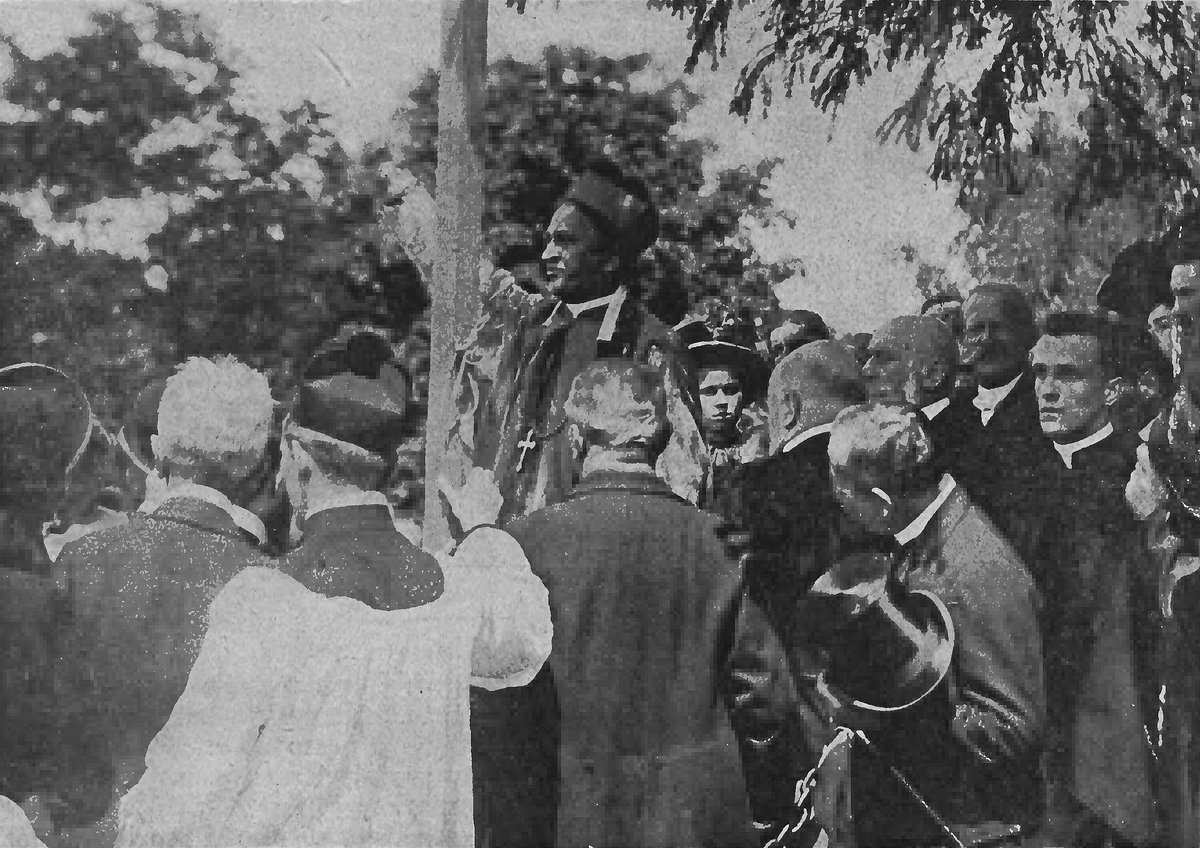
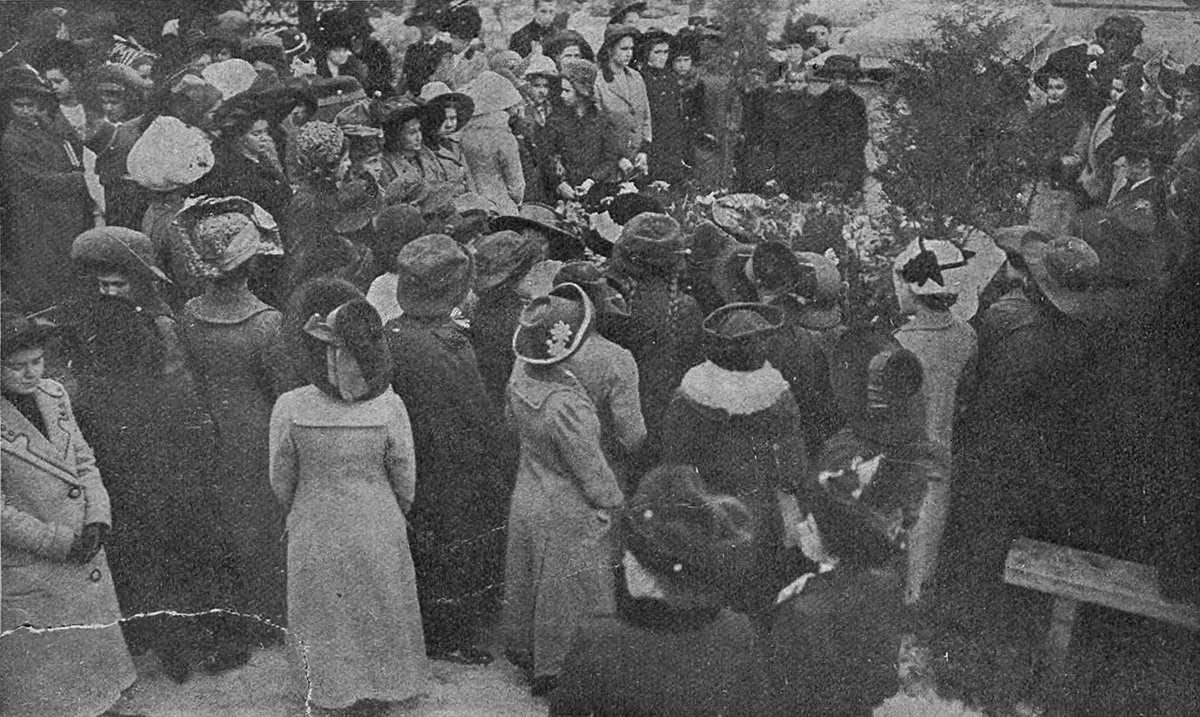
Konopnicka passed away in Lviv (then Lemberg) in 1910. Her funeral was a major patriotic demonstration, and she was interred in the Pantheon of Great Lvivians at Lychakiv Cemetery (Karolina Patryk).
Lychakiv Cemetery: Setting and Cultural Significance
Founded in 1786, Lychakiv Cemetery is one of Europe’s grandest burial grounds, home to more than 400,000 graves across 40 hectares. Its park-like avenues, elaborate tombs, and artistic monuments reflect the multicultural tapestry of Lviv’s past, shaped by Polish, Ukrainian, Jewish, and Armenian communities (Lychakiv Cemetery Official Site; Heritage and Memory Studies).
Notable figures buried here include Ivan Franko (Ukrainian poet), Solomiya Krushelnytska (opera singer), and Markiyan Shashkevych (writer and priest). The Polish Eaglets’ Cemetery and Field of Mars sections commemorate historic and recent military sacrifices (Le Monde).
The cemetery’s artistic gravestones and mausoleums are masterpieces of 19th and early 20th-century funerary art, making it not just a burial ground but a living museum of remembrance.
Artistic Features of the Tomb
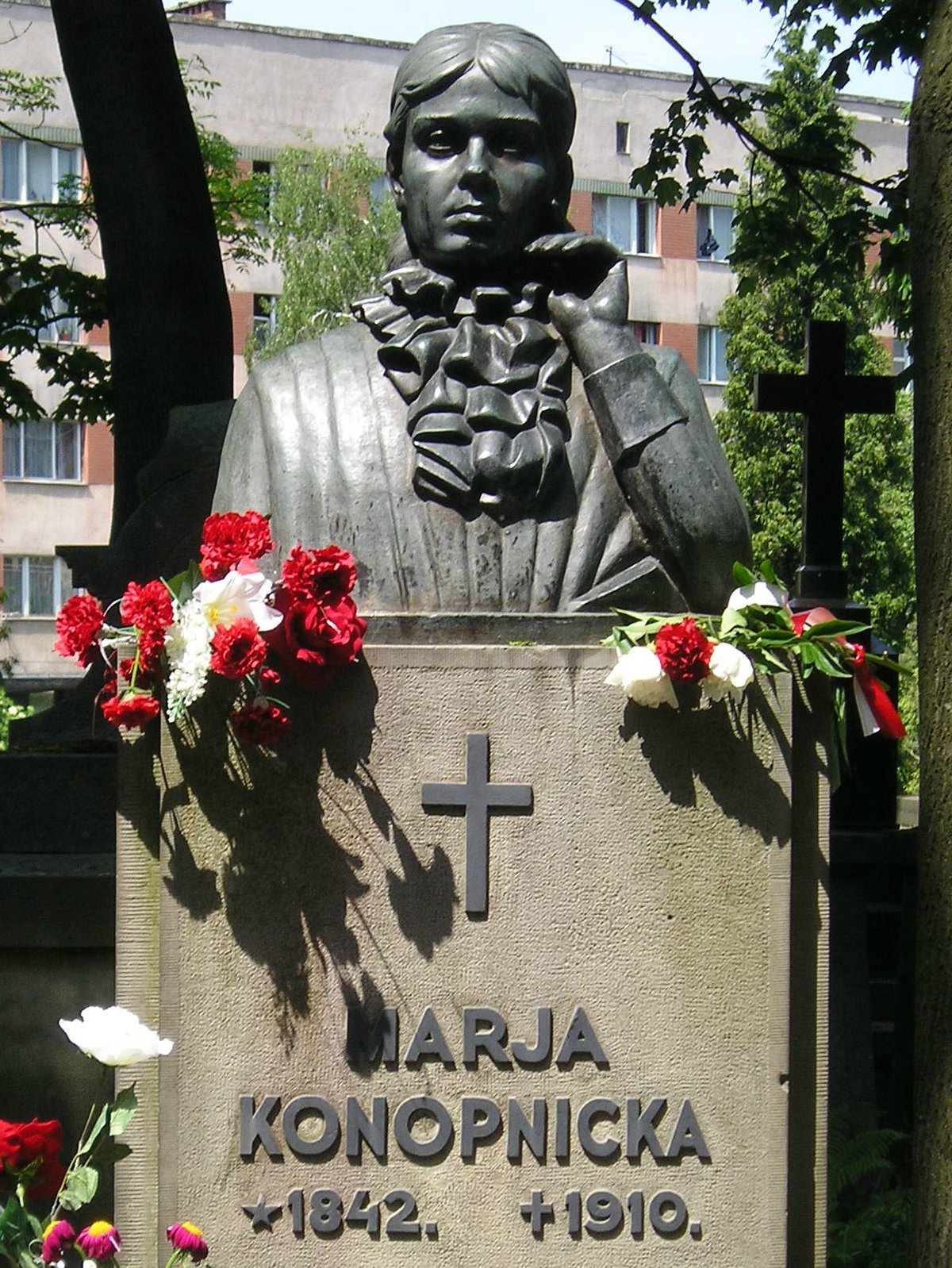
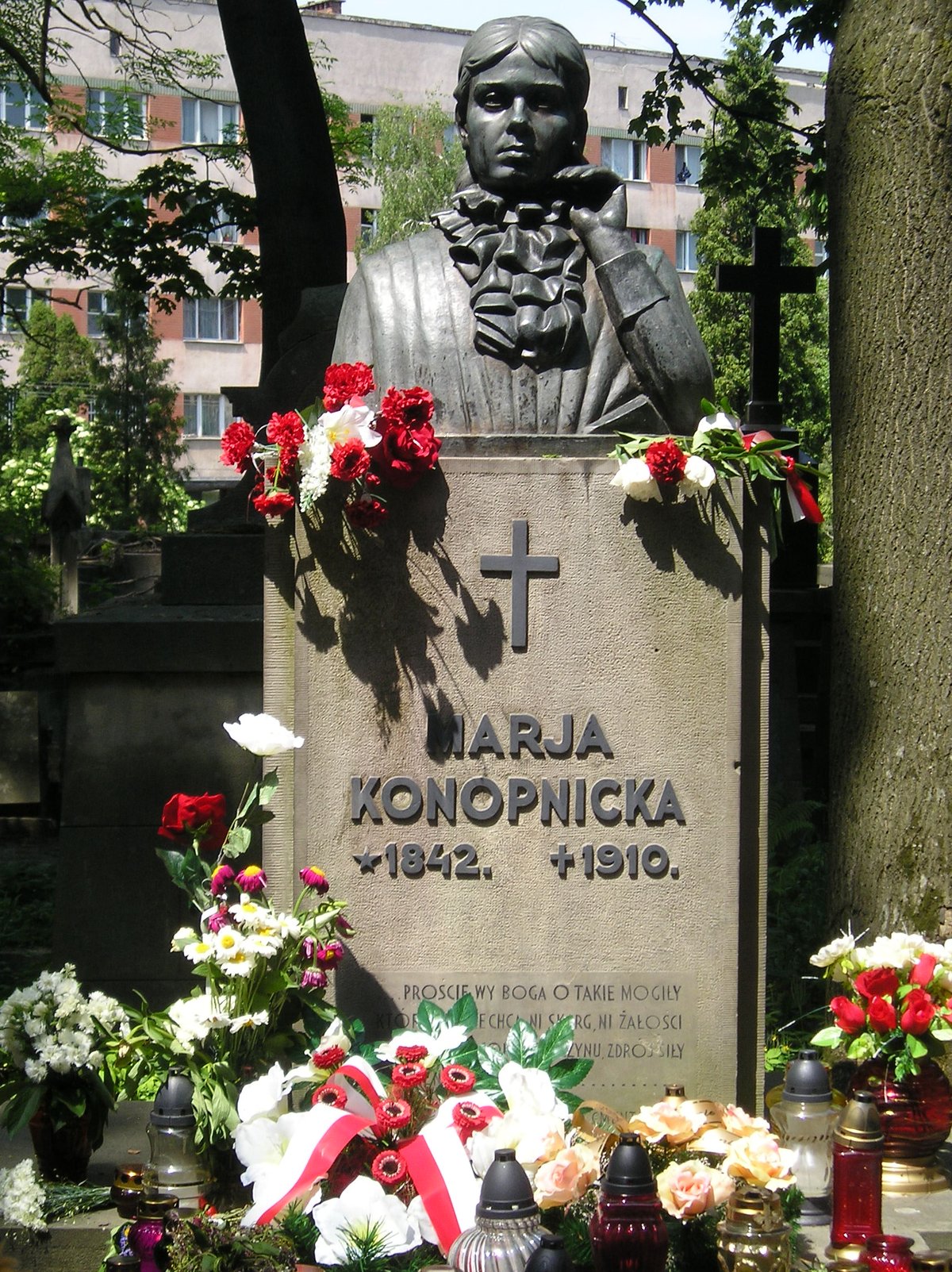
Maria Konopnicka’s tomb is a prominent monument within the Polish section of the cemetery. The original bust, sculpted by Luna Drexlerówna, was destroyed during World War II and later restored by Volodymyr Skołozdra. The pedestal features an inscription from Konopnicka’s poem “Na cmentarzu,” reflecting her wish for graves that inspire action and strength rather than sorrow (pl.wikipedia).
The tomb is a focal point for literary and cultural events, often adorned with flowers and candles on anniversaries and Polish national holidays.
How to Visit: Location, Hours, Tickets, and Tours
Location and Access
- Address 33 Mechnykova Street, Lviv, Ukraine (Lychakiv Cemetery Official Site)
- Getting There
- On Foot 20–30 minutes from the city center.
- Public Transport Trams 1 and 7; buses 8 and 29.
- Taxi/Ride-Sharing Affordable due to proximity.
Visiting Hours
- Daily 9:00 AM – 6:00 PM (extended to 8:00 PM in summer)
- Night Tours Offered seasonally
Tickets and Entrance Fees
- Adults 50–100 UAH (~$1.25–$2.50)
- Discounts Students, seniors, children
- Photography/Videography Additional fee (~100 UAH)
- Purchase At entrance; limited online options
Guided Tours
- Languages English, Ukrainian, Polish
- Duration 1–2 hours
- Booking Recommended during peak season
- Cost 250–500 UAH per group (Kiev Friendly)
Cemetery Map
- Available at the entrance; recommended for navigating to Konopnicka’s tomb and other notable graves.
Accessibility and Visitor Etiquette
- Paths Main avenues are paved, but terrain can be uneven and hilly; wheelchair access is limited.
- Facilities Restrooms and benches near the entrance; shops and cafés nearby.
- Dress Code Modest attire recommended out of respect.
- Behavior Maintain a quiet, reflective demeanor. Do not disturb graves or monuments.
- Offerings Flowers and candles can be purchased from local florists and are customary tributes.
Nearby Attractions
Combine your visit to Lychakiv Cemetery with other Lviv highlights:
- Lviv National Art Gallery
- Armenian Cathedral of Lviv
- Old Town Market Square
- High Castle Park (Lviv Travel)
- Maria Konopnicka Museums in Żarnowiec and Suwałki, Poland
Special Events and Anniversaries
Anniversaries of Konopnicka’s birth (May 23) and death (October 8) are marked by literary gatherings, poetry readings, and official commemorations, fostering Polish-Ukrainian cultural dialogue (pl.wikipedia).
Tips for a Meaningful Visit
- Plan for 1–2 hours to explore the cemetery and Konopnicka’s tomb.
- Join a guided tour for rich historical context.
- Bring comfortable shoes due to cobblestones and uneven paths.
- Check weather and dress accordingly.
- Use digital maps (such as Maps.me) for navigation.
Frequently Asked Questions (FAQ)
Q: What are the visiting hours for the Tomb of Maria Konopnicka?
A: Lychakiv Cemetery is open daily from 9:00 AM to 6:00 PM, with extended hours in summer.
Q: How much is the entrance fee?
A: 50–100 UAH for adults; discounts for students and seniors.
Q: Are guided tours available?
A: Yes, in English, Polish, and Ukrainian, for an additional fee.
Q: Is the site wheelchair accessible?
A: Accessibility is limited; some main paths are navigable.
Q: Can I take photos?
A: Photography is permitted for personal use; avoid photographing ceremonies or mourners.
Summary and Final Tips
Visiting Maria Konopnicka’s tomb at Lychakiv Cemetery immerses you in the heart of Central European literary and cultural history. The site is carefully maintained, accessible via various transport options, and provides a unique atmosphere for reflection and learning. Respectful behavior, attention to practical details, and use of digital tools will ensure a meaningful and enriching experience. Stay informed about special events and preservation efforts through the Lychakiv Cemetery Official Site and related resources.