
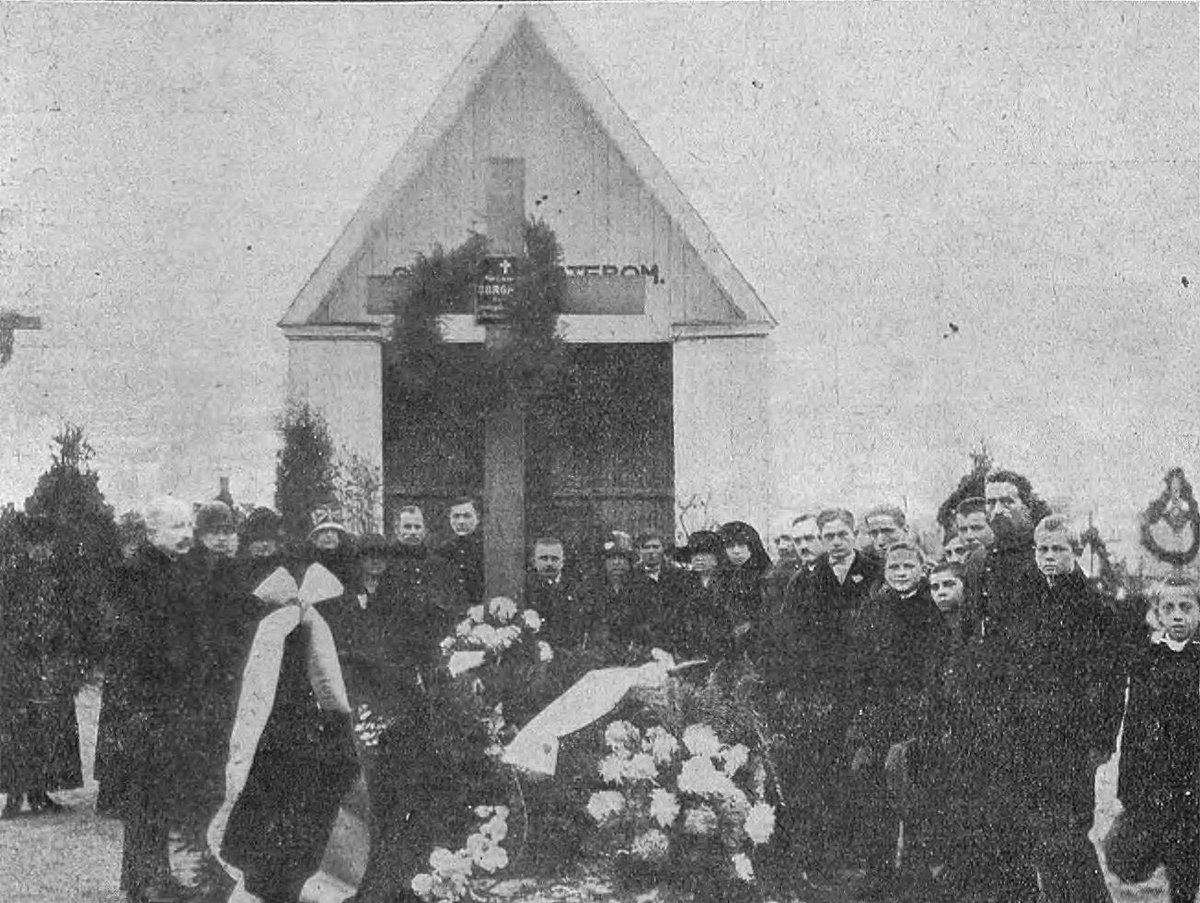
Why Visit the Cemetery of the Defenders of Lwów?
Visiting this cemetery is not just an exploration of Lviv’s past, but an immersion in the region’s layered identity. Whether you are a history enthusiast, cultural traveler, or simply curious about Lviv’s heritage, the cemetery offers:
- A unique window into the sacrifices of youth and the dynamics of 20th-century Eastern European history.
- Architectural landmarks and moving artistic features.
- A tranquil space for reflection amid the city’s vibrant energy.
Historical Background
Origins and Significance
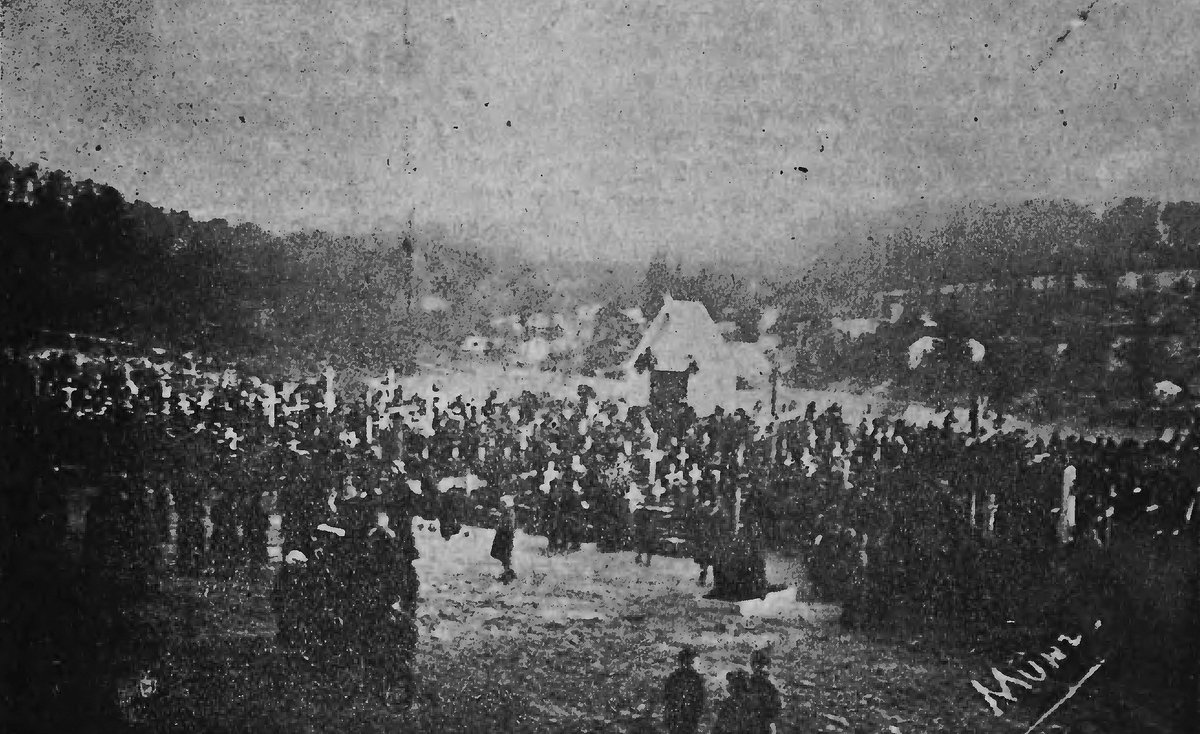
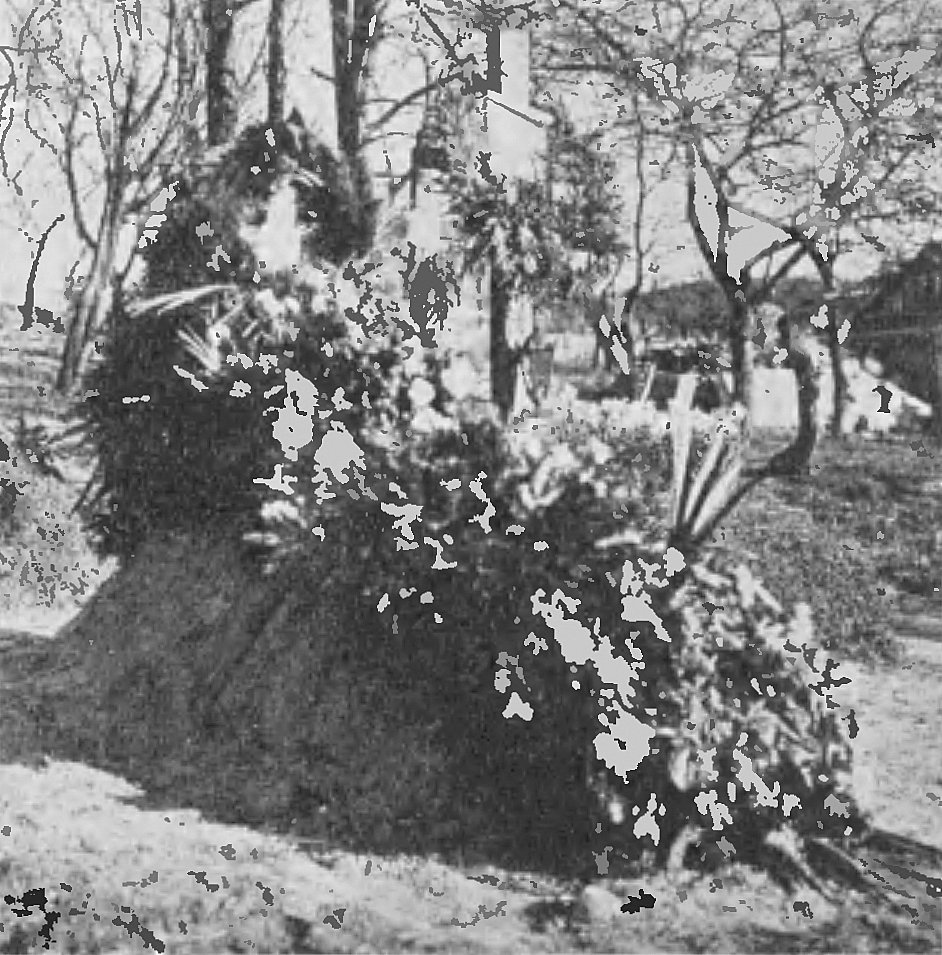
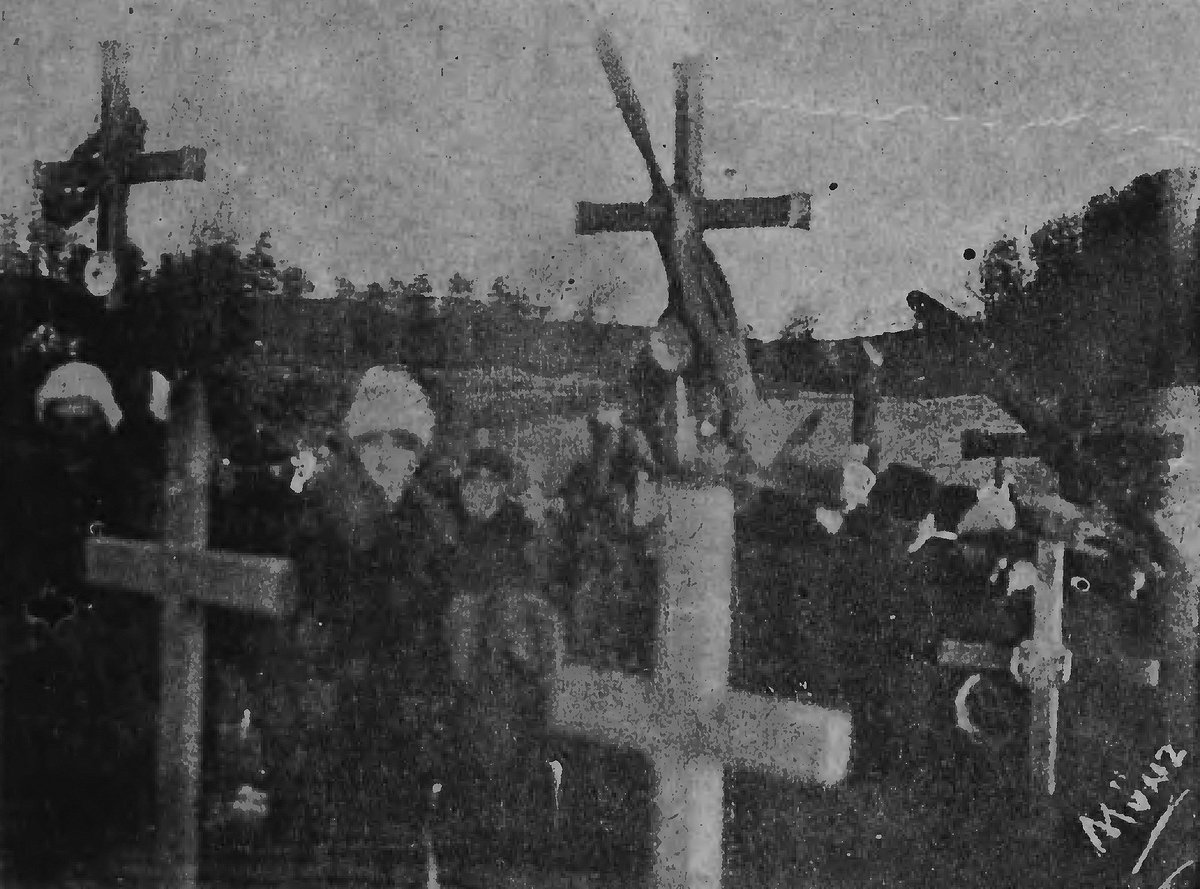
Established after the bloody battles for control of Lviv and Eastern Galicia, the cemetery memorializes the defenders of the city, particularly the “Lwów Eaglets”—youthful Polish volunteers, many under 18, who played a crucial role in the defense against Ukrainian and later Bolshevik forces (War History Online). The site soon became central to Polish patriotic commemoration, with events and ceremonies reinforcing a sense of national identity.
Soviet Era and Restoration
After World War II, Lviv was incorporated into the Ukrainian SSR. The cemetery—seen by Soviet authorities as a symbol of Polish nationalism—fell into neglect and was partially destroyed. Monuments were dismantled, tombs razed, and the grounds repurposed. Despite these efforts, local memory persisted and, following Ukrainian independence in 1991, restoration began. The cemetery was officially reopened in 2005, symbolizing reconciliation and the shared memory of sacrifice (Cambridge.org).
Architectural and Artistic Features
Layout and Main Monuments
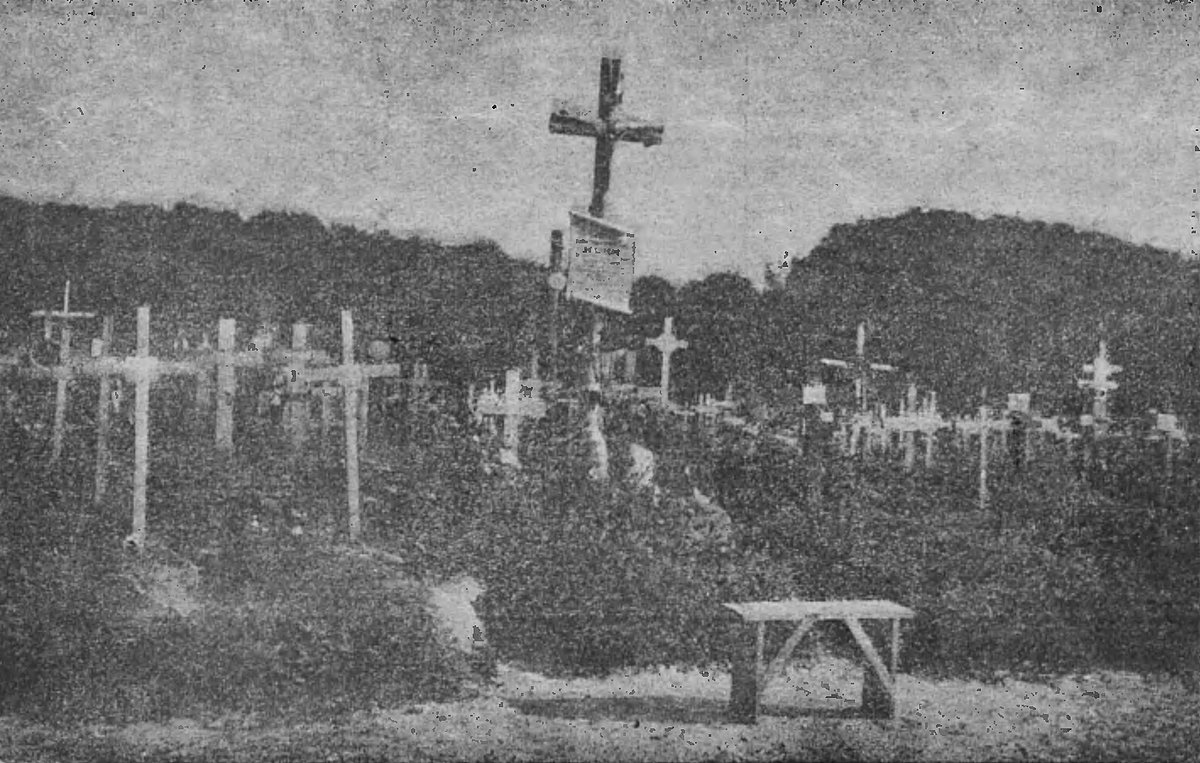
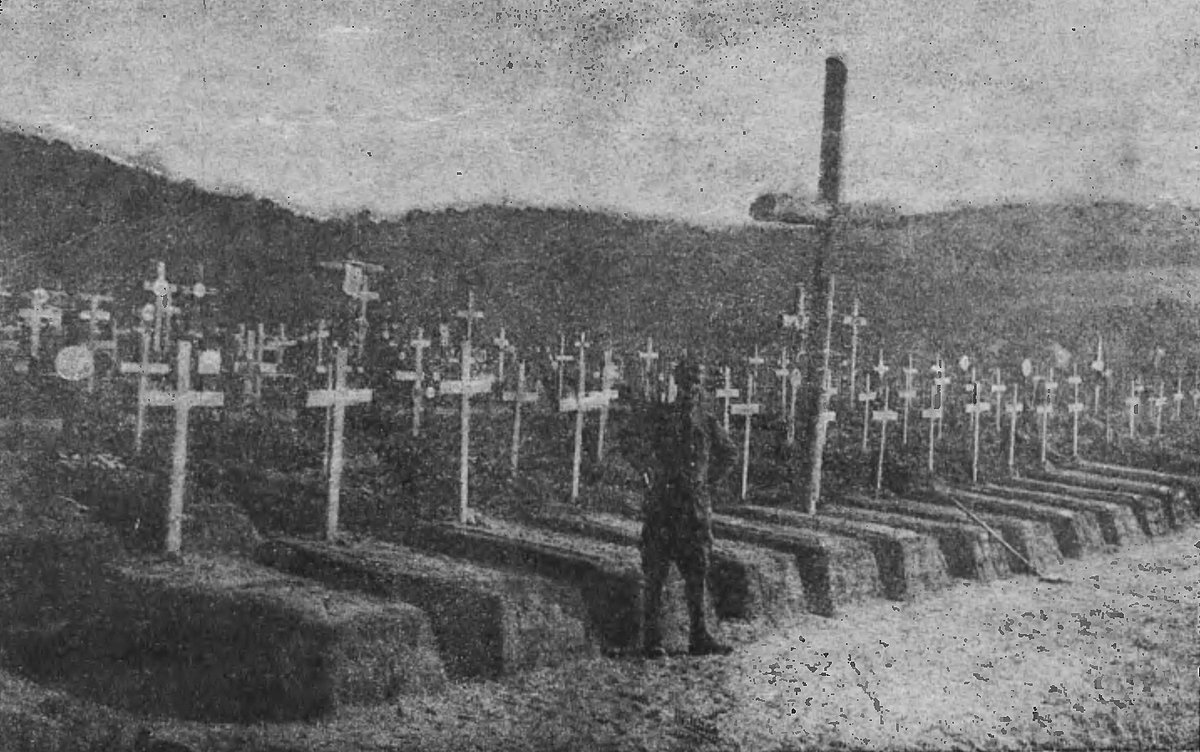
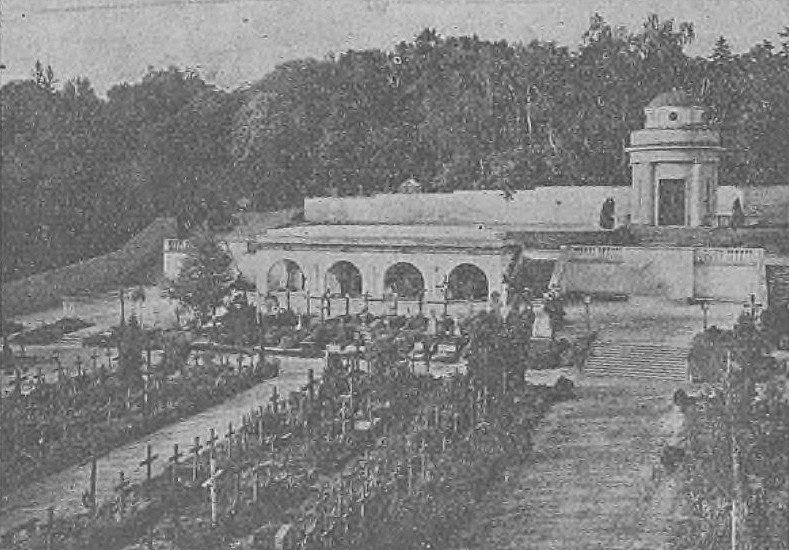
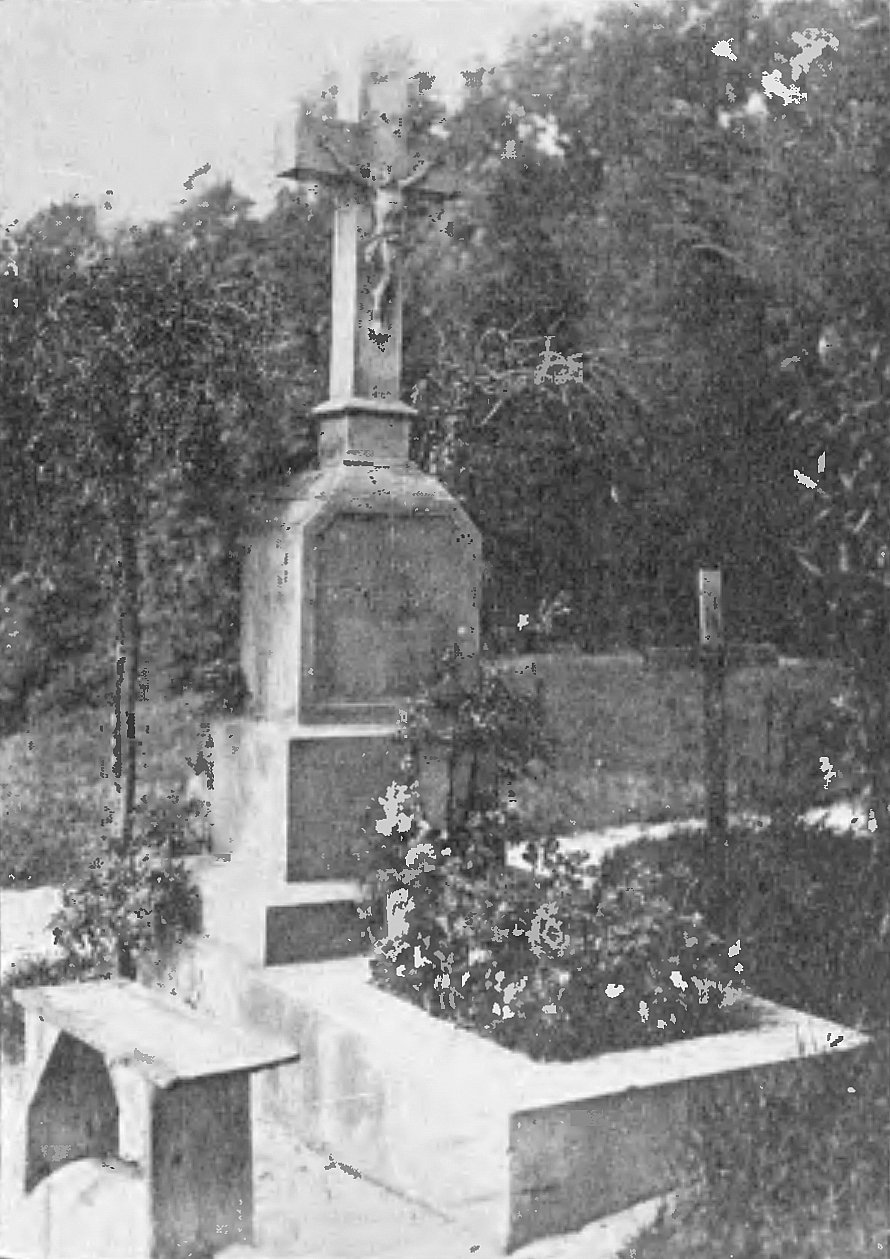
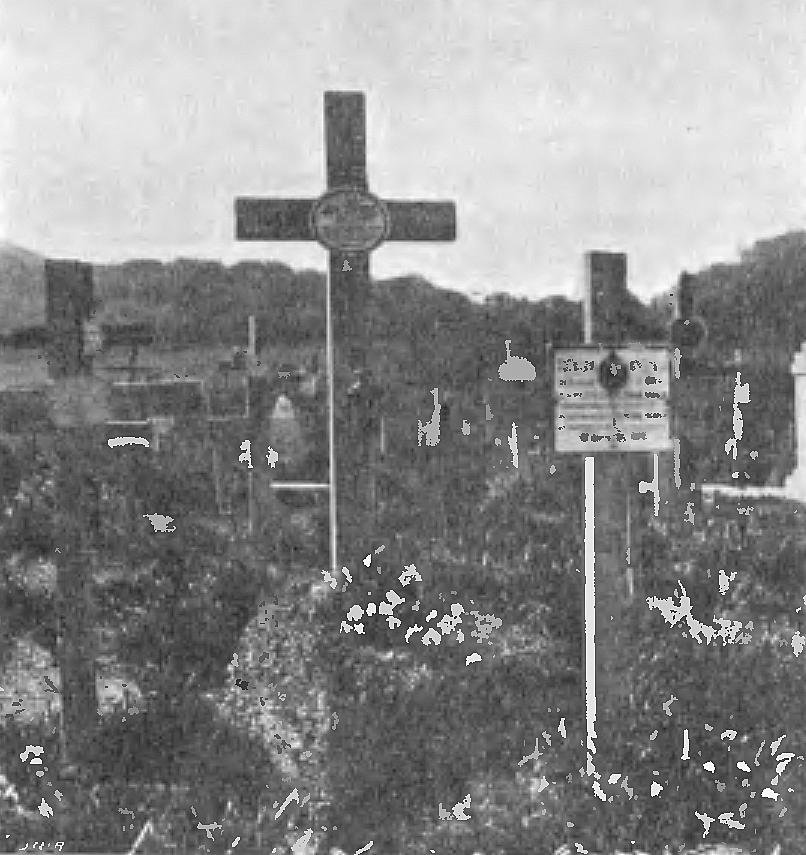
Occupying a prominent area within Lychakiv Cemetery, the Defenders’ Cemetery is organized in military fashion, with rows of white crosses marking graves, a central memorial axis, and broad tree-lined avenues (Traces of War). Key features include:
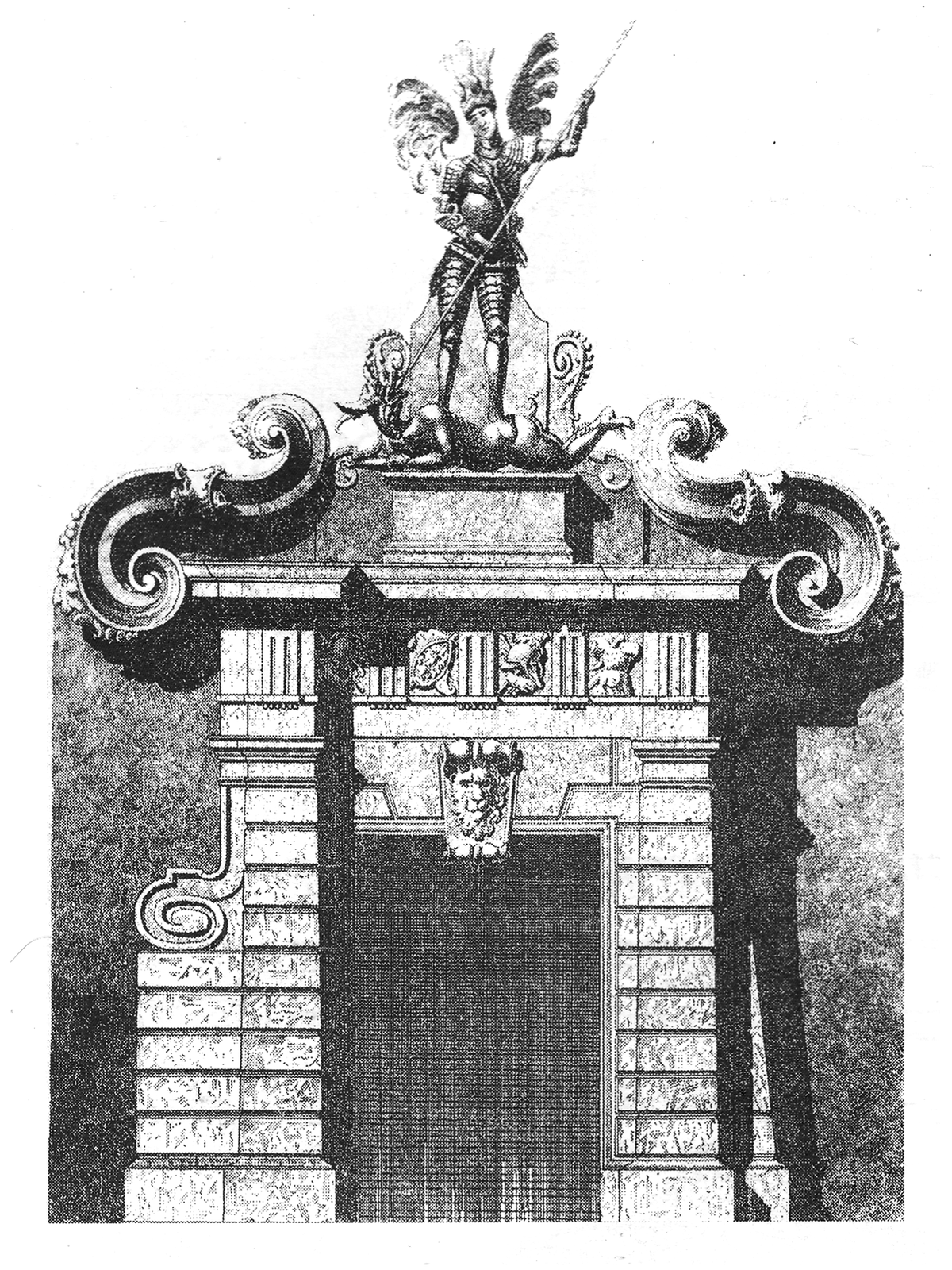
- Monumental Entrance Arch A neoclassical structure with laurel motifs and stone lions.
- Chapel of the Defenders Designed by Rudolf Indruch, this domed chapel serves as the spiritual center, adorned with commemorative plaques and stained glass.
- Semi-circular Colonnade Framing the central memorial, providing a focal point for ceremonies.
- Catacombs Beneath the chapel, housing the remains of dozens of defenders.
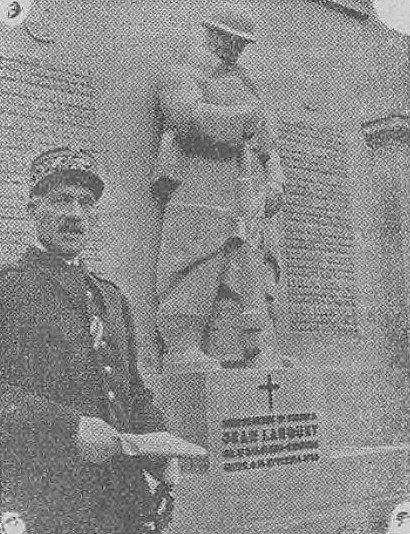
- Monuments to Foreign Volunteers Honoring American pilots of the Kościuszko Squadron and French volunteers, symbolizing international solidarity.
- Polish Victory Memorial Commemorating the city’s defense and its highest military honor, the Virtuti Militari.
Artistic Elements
Sculptures of angels and allegorical figures, inscriptions in multiple languages, and relief carvings reinforce themes of sacrifice and patriotism. The landscape is carefully maintained, with mature trees, flowerbeds, and terraced vistas creating a peaceful, contemplative atmosphere (Lychakiv Cemetery Official Site).
Symbolism and Memory
The cemetery represents both unity and division—celebrating the heroism of the “Lwów Eaglets” while also reflecting the contested histories of Poles and Ukrainians. While Polish commemorations focus on youthful sacrifice, Ukrainian narratives emphasize their own heroes, such as the Sich Riflemen, buried in parallel memorials (Cambridge.org).
Planning Your Visit
Location and Access
- Address Main entrance via Lychakiv Cemetery, Mechnikova Street, Lviv.
- Getting There Tram #7 (“Lychakivskyi tsvyntar” stop) or a 20-30 minute walk from the city center (MyWanderlust).
Visiting Hours
- April–October 9:00 AM – 7:00 PM
- November–March 9:00 AM – 4:00 PM
- Note Hours may vary on public holidays or during commemorative events. Check Lychakiv Cemetery Official Site.
Tickets
- Entrance Fee Approximately 25–50 UAH for adults; discounts for students/seniors; children under 7 free.
- Camera Fee Small additional charge may apply.
- Where to Buy At the cemetery entrance ticket booth. Online purchase options may be available (Kathmandu & Beyond).
Guided Tours
- Available in English, Polish, and Ukrainian.
- Highly recommended for historical context and to locate key monuments.
- Book in advance during peak seasons (Lviv Interactive).
Accessibility
- Main paths are paved; some areas have uneven terrain or steps.
- Wheelchair access is available in principal areas, but assistance may be required in certain sections.
Facilities
- Restrooms and ticket office at the main entrance.
- Benches for rest throughout the grounds.
- No cafés inside—food and drink available nearby on Mechnikova Street.
Safety and Conduct
- The cemetery is well-patrolled and considered safe.
- Visitors are asked to behave respectfully: speak quietly, dress modestly, and refrain from disruptive behavior.
- Photography is permitted, but avoid photographing mourners or recent graves, especially in the Field of Mars (Le Monde).
Special Events and Commemorations
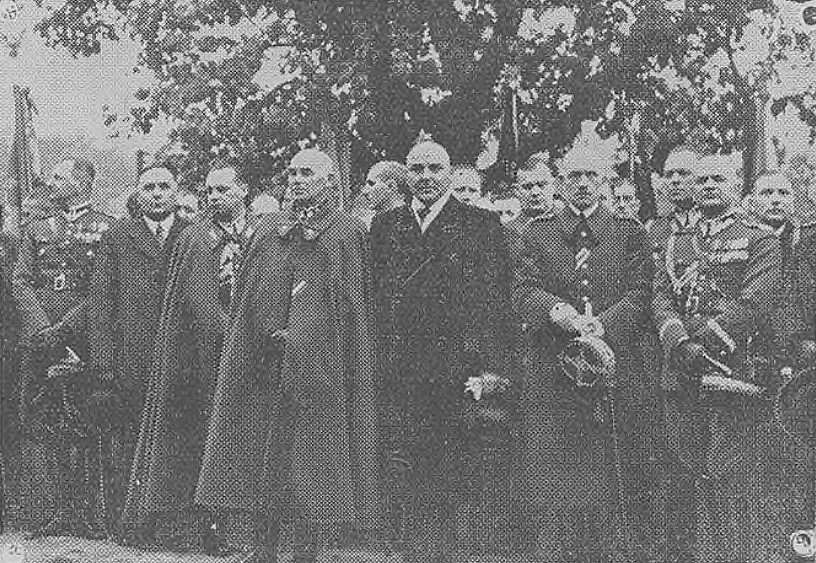
Major commemorations take place on November 1 (All Saints’ Day) and November 11 (Polish Independence Day), featuring wreath-laying, speeches, and military honors. These events draw both Polish and Ukrainian participants, highlighting the site’s enduring significance (War History Online).
Nearby Attractions
- Lychakiv Cemetery Explore the broader grounds, often compared to Paris’s Père-Lachaise for artistic and historical significance.
- Lviv Old Town UNESCO World Heritage Site with stunning architecture, museums, and cafes.
- Armenian Cathedral & High Castle Hill Notable landmarks within walking distance (Trek Zone).
Frequently Asked Questions (FAQ)
Q: What are the current ticket prices?
A: About 25–50 UAH for adults, with discounts for students and seniors. Check official sites for updates.
Q: What are the opening hours?
A: 9:00 AM–7:00 PM (April–October), 9:00 AM–4:00 PM (November–March).
Q: Are guided tours available in English?
A: Yes, book ahead during busy periods.
Q: Is the cemetery accessible for people with disabilities?
A: Main pathways are accessible; some areas may require assistance.
Q: Can I take photos?
A: Yes, but be respectful and avoid photographing mourners or fresh graves.
Visitor Tips
- Arrive early or late in the day for a quieter, more contemplative visit.
- Dress appropriately and respect the solemn nature of the site.
- Download a digital guide or use the Audiala app for an audio tour.
- Combine your visit with a stroll through Lviv’s Old Town for a full cultural experience.
Emotional and Cultural Impact
A visit to the Cemetery of the Defenders of Lwów offers more than historical education—it is an encounter with the region’s soul: the courage of youth, the pain of conflict, and the hope for reconciliation. The site’s restoration and maintenance reflect ongoing efforts to honor shared heritage and bridge historical divides (MyWanderlust; Lviv Interactive).
Summary
The Cemetery of the Defenders of Lwów stands as a testament to bravery and remembrance. Its striking architecture, moving memorials, and layered history make it a must-visit destination in Lviv. Plan your visit by checking current hours and ticket information, consider a guided tour, and take time to reflect in this place of memory and peace.
For the latest updates and travel tips, download the Audiala app and follow our social media channels.