Origins and Historical Development
The Lviv Museum of the History of Religion traces its roots to 1973, occupying the former Dominican Monastery—a site of immense historical and architectural significance dating back to the 14th century. The Dominican Order, having established a presence in Lviv in the Middle Ages, left an indelible mark on the city’s religious and urban landscape. The monastery complex witnessed the ebb and flow of empires, including Polish, Austrian, and Soviet rule.
During the Soviet era, religious functions were suppressed, and the building was repurposed as a museum of atheism. Following Ukraine’s independence, the institution was reimagined as a center for comparative religious studies, underscoring the spiritual and multicultural legacy that defines Lviv (travels.in.ua, lonelyplanet.com).
Architectural Heritage
The Dominican Monastery and Church
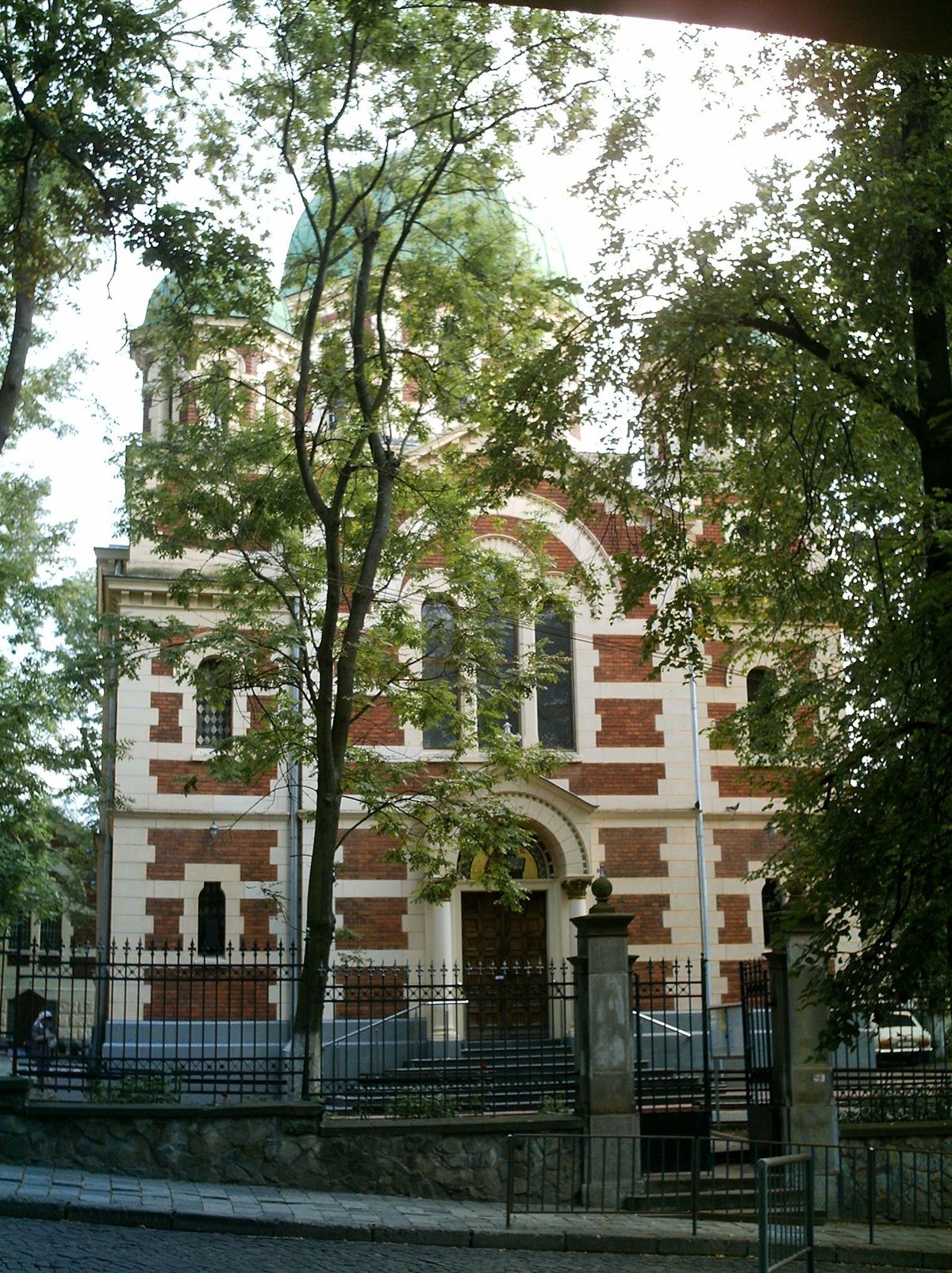
The museum is housed in the former Dominican Monastery, a Baroque architectural gem constructed between 1749 and 1764 based on designs by Jan de Witte. The church's prominent dome and ornate façade, adorned with stucco and Baroque sculptures, dominate Lviv’s skyline and serve as a symbol of the city’s religious history. The interior features soaring vaults, gilded iconostases, and intricate woodwork (lviv-tourist.info).
Adaptive Reuse and Preservation
The conversion of the monastery into a museum exemplifies adaptive reuse, preserving architectural integrity while serving new cultural and educational purposes. Exhibition halls retain original features, including vaulted ceilings and decorative moldings. The former refectory is now used for exhibitions and concerts, blending the building’s spiritual legacy with its contemporary museum function.
Artistic and Decorative Highlights
The museum’s setting enhances its collections, with historical frescoes, Baroque altars, and restored architectural details providing an atmospheric backdrop for both permanent and temporary exhibitions (museum-portal.com).
Museum Collections and Exhibitions
Scope and Diversity
With over 50,000 artifacts, the museum’s collections span world religions—Eastern and Western Christianity, Judaism, Islam, Buddhism, and ancient paganism—alongside the unique religious heritage of Ukraine (museum.lviv.ua, discover-ukraine.info). Thematic and chronological galleries allow visitors to trace spiritual development from prehistory to the present.
Permanent and Temporary Exhibitions
Permanent galleries explore:
- Religions of the Ancient World
- Judaism
- Christianity (Eastern Orthodoxy and Western Catholicism)
- Islam
- Buddhism
Temporary exhibitions highlight topics such as:
- Armenian Sacred Artifacts (museum.lviv.ua)
- Netherlands: Memories by Myroslava Yakymovych
- Image. Symbol. Spirituality
- Project QIRIM by Serhiy Burbel
The Monastery Dungeons
A standout feature is the accessible monastery dungeons, where archaeological finds and historical reconstructions offer a glimpse into the Dominican Order’s medieval past (museum.lviv.ua).
Notable Artifacts
Iconography and Christian Art
The museum boasts one of Ukraine’s most significant icon collections, including:
- “Myrrhbearers”
- “Confession of St. Thomas”
- “St. Paul and Evangelist Matthew”
- Icon of St. Nicholas
- Immaculate Conception of the Virgin Mary with the Holy Trinity
- Royal doors and portals from historic iconostases
These icons are available for virtual viewing, complete with high-resolution images and scholarly descriptions (collection.museum.lviv.ua).
Judaica, Islamic, and Buddhist Collections
The museum’s Judaica holdings include Torah scrolls, menorahs, and ritual objects. Islamic and Buddhist collections feature Qur’ans, prayer rugs, and statues, reflecting Lviv’s diverse spiritual heritage.
Archaeological and Ancient Artifacts
Artifacts from the Trypillian culture, Greco-Roman and Byzantine periods, and medieval Ukraine contextualize the development of spiritual traditions (risu.ua).
Unique and Interactive Objects
Interactive 3D models of select artifacts, such as ancient lamps and ceremonial objects, are available through the museum’s digital platforms (Sketchfab).
Digital Access and Inclusivity
The museum has prioritized digital transformation, with over 1,200 artifacts digitized as of 2025. Online visitors can explore 3D models, high-resolution images, and detailed descriptions in Ukrainian and English. The digital archive is accessible and includes features for visually impaired users, such as adjustable fonts and backgrounds (risu.ua, digital collection portal).
QR codes throughout the museum link to supplementary digital content, enhancing the onsite visitor experience.
Visiting Information: Hours, Tickets, and Directions
Opening Hours
- Monday Closed
- Tuesday–Sunday 10:00 AM – 6:00 PM
- Last admission 30 minutes before closing
It is recommended to check the official museum website for holiday hours or temporary changes.
Ticket Prices
- Adults 100 UAH
- Students/Seniors 50 UAH
- Children under 7 Free
- Guided tours 200–400 UAH per group (Ukrainian/English)
Tickets can be purchased at the entrance or reserved online.
Location & Directions
- Address 1 Muzeina Square, Lviv, Ukraine, 79008
- Getting there Centrally located near Rynok Square. Accessible by tram, bus, or on foot from the city center.
- Parking Limited; public transport or walking is recommended.
Accessibility
The museum’s main entrance is wheelchair accessible. Some upper floors may have limited access due to the historical nature of the building. Staff are available to assist visitors with special needs. Digital resources and audio guides further enhance accessibility (museum.lviv.ua).
Visitor Experience and Engagement
- Cloakroom and restrooms are available near the entrance.
- Audio guides offered in Ukrainian, English, Polish, and German.
- Guided tours can be booked in advance or at the ticket desk.
- Museum shop features books, religious artifacts, and souvenirs.
- Photography is allowed for personal use (no flash or tripods).
- Concerts and events The museum regularly hosts organ concerts and cultural events in the former church (museum.lviv.ua).
Branches
The museum operates several branches, including:
- Chervonohrad Branch (Potocki Palace)
- Sokal Branch “Human. Earth. Universe”
- Museum-Manor House of the Antonych Family (Bortiatyn)
- Museum “Stara Skvaryava Iconostasis of the XVI-XVIII Centuries”
Practical Tips
- Visit Duration Allocate 1.5–2 hours for a comprehensive visit.
- Best Times Weekday mornings are quieter; weekends can be busy.
- Language English translations are available for major exhibits; guided tours enhance understanding.
- Nearby Attractions Dominican Cathedral, Rynok Square, Armenian Cathedral, and Lviv National Opera House are all within walking distance.
- Dining Numerous cafes and restaurants are nearby.
- Respectful Conduct Dress modestly and maintain a respectful demeanor due to the building’s religious history.
FAQs
Q: What are the opening hours?
A: Tuesday to Sunday, 10:00 AM–6:00 PM. Closed on Mondays.
Q: How much are tickets?
A: Adults 100 UAH, students/seniors 50 UAH, children under 7 free.
Q: Can I buy tickets online?
A: Yes, tickets can be reserved via the official website.
Q: Is the museum accessible?
A: The main entrance and ground floor are wheelchair accessible. Some upper floors may have limited access.
Q: Are guided tours available?
A: Yes, in multiple languages; book in advance or at the desk.
Q: Can I take photos?
A: Yes, for personal use without flash.