Origins and Early Development
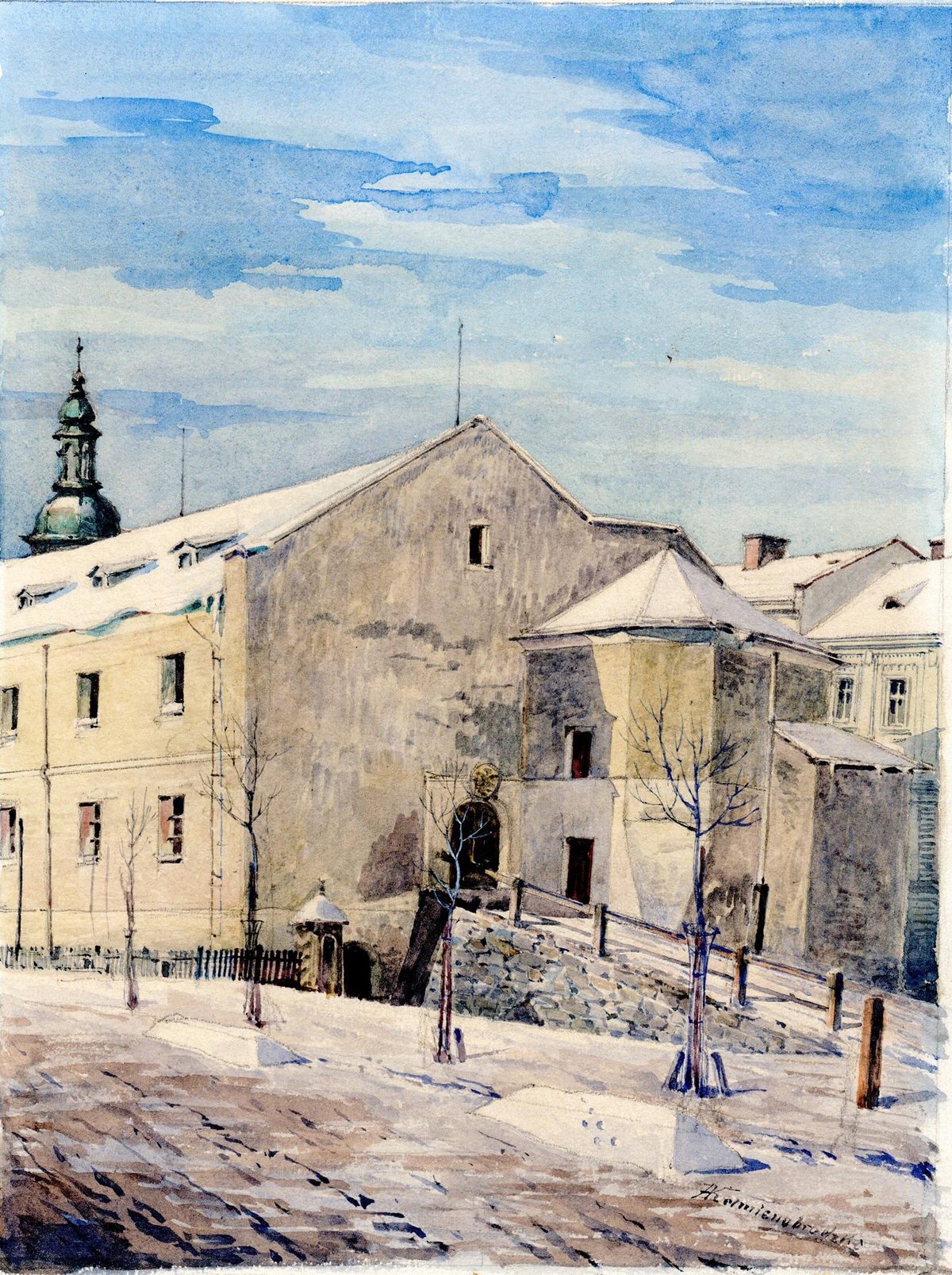
Situated at Lviv’s highest point, High Castle’s history dates back to the mid-13th century. Established by King Danylo Romanovych, the original wooden fortress symbolized the rising power of Galicia–Volhynia and offered strategic oversight of trade routes (Encyclopedia of Ukraine). In the late 13th and early 14th centuries, the wooden structure was replaced with stone, reflecting Lviv’s growing significance.
Medieval Importance and Political Role
In the 14th and 15th centuries, High Castle became the focal point of political and military power. After Lviv’s incorporation into the Kingdom of Poland in 1349, the castle was significantly fortified, serving as the residence of royal governors and a symbol of royal authority (Lviv City Council). It played host to ceremonies and provided sanctuary during times of unrest.
Key Events and Sieges
High Castle witnessed numerous sieges, including the 1340 Lithuanian attack and the 1436 Hussite siege, both of which the castle survived. During the 1648 Khmelnytsky Uprising, Cossack forces besieged Lviv, but High Castle’s defenses held strong (Ukraine Travel).
Decline and Transformation
By the late 17th century, changes in military technology diminished the castle’s importance. After occupation by Swedish troops in 1704 and following the Austrian annexation in 1772, the castle fell into ruin, its stones repurposed for city construction (Lviv Tourist Information).
19th-Century Park and Mound of Union
In the 19th century, the site was transformed into an English-style park (1835). The 22-meter-tall Mound of Union, built in 1869, commemorates the 300th anniversary of the Union of Lublin. This artificial mound remains a distinctive feature of the park (Lviv High Castle Park).
Archaeological Discoveries and Preservation
Excavations have unearthed remnants of walls and artifacts, helping to chronicle the site’s construction and use. Preservation efforts integrate these finds into the park, with plaques and guided tours enriching the visitor experience (Lviv Interactive).
Cultural and Symbolic Significance
High Castle symbolizes Lviv’s enduring spirit and multicultural heritage. The site embodies the city’s journey from its medieval roots through Polish, Austrian, and modern Ukrainian eras (UNESCO World Heritage). Today, it’s an emblem of resilience and artistic inspiration, offering panoramic perspectives of the city’s evolving landscape.
Visiting Lviv High Castle: Hours, Tickets, and Tips
Visiting Hours
- Open year-round The park is accessible daily, with most visitors coming between 8:00 AM and 9:00 PM.
- Observation platform Accessible during daylight hours for optimal views.
Tickets
- Admission is free No entrance fee required for the park or observation platform.
- Guided tours Book through local operators or the Lviv Tourist Information Center for a deeper historical insight.
Accessibility
- Moderate climb The ascent involves paved paths, stairs, and some uneven terrain. Not suitable for wheelchairs or strollers.
- Benches Available along the route for rest.
Getting There
- On foot A 15–20 minute walk from Lviv’s Old Town.
- Public transport Buses and trams stop near the park’s base.
- Taxi or ride-sharing Convenient for reaching the park entrance; the summit itself must be reached on foot.
Nearby Attractions
- Lviv Old Town UNESCO-listed with vibrant cafes and historical sites.
- Armenian Cathedral and Market Square: Within walking distance.
- Lychakiv Cemetery Not far from the hill, offers another glimpse into Lviv’s history.
Special Events
- Cultural festivals High Castle Park hosts events and gatherings, especially during holidays and summer months.
Photography Tips
- Best times Sunrise and sunset for dramatic lighting.
- Drones Not officially regulated but avoid flying near the TV tower or over crowds.
Frequently Asked Questions (FAQ)
Q: What are the opening hours?
A: Year-round, best between 8:00 AM–9:00 PM.
Q: Is there an entrance fee?
A: No, it is free for all visitors.
Q: Are guided tours available?
A: Yes, through local tour operators and the Tourist Information Center.
Q: Is the site accessible for people with mobility issues?
A: The ascent involves stairs and uneven paths; accessibility is limited.
Q: Are facilities available at the summit?
A: Facilities are minimal; restrooms and cafes are at the base or in the city center.
Q: Can I bring pets?
A: Yes, dogs are allowed on leashes.
Practical Tips for Visitors
- Dress comfortably Wear sturdy shoes for the climb.
- Bring water and snacks No vendors at the summit.
- Plan for weather The summit can be windy or chilly.
- Pack insect repellent Especially in summer.
- Respect the site Preserve the environment and local customs.
Discover More
Lviv High Castle is more than a scenic viewpoint; it’s a living testament to the city’s history, resilience, and multicultural identity. Free to access and open year-round, it offers an enriching experience for all visitors. Plan your trip to coincide with good weather and daylight hours, and consider exploring nearby attractions for a fuller understanding of Lviv’s heritage.
Download the Audiala app for offline maps, guided audio tours, and the latest updates on Lviv’s events and attractions. For more travel tips, follow us on social media and check our related articles on Lviv’s top historical sites.