

History and Development
Origins and Early Growth (1893–1940)
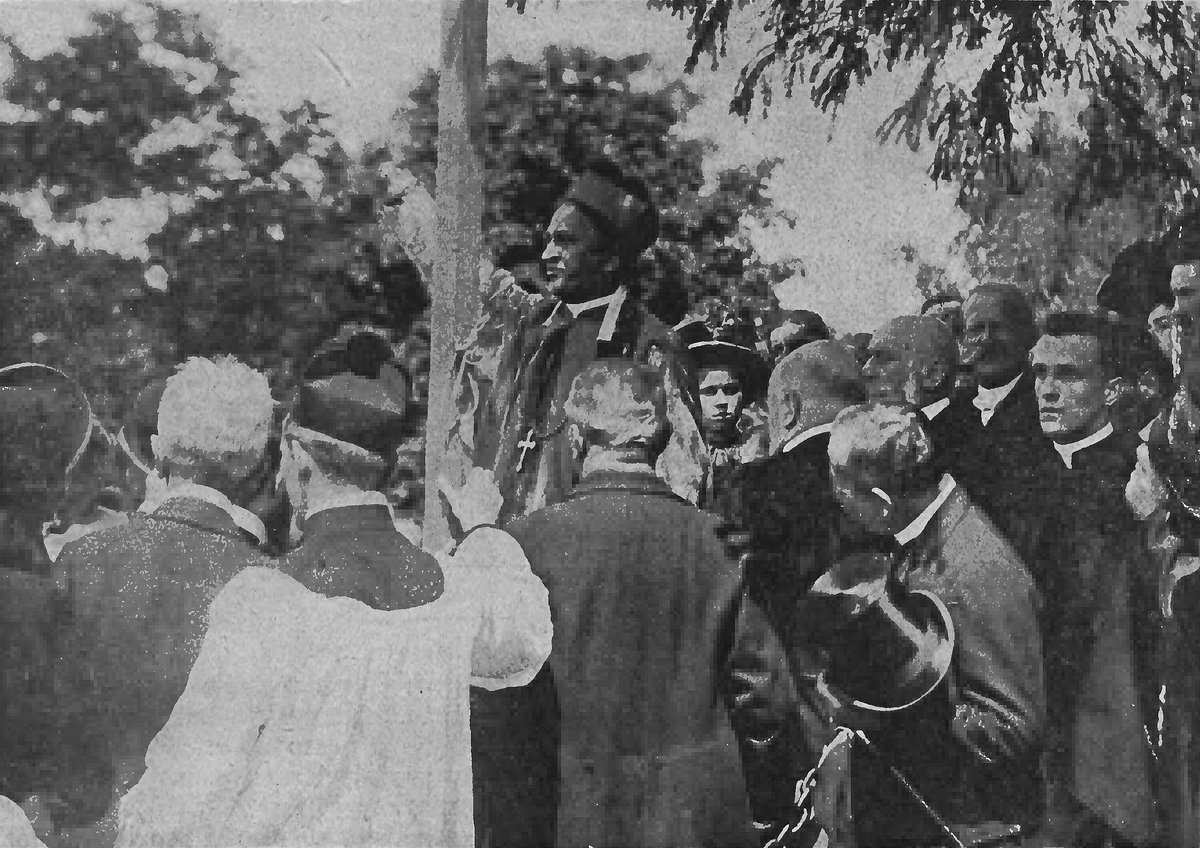
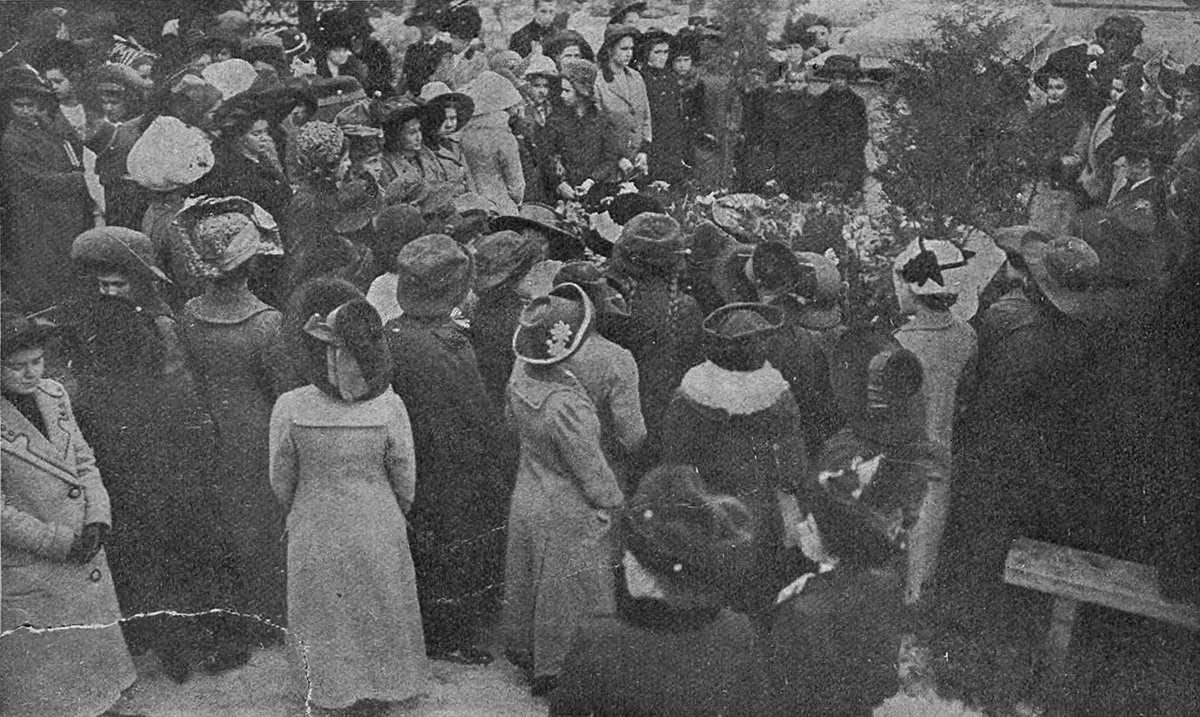
Established as the Historical Museum of the City of Lviv in 1893, the institution arose from a wave of civic pride and the desire to preserve the rich heritage of Lviv’s multiethnic communities. The initial collection featured archaeological finds, manuscripts, artworks, and everyday items that underscored Lviv’s role as a crossroads of empires and cultures (LHM official history; Google Arts & Culture).
Consolidation and Expansion (1940–1991)
In 1940, the Lviv History Museum merged with the National Museum named after King Jan III, gaining significant new artifacts from the Museum of the Princes Lubomirski and the Shevchenko Scientific Society (Google Arts & Culture). Despite the challenges of the Soviet era, the museum continued to expand, protecting invaluable materials related to Lviv and Galicia (LHM official history).
Development in Independent Ukraine (1991–Present)
Following Ukraine’s independence, the museum broadened its focus, establishing new branches such as the Museum of the Liberation Movement of Ukraine and memorial museums dedicated to significant national figures. The main exhibitions are spread across historic sites including the Kornyakt House and Bandinelli Palace, with additional branches like the Museum-Arsenal and Literary Lviv Museum (Google Arts & Culture).
Museum Structure and Main Branches
Unlike traditional museums, the Lviv History Museum operates as a network of branches—11 main sites—primarily centered around Lviv’s historic core. This decentralized approach allows visitors to encounter history within authentic settings. Highlights include:
- Korniakt Palace (Rynok Sq. 6) Renaissance masterpiece with exhibitions on medieval and early modern Lviv.
- Bandinelli Palace (Rynok Sq. 4) Focuses on Lviv’s commercial and printing history.
- Arsenal Museum (Pidvalna St. 5) Dedicated to military artifacts and Lviv’s defenses.
- Museum of the Liberation Movement of Ukraine Documents 20th-century national resistance.
- Literary Lviv Museum Explores the city’s vibrant literary heritage.
For a full list of branches and their unique offerings, visit the official museum website.
Visiting Hours and Ticket Information
- Opening Hours Most branches open Tuesday to Sunday, 10:00 AM – 5:30 PM. Some branches may have different schedules or close on certain days—check the official website for branch-specific hours.
- Ticket Prices General admission ranges from 30 to 100 UAH depending on the branch. Discounts are available for students, seniors, children, and Lviv City Card holders.
- Guided Tours Offered in Ukrainian, English, Polish, and sometimes other languages. Advance booking is recommended.
- Combined Tickets Multi-branch tickets are available and offer savings for those wishing to explore more than one site.
Tickets can be purchased online or at the museum entrances.
Accessibility and Visitor Facilities
While the museum strives to be accessible, many branches occupy historic buildings with architectural limitations. Some branches, such as the Kornyakt Palace, offer ramps and elevators where possible. Visitors requiring assistance should contact the museum in advance. Facilities include restrooms, cloakrooms, and information desks in central branches.
Collections and Exhibitions
Archaeological Holdings: Over 50,000 items trace the region’s history from the Paleolithic era through medieval times (Lviv History Museum Collections).
Medieval and Renaissance Artifacts: Includes weapons, armor, religious icons, liturgical items, and guild memorabilia from the 14th–17th centuries.
Royal and Noble Collections: Lavish furniture, tapestries, portraits, and personal effects of Polish kings and Lviv’s nobility.
Ethnographic and Everyday Life Artifacts: Traditional costumes, folk art, domestic items reflecting the traditions of Lviv’s Ukrainian, Polish, Jewish, and Armenian communities.
Numismatics and Documents: Coins, banknotes, manuscripts, maps, and rare books charting the city’s political, economic, and intellectual evolution.
Specialized Branches: The Royal Arsenal Museum (military history), Pharmacy Museum (Pharmacy Museum), and Bandinelli Palace (printing and trade).
Temporary Exhibitions: Themed displays often highlight Jewish heritage, World War II experiences, or local crafts. Educational workshops and family quests are available (LHM exhibitions).
Special Events and Educational Programs
The museum regularly hosts concerts, lectures, temporary exhibitions, and hands-on workshops for all ages. Innovative digital initiatives include virtual tours and online exhibitions, broadening access to local and international audiences.
Nearby Attractions and Visitor Tips
Essential Sites Near the Museum:
- Rynok Square The city’s vibrant heart, lined with historic architecture.
- Armenian Cathedral A UNESCO-listed site of religious and artistic significance.
- Lviv Opera House Renowned for architecture and performances.
- High Castle Park Offers panoramic city views.
Visitor Tips:
- Allocate 2–3 hours for the main branch; more if exploring multiple sites.
- Most exhibits have Ukrainian and some English labels; book English tours in advance.
- Early mornings and weekdays are less crowded.
- The Lviv City Card offers free or discounted entry to major museums.
Frequently Asked Questions (FAQ)
Q: What are the Lviv History Museum visiting hours?
A: Most branches are open Tuesday–Sunday, 10:00 AM–5:30 PM. Confirm specific hours for each branch on the official museum website.
Q: How much do tickets cost?
A: Admission ranges from 30 to 100 UAH depending on the branch; discounts are available.
Q: Are guided tours available?
A: Yes, in several languages. Book in advance for English tours.
Q: Is the museum accessible for visitors with disabilities?
A: Some branches have ramps and elevators; contact the museum for details.
Q: Can I take photos inside the museum?
A: Non-flash photography is generally permitted, but some areas may have restrictions.
Q: What other historical sites are nearby?
A: Rynok Square, Armenian Cathedral, Lviv Opera House, and other central attractions.
Summary
The Lviv History Museum is an essential destination for understanding the historical and cultural heartbeat of Lviv. Its network of branches, unique architectural settings, and comprehensive collections offer a multifaceted and immersive experience. Visitors benefit from accessible hours, affordable tickets, multilingual tours, and proximity to other key sites. For the most up-to-date information, programs, and digital resources, consult the official museum website and the Lviv City Card portal.
Download the Audiala app for audio guides and travel tips, and follow the museum on social media for news and events.