History and Urban Evolution
Avinguda del Regne de València traces its origins to a 19th-century railway corridor that once connected Valencia’s city center with the port district of El Grau. After the railway was dismantled in the early 20th century, famed architect Francisco Mora Berenguer integrated the corridor into his 1907 Eixample expansion plans, creating a prominent diagonal avenue that today links the Ruzafa and Gran Via neighborhoods (actualidadvalencia.com). The avenue’s urban development mirrors Valencia’s broader transformation—from Roman foundations and medieval growth through to its modernist and rationalist architectural flourishes.
Throughout history, the avenue’s surrounding districts have evolved alongside the city’s shifting fortunes:
- Roman Era Valencia, founded in 138 B.C., laid out its first urban plans around the Forum (now Plaza de la Almoina), influencing the city’s development for centuries (Valencia Tourist Guide).
- Medieval Period and Reconquista The expulsion of the Moors and subsequent Christian rule in 1238 sparked significant urban expansion and the construction of iconic landmarks.
- Golden Age (14th–15th Centuries) Prosperity fueled the creation of monumental sites such as the Valencia Cathedral and Silk Exchange.
- Modern Expansion The removal of city walls and the creation of wide avenues like Avinguda del Regne de València set the stage for Valencia’s 20th-century modernization.
Key Attractions and Cultural Highlights
Avinguda del Regne de València itself is a vibrant promenade, but its proximity to top attractions makes it a strategic starting point for exploring Valencia:
Nearby Historical and Cultural Sites
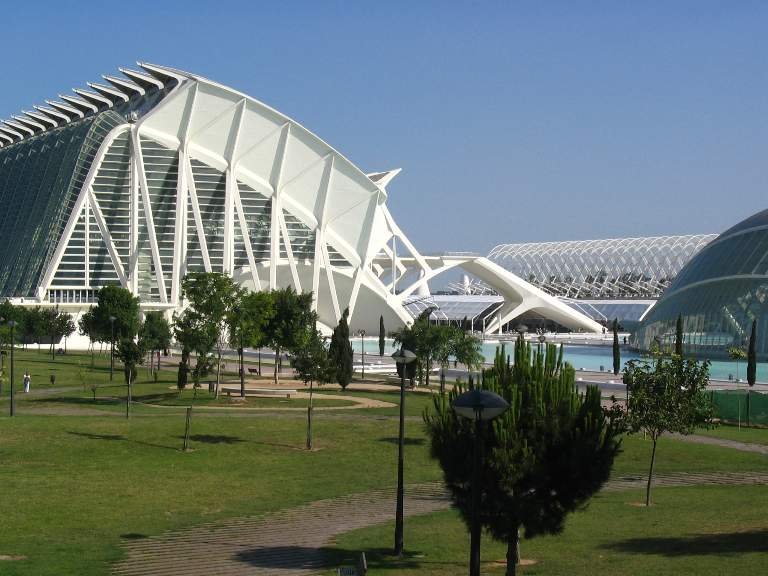
- City of Arts and Sciences A striking complex of museums, an aquarium, and performance venues. Tickets are available online or at the entrance. Open year-round with seasonal hours.
- Mercado Colón A modernist market offering gourmet foods and lively cafes (Visit Valencia).
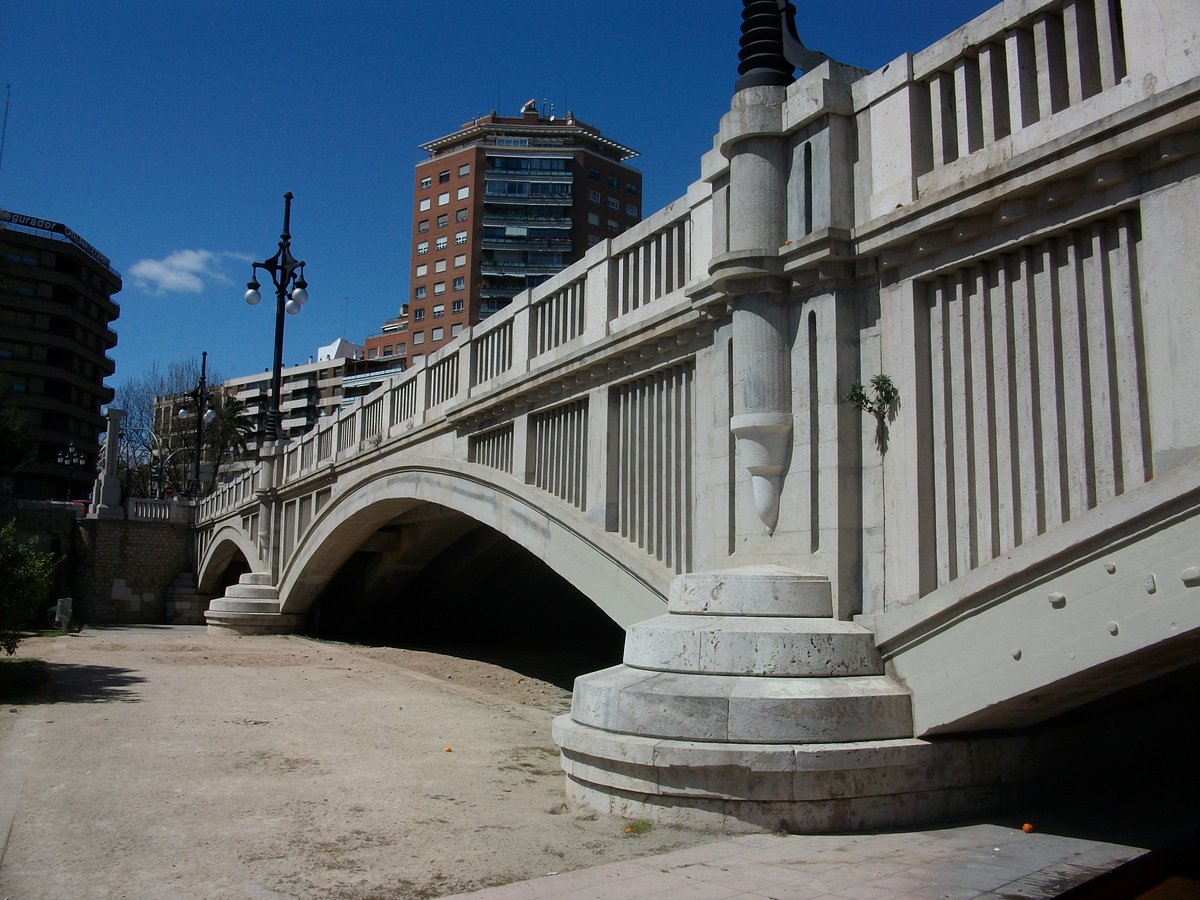
- Jardí del Túria A 9-km park perfect for walking, cycling, and cultural events, located at the avenue’s northern end.
- Museu Faller Learn about Valencia’s famous Fallas festival through preserved ninots and traditional costumes.
- Ruzafa Neighborhood Adjacent to the avenue, this area is famous for street art, cafes, nightlife, and cultural diversity (Why This Place).
- González Martí National Museum of Ceramics and Decorative Arts Housed in a baroque palace, a short walk from the avenue; check official sites for hours and ticket prices.
Architectural Highlights
- Former School of Industrial Technical Engineering (EUITI) Located at number 46, this institution represents Valencia’s technical heritage (upv.es).
- Eclectic and Rationalist Buildings The avenue showcases a blend of early- and mid-20th-century architectural styles.
Practical Information: Visiting Hours & Tickets
- Avinguda del Regne de València Open 24/7 as a public street; no entry fee or ticket required.
- Nearby Attractions Each has its own opening hours and ticketing policies. For example:
- Museu Faller Check Visit Valencia for current hours and prices.
- Mercado Colón Open daily; free entry.
- González Martí Museum Typically open Tuesday–Sunday, with tickets around €3–5.
For up-to-date details, refer to official websites or local tourist information centers.
Getting There and Accessibility
Public Transportation
- Bus Several EMT lines serve the avenue directly, connecting it with major city districts (Valencia Tourist Guide).
- Metro Stations Colón (Lines 3, 5, 7, 9) and Xàtiva (Lines 3, 5, 9) are within a 10–15 minute walk.
- Train Estació del Nord, Valencia’s main train terminal, is close by.
- Upcoming Metro Line 10 Will further improve connectivity (Wikipedia).
- Airport Valencia Airport is about 11 km away, with taxis and direct bus service.
Walking and Cycling
- Wide Sidewalks & Bike Lanes The avenue is highly pedestrian- and cyclist-friendly.
- Jardí del Túria Offers scenic cycling and walking routes to key city sites (Visit Valencia).
Accessibility
- Wheelchair Access Ramps and smooth pavements make the avenue suitable for all mobility levels.
- Public Transport Buses and metro stations are accessible.
Dining, Shopping, and Accommodation
Dining
- Along the Avenue Diverse options, from traditional tapas bars to cafes and bakeries.
- Ruzafa Renowned for gourmet tapas, international cuisine, and lively nightlife (Why This Place).
- Recommended Spot Bar Los Gallegos, a local favorite for classic Spanish fare (Hotels Valencia Spain).
Shopping
- Boutiques & Convenience Stores Fashion, gifts, and essentials line the avenue.
- Mercado Colón Artisan foods and specialty goods (Visit Valencia).
Accommodation
- Hotels and Rentals Options range from boutique hotels to short-term apartments in and around the avenue (booking.com).
- Ruzafa & Ensanche Offer alternative lodging and upscale shopping (Visit Valencia).
Events, Festivals, and Local Life
- Fallas Festival (March) Parades, fireworks, and the burning of ninots make the avenue a festive hotspot (ValenciaValencia.com).
- Public Events Year-round open-air concerts, food festivals, and parades.
- Community Activities Language schools and cultural centers along the avenue host workshops, tours, and family-friendly events.
Photographic Spots and Unique Features
- Palm-Lined Promenade Ideal for capturing the avenue’s Mediterranean charm.
- Jardí del Túria and Mercado Colón Offer scenic and architectural photography opportunities.
- Ruzafa’s Colorful Streets Perfect for street art and nightlife shots.
- Festival Scenes The avenue is especially photogenic during Fallas and other cultural celebrations.
Frequently Asked Questions (FAQ)
Q: Is there an entrance fee or restricted visiting hours for Avinguda del Regne de València?
A: No, the avenue is a public street open 24/7 and free to access.
Q: How do I get there using public transport?
A: Take EMT buses or the metro; stations Colón and Xàtiva are nearby.
Q: What are the best nearby attractions?
A: City of Arts and Sciences, Mercado Colón, Jardí del Túria, Museu Faller, and Ruzafa.
Q: Is the avenue accessible for people with disabilities?
A: Yes, with wide sidewalks, curb cuts, and accessible public transport.
Q: Are guided tours available?
A: While the avenue itself doesn’t require a ticket, many city tours include stops nearby.
Q: What’s the best time to visit?
A: Spring and autumn are ideal for weather and events; March’s Fallas festival is particularly lively.
Internal Links
- Top Attractions in Valencia’s Eixample District
- Guide to Valencia’s Ruzafa Neighborhood
- How to Explore Jardí del Túria Park by Bike