Architectural Origins and Historical Evolution
The Mercado Central de Alicante is an architectural gem, conceived during the early 20th century as part of the city’s modernization. Designed initially by Francisco Fajardo Guardiola and completed by Juan Vidal Ramos, the market blends eclectic and Modernist styles. Its rectangular layout, basilica-like floor plan, and the iconic Rotonda dome—crowned by a hemispherical structure—reflect both functional needs and artistic ambition (alicante.es, mercadosalicante.com).
The building’s facades are adorned with decorative tile mosaics, bush-hammered stone, and Modernist arches. Expansive stained-glass windows and an innovative metal framework allow for abundant natural light and ventilation, essential for the preservation of fresh food and comfort of visitors. The market is built over two main levels, ingeniously utilizing the sloping city streets to create a semi-basement and elevated ground floor (alicanteturismo.com).
The Market’s Role in Alicante’s Urban and Social Fabric
From its inauguration, Mercado Central has served as a vibrant nexus of daily life and commerce. Its location atop the remnants of the old city wall at Avenida Alfonso X El Sabio underscores its historic significance. The market’s nearly 300 stalls are organized into specialized zones—seafood, meats, fresh produce, cheeses, and baked goods—offering an unparalleled showcase of Alicante’s agricultural and maritime bounty (happylife.es).
Beyond trade, the market functions as a social institution where locals gather to shop, share stories, and partake in the region’s traditions. It is the birthplace of "tardeo alicantino," the custom of late-afternoon gatherings for tapas and drinks, which has become a defining element of Alicante’s convivial lifestyle (topinfoalicante.com).
Historical Significance: The Spanish Civil War and Plaza 25 de Mayo
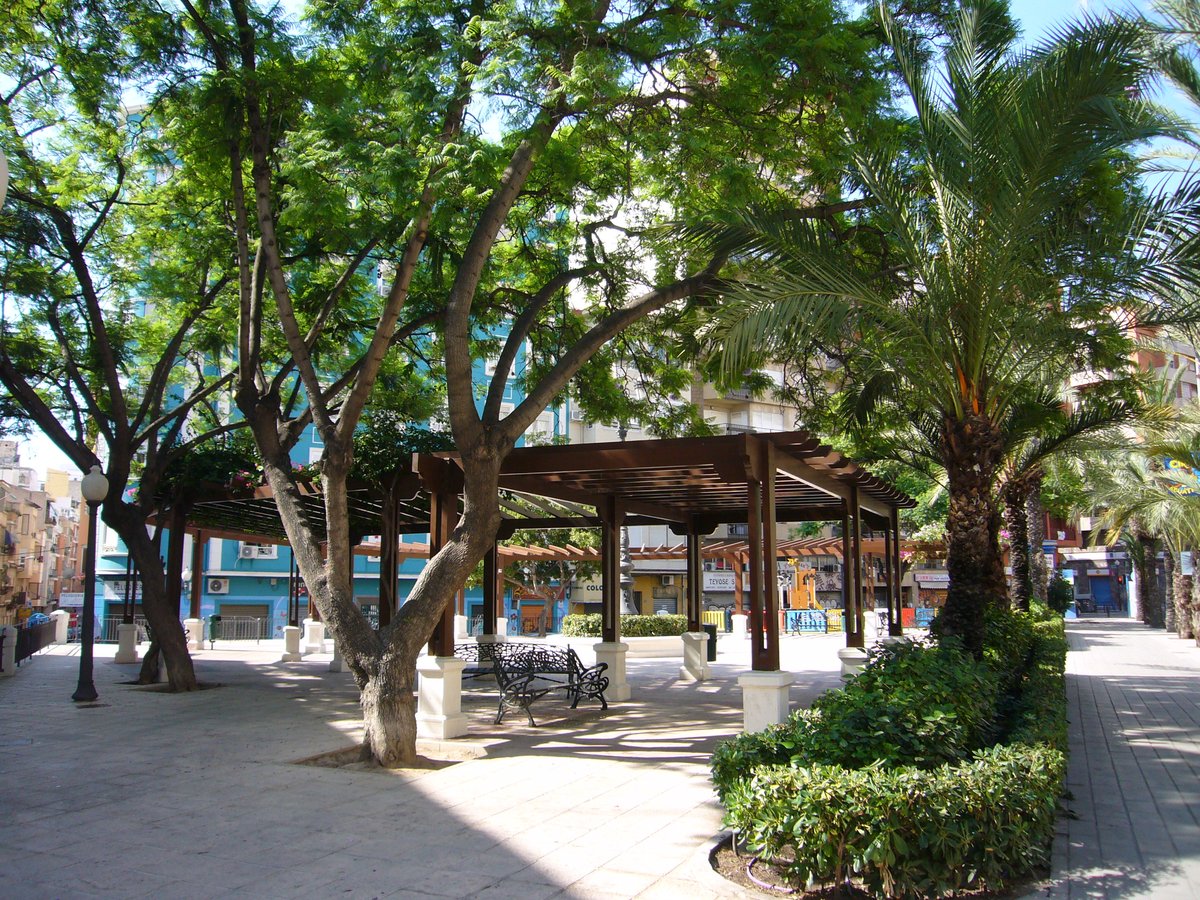
A turning point in the market’s history occurred on May 25, 1938, during the Spanish Civil War, when an aerial bombing by Italian forces devastated the area, resulting in the loss of over 300 lives (alicanteturismo.com). Today, the rear entrance opens onto Plaza 25 de Mayo, also known as Plaza de las Flores, which serves as a memorial to the victims. A commemorative plaque and the preserved clock—stopped at the moment of the bombing—stand as poignant reminders of the city’s resilience and commitment to peace.
Contemporary Importance and Gastronomic Capital
As Alicante celebrates its distinction as Spain’s Gastronomy Capital for 2025, Mercado Central remains at the epicenter of this recognition. The market’s dynamic blend of traditional and modern gastronomy continues to inspire residents and visitors alike. Recently, the Spanish postal service released a commemorative stamp featuring a local rice dish, honoring Mercado Central’s pivotal role in promoting Alicante’s culinary excellence (alicanteturismo.com).
Practical Visitor Information
Visiting Hours
- Monday to Saturday 7:00 AM – 3:00 PM (some stalls may close earlier)
- Closed on Sundays and public holidays (alicanteholidayvillas.com, welcometoalicante.info)
Tickets and Admission
- Entry is free for all visitors; no prior booking or ticket is required.
Location and Accessibility
- Address Avenida Alfonso X el Sabio, 10, 03004 Alicante, Spain
- Transport Easily accessible by TRAM (Lines 1, 2, 3, and 4, “Mercado” stop) and city buses. Public parking is available nearby, though spaces fill quickly in the morning (maralicante.com).
- Wheelchair Accessibility The market is fully accessible, with ramps, elevators, and wide aisles.
Facilities
- Amenities Public toilets, ATMs, small pharmacy, hardware store, and accessible restrooms.
- Cafés and Tapas Bars Enjoy snacks, coffee, or local wine at bars inside and around the market.
What to Buy and Sample
Mercado Central’s nearly 300 stalls offer an incredible variety of products:
- Fresh Seafood Daily catches (except Mondays) include dorada, lubina, prawns, clams, and octopus (alicanteholidayvillas.com).
- Meats and Charcuterie Jamón ibérico, chorizo, and regional specialties like longaniza de Pascua.
- Cheeses Manchego, goat cheeses, and queso fresco, often paired with honey or membrillo.
- Fruits and Vegetables Citrus, tomatoes, artichokes, almonds, and more—sourced from local farms.
- Baked Goods Coca, ensaimadas, turrón nougat, and fresh bread.
- Gourmet Products Olive oils, wines, saffron, nuts, dried fruits, and pickles.
- Flowers, Herbs, and Miscellaneous Florists, herbalists, and even a small hardware store (mercadosalicante.com).
Many vendors offer tastings, especially for cheeses, olives, and cured meats. Sampling is encouraged—just ask politely.
Etiquette and Customs
- Greet vendors with “Hola” or “Buenos días.”
- Wait your turn during busy periods, and keep a friendly attitude when bargaining or asking for samples.
- Photography is welcome, but always ask vendors before taking pictures of their stalls or products.
- Try to use reusable bags to support local sustainability efforts.
Food Safety, Hygiene, and Payment
- Hygiene standards are high Products are kept in refrigerated cases, and the market is regularly inspected.
- Payment Most stalls accept cash and cards, but it’s wise to carry some cash for smaller purchases or in case of technical issues.
- Prices are competitive Expect €10–€20/kg for prime seafood, €15–€30/kg for cured meats, and €2–€5 for produce.
Guided Tours and Special Events
Occasionally, local tourism offices and private companies offer guided tours focusing on the history, architecture, and gastronomy of the market. These may include tastings and behind-the-scenes access. Check the official tourism website or inquire at the market’s information desk for current offerings.
Nearby Attractions
Mercado Central’s central location makes it perfect for exploring other Alicante highlights:
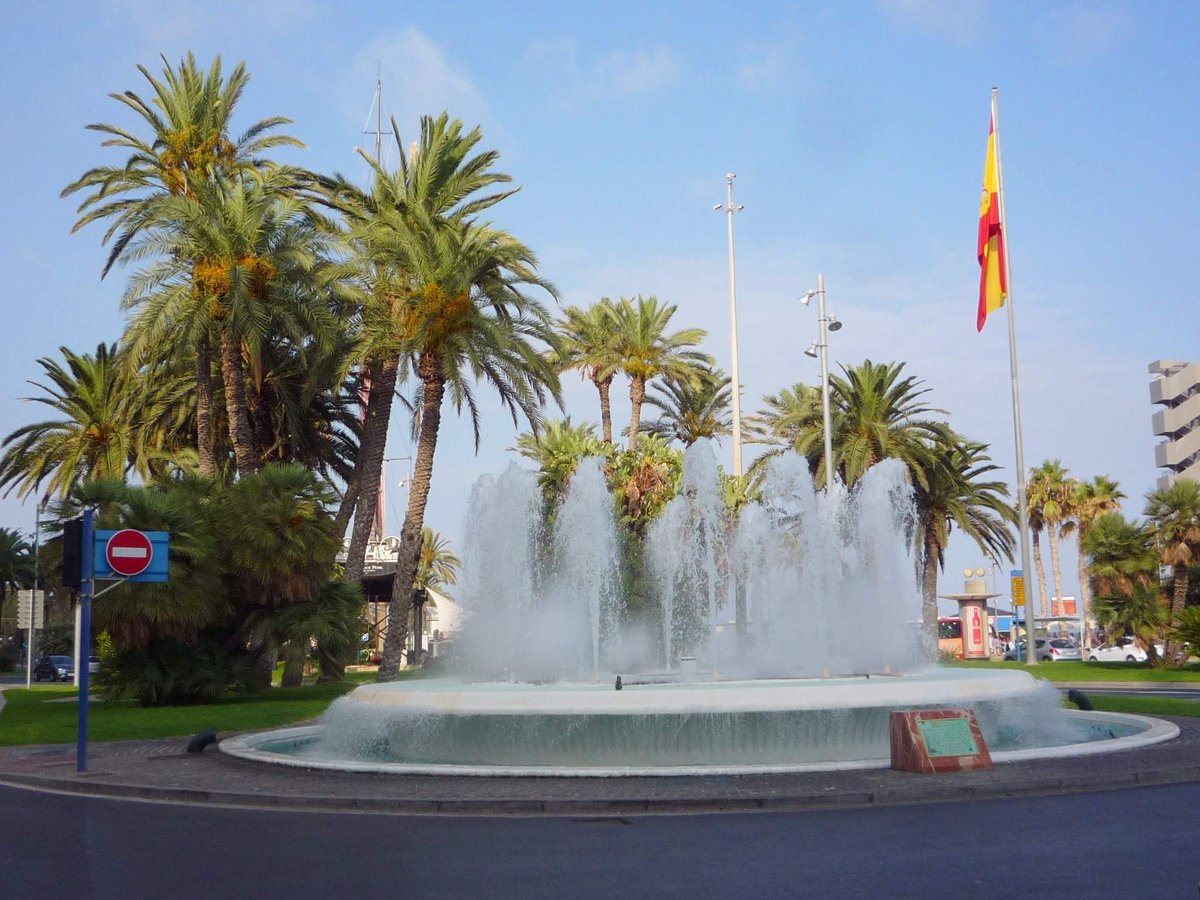
- Explanada de España The city’s iconic palm-lined promenade, ideal for a stroll.
- Barrio de Santa Cruz The colorful old town, just a short walk away.
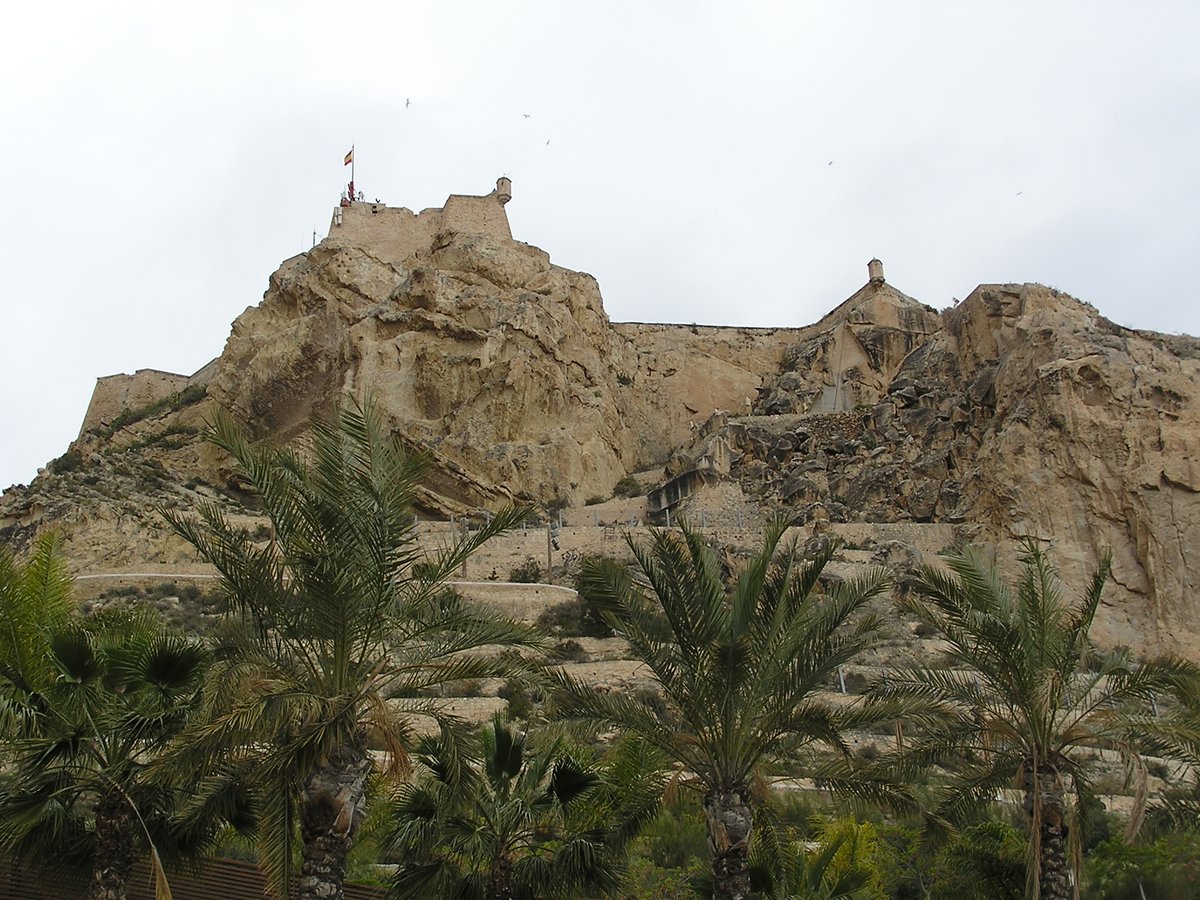
- Santa Bárbara Castle Accessible on foot or by tram, offering panoramic city views.
Surrounding the market are numerous cafés, bakeries, and tapas bars for further culinary exploration (maralicante.com).
Sustainability and Local Impact
By shopping at Mercado Central, you support local farmers, fishers, and artisans, and help preserve Alicante’s culinary traditions. The market actively promotes sustainability—reducing plastic use, favoring seasonal products, and encouraging eco-friendly practices (alicante.com).
Frequently Asked Questions (FAQ)
Q: What are the Mercado Central de Alicante visiting hours?
A: Monday to Saturday, from 7:00 AM to 3:00 PM. Closed Sundays and public holidays.
Q: Do I need tickets to enter?
A: No, entry is free.
Q: Is the market accessible for people with disabilities?
A: Yes, the market is wheelchair accessible.
Q: Are guided tours available?
A: Occasionally. Check with local tourism agencies or inquire at the information desk.
Q: When is the best time to visit?
A: Early mornings offer the freshest selection and lively atmosphere.
Q: What payment methods are accepted?
A: Most stalls accept cash and credit/debit cards.
Visuals and Virtual Experiences
- Interactive Map of Mercado Central de Alicante
- Virtual Tour of Mercado Central
Summary and Recommendations
Mercado Central de Alicante is a cornerstone of the city’s historical, architectural, and gastronomic identity. Its free entry, central location, and accessible design make it a welcoming destination for all. Whether you wish to sample the best of Alicante’s fresh seafood, savor local delicacies, or immerse yourself in the city’s vibrant culture, the market offers a feast for the senses and a unique glimpse into Alicante’s soul. Enhance your visit by joining guided tours, exploring nearby landmarks, and participating in local customs.
For the latest updates, special events, and insider tips, download the Audiala app and connect with Alicante’s dynamic market life!