History of Parc del Tossal
Origins and Early History
Parc del Tossal is steeped in history that dates back to ancient times. Situated on Mount Tossal, the site has been significant since the Roman era. The earliest known settlement can be traced back to the Iberians, who established a fortified settlement due to its strategic vantage point overlooking the Mediterranean Sea.
Roman Influence
During the Roman period, the site continued to hold strategic importance. The Romans constructed various fortifications and infrastructure, remnants of which suggest that Mount Tossal was an integral part of the Roman defense system. The Roman influence is evident in the layout and construction techniques observed in the ruins.
Medieval Period
In the 8th century, the Moors conquered the Iberian Peninsula, including Alicante. Recognizing the strategic importance of Mount Tossal, they fortified it further and constructed a castle known as Castillo de San Fernando, which played a crucial role in defending Alicante against various invasions.
The Construction of Castillo de San Fernando
During the Peninsular War in the early 19th century, Spanish authorities decided to construct a new fortification on Mount Tossal to defend against Napoleonic forces. The construction of Castillo de San Fernando began in 1813 and was completed in 1814. Although the castle never saw significant military action, it remains a symbol of the historical military architecture of the period.
Modern Development
In the 20th century, the area around Mount Tossal underwent significant transformation. The Spanish Civil War left its mark with various fortifications and bunkers constructed on the hill. After the war, the area was gradually developed into a public park, transforming Mount Tossal into Parc del Tossal as part of a broader initiative to preserve historical sites while providing recreational spaces for the public.
Visitor Information
Visiting Hours and Tickets
Parc del Tossal is open to visitors year-round. The visiting hours typically range from 9:00 AM to 8:00 PM, but it is advisable to check the official website of Alicante tourism for the most up-to-date information on hours and any special events. Entry to the park is free, but certain activities and guided tours may have associated costs.
Travel Tips
- Best Time to Visit Spring and autumn offer mild weather and fewer crowds, making it ideal for exploring the park.
- What to Wear Comfortable walking shoes and sun protection are recommended, especially during the summer months.
- Guided Tours Consider joining a guided tour to gain deeper insights into the historical significance of the site.
Nearby Attractions
- Santa Bárbara Castle Another historical site offering panoramic views of Alicante.
- Postiguet Beach A beautiful sandy beach perfect for relaxation after exploring the park.
- Alicante Museum of Contemporary Art For those interested in modern art, this museum is a must-visit.
Accessibility
Parc del Tossal is accessible to visitors with mobility issues. Paved paths and ramps make it easier to navigate the park. Informational plaques and guided tours are available, ensuring that all visitors can learn about the history of the site.
Archaeological Significance
Excavations in Parc del Tossal have uncovered artifacts from various historical periods, including Roman pottery, medieval coins, and remnants of ancient fortifications. These findings provide valuable insights into the site's continuous occupation over the centuries.
Cultural Heritage
Today, Parc del Tossal is a testament to the rich cultural heritage of Alicante. It hosts several monuments and historical structures, including the remains of Castillo de San Fernando. Visitors can explore the ruins and learn about the historical events that shaped the region. The park also hosts cultural events and festivals, celebrating the diverse history and traditions of Alicante.
Preservation Efforts
Ongoing efforts to preserve the historical and cultural heritage of Parc del Tossal include regular maintenance of the ruins, archaeological excavations, and educational programs to raise awareness about the park's historical significance.
Visitor Experience
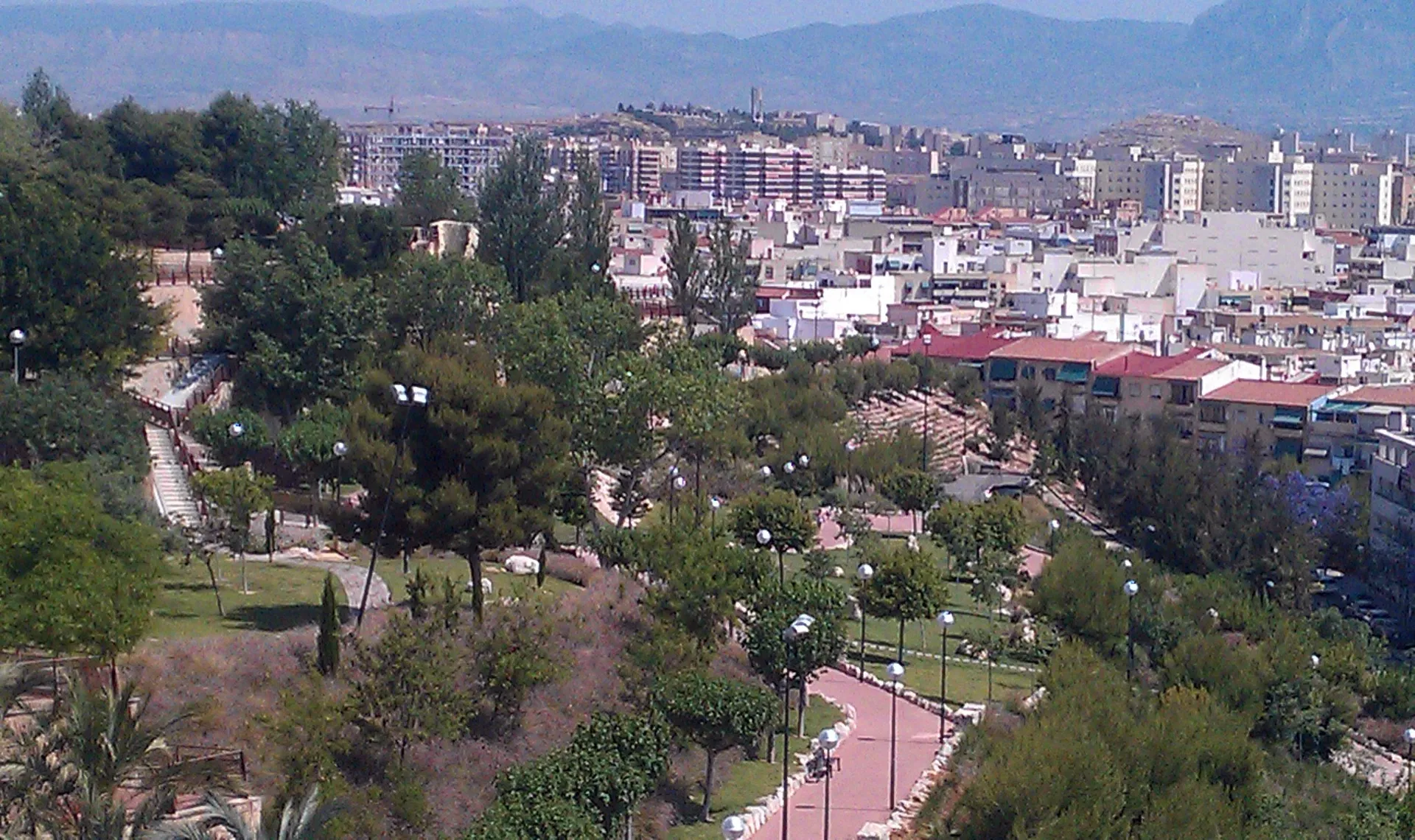
Parc del Tossal offers panoramic views of Alicante and the Mediterranean Sea, making it a popular spot for tourists and locals alike. The park features walking trails, picnic areas, and recreational facilities, making it an ideal destination for a day out. Informational plaques and guided tours are available to educate visitors about the site's history.
FAQ
Q: What are the visiting hours for Parc del Tossal? A: The park is typically open from 9:00 AM to 8:00 PM, but it's best to check the official website for the most current information.
Q: Is there an entrance fee for Parc del Tossal? A: Entry to the park is free, though some activities and guided tours may have associated costs.
Q: Are there guided tours available? A: Yes, guided tours are available and are highly recommended for those interested in the historical aspects of the park.
Q: What are some nearby attractions? A: Nearby attractions include Santa Bárbara Castle, Postiguet Beach, and the Alicante Museum of Contemporary Art.