Historical Background
Origins and Urban Development
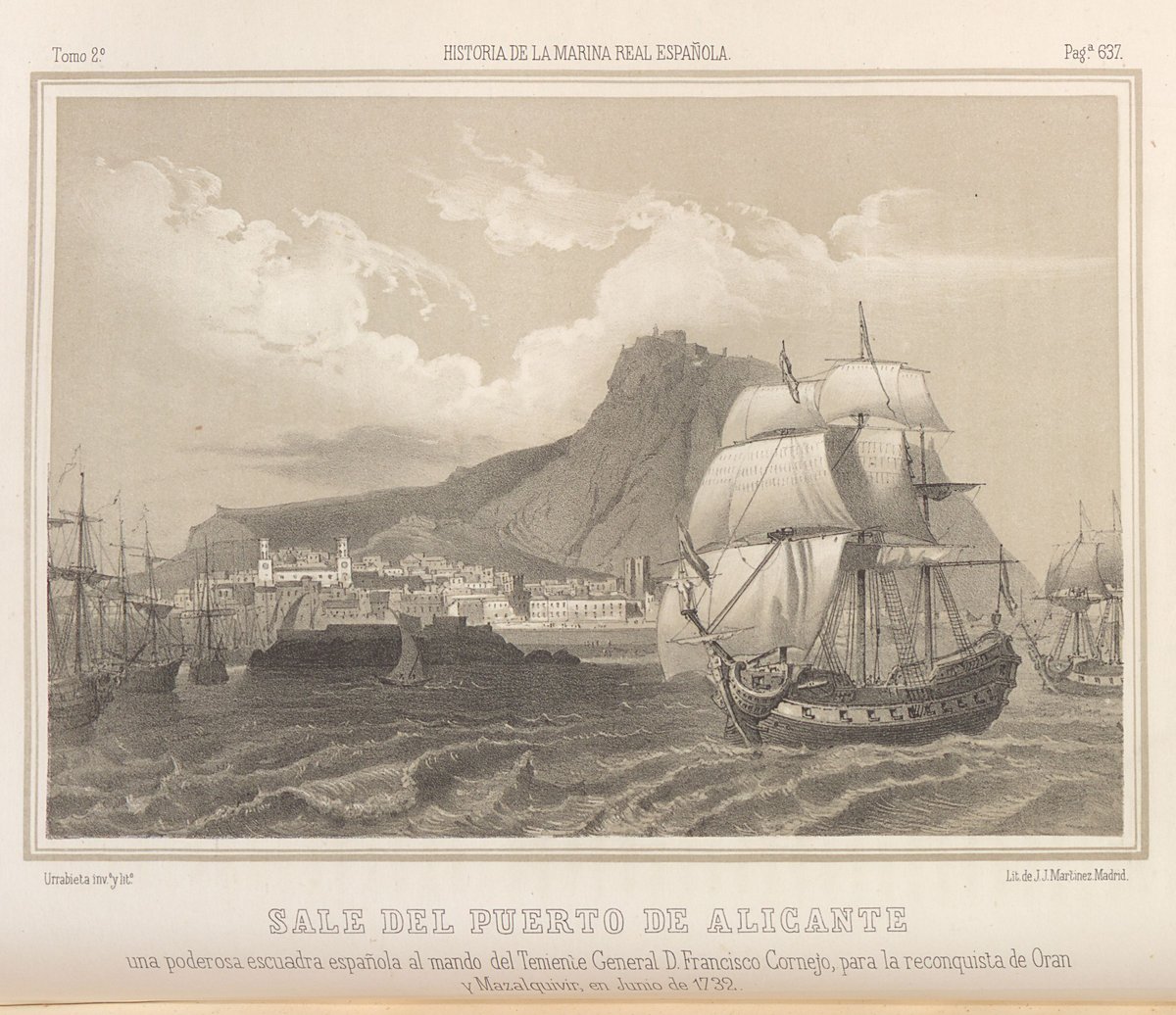
Avenida De Alcoy traces its roots to the historic road linking Alicante with the inland town of Alcoy. Its development was instrumental in Alicante’s late 19th-century expansion, integrating emerging neighborhoods and catalyzing both residential and commercial growth (callejerode.com).
Socioeconomic Significance
Historically, this avenue connected industrial zones and working-class districts, facilitating the movement of goods and people. It was central to the textile, metal, and food-processing industries that defined the region’s economic profile in the 19th and 20th centuries (comunitatvalenciana.com). Today, it thrives as a hub of local commerce and community engagement.
Urban Growth & Architecture
Avenida De Alcoy is a showcase of Alicante’s architectural evolution:
- Early 20th Century Functionalist structures with simple facades and mixed-use designs.
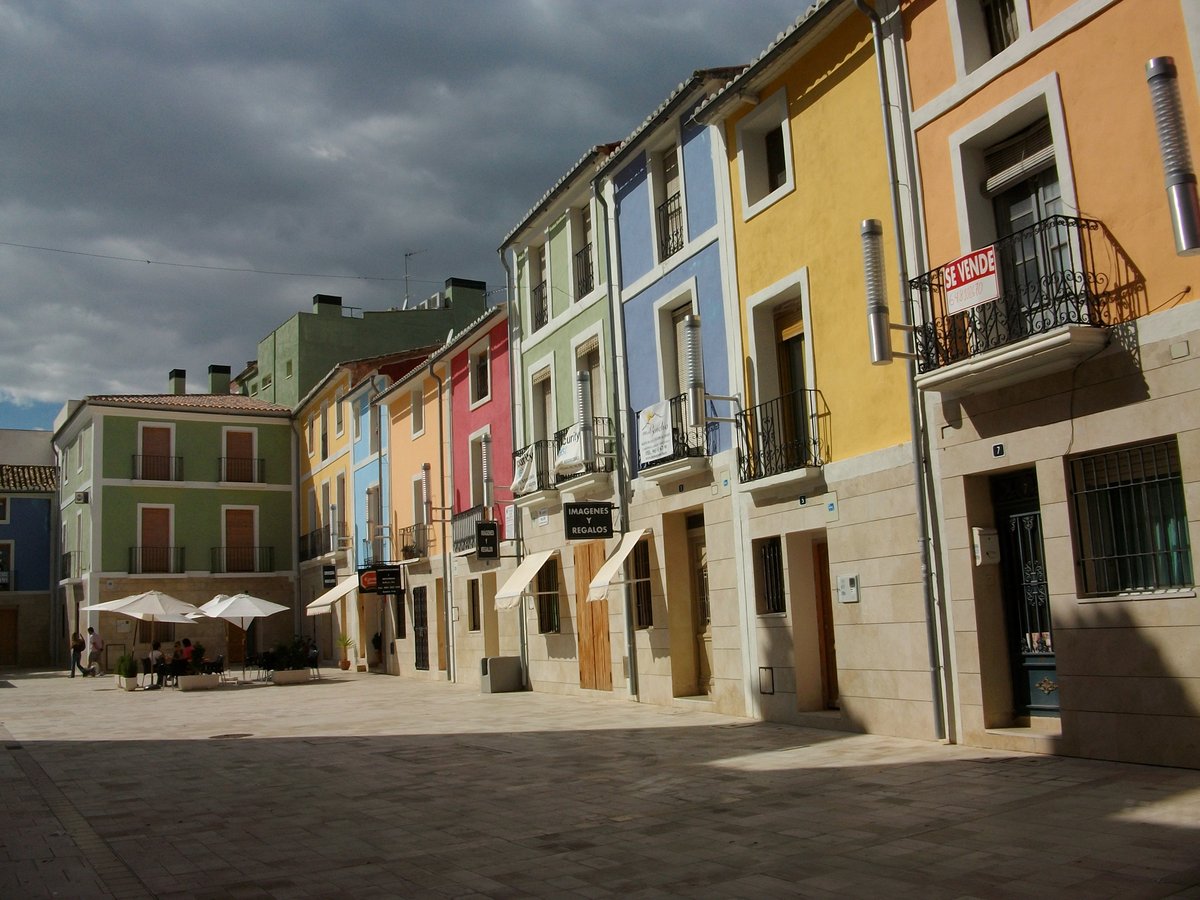
- Mid-20th Century Modernist influences, including clean lines, larger housing blocks, tree-lined sidewalks, and improved public spaces.
- Recent Decades An eclectic blend with a focus on sustainability—bike lanes, green spaces, and urban gardens (discoverwalks.com).
- Landmarks While primarily residential and commercial, the avenue offers access to modernist buildings, historic churches, and parks such as La Glorieta and Parc de Cantagallet (alicante-spain.com).
Visitor Information
Visiting Hours & Accessibility
- Open at all times Avenida De Alcoy is a public thoroughfare, accessible 24/7 with no entrance fees.
- Accessibility Features wide, wheelchair-friendly sidewalks, ramps at crossings, and tactile paving for the visually impaired.
Transportation Options
- Public Transit Served by multiple bus lines (including 01, 03, 04, 08, 09, 13, 16, 24, 24N, and 39) and the Alicante Tram L3 line, with stops such as Alcoy-Auditorio and Alicante-Luceros (Moovit).
- Taxis Readily available citywide; advance bookings possible (Alicante Turismo).
- Cycling Bike lanes and rentals are available, making cycling a popular eco-friendly option.
- Parking Ample street parking nearby.
Guided Tours & Events
- Walking Tours Several local operators offer history and architecture tours including Avenida De Alcoy and adjacent districts.
- Festivals & Fairs Annual events like the Moors and Christians Festival and Hogueras de San Juan often bring parades and cultural activities to the avenue (alcoyturismo.com).
Photographic Spots
- Highlights The tree-lined intersections, mid-century residential facades, vibrant market scenes, and festival processions offer excellent photo opportunities.
Cultural Life & Local Experiences
Festivals & Traditions
- Moors and Christians Festival Alcoy’s namesake festival is one of Spain’s most spectacular, with its spirit echoed in Alicante through parades and decorated streets (maralicante.com).
- Modernist Heritage The avenue occasionally hosts open-air art events and guided walks celebrating the region’s modernist architecture (alcoyturismo.com).
- Community Markets Regular markets and fairs offer fresh produce, regional crafts, and traditional foods (Spain.info).
Gastronomy & Cafés
- Local Flavors Sample regional dishes like “bajoques farcides” (stuffed peppers), “olleta alcoyana” (local stew), and “pericana” (dried pepper and cod salad).
- Dining Options The avenue and nearby streets are home to tapas bars, bakeries, and modern cafés. For a culinary adventure, consider a guided tapas tour (alicante.com).
Art, Parks & Street Culture
- Street Art Murals and public sculptures reflect the city’s vibrant artistic spirit.
- Green Spaces Proximity to parks, the Vía Verde cycling path, and natural reserves like Serra de Mariola and Font Roja (Camping Arena Blanca).
Nearby Attractions & Day Trips
Plaza de los Luceros
A central transport hub and festival focal point, known for its monumental fountain. Open 24/7 and the epicenter of the Hogueras de San Juan fireworks (traveltoparadiso.com).
Mercado Central de Alicante
A bustling early 20th-century market open Mon–Sat, 7:00 AM–3:00 PM. Ideal for tasting local food and picking up fresh produce (turispanish.com).
Santa Bárbara Castle
Visible from Avenida De Alcoy, this medieval fortress is open daily (10:00 AM–8:00 PM in summer, 10:00 AM–6:00 PM in winter), with free admission and panoramic views of Alicante (turispanish.com).
Recommended Day Trips
- Guadalest Mountain village with a medieval castle (ourspanishadventures.com).
- Villajoyosa Colorful seaside town famed for chocolate and beaches.
- Altea Whitewashed old town with art galleries.
- Benidorm Resort city known for its beaches and nightlife (traveltomtom.net).
- Tabarca Island Marine reserve ideal for snorkeling.
- Elche UNESCO-listed palm grove and historic center.
- Fonts d’Algar Scenic waterfalls and swimming pools (ourspanishadventures.com).
Practical Tips & Safety
- Transport Consider a bus or tram pass for city travel (turispanish.com).
- Best Seasons Spring and autumn offer the most comfortable weather and active festival calendars.
- Safety Alicante is generally safe; petty theft is rare but vigilance is advised in crowded places (HikersBay).
- Health Pharmacies are common and hospitals are accessible; travel insurance is recommended for non-EU visitors.
- Local Customs Tipping 10% is appreciated in restaurants; most establishments accept card payments.
- Emergency Dial 112 for emergencies.
Frequently Asked Questions (FAQ)
Q: What are the visiting hours for Avenida De Alcoy?
A: The avenue is open to the public at all times, with no entrance fees.
Q: Are there tickets required for any attractions?
A: The avenue itself is free; certain nearby attractions, like some museums, may have ticketed entry.
Q: Is Avenida De Alcoy accessible for people with disabilities?
A: Yes, with wide sidewalks, curb cuts, and accessible public transport.
Q: Are guided tours available?
A: Yes, several operators offer guided walking and culinary tours that include Avenida De Alcoy.
Q: What is the best way to get to Avenida De Alcoy?
A: By bus, tram, taxi, or bicycle. See Moovit for route details.
Summary & Recommendations
Avenida De Alcoy is a dynamic representation of Alicante’s history, culture, and urban vibrancy. Its open access, diverse architecture, lively festivals, and proximity to key attractions make it ideal for visitors seeking both authentic local experiences and easy city exploration. Enjoy local cuisine, participate in cultural events, and use the avenue as a springboard for discovering the wider Costa Blanca region. For up-to-date event listings and travel tips, consult official tourism resources and consider downloading the Audiala app.