Historical Significance and Origins
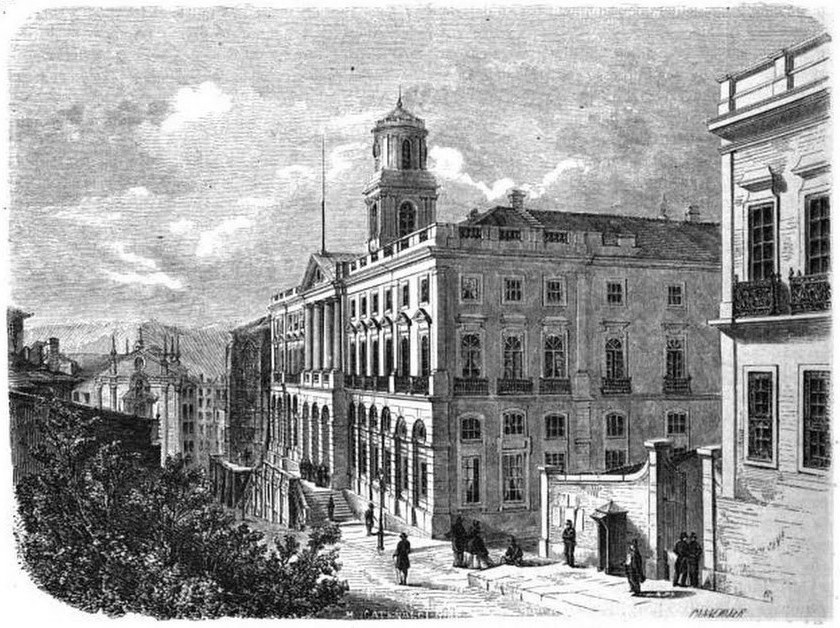
The Palacette of Belomonte is a distinguished example of Porto’s noble residences, situated on Rua de Belomonte within the UNESCO-listed historic centre (Mapcarta). The street and surrounding district have roots dating back to medieval times and are celebrated for their concentration of aristocratic houses and religious buildings (Portugal de Norte a Sul). Architectural evidence suggests the palacette was constructed during the late 18th or early 19th century, coinciding with Porto’s economic rise through the port wine trade.
Historically, the mansion was associated with the Pacheco Pereira family, serving as a gathering place for Porto’s elite. Over time, it adapted to various uses—including as the headquarters of Companhia de Ferro Através de África, a college, and a bank—mirroring Porto’s transition from aristocratic society to commercial and educational prominence (All About Portugal; Wikipedia).
Architectural Highlights
The Palacette of Belomonte is a quintessential example of Porto’s urban palatial architecture, blending neoclassical and baroque influences:
- Symmetrical granite façades with refined decorative elements and wrought iron balconies.
- Grand entrance often marked by ornate stonework and, historically, a family crest.
- Stuccoed ceilings, traditional Portuguese azulejo tilework, and decorative plasterwork in principal rooms.
- Elegant staircases with wrought iron railings and marble fireplaces.
- Private interior courtyards and garden spaces offering tranquil retreats.
Its harmonious integration with the surrounding historic architecture enhances the unique ambiance of Rua de Belomonte and the broader Porto cityscape (Meet Porto; Scenic Route Traveler).
Visitor Information: Hours, Tickets, and Accessibility
Visiting Hours
The Palacette of Belomonte does not operate as a public museum with regular visiting hours. Instead, it is accessible via:
- Private events and cultural exhibitions
- Occasional guided tours by appointment
- Boutique accommodations (notably Belomonte 20 Apartments), which grant guests limited access to historic areas
It is recommended to contact the property management or local tourism offices in advance for information on tour availability and special open days.
Tickets
There are no standard ticket sales for general public entry. Ticketing may apply for special events, cultural exhibitions, or guided group tours. Guests of affiliated accommodations may have access included in their stay.
Accessibility
- Ground floor areas and some reception rooms are wheelchair accessible.
- Historic features (such as staircases and cobblestone streets) may limit access to upper levels and some outdoor areas.
- Visitors with mobility needs should contact the venue in advance to discuss available assistance.
Guided Tours, Events, and Photography
Guided Tours
- Guided tours are occasionally available in multiple languages and provide in-depth insights into the palacette’s architecture and history.
- Tours may be scheduled through local tourism offices, event organizers, or directly with the property.
Special Events
- The palacette is used for art exhibitions, concerts, and private functions, offering unique opportunities to experience its historic ambiance.
- Check local event listings or the palacette’s management for upcoming events.
Photography
- The exterior façade and Rua de Belomonte are excellent for photography, especially in natural daylight.
- Photography inside may be allowed during events or tours; permission should be sought, and flash or tripod use may be restricted.
Nearby Attractions and Travel Tips
Major Nearby Sites
- Palácio da Bolsa Porto’s historic stock exchange palace.
- Church of São Francisco Renowned for its Gothic architecture and gilded baroque interiors.
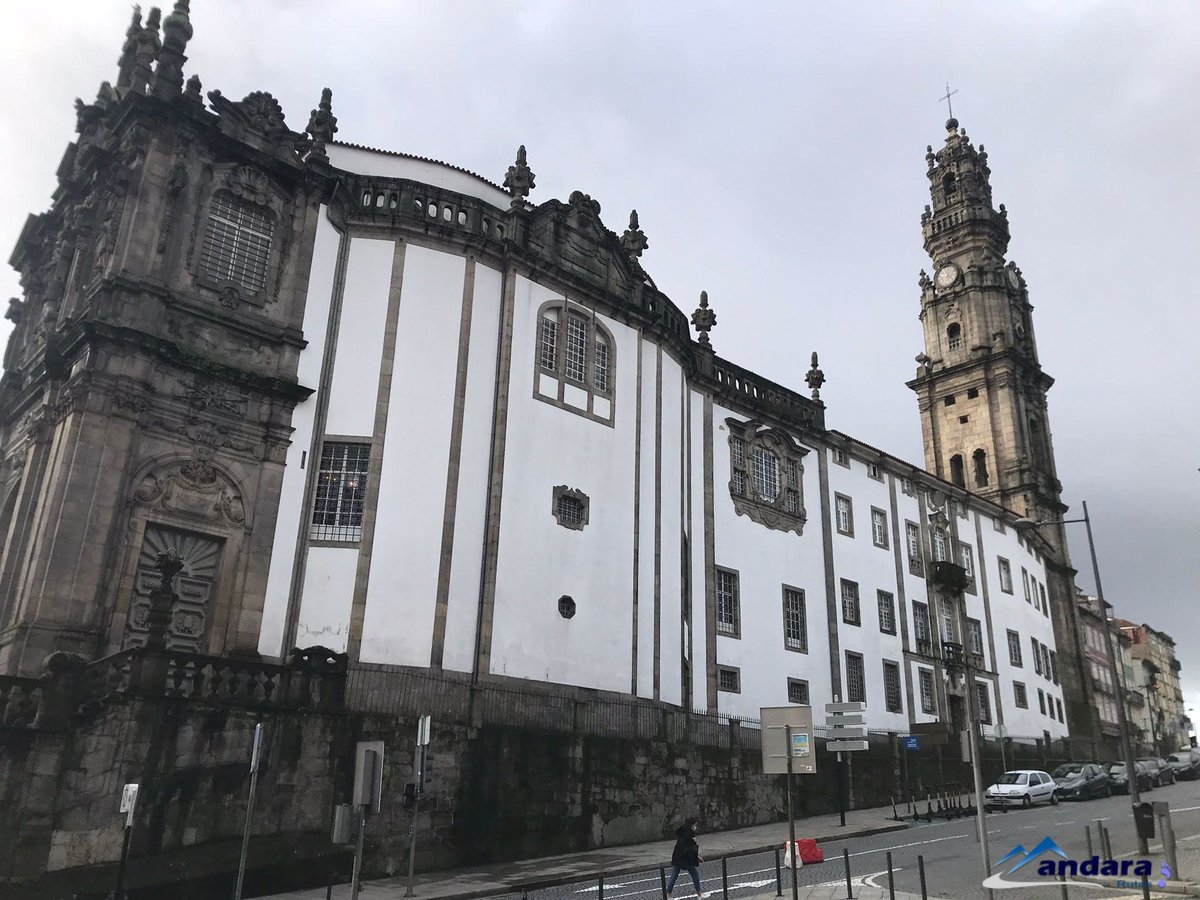
- Clérigos Tower Iconic baroque bell tower with panoramic city views.
- Cais da Ribeira Colorful riverside quarter.
- São Bento Railway Station Famous for its azulejo tile murals.
- Casa do Infante Museum and historic house.
Getting There
- Centrally located within Porto’s walkable historic core.
- Easily accessible by bus, tram, or metro, with transport links nearby.
- Wear sturdy shoes Porto’s steep, cobbled streets can be challenging.
Accommodation and Dining
- Belomonte 20 Apartments Offers boutique accommodation in the palacette setting.
- Numerous dining options—from traditional tascas to upscale restaurants—are within walking distance.
FAQ
Q: Are there regular visiting hours?
A: No, the Palacette of Belomonte is not a public museum. Access is mainly via private events, tours, or boutique accommodation (All About Portugal).
Q: How can I visit the palacette?
A: Book a stay at Belomonte 20 Apartments, inquire about upcoming cultural events, or check with local tourism offices for guided tour opportunities.
Q: Is the site accessible for people with mobility impairments?
A: Ground floor and select areas are accessible, but some historic features may present challenges. Contact ahead for details.
Q: Can I take photos inside?
A: Photography is generally allowed during tours or events, but restrictions may apply.
Q: What other attractions are nearby?
A: Palácio da Bolsa, Church of São Francisco, Clérigos Tower, and the picturesque Ribeira district.
Summary and Visitor Recommendations
The Palacette of Belomonte encapsulates Porto’s aristocratic heritage and architectural elegance. As a distinguished historic residence, it reflects the city’s social evolution and enduring craftsmanship. While not open to the public on a regular basis, the palacette invites visitors through boutique accommodation, special cultural events, and guided tours that reveal its refined interiors and storied past.
Situated amidst Porto’s UNESCO-listed historic centre and close to major landmarks, the palacette offers a unique vantage point to appreciate the city’s layered history. Plan your visit by checking for upcoming events or accommodation options, and consult official tourism resources for the latest access and ticketing information.
For an enriched experience, download the Audiala app for travel guides and event updates, and follow local social media channels for news on special openings and cultural happenings.