
Origins and Urban Context
The Elevador da Ribeira was introduced in 1994 as a creative solution to Porto’s steep and narrow urban landscape. Strategically linking the Cais da Ribeira at the riverfront with the Barredo neighborhood above, it helps residents and visitors overcome the area’s formidable elevation, supporting both daily commutes and leisurely exploration (madaboutporto.com; virginia-duran.com).
The elevator arose from broader urban accessibility initiatives and complements other vertical transit systems like the Funicular dos Guindais and Elevador da Sé (Porto.pt). These projects collectively enhance Porto’s walkability while preserving its distinct architectural heritage.
Architectural Design and Construction
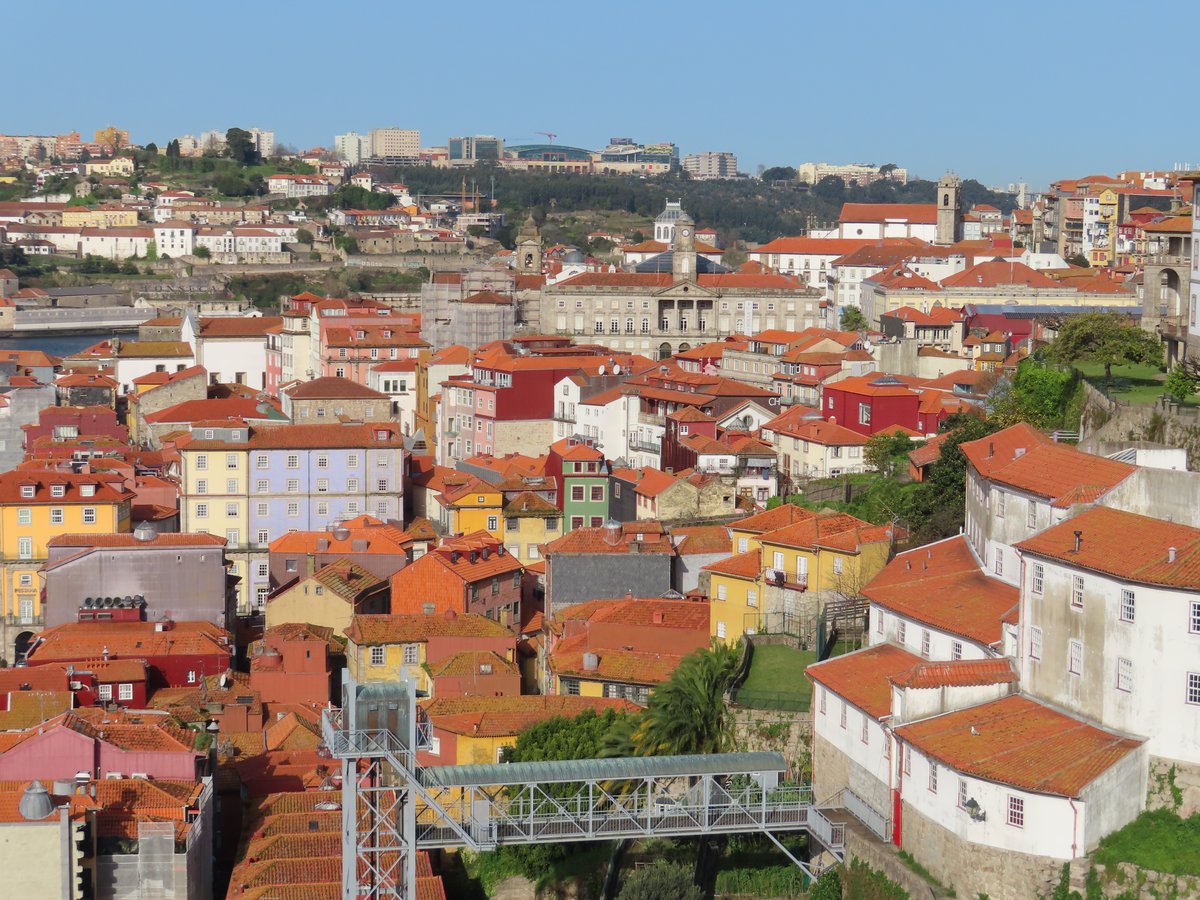
Designed by architect António Moura, the Elevador da Ribeira is an exemplary model of modern intervention within a historic setting. Its minimalist metal tower and wooden footbridge blend harmoniously with the surrounding granite buildings and medieval streets. The structure’s glass and steel elements allow natural light and offer panoramic views, all while maintaining a subtle presence in the cityscape (virginia-duran.com; ArchDaily).
Historical Significance and Urban Impact
The elevator’s construction marked a turning point in the revitalization of the Ribeira district, once suffering from depopulation and neglect. By improving accessibility, it has catalyzed the area’s resurgence as one of Porto’s most vibrant hubs, supporting both local businesses and tourism. The Elevador da Ribeira stands as a symbol of Porto’s commitment to inclusivity and thoughtful urban regeneration (madaboutporto.com; Jornal de Notícias).
Technical Features and Operation
- Structure The elevator consists of a 33.9-meter-high metal tower topped by a 20-meter wooden footbridge (Agenda Cultural Porto).
- Capacity Accommodates small groups for frequent, short trips—ideal for steady visitor flow (Oporto.es).
- Ride Experience The ascent is brief (less than a minute), offering sweeping views through glass panels.
- Safety Monitored by security personnel and equipped with emergency features.
Visiting Hours and Ticket Information
- Operating Hours Generally Monday to Friday, 08:00–20:00. Hours may vary seasonally or during holidays—always check Agenda Cultural Porto or local signage for current times.
- Free Access No tickets are required. The elevator is completely free, emphasizing its civic role (HeyPorto; Oporto.es).
- Holiday Schedules During events like São João, hours may be extended.
Accessibility and Facilities
- Location Lower entrance at Rua da Lada, near Largo dos Arcos da Ribeira and close to the Dom Luís I Bridge. The upper exit leads to the Barredo neighborhood.
- Mobility The lift offers step-free entry and exit, suitable for people with reduced mobility and wheelchair users. Note: the Barredo exit area features some stairs and narrow alleys (Oporto.es).
- Luggage and Strollers Small luggage and strollers are allowed; however, navigating the upper neighborhood with larger items can be challenging.
- Pets Small pets are permitted; keep them leashed.
Nearby Attractions and Photo Spots
- Dom Luís I Bridge Iconic double-deck iron bridge, just steps away.
- Ribeira District Lively riverside area filled with cafes, restaurants, and colorful facades.
- Barredo Neighborhood Offers a quieter, authentic glimpse of old Porto.
- Port Wine Cellars Across the river in Vila Nova de Gaia, easily accessed via Dom Luís I Bridge.
- São Francisco Church and Sé Cathedral Both within walking distance.
The elevator’s vantage points and glass panels provide excellent opportunities for panoramic photography, especially during early morning or late afternoon (Oporto.es; HeyPorto).
Integration with Porto’s Vertical Transport Network
The Elevador da Ribeira complements other vertical transit solutions in Porto, such as the Funicular dos Guindais and the Elevador da Sé. Each system addresses specific topographical challenges, collectively improving pedestrian connectivity while preserving historic character (virginia-duran.com; Porto.pt).
Environmental and Social Impact
By encouraging pedestrian movement and reducing short car journeys, the elevator supports Porto’s sustainability goals. It also fosters local commerce and inclusivity by making the historic district more accessible for all age groups and abilities (Porto Ambiente; Porto City Council).
Visitor Tips and FAQs
Tips for a Smooth Visit:
- Visit early or late in the day for fewer crowds and optimal lighting.
- Check weather conditions, as the upper platform is exposed.
- Look for the small passageway and the metal tower as landmarks when finding the entrance.
Frequently Asked Questions:
Q: What are the visiting hours?
A: Generally Monday–Friday, 08:00–20:00; check for seasonal or holiday changes.
Q: Is there a fee to use the elevator?
A: No, it is free of charge.
Q: Is it accessible for wheelchair users?
A: Yes, although the upper neighborhood may have some stairs.
Q: Can I bring luggage or a stroller?
A: Yes, but large items may be challenging in Barredo’s narrow alleys.
Q: How do I find the entrance?
A: At Rua da Lada, near Largo dos Arcos da Ribeira, close to Dom Luís I Bridge.
Visual Aids and Interactive Elements


Interactive Map: Explore Elevador da Ribeira location and surroundings