1. History and Urban Transformation
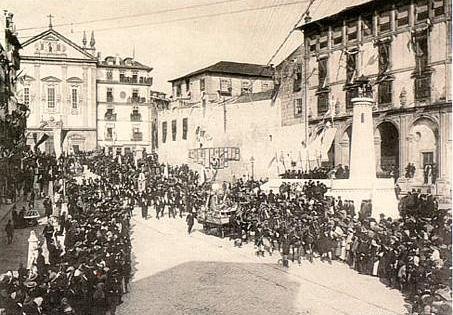
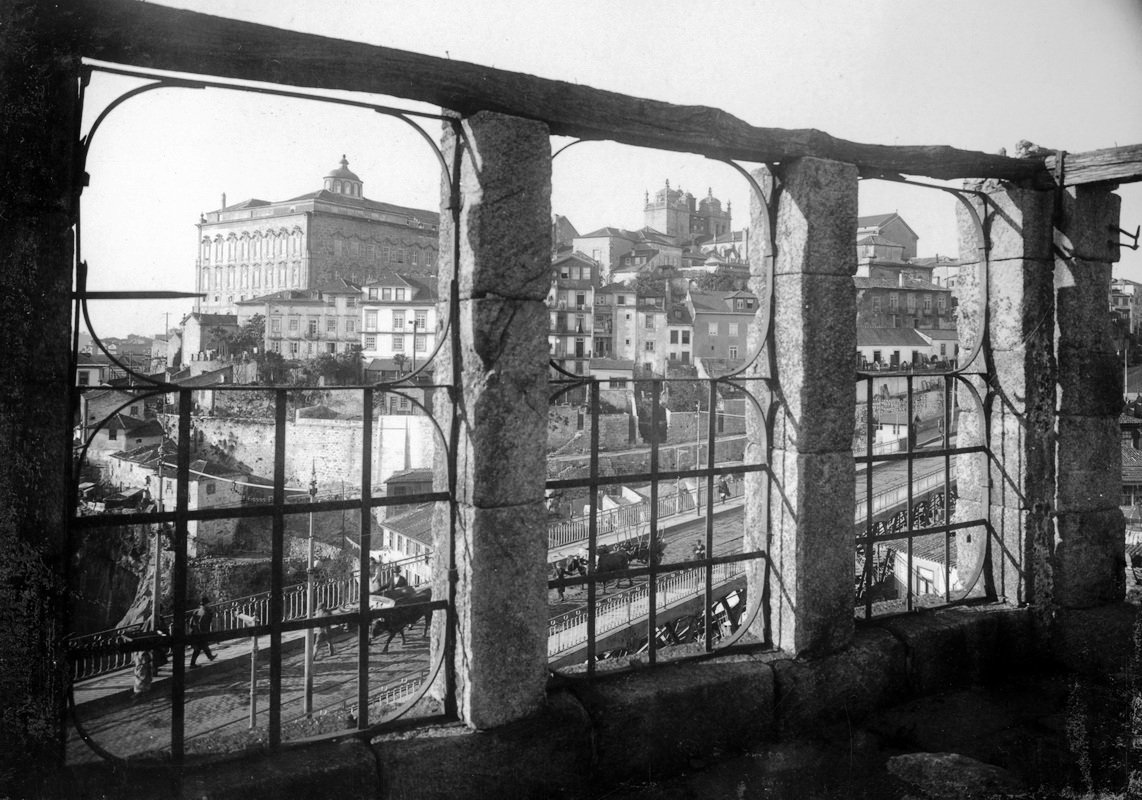
The creation of Avenida dos Aliados marked Porto’s leap into modernity. Prior to the avenue’s construction, the area consisted of narrow, bustling streets and alleys known as “the washhouses” (lavadouros), including Rua de D. Pedro and Rua do Laranjal (tasteporto.com). The transformation began in 1916, signaled by the ceremonial demolition of the old baroque mansion in Praça da Liberdade, attended by the President of the Republic, Bernardino Machado (theportuguesecorner.com).
Barry Parker, a British architect, initially designed the avenue’s layout in 1915, but the final execution reflected Parisian Beaux-Arts grandeur, thanks to a team of architects influenced by French urbanism (localporto.com).
2. Architectural Highlights and Key Figures
Avenida dos Aliados is lined with grand granite edifices, originally commissioned by banks, insurance companies, and luxury hotels. These structures, often crowned with lanterns, domes, and spires, showcase Beaux-Arts, Art Nouveau, and Art Deco influences. Key architects include Marques da Silva, responsible for São Bento Station and buildings at the southern limit, and Correia da Silva, who designed City Hall, later completed by Carlos Ramos (madaboutporto.com).
The avenue underwent a major redesign in 2005 by Álvaro Siza Vieira and Eduardo Souto de Moura, replacing gardens with granite paving to accommodate large-scale civic events (tasteporto.com).
3. Monuments and Artistic Heritage
The southern end of Avenida dos Aliados features the equestrian statue of King Pedro IV, representing liberalism and Porto’s gratitude. Sculptures like “A Juventude” by Henrique Moreira and artistic reliefs on City Hall’s façade celebrate the city’s industrial heritage (theportuguesecorner.com). The City Hall’s 70-meter tower dominates the skyline, a symbol of Porto’s civic aspirations (ulysses.travel).
4. Visiting Hours and Tickets
- Avenida dos Aliados Open 24/7, as a public boulevard with no entrance fee.
- Porto City Hall Open Monday–Friday, typically 9:00 AM–5:00 PM. Guided tours may require advance booking and a ticket (Porto City Hall Official Site).
- Nearby attractions (e.g., São Bento Station): Open daily, free entry.
Guided tours focusing on architectural and historical highlights are available from several providers, with tickets ranging from €10–€25 (GPSmyCity).
5. Accessibility and Transportation
Avenida dos Aliados is centrally located and easily accessible:
- Metro Aliados station (Line D, yellow) serves the avenue directly.
- Buses Multiple lines stop nearby.
- Walking The avenue’s wide sidewalks and flat paving are wheelchair-friendly; ramps are available at most crossings.
- Parking Nearby underground garages (e.g., Trindade, Cardosas).
6. Events and Cultural Life
Avenida dos Aliados is Porto’s epicenter for public celebrations:
- São João Festival (June): Street parties, music, and fireworks (porto.travel).
- Queima das Fitas Academic festival with the Monumental Serenata Fado event.
- New Year’s Eve Live music and fireworks.
- Sporting victories and political events Major gatherings and parades.
Check city event calendars for up-to-date schedules (Agenda Cultural Porto).
7. Nearby Attractions
- São Bento Station Renowned for azulejo tile murals.
- Clérigos Tower Panoramic city views.
- Livraria Lello Historic bookstore.
- Ribeira District UNESCO heritage, riverfront dining.
- Rua de Santa Catarina Main shopping street.
8. Travel Tips and Visitor Information
- When to visit Early mornings or late afternoons for best lighting and fewer crowds. Spring and autumn offer mild weather.
- Dining Numerous cafés and restaurants with outdoor seating.
- Shopping From luxury boutiques to traditional Portuguese stores.
- Safety Generally safe, though caution is advised during crowded events for pickpocketing.
- Wi-Fi Available in most cafés, hotels, and public spaces.
9. Frequently Asked Questions (FAQ)
Q: Is Avenida dos Aliados open 24/7?
A: Yes, it’s a public space open at all times.
Q: Are tickets required for entry?
A: No tickets are needed for the avenue itself; some buildings or guided tours may require them.
Q: Is the area accessible for people with disabilities?
A: Yes, with smooth pavements, ramps, and accessible public transport.
Q: What are the nearby must-see attractions?
A: São Bento Station, Clérigos Tower, Livraria Lello, Ribeira District.
Q: Are guided tours available?
A: Yes, several companies offer historical and architectural tours, bookable online.