


Place
Portugal Updated Oct 2026
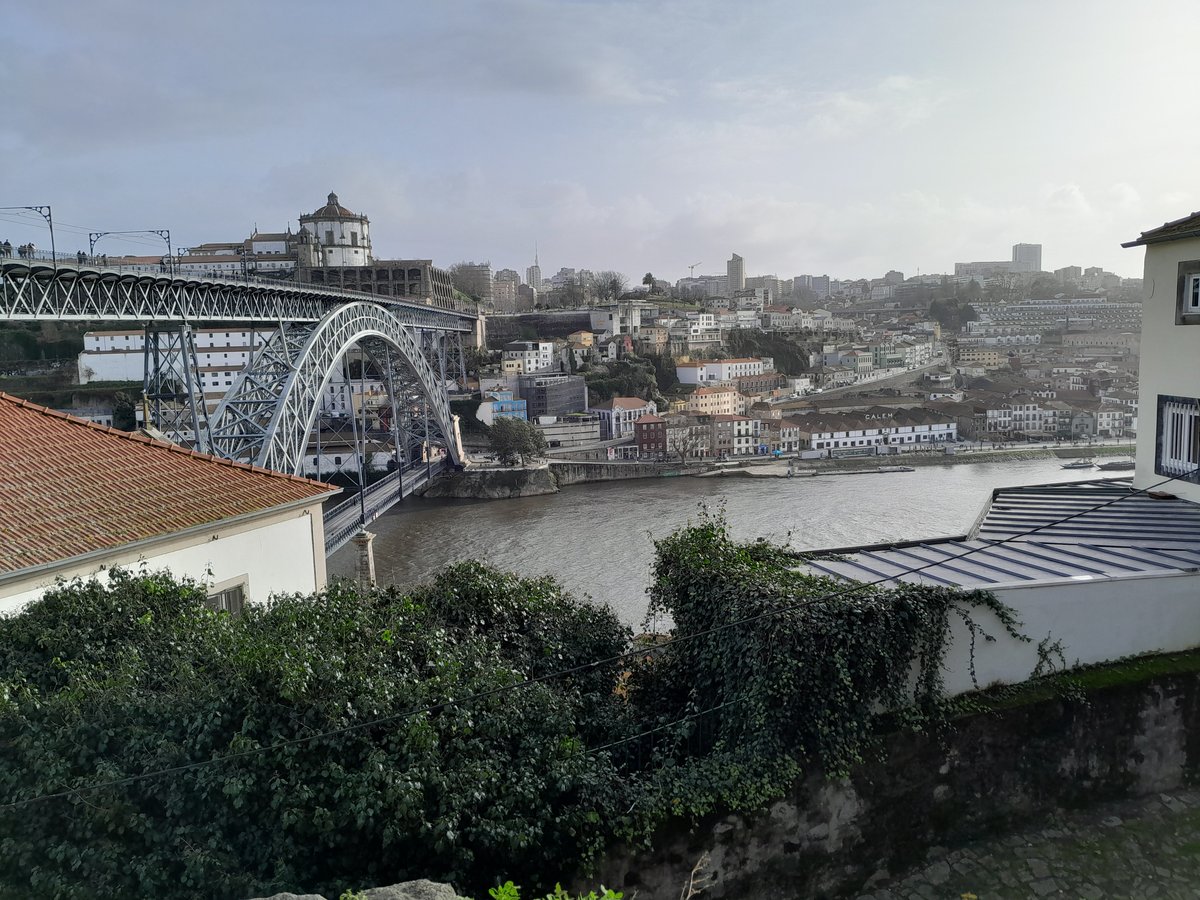
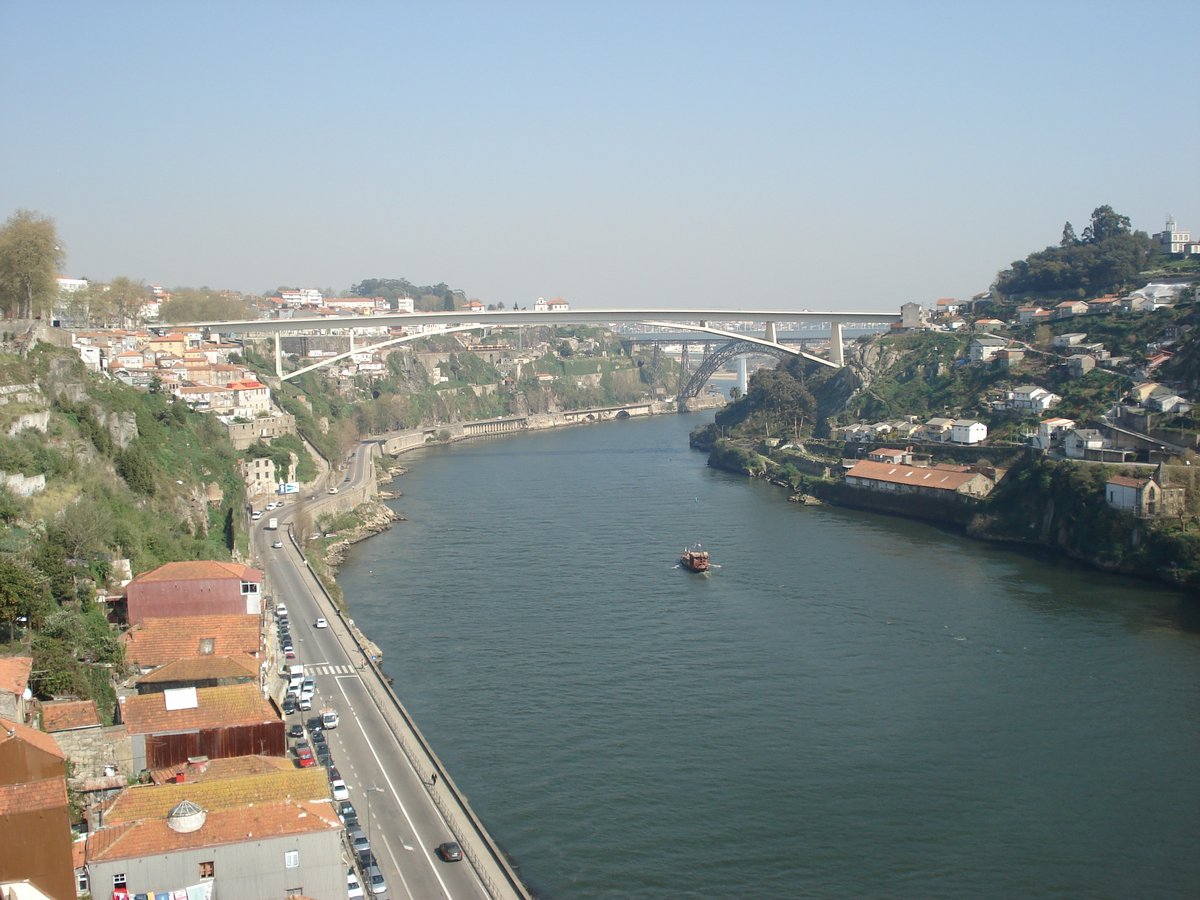
A metro train rattles over Porto’s Dom Luís I Bridge; below, the Douro slips between steep banks of tile and granite. In Porto, Portugal, engineering feels intimate: the bridge’s iron ribs frame a riverfront made for crossing, lingering and watching the light change. Come ready to climb.
 Photo: Pixabay / Pexels
Built from cited sources · see the method · How we make our guides →
The historic center, recognized by UNESCO, packs a Romanesque cathedral, Baroque churches and iron bridges onto a steep sweep of streets. At São Bento station, roughly 20,000 blue-and-white azulejos by Jorge Colaço turn the entrance hall into a history told in tile.
Porto’s table is as rooted in local lore as its architecture: try a francesinha under its thick, spicy sauce, or tripe stew, the dish behind the proud nickname tripeiros. On the night of June 23, São João fills the streets with grilled sardines, squeaky plastic hammers and fireworks above the river.
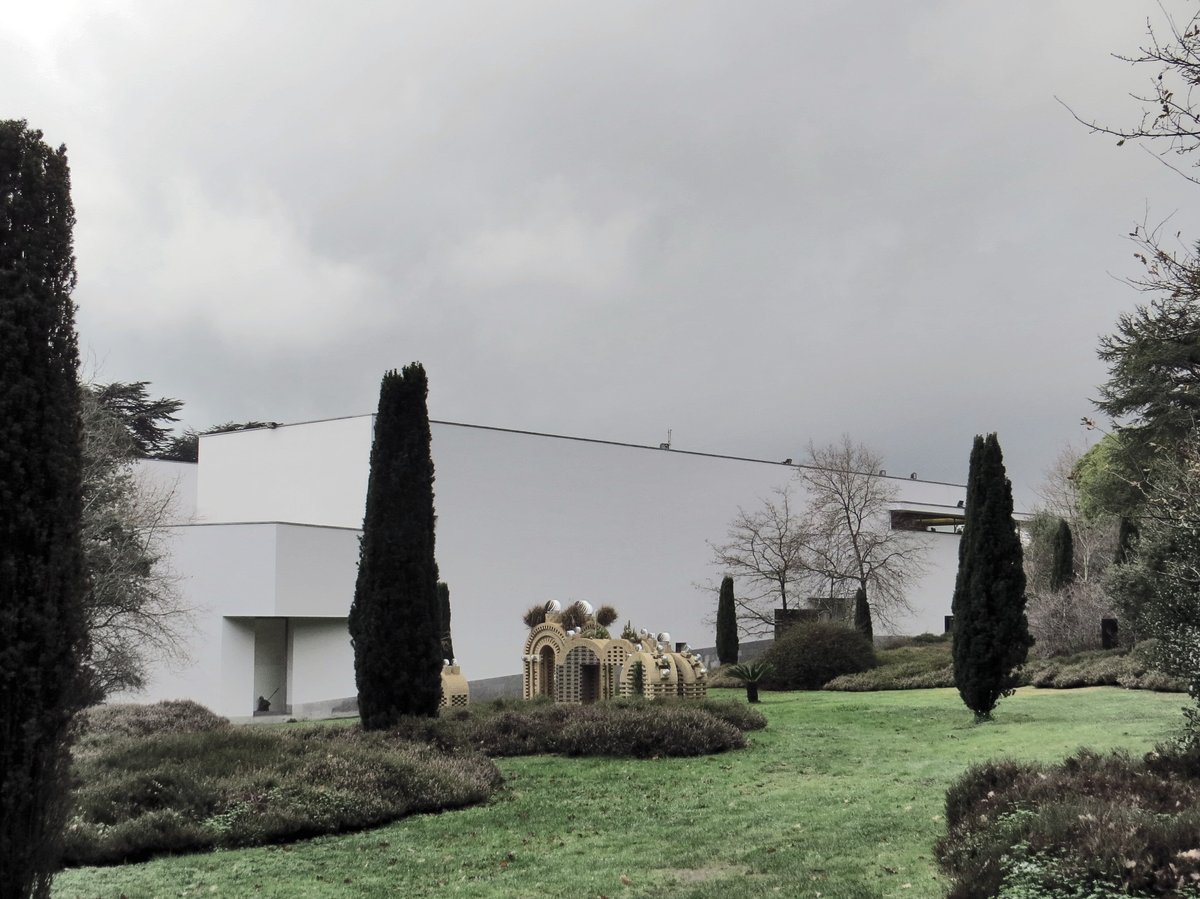
The city keeps changing register beyond its old core: galleries gather on Rua Miguel Bombarda, Álvaro Siza designed the Serralves museum, and Rem Koolhaas gave Casa da Música its faceted form. By dusk, the Dom Luís I Bridge looks less like a frame for the view than a street in the sky.
Not every monument, just the ones we'd walk you past ourselves.


Where to wander, by quarter — each with its own rhythm.
Before you go
Curated from places in this city. Same price as official sites.

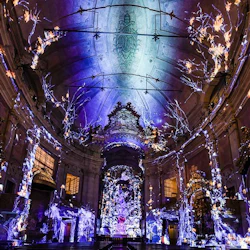


Prices shown are indicative — final pricing and availability are confirmed at checkout. Audiala may receive a commission from bookings made via these links.
From Roman harbor to the Unvanquished City
By the first century BCE, a Roman settlement called Portus Cale had taken root near the Douro’s mouth, beside an older community whose history is less firmly documented. The river brought traders, ships, and the name that would eventually give Portugal its own.
As Roman authority faded, the Suebi established a kingdom across Gallaecia, with its capital at Braga. Portus Cale remained a river port, though the old imperial trade network had begun to contract.
Muslim armies crossed into Iberia, and the northwestern region entered a long period of shifting power. The record of Portucale itself is thin; most scholars place it in a frontier zone rather than claim a clear, lasting change of rule.
In 868, Vímara Peres led the Christian reconquest of Portucale for Alfonso III of Asturias and became its count. His rule helped establish the County of Portugal, whose name and territory would grow far beyond the Douro.
Construction began on Porto’s Romanesque cathedral atop Pena Ventosa, the steep hill above the river. Its heavy walls gave the bishop’s seat the feel of a fortress, a quality softened over the centuries by Gothic cloisters and Baroque additions.
Under King Ferdinand I, a larger circuit of stone walls enclosed the city’s expanding streets and riverfront. The Fernandine Walls replaced an older, tighter boundary; fragments still cling to the slopes above the Douro.
Prince Henry, later called the Navigator, was born in Porto at the royal customs house now known as the Casa do Infante. The building’s ledgers and stone rooms recall the commercial city behind Portugal’s later ocean voyages.
Porto supplied men and provisions for the Portuguese expedition that captured Ceuta in North Africa, an early milestone in the country’s overseas expansion. Local tradition says residents gave the fleet their meat and kept only tripe, earning the name tripeiros; the story lives on in the city’s signature dish.
The Methuen Treaty gave Portuguese wines favorable access to English markets in exchange for lower duties on English textiles. Porto and Vila Nova de Gaia became the commercial hinges of a trade carried downriver in flat-bottomed boats and stored in cool riverside cellars.
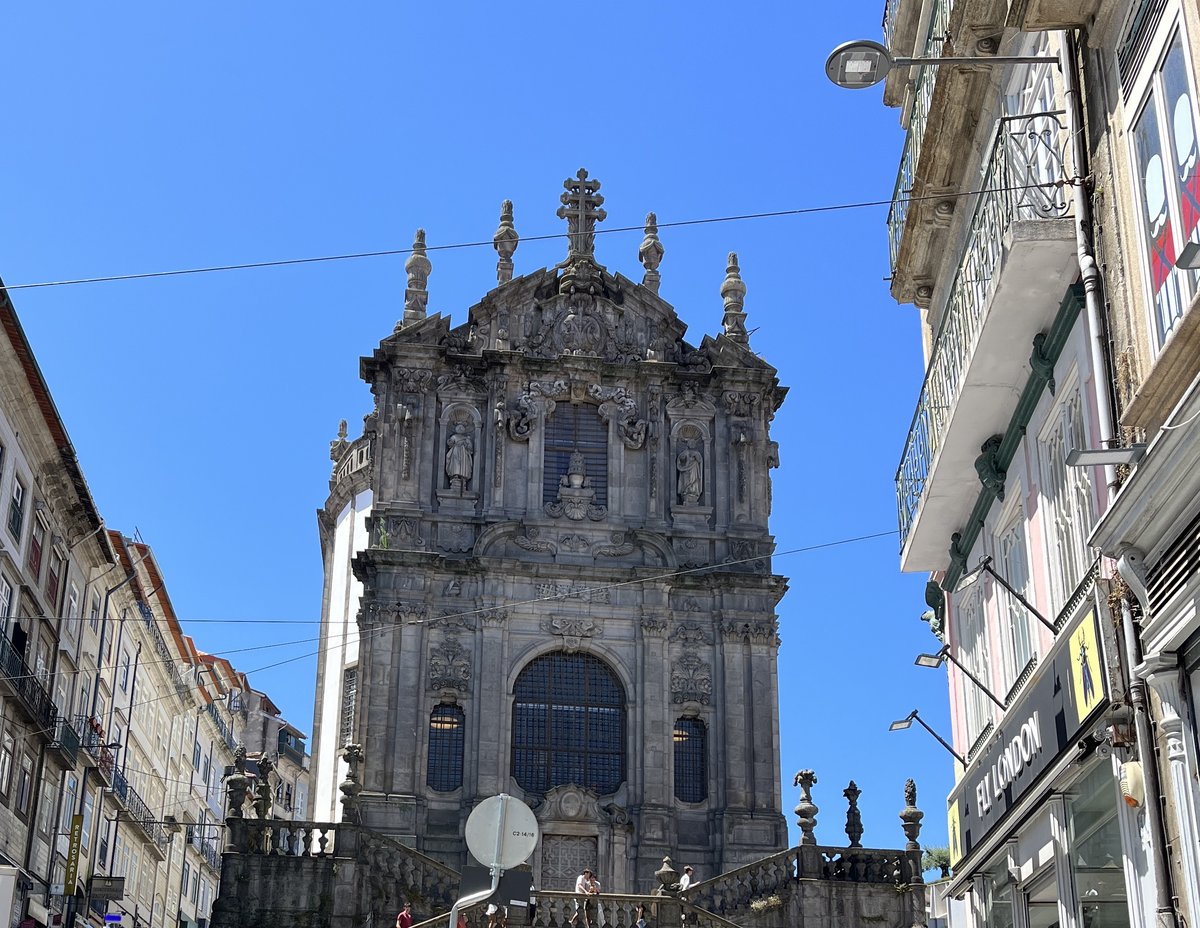
Italian architect and painter Nicolau Nasoni settled in Porto in the early 1730s and left his mark on its churches and palaces. His work on Clérigos, including its soaring tower, gave the city a new landmark visible above the tiled roofs.
The Crown created the Douro Wine Company and demarcated the region supplying wine for the Port trade. Stone markers and regulations fixed boundaries on the ground, turning a lucrative commerce into one of the world’s earliest officially controlled wine regions.
Nasoni’s Clérigos Tower was completed at roughly 75 meters tall, its stone silhouette rising above the old center. Inside, 225 steps wind toward a view that makes clear how tightly Porto’s steep streets are packed around the river.
Writer and politician Almeida Garrett was born in Porto and later joined the liberal cause during the struggle against absolutism. His career tied the city’s literary life to its revolutionary politics, both fought in print and on the streets.
French Marshal Nicolas Soult captured Porto, sending crowds fleeing across the Ponte das Barcas, a temporary bridge of linked boats. It collapsed under the crush; estimates of the dead vary, but thousands of civilians are said to have drowned in the Douro.
British and Portuguese forces under Arthur Wellesley crossed the Douro in a surprise operation, using boats and wine barges to get troops into the city. Soult’s army withdrew, and Porto was free of French occupation after weeks of fear and flight.
Military officers and the Porto group known as the Sinédrio launched an uprising against absolute monarchy and British political influence. The revolt spread across Portugal, leading to constitutional government and the return of King João VI from Brazil.
Absolutist forces executed twelve liberal leaders in Porto, according to accounts of the repression under King Miguel. Their deaths turned a city square into a place of public warning—and a lasting symbol for the liberal cause.
Dom Pedro IV, former emperor of Brazil, brought a liberal army ashore at Mindelo in July and entered Porto the following day. He made the city the stronghold of his campaign against his brother, King Miguel, and bequeathed his heart to Porto, where it remains in the Igreja da Lapa.
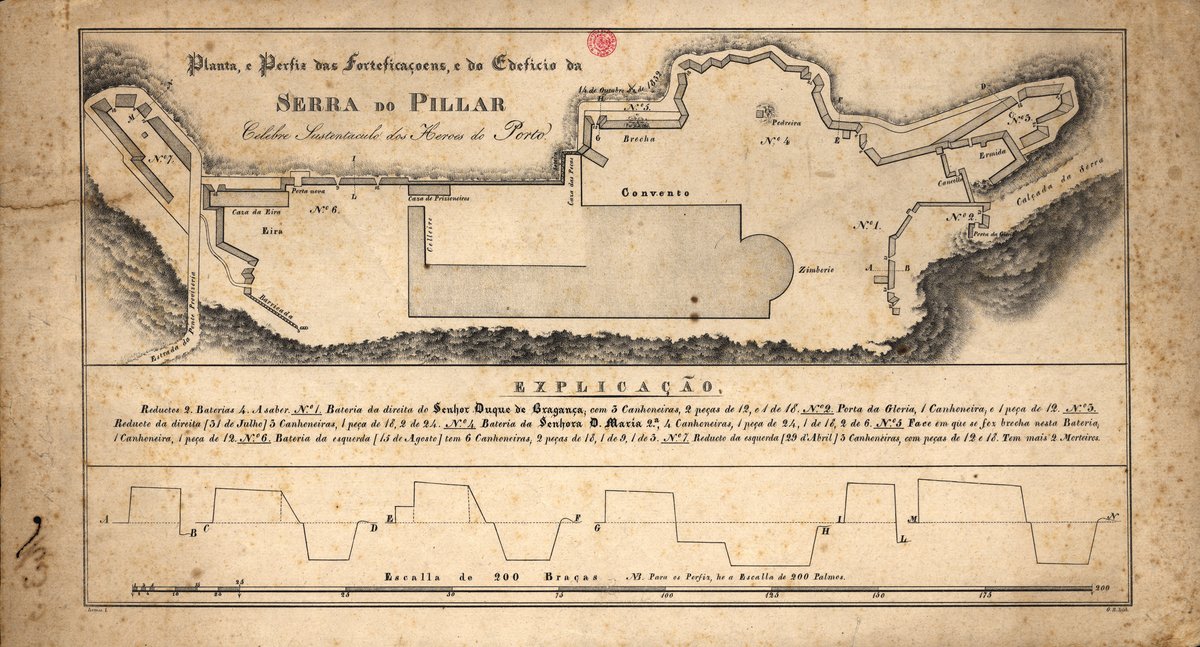
For thirteen months, Miguelite forces ringed Porto while artillery, hunger, and cholera wore down those inside. The liberal defense held until the siege was lifted in August; Queen Maria II later gave the city the title Invicta, the Unvanquished.
Porto’s Commercial Association began building the Palácio da Bolsa on the site of a ruined Franciscan convent. Construction continued into 1910, culminating in the Salão Árabe, a richly patterned reception room whose gilded surfaces seem designed to catch every flicker of candlelight.
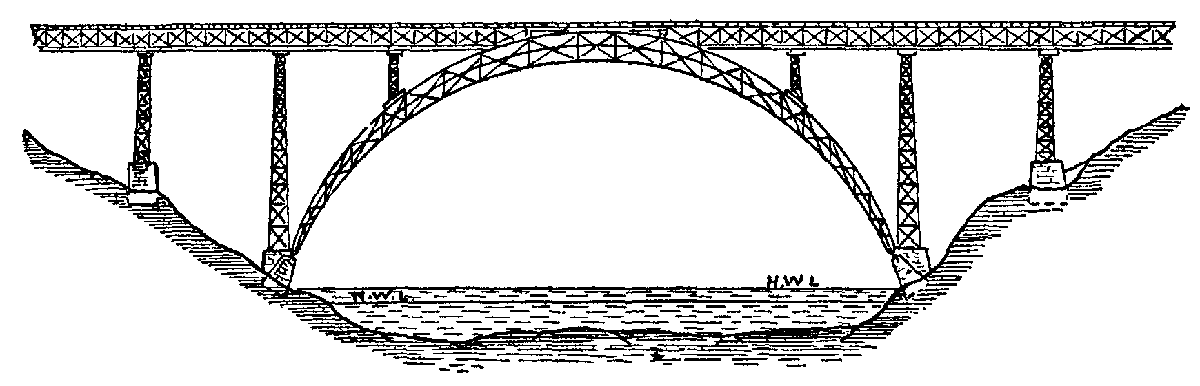
The railway bridge Ponte Maria Pia opened, carrying trains across the river on a great iron arch built by Gustave Eiffel’s firm. Its light structure marked a new scale of engineering above the wine boats below.
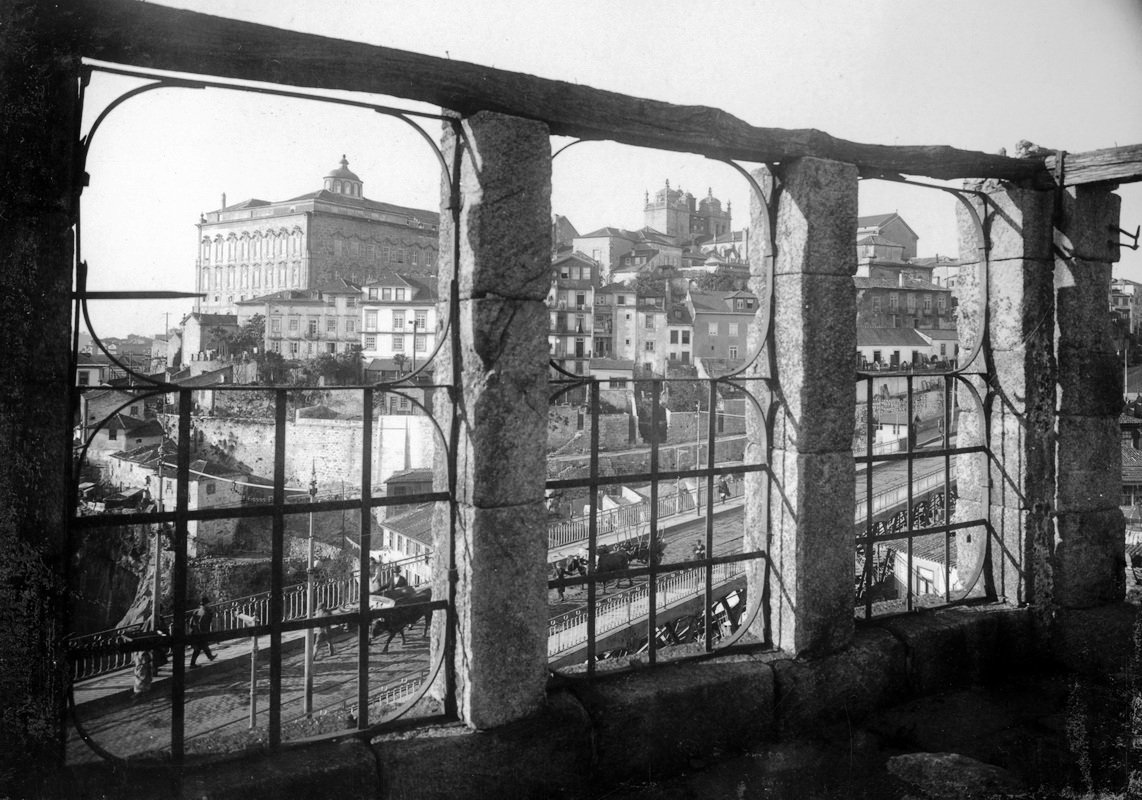
Théophile Seyrig’s double-deck iron bridge opened between Porto and Vila Nova de Gaia, giving the river crossing two distinct levels. Trains and pedestrians would later share the upper deck, while traffic passed close above the water below.
Republican soldiers and civilians rose in Porto after anger over the British ultimatum concerning Portugal’s African claims. Government forces suppressed the revolt near Batalha, but its defeat became a rallying point for those who would later end the monarchy.
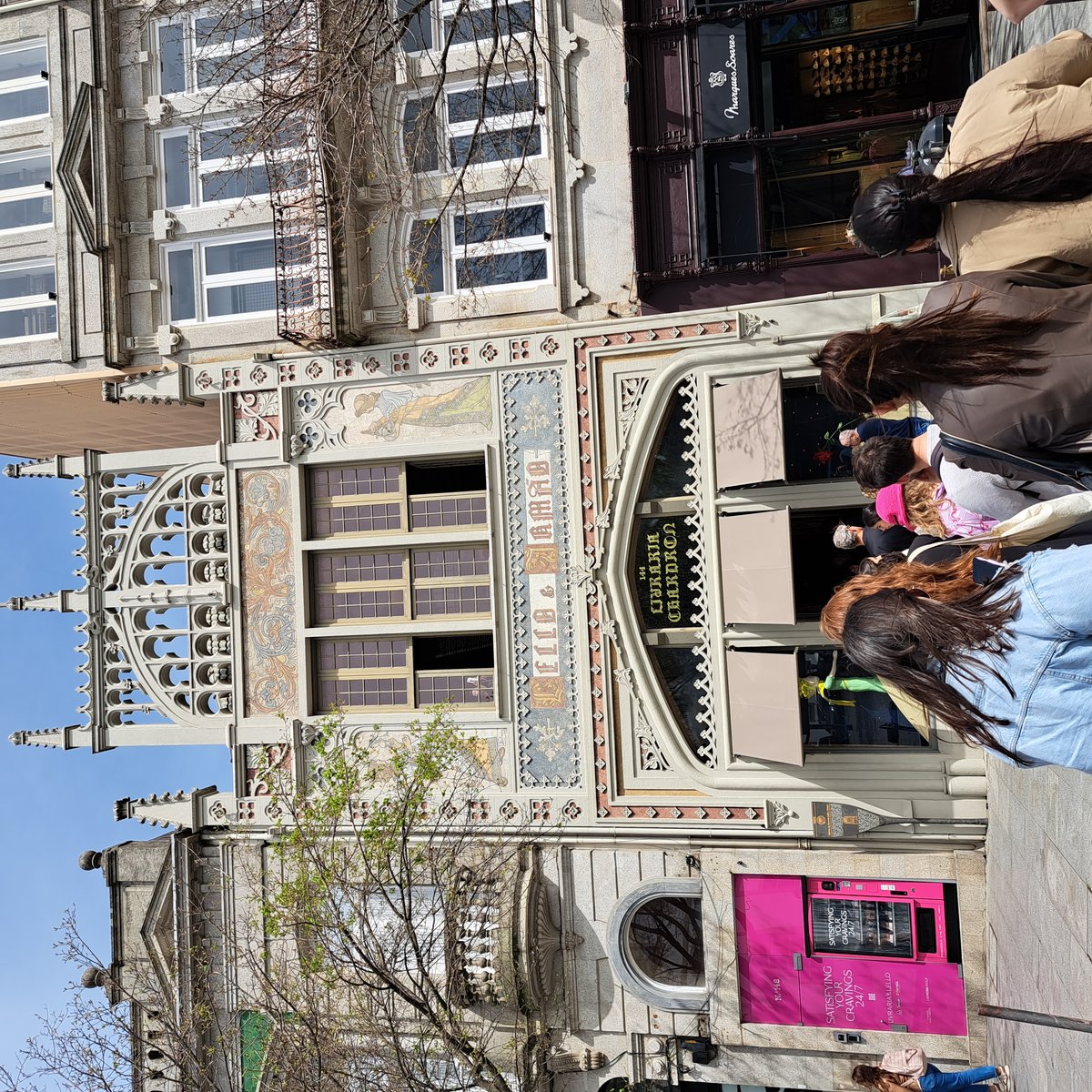
Brothers José and António Lello opened their bookshop on Rua das Carmelitas, beneath a stained-glass ceiling and among carved wood and Neo-Gothic detail. Its dramatic red staircase became the room’s focal point, though the books were the reason to build it.
São Bento railway station opened in the former convent quarter, its entrance hall lined with about 20,000 blue-and-white azulejos by Jorge Colaço. Battle scenes and rural life unfold across the walls while trains arrive just beyond the doors.
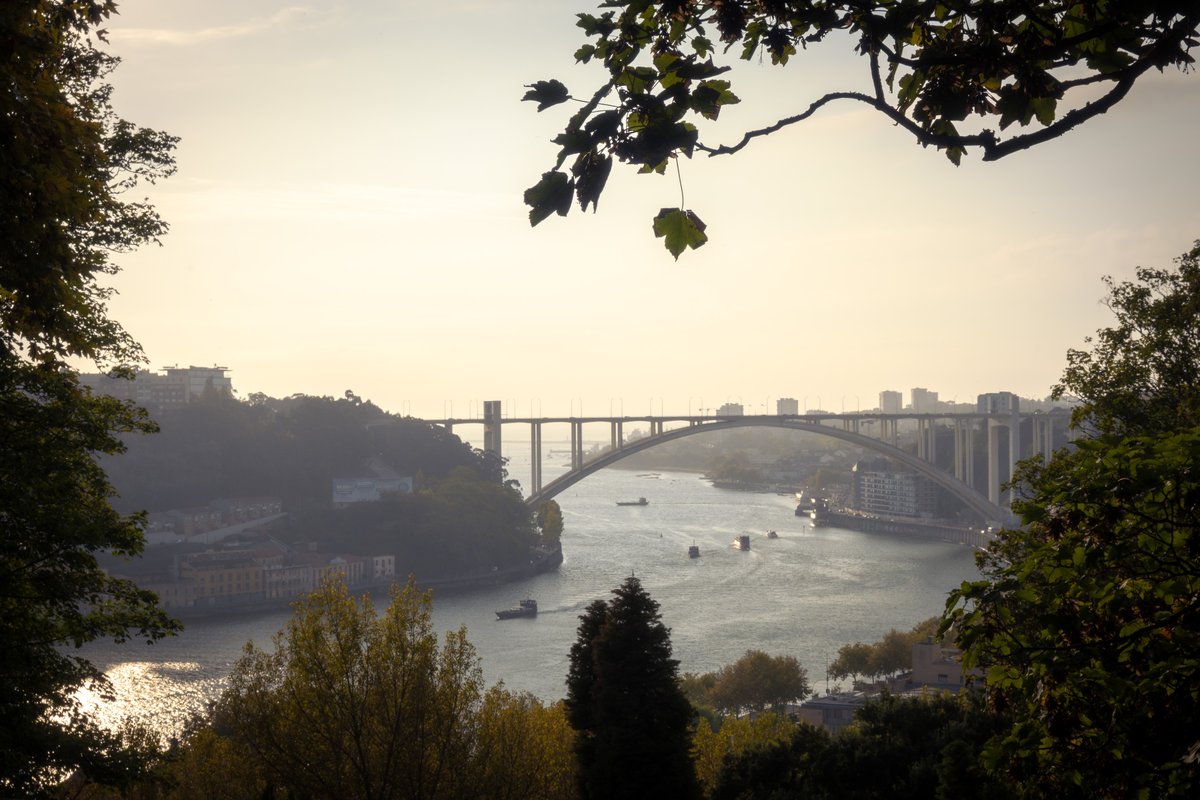
Engineer Edgar Cardoso’s concrete Ponte da Arrábida opened downstream from the historic center. Its 270-meter arch set a world record for a concrete arch span at the time, carrying modern road traffic over the Douro.
The Carnation Revolution ended Portugal’s dictatorship and opened the way to democratic government. Porto, long associated with republican and liberal resistance, entered a new public life after decades of censorship and political repression.
UNESCO inscribed Porto’s historic center, the Dom Luís I Bridge, and the Monastery of Serra do Pilar as a World Heritage site. The listing recognized a city shaped by two thousand years of river trade, steep lanes, and rebuilding.
Porto shared the European Capital of Culture title with Rotterdam, bringing new attention to the city’s arts and public projects. The year helped set the stage for a later generation of cultural buildings and transit improvements.
Rem Koolhaas’s Casa da Música opened after Porto’s year as European Capital of Culture, its angular white concrete form set against the older city. Inside, the main hall’s glass walls let daylight—and the sounds of the street—enter a concert space built for a changing Porto.
Architect · 1691–1773
Designed Porto’s Clérigos complex
Nasoni gave Porto one of its unmistakable silhouettes with the Baroque Clérigos church and tower. The 75-meter tower still pulls the eye above the rooftops; he might be amused that visitors now climb it for the view.
Engineer · 1843–1923
Designed the Dom Luís I Bridge
Seyrig designed the double-deck iron bridge that opened in 1886, spanning the Douro between Porto and Vila Nova de Gaia. Today, metro trains and pedestrians share its upper level—a living use for an engineering work that could easily have become a monument to admire from the bank.
Painter and tile artist · 1868–1942
Created the azulejo panels at São Bento station
Colaço turned São Bento’s station hall into a story told in roughly 20,000 blue-and-white tiles. Travelers still pass his scenes of battles and rural life on the way to catch a train, so the work belongs to the city’s daily rhythm as much as its history.
Architect · born 1933
Designed the Serralves Museum of Contemporary Art
Siza designed the Serralves museum pavilion, set within the foundation’s park and gardens. The building asks visitors to move between art and greenery; he might recognize in that quiet exchange a city that has always made its architecture answer to its surroundings.
Where locals actually book dinner — not the tourist menus.
Small things that change how the city treats you.
The city, as it actually looks.


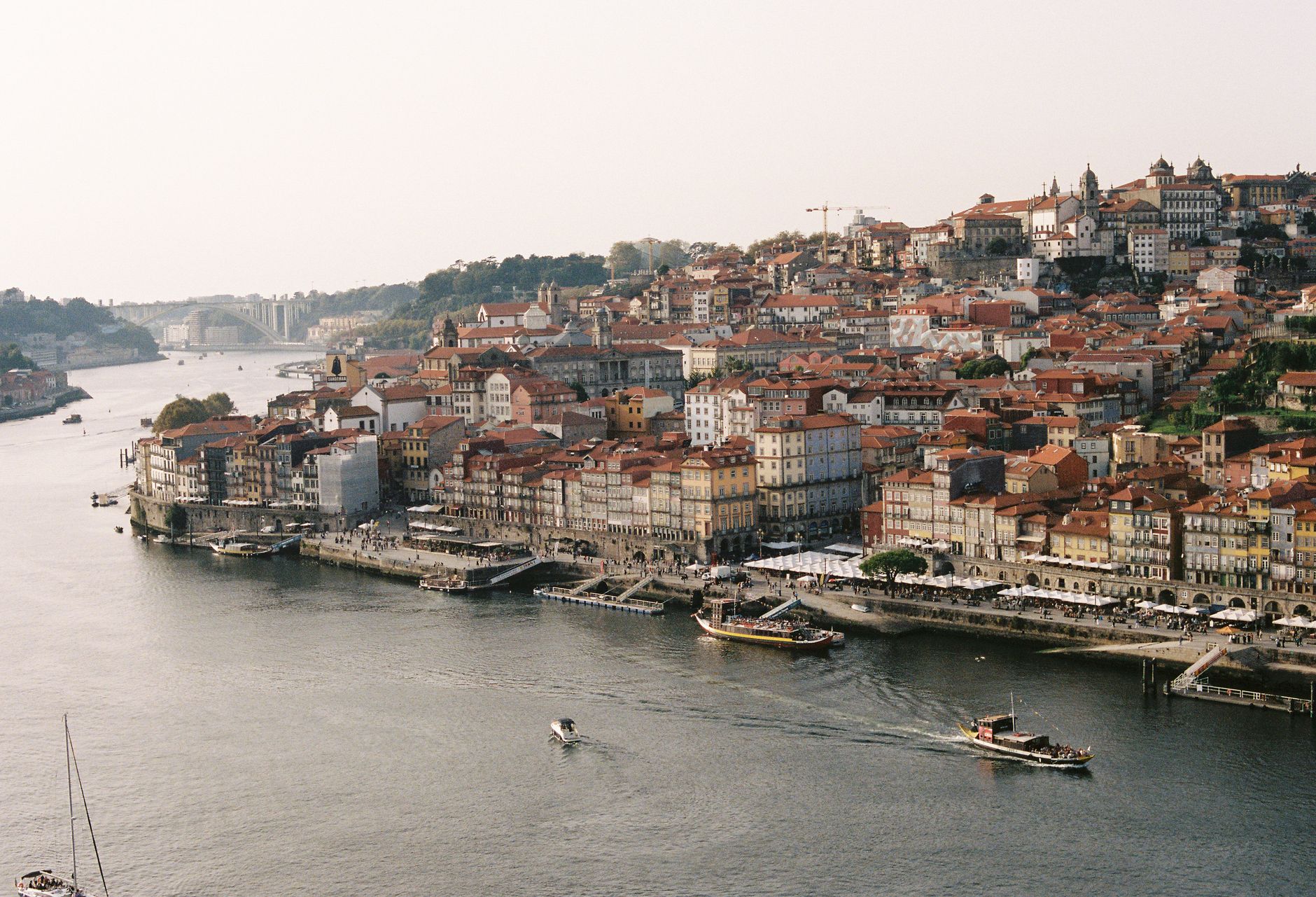
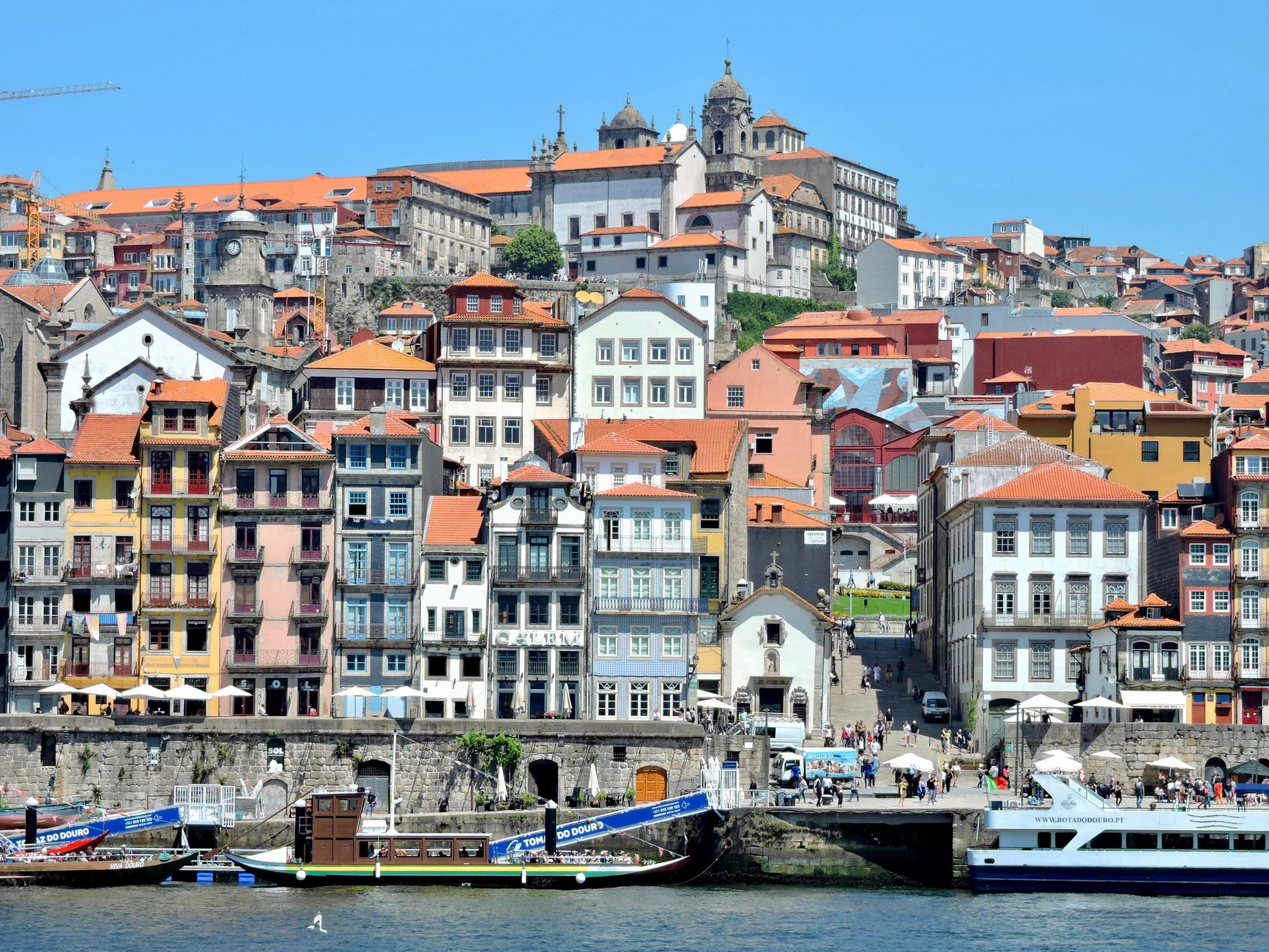


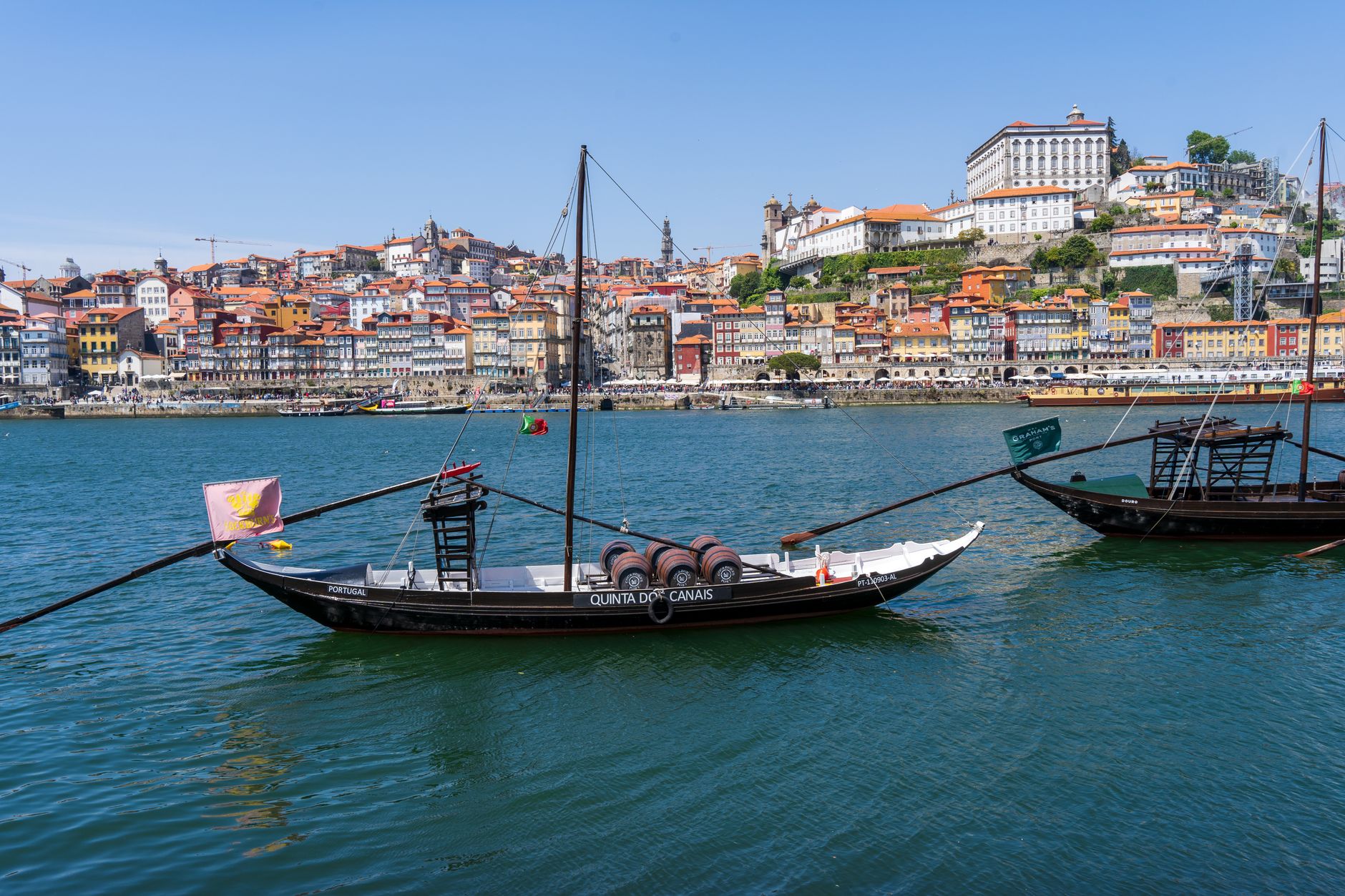
Yes—Porto brings a UNESCO-listed historic center, the iron Dom Luís I Bridge, São Bento’s tile-lined hall and a distinctive food culture into one compact city. Its steep lanes reward unhurried wandering, though they can make a day on foot tiring.
Three days is enough to explore the historic center, cross the Dom Luís I Bridge and spend time at a museum or market. Add another day if you want to include Serralves or the coastal food district of Matosinhos.
The metro is useful for longer hops and for crossing to Vila Nova de Gaia: Line D runs over the upper deck of the Dom Luís I Bridge. Metro also makes Matosinhos reachable from Porto; expect steep stairways and hills when exploring the old center on foot.
The research available here doesn’t identify a no-go district or provide current neighborhood crime data, so it wouldn’t be responsible to label one. In the historic center, steep stairs and climbs are a practical hazard; check current official travel advice for up-to-date safety information.
The research available here doesn’t include current prices, so a reliable daily budget would be guesswork. For practical savings, look at the casual counters at Bolhão Market; tipping isn’t mandatory, and restaurant couvert is charged only if you eat it.
June is a standout month if you want to experience São João, celebrated on the night of June 23 into June 24. For a quieter market visit, go to Bolhão on a weekday morning before 11:00.
163 places to discover









Showing 1–48 of 163 places
Saved and recently read places — kept on this device only.
Photos may have been resized or cropped.