


About Willem Bilderdijk
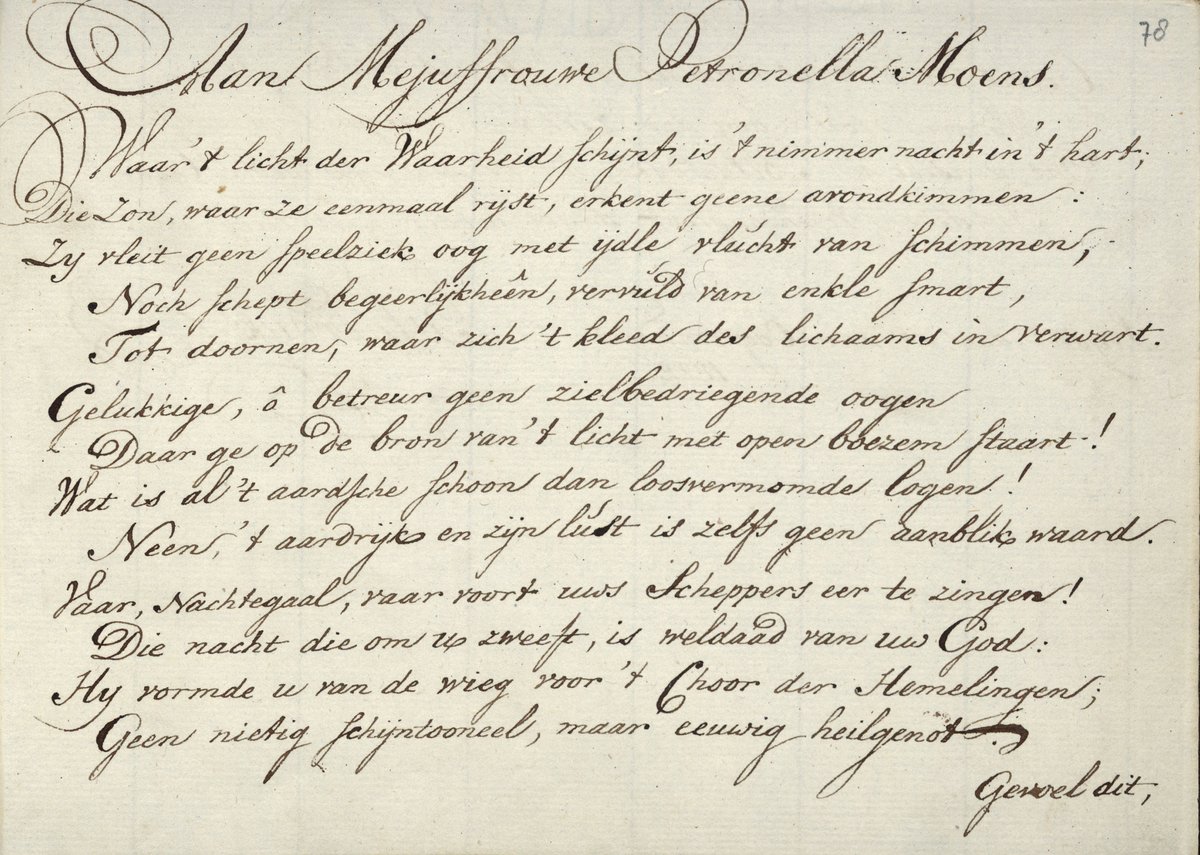
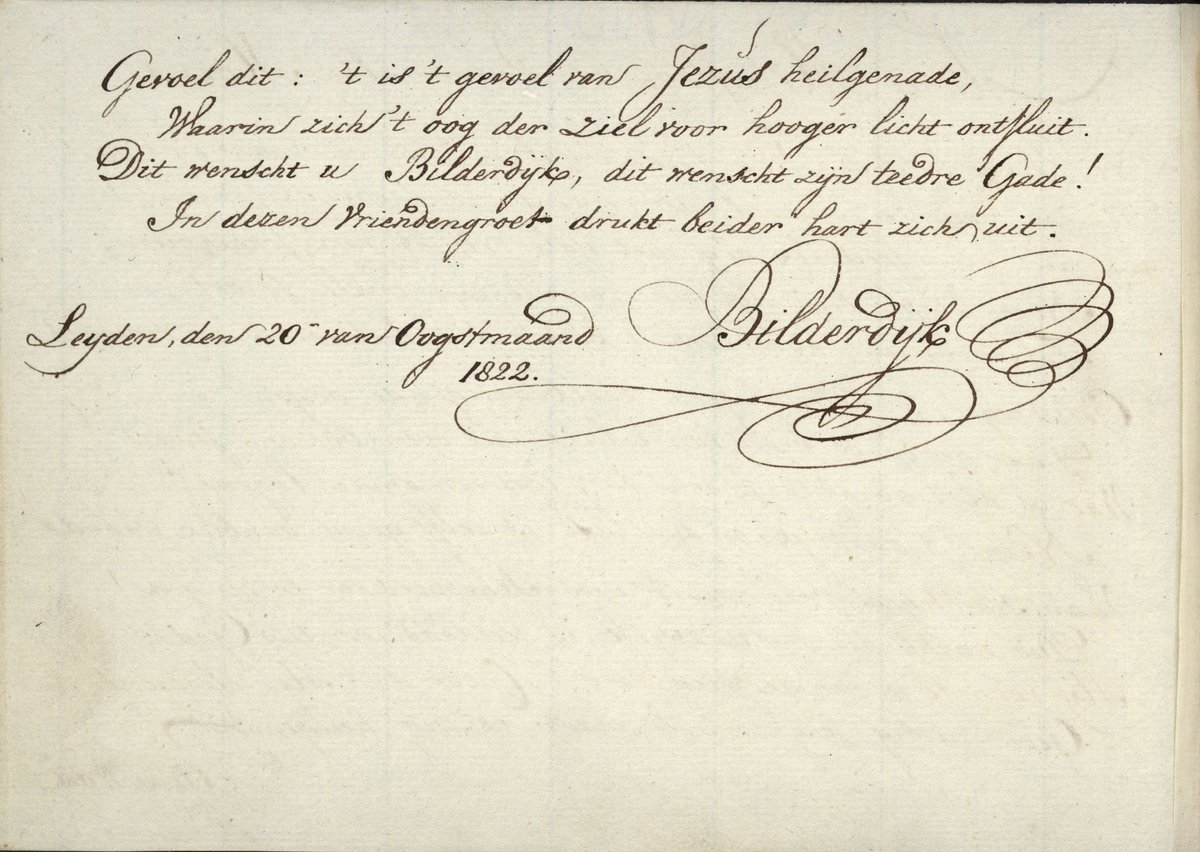
Willem Bilderdijk was a prolific Dutch poet, historian, and scholar, renowned for his dramatic verse, deep Calvinist faith, and active engagement in the political turbulence of the 18th and 19th centuries. His extensive writings and intellectual influence have left a lasting imprint on Dutch culture and politics.
Visiting the Bilderdijk Museum: Status and Practicalities
Museum Location and Status
The Bilderdijk Museum was formerly located on the Vrije Universiteit Amsterdam campus (De Boelelaan 1105, 1081 HV Amsterdam). While the museum’s public exhibitions have permanently closed, its collection is still accessible for academic research through the university’s Department of Old Prints (whichmuseum.com).
Accessing the Collection
To access the Bilderdijk collection for research, contact the VU Library’s Department of Old Prints in advance to arrange a visit. The museum’s former hours (Monday–Friday, 9:00–12:20 and 13:00–16:45) no longer apply. Admission is subject to university policies.
Tickets and Guided Tours
- Admission Free for academic research (appointment required).
- Guided Tours No regular public tours, but literary walking tours in Amsterdam may reference Bilderdijk (dutchreview.com).
Key Memorial Sites and Suggested Itinerary
1. Bilderdijk’s Birthplace – Westermarkt, Amsterdam
- Location Westermarkt, central Amsterdam (near Anne Frank House).
- Visiting The house is a private residence; the neighborhood is accessible year-round.
- Highlights Enjoy the historical atmosphere and proximity to the Anne Frank House.
2. St. Bavokerk, Haarlem – Bilderdijk’s Burial Site
- Location Kerkplein 1, Haarlem.
- Hours Monday–Saturday, 10:00–17:00 (Sunday services may limit access).
- Admission Free (donations appreciated).
- Accessibility Wheelchair accessible.
- Nearby Frans Hals Museum, Grote Markt.
3. Leiden University and Literary Society Sites
- Various Locations Explore the university area and associated literary societies in Leiden.
- Access University campus is open to visitors, some facilities require appointments.
- Travel About 40 minutes from Amsterdam by train.
Suggested Itinerary
- Morning Explore Westermarkt and the Anne Frank House.
- Afternoon Leiden University walking tour.
- Evening Haarlem’s St. Bavokerk and city center.
Practical Visitor Information and Travel Tips
Getting Around
- Public Transport Amsterdam, Haarlem, and Leiden are well-connected by train and tram. Use an OV-chipkaart for convenience.
- Cycling Amsterdam’s bike lanes are extensive and recommended for getting around (Clink Hostels).
- Parking Limited and expensive in central Amsterdam; Park+Ride recommended.
Accessibility
- Most public monuments and museums are accessible, but some historic buildings may have limitations—contact ahead for specific needs.
Facilities
- Restrooms and lockers available at most museums. Carry coins for public toilets, which often require a small fee (Happy to Wander).
Safety
- Amsterdam is generally safe, but be mindful of pickpockets and busy bike lanes (solosophie.com).
Seasonal Considerations
- June temperatures: 12–20°C (54–68°F), with possible rain—pack layers and a light rain jacket (Full Suitcase).
Nearby Attractions and Historical Context
Enhance your visit with these cultural highlights:
- Rijksmuseum Dutch Golden Age art (Rijksmuseum).
- Amsterdam City Archives Historical records (Stadsarchief).
- Rembrandt House Museum Art and daily life of the era (Rembrandt House).
- University of Amsterdam Special Collections Rare books and manuscripts (Special Collections).
- Vondelpark Amsterdam’s largest city park—ideal for a stroll.
Cultural Significance and Annual Events
Bilderdijk’s Impact
Bilderdijk’s poetry and intellectual work contributed significantly to Dutch national identity and the Romantic movement. His legacy is celebrated in scholarly circles and through commemorative events.
Annual Events
While no major public events focus solely on Bilderdijk, academic lectures, exhibitions, and commemorations are organized periodically—check willembilderdijk.nl for updates.
Frequently Asked Questions (FAQ)
Q: Is the Bilderdijk Museum open to the public?
A: No, it is permanently closed to the public, but the collection remains accessible for research by appointment.
Q: Where can I see Bilderdijk-related sites?
A: Key sites include his birthplace at Westermarkt (Amsterdam), his grave at St. Bavokerk (Haarlem), and Leiden University.
Q: Are guided tours available?
A: Dedicated Bilderdijk tours are rare; some literary walking tours may include related stops.
Q: Are the memorial sites accessible?
A: Most are, but check individual site policies and hours.
Q: Can I find Bilderdijk’s works online?
A: Many manuscripts are digitized and available through Dutch national libraries and university collections.
Planning Your Visit & Responsible Tourism
- Advance Bookings Essential for research appointments, and advisable for tickets/accommodation in June.
- Respect Local Customs Speak quietly in museums, arrive on time, and observe photography restrictions.
- Support Sustainability Use public transport, recycle, and patronize local businesses (Full Suitcase).
- Language English is widely spoken; learning simple Dutch phrases is appreciated.