Introduction
Step onto any Amsterdam bridge at dusk and the canal lights fracture like spilled mercury. The city smells of wet stone, fried fish from a passing boat, and the faint sweetness of distant waffles. This is the Netherlands' capital, yet it feels less like a metropolis than a living 17th-century blueprint that somehow kept breathing.
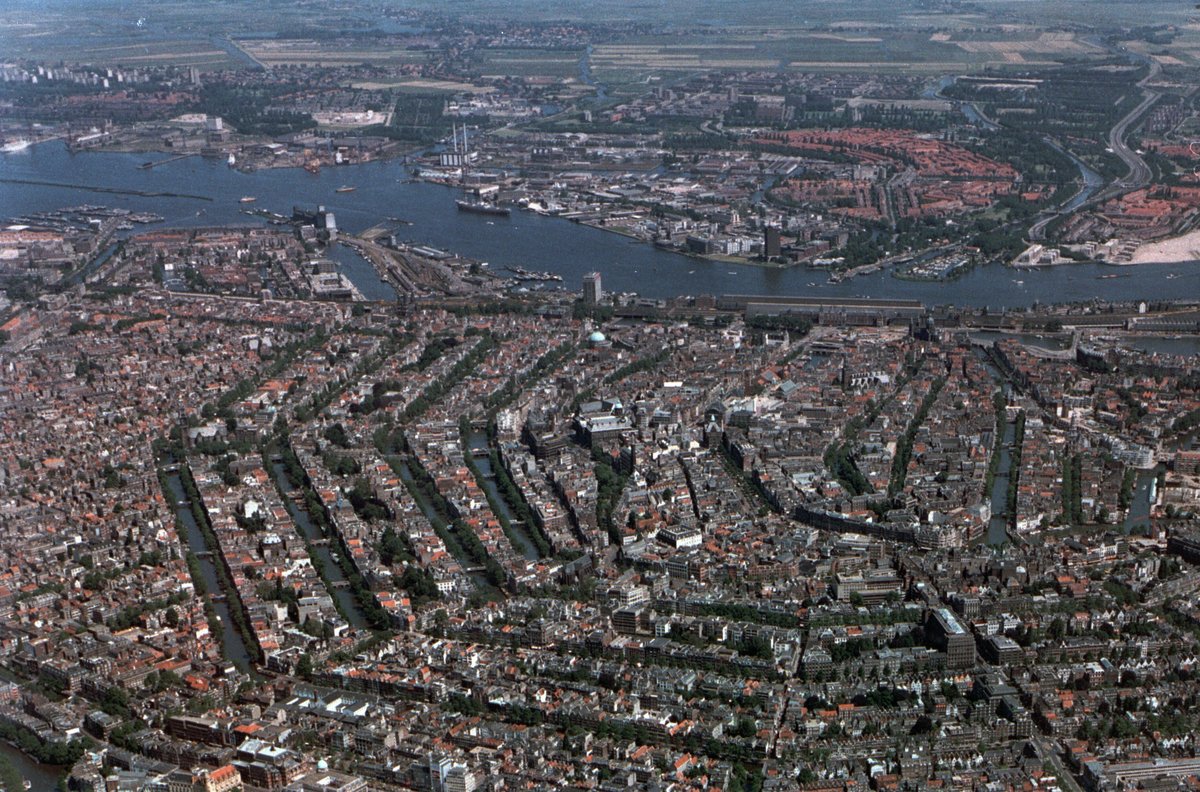
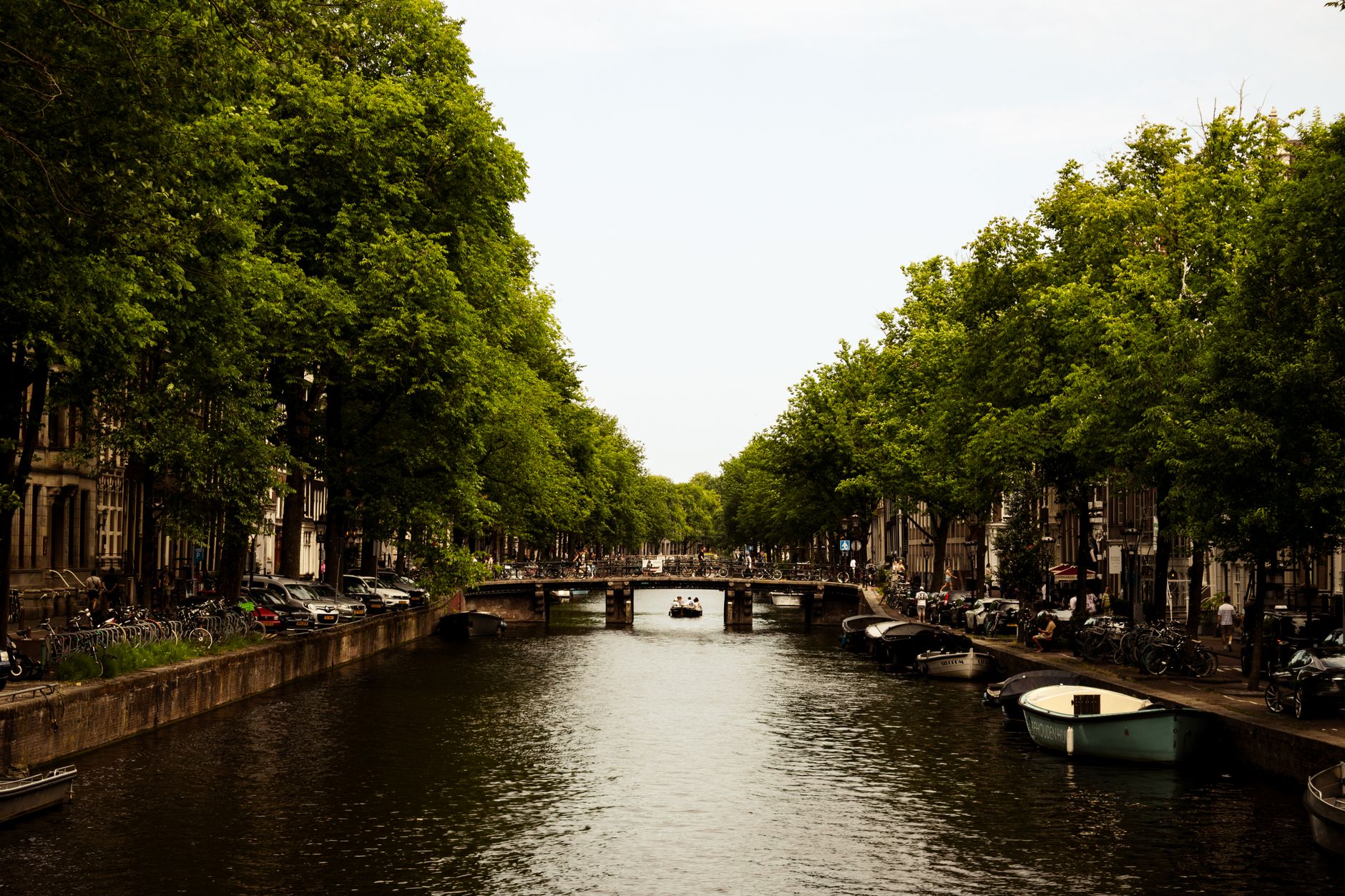
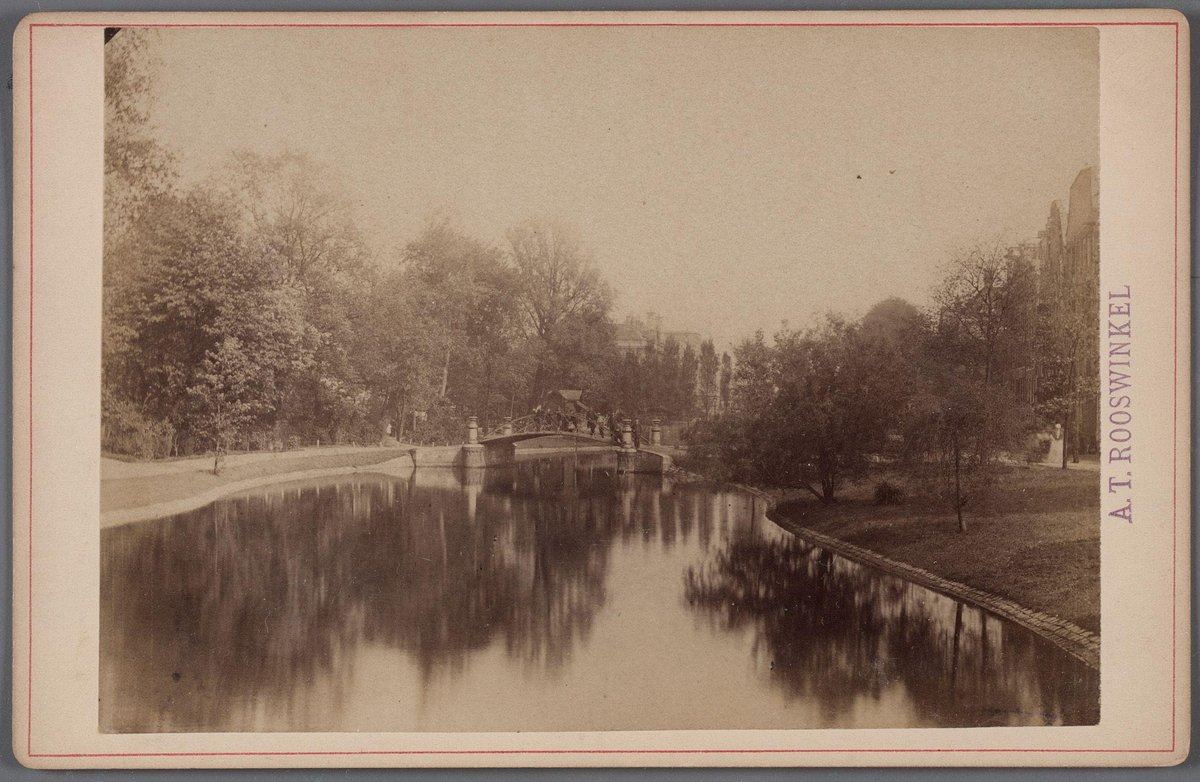
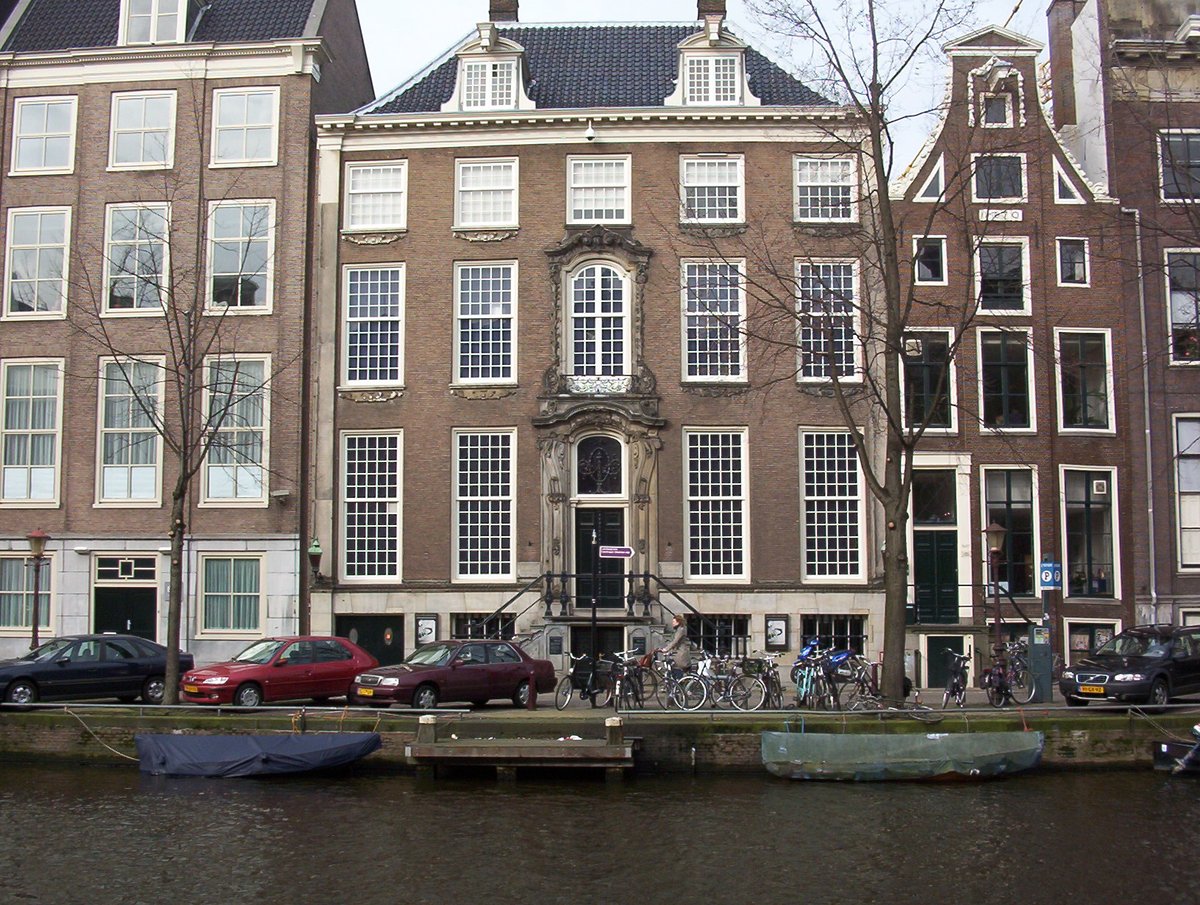
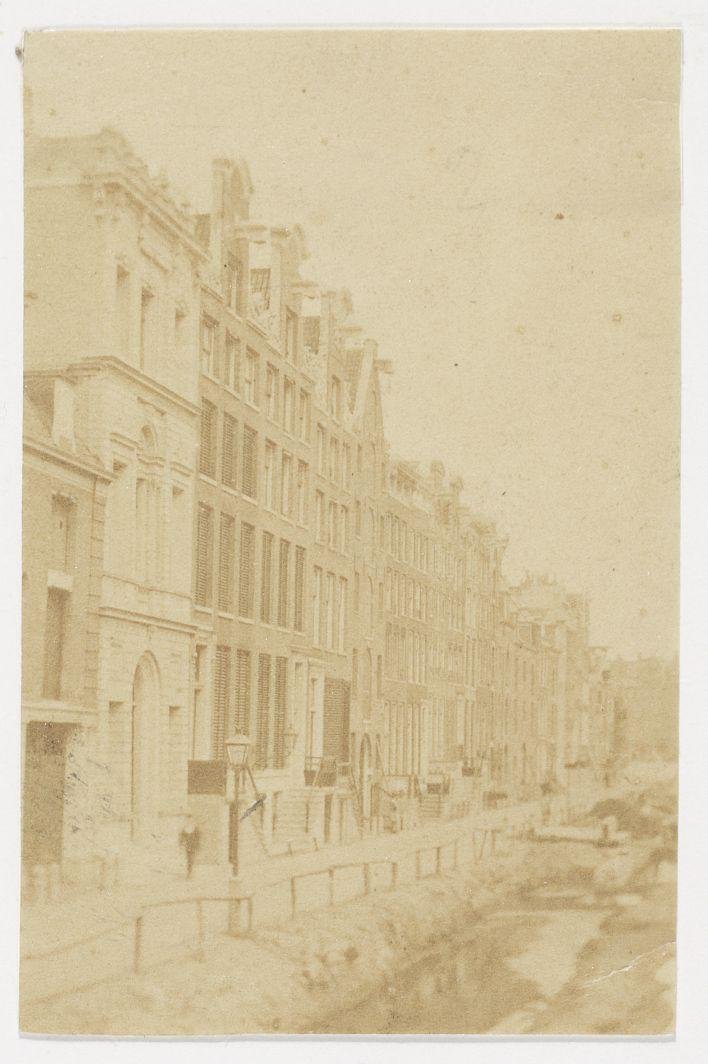
The Grachtengordel canals, inscribed as a UNESCO World Heritage site in 2010, form three concentric arcs that once announced Dutch Golden Age confidence to the world. Herengracht, Keizersgracht, Prinsengracht. Each gable tells its own story: stepped for the 16th century, necked for the 17th, bell-shaped for the merchants who got rich on spice routes. Beam hooks still jut from those facades because staircases were never wide enough for a decent sofa.
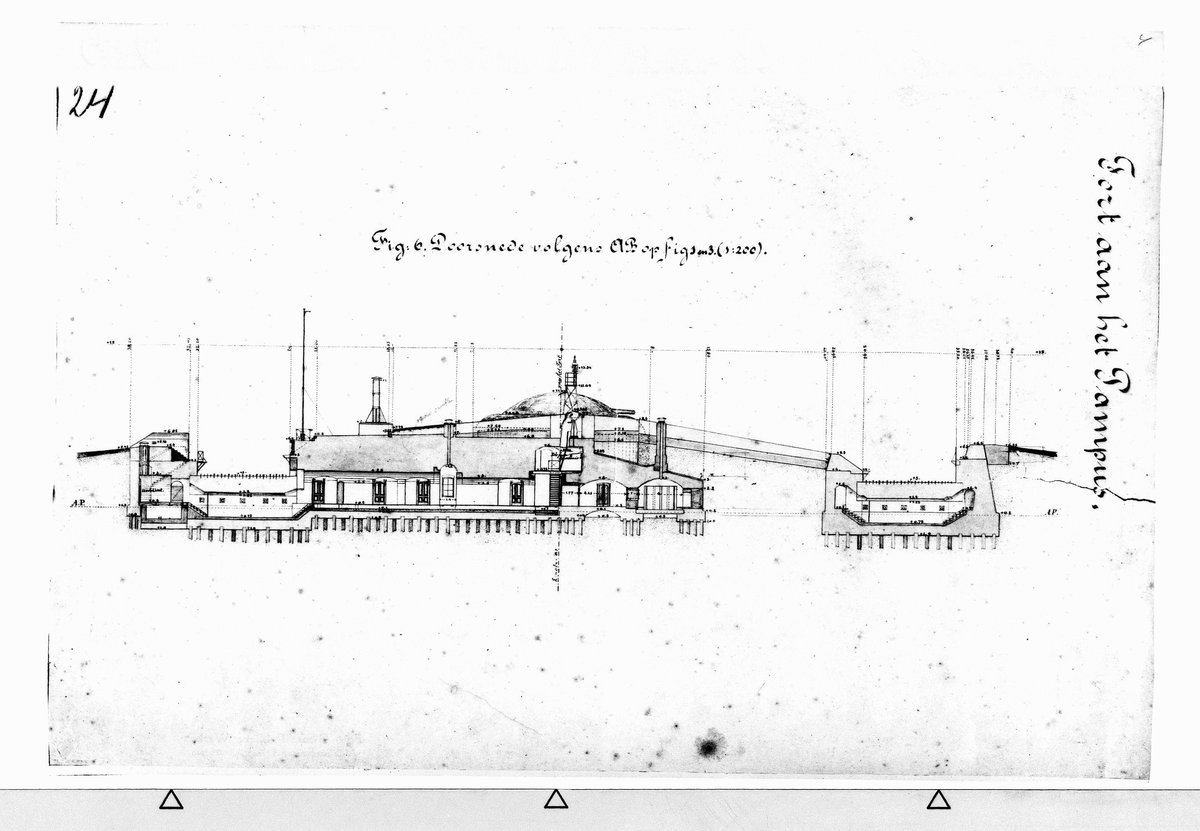
Yet the city refuses to become its own museum. Jordaan locals still argue over the best appeltaart at Winkel 43 on Noordermarkt Saturday mornings. Ferry commuters glide across the IJ to NDSM Wharf where shipyard concrete now hosts street art and Sunday flea markets. The same water that protected the city via its 45 UNESCO-listed forts now carries King’s Day boats and late-night bar crawls.
What changes you is realizing Amsterdam never sold its soul to tourism. It simply lets you borrow it for a while, then returns to its own rhythm of bicycles, jenever tastings at Wynand Fockink, and the distant chime of the Westertoren that Anne Frank once counted from her hiding place.
Places to Visit
The Most Interesting Places in Amsterdam
Wereldmuseum Amsterdam
Nestled in the vibrant Amsterdam-Oost district, the Wereldmuseum Amsterdam stands as a premier cultural institution offering an immersive journey into world…
Rijksmuseum
The Rijksmuseum, situated in Amsterdam, Netherlands, stands as one of the world's most eminent art museums.
Van Gogh Museum
The Van Gogh Museum in Amsterdam stands as a testament to the artistic genius of Vincent van Gogh, one of the most influential figures in Western art.
Royal Palace of Amsterdam
Steeped in grandeur and historical significance, the Koninklijk Paleis, or Royal Palace of Amsterdam, is a must-visit destination for anyone exploring the…
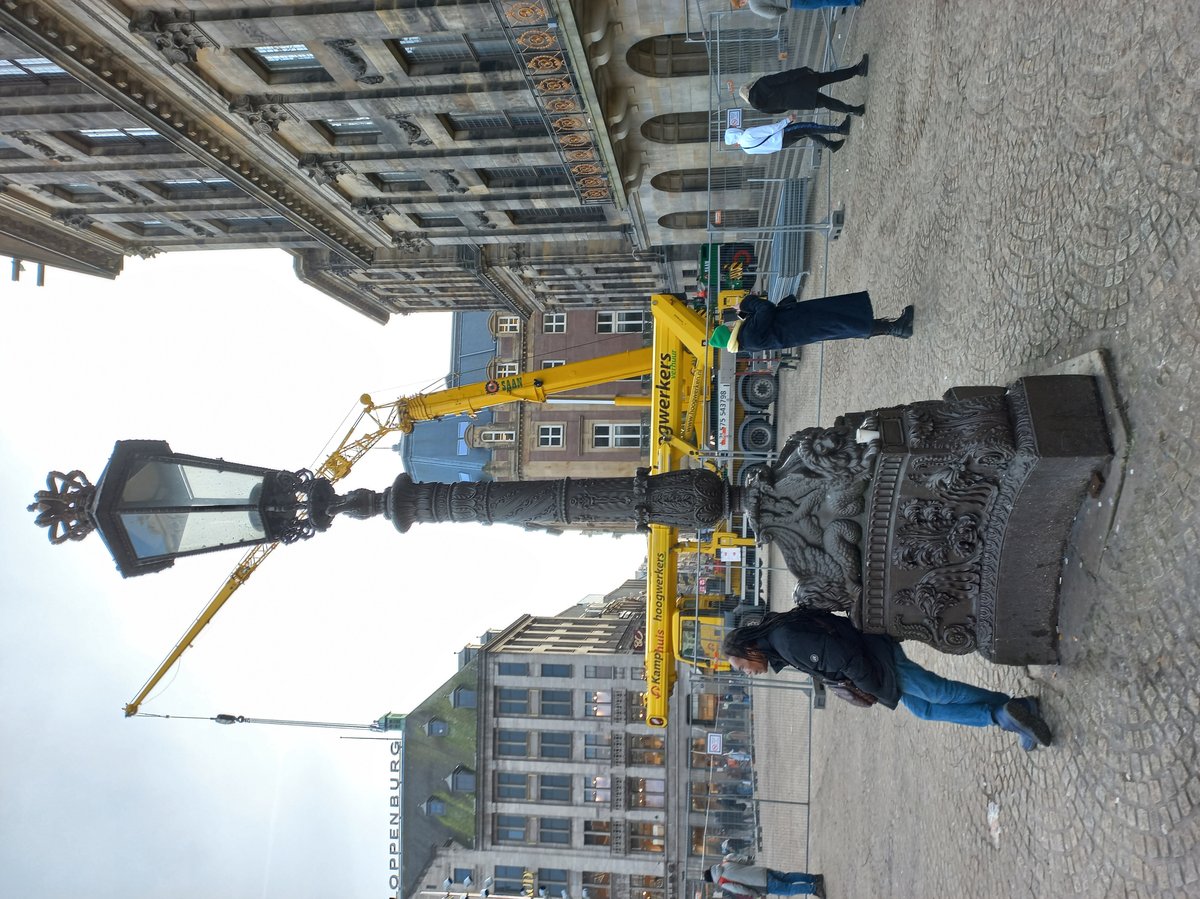
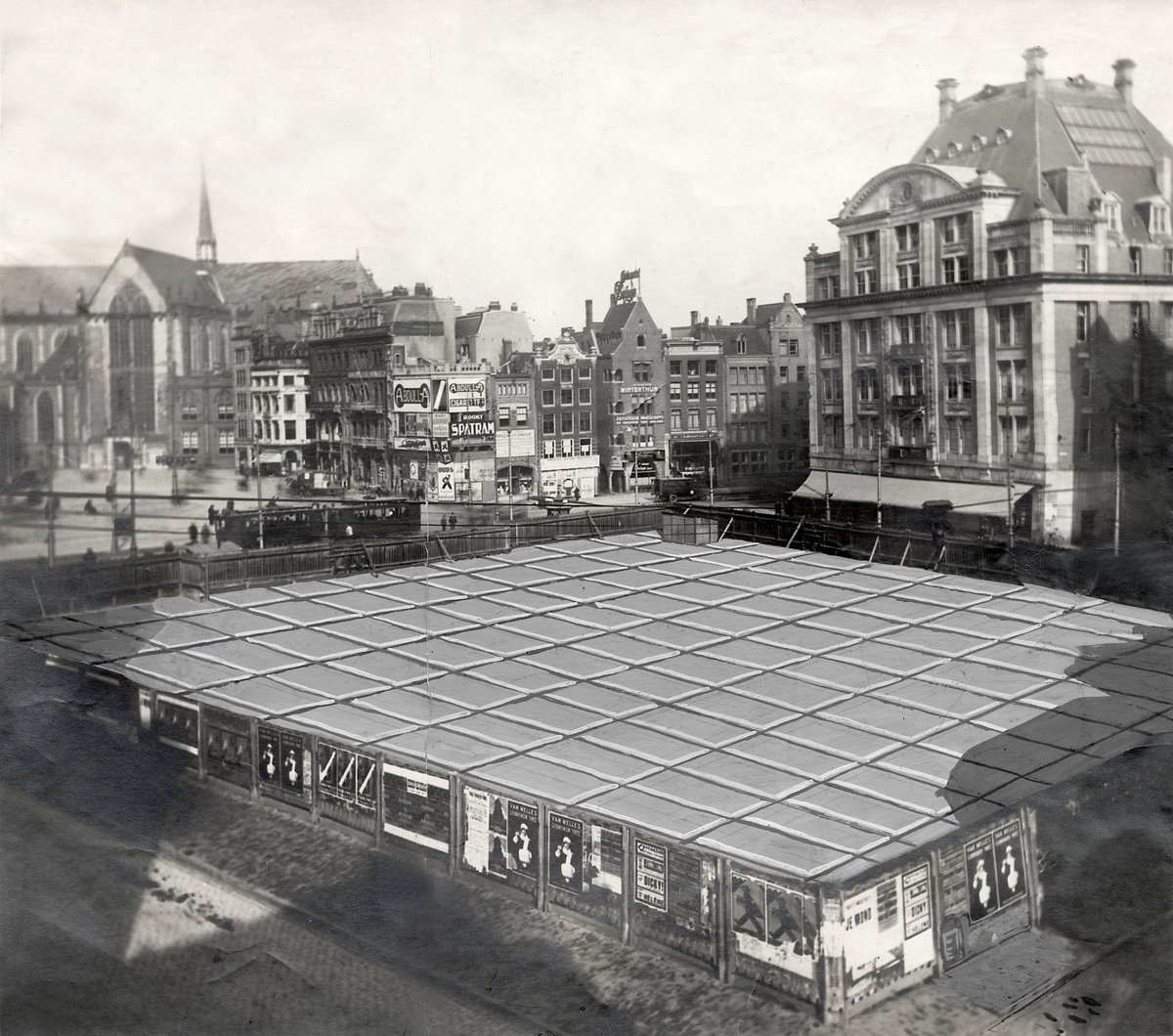
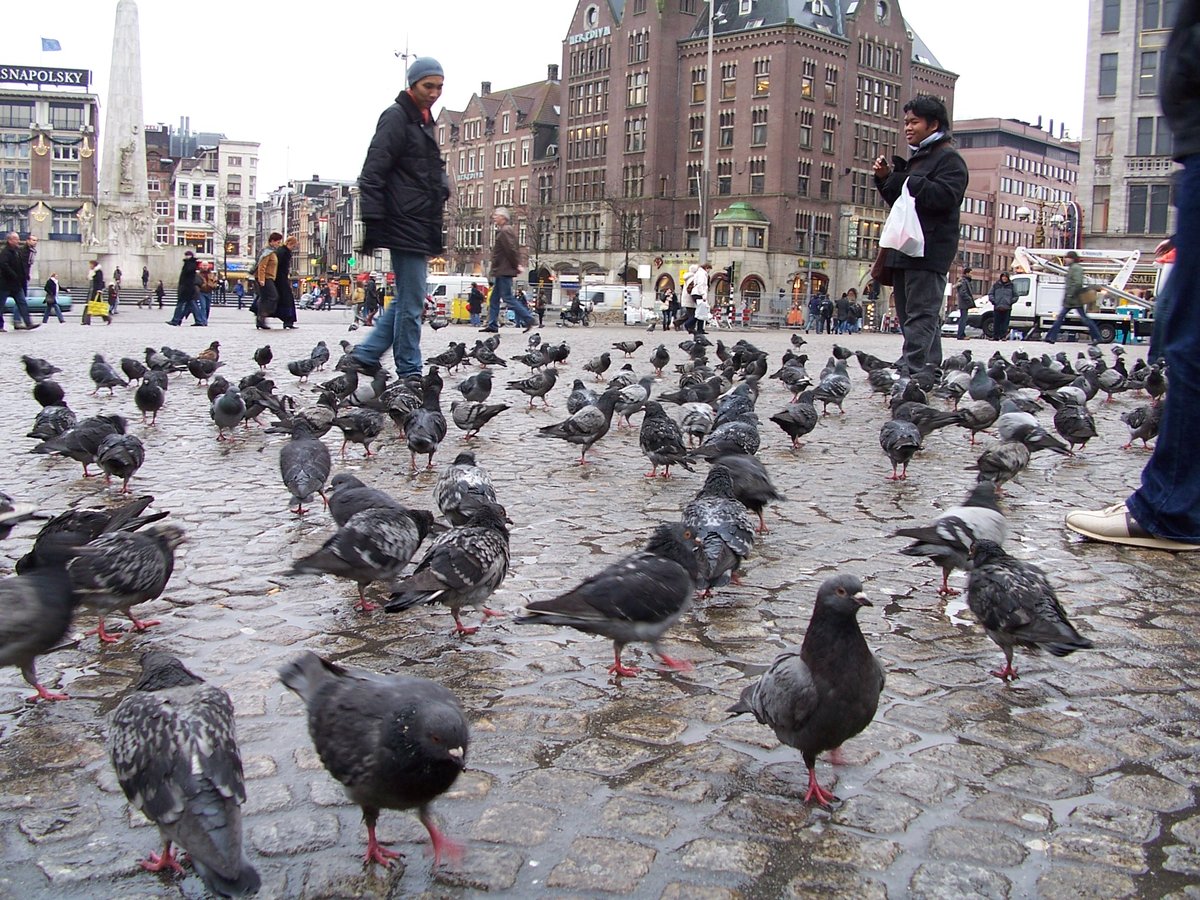
Dam Square
Visiting historical sites offers a glimpse into the past, allowing us to reflect on significant events that have shaped our world.
Artis
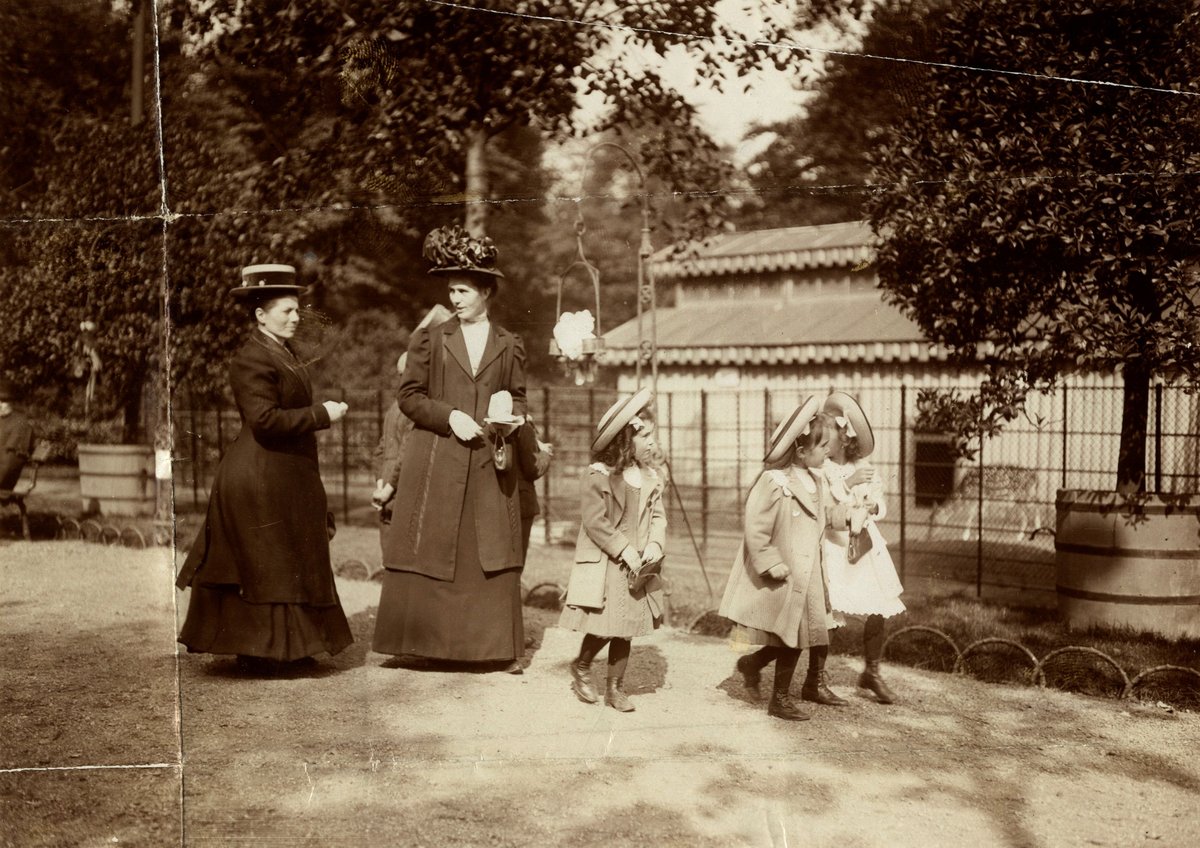
Welcome to Artis, officially known as Natura Artis Magistra, the oldest zoo in the Netherlands and a cherished cultural landmark in Amsterdam.
Stedelijk Museum Amsterdam
The Stedelijk Museum Amsterdam, often referred to simply as the Stedelijk, stands as a preeminent institution in the realm of modern and contemporary art.
Grachtengordel
Discovering Amsterdam's illustrious history and dynamic culture is made both accessible and engaging through the city's popular free walking tours.
Amsterdam Museum
The Amsterdam Museum offers an unparalleled journey through the rich tapestry of Amsterdam's history and culture, housed within the historic walls of a former…
Museumplein
Museumplein, also known as Museum Square, stands as a vibrant cultural hub in the heart of Amsterdam, Netherlands.
Rembrandt House Museum
The Rembrandt House Museum in Amsterdam stands as a captivating testament to the life and work of Rembrandt van Rijn, one of the Dutch Golden Age’s most…
Het Scheepvaartmuseum
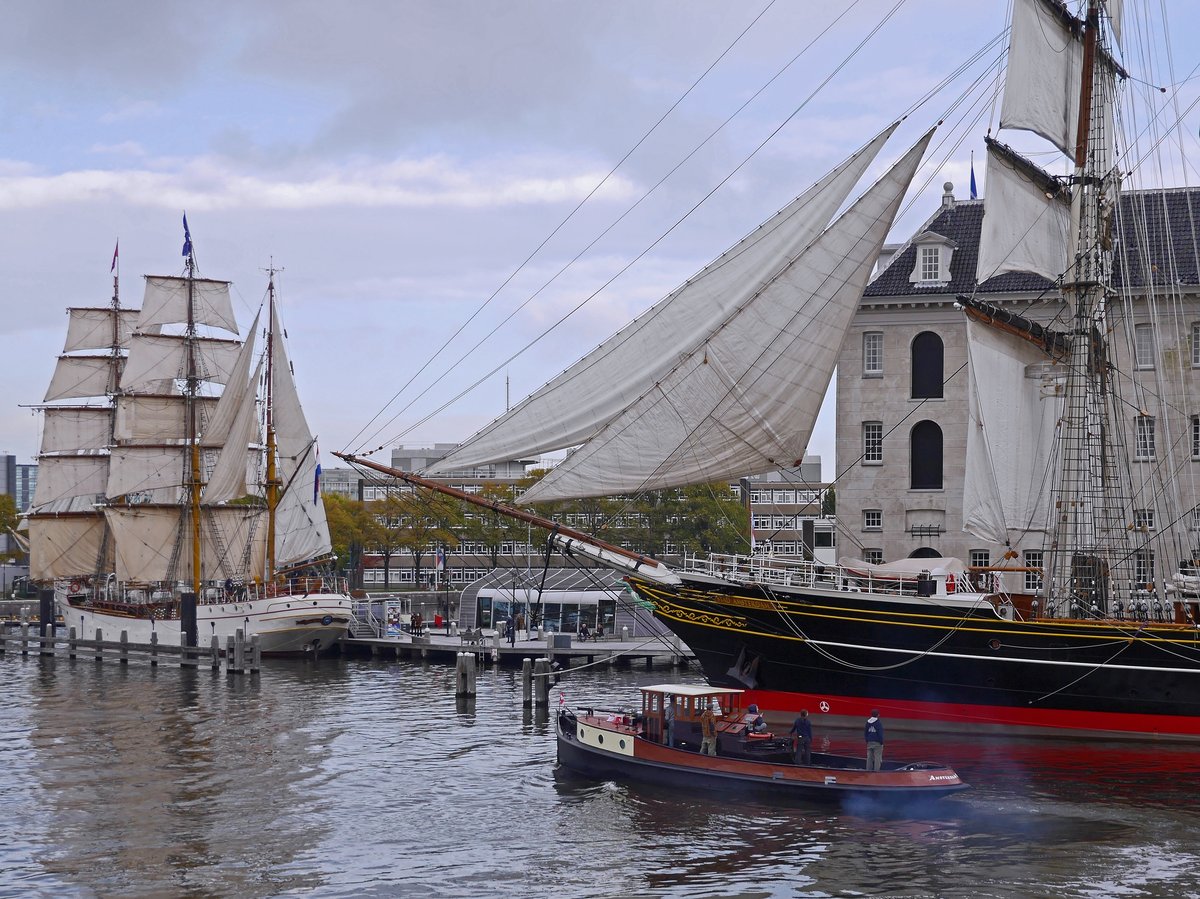
Het Scheepvaartmuseum, also known as The National Maritime Museum, is a prominent cultural landmark in Amsterdam, Netherlands.
What Makes This City Special
The Canals
Seventeenth-century merchants dug the Grachtengordel as both status symbol and infrastructure. Stand on the Torensluis bridge at dusk and watch the light slide across those neck-gabled houses. You suddenly understand why UNESCO called this one of the greatest works of hydraulic engineering ever built.
Museumplein
Three of the world's finest collections sit within 200 metres of each other. The Rijksmuseum owns Rembrandt's Night Watch. The Van Gogh holds 200 of his paintings. The Stedelijk keeps the best Mondrian and Appel. Book timed slots or you'll waste half a day in the queue.
Unexpected Green
Most visitors never leave the canal ring. Take the free ferry to Noord or cycle into the 1,000-hectare Amsterdamse Bos and the city disappears. The contrast between 17th-century brick and these vast quiet woods changes how you see the whole place.
After Dark
Paradiso and Melkweg still book the acts that matter. But the real move is a Wednesday lunchtime concert at the Concertgebouw, then jenever at Wynand Fockink until the bells of the Westertoren mark midnight. The city feels different when the day-trippers have gone.
Historical Timeline
The Dam That Refused to Stay Small
From swampy trading post to financial engine of the world
Stone tools beneath the peat
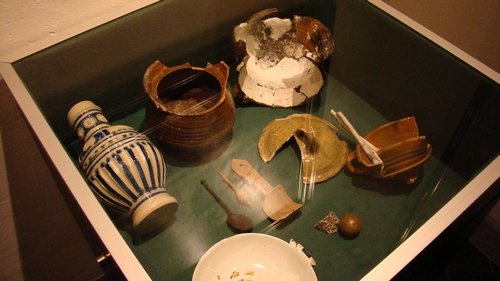
Workers digging the Noord/Zuidlijn metro found a granite grinding stone thirty meters down. Someone once stood at the Amstel mouth and sharpened tools here when the land was still wild marsh. The city has always been built on what it tried to bury.
The All Saints' Flood
A storm surge ripped open the IJ and turned the Amstel mouth into open sea. Terrified settlers threw up a dam of earth and wood. That crude barrier became Dam Square. The smell of saltwater still lingers in the name Damrak.
First written mention
Count Floris V granted the muddy settlement tax freedom across Holland. The parchment still exists. In exchange the people of Amestelledamme promised loyalty against the scheming Lords of Amstel. The bargain stuck.
City charter granted
The Bishop of Utrecht finally gave Amsterdam formal rights. A wooden church rose where the Oude Kerk stands today. Its bells rang over peat diggers and herring fishermen who suddenly belonged to something larger than their ditches.
Hamburg beer monopoly
The city won exclusive rights to import hopped beer from Hamburg. Barrels rolled off ships and straight into taverns along the Damrak. Amsterdam's first real fortune smelled of malt and saltwater.
The Alteratie
After years of clinging to Spain, Amsterdam switched sides in a single night. Protestant exiles poured in. Catholic clergy fled. The warehouses that once supplied the Duke of Alba now armed Dutch rebels. The city never looked back.
Birth of the VOC
Merchants on the Warmoesstraat pooled their money and created the world's first joint-stock company. Ships left from the IJ bound for Java. Returns sometimes reached 300 percent. Amsterdam learned early how to make distance pay.
Canal Ring begins
Three concentric canals were carved through marsh with mathematical precision. Herengracht, Keizersgracht, Prinsengracht. Each house had its own mooring pole. The smell of fresh clay hung over the city for decades.
Rembrandt arrives
A 26-year-old miller's son from Leiden rented rooms on the Breestraat. Within years his studio was cluttered with armor, exotic shells, and human skulls. Light from the tall north-facing windows still feels like his.
New Town Hall opens
The marble palace on Dam Square replaced the one lost to fire. Citizens walked across floors inlaid with maps of the known world. Upstairs, the burgomasters could literally stand on top of their empire.
Rampjaar disaster
France, England, and two German bishops attacked at once. The Dutch cut their own dikes. French soldiers reached Utrecht but never Amsterdam. The city survived by flooding its own countryside. Pride has rarely smelled so damp.
French troops enter
Revolutionary soldiers crossed frozen rivers and were welcomed by local patriots. The Batavian Republic replaced the old merchant oligarchy. The VOC, already bankrupt, was formally dissolved four years later. An empire ended with a signature.
Capital of the Kingdom
The new Dutch kingdom named Amsterdam its capital even though the government stayed in The Hague. The Royal Palace on the Dam, once a town hall, now housed kings who preferred not to live there. A compromise carved in stone.
Centraal Station opens
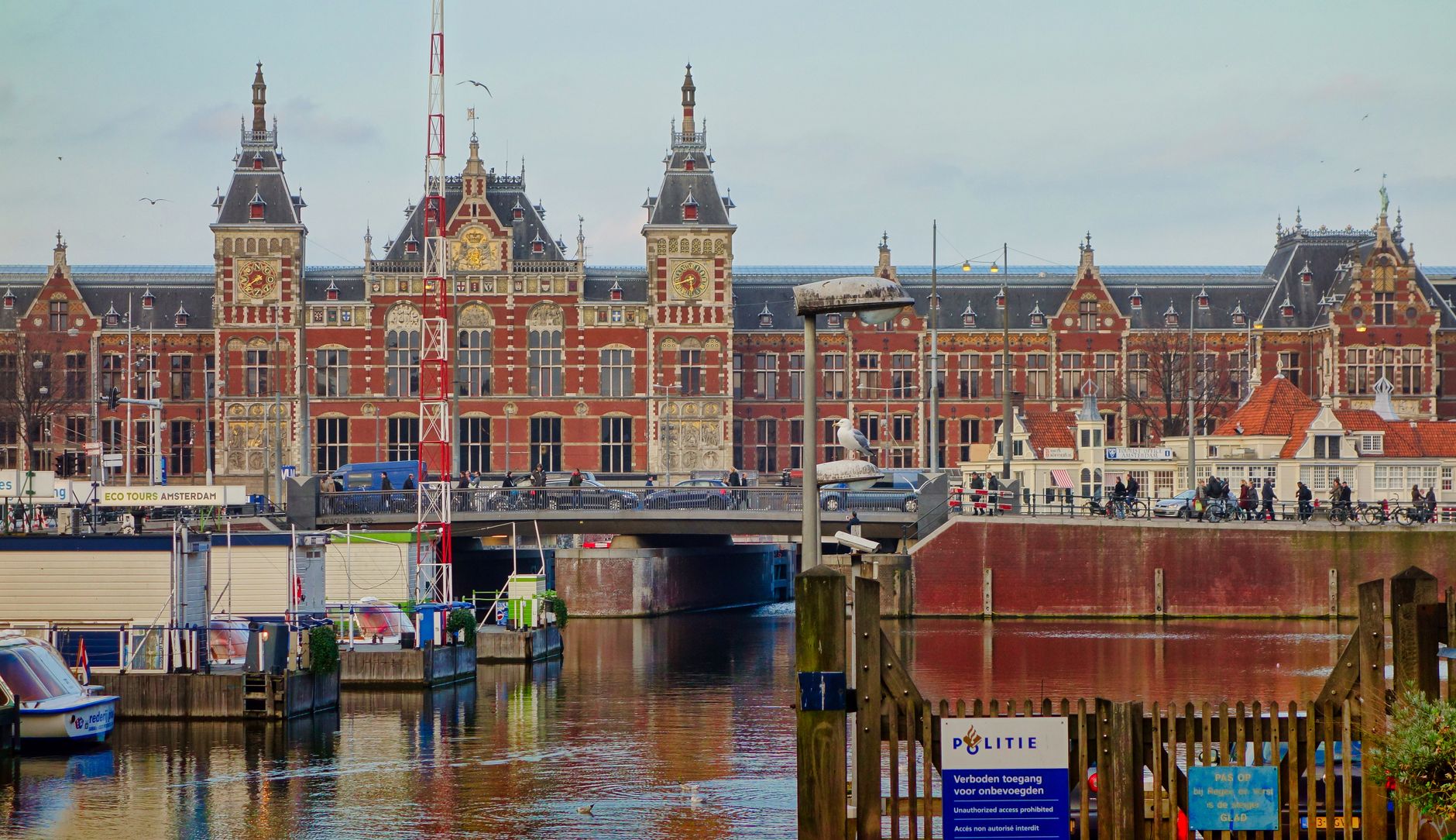
P.J.H. Cuypers built a red-brick cathedral to trains directly in front of the IJ. Fishermen complained it blocked their view of the water. Within a generation everyone agreed the city had turned its back on the sea and faced the future instead.
Olympic host city
Amsterdam welcomed the world to its first Games that let women run. The Olympic Stadium still stands in the south. Its brick arches remember the moment the city briefly became the center of disciplined international hope.
February Strike
Tram drivers and dockworkers walked out to protest the first roundups of Jewish citizens. For two days the city shut down in open defiance of the Nazis. It was the only such strike in occupied Europe. The Germans shot the ringleaders.
Liberation and hunger
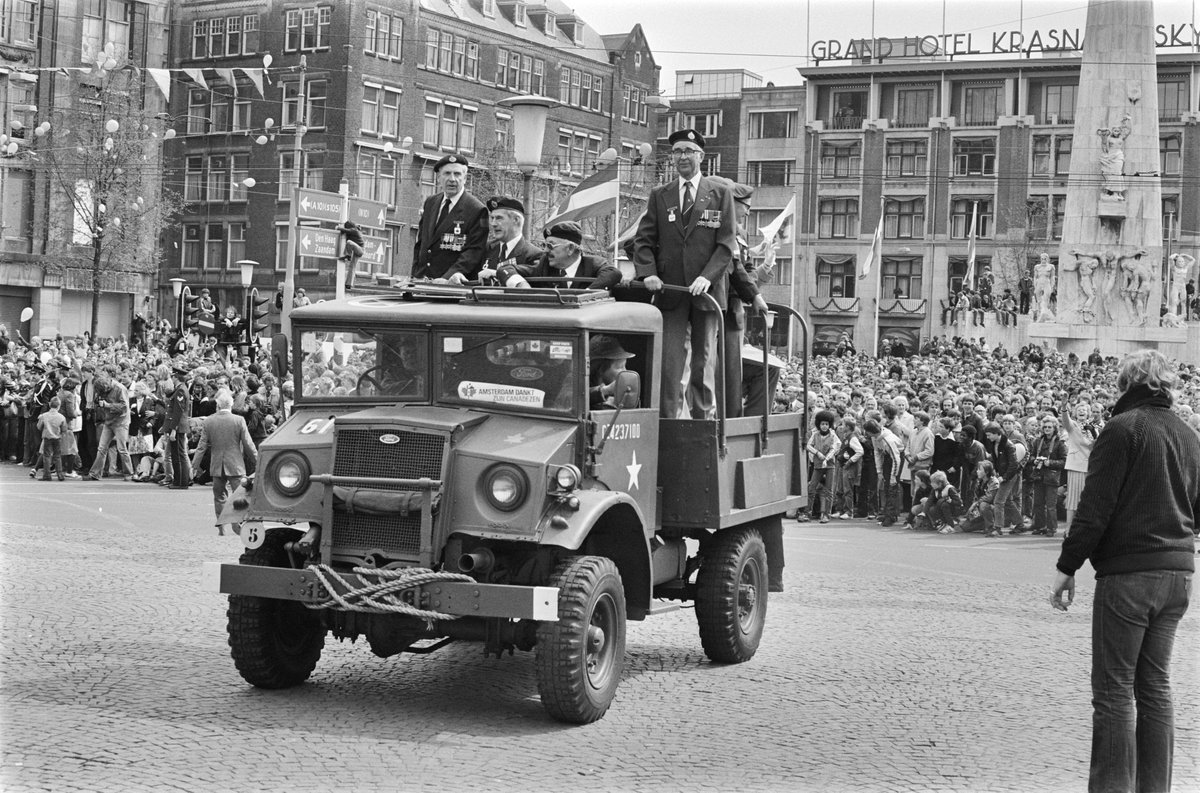
Canadian troops rolled in on 5 May. The Hunger Winter had already killed thousands. People boiled tulip bulbs on Prinsengracht. The joy of freedom arrived on empty stomachs and thin bicycles.
Provo smoke bombs
During Princess Beatrix's wedding procession on the Dam, young provocateurs released smoke bombs from the crowd. The white bride rode through black clouds. Amsterdam's counterculture announced itself with theatrical contempt for authority.
Cruyff's total football
Born on the streets behind Ajax's old De Meer stadium, Johan Cruyff had already changed how the world played. In 1988 his pupils lifted the European Championship. The city still claims both the man and the philosophy he left on every pitch.
First same-sex marriage
In the old city hall on the Dam four couples exchanged vows under Dutch law. The rest of the planet watched. Amsterdam had spent four centuries learning how to mind its own business and finally taught the lesson to everyone else.
Canals become UNESCO site
The entire Canal Ring received World Heritage status. Not a single building. The water itself. The decision felt overdue to locals who had been living inside a masterpiece for four hundred years.
Cruise ships banned
After years of debate the city voted to stop giant ships from docking near the center. The decision marked the first serious attempt to reclaim Amsterdam from its own popularity. The debate still echoes louder than any ship's horn.
Notable Figures
Rembrandt van Rijn
1606–1669 · PainterHe buried his wife Saskia in the Oude Kerk in 1642 and kept painting even after bankruptcy stripped him of his grand house on the Breestraat. Walk past Westerkerk at dusk and you can almost see the same golden light he chased across canvases. The city today would probably shock him with its crowds yet comfort him with its unchanged light.
Baruch Spinoza
1632–1677 · PhilosopherExcommunicated by his own Portuguese-Jewish community at 23, Spinoza ground lenses by day on the Houtgracht and wrote his Ethics by night. Amsterdam tolerated the heretic it had produced. He would likely smile at the city’s current stubborn independence and its endless debates in brown cafés.
Johan Cruyff
1947–2016 · FootballerBorn in Betondorp, he turned Ajax into Europe’s most stylish machine between 1971 and 1973. Total Football was invented on the cracked pitches of Amsterdam-East. The city still argues about him the way Italians argue about Dante. His statue outside the Johan Cruyff Arena gets flowers on every anniversary.
Anne Frank
1929–1945 · DiaristThe chestnut tree she watched from the Secret Annex on Prinsengracht finally fell in 2010. New saplings from its seeds now grow across the city. She wrote her most hopeful lines while the hunger winter tightened its grip. The queue outside her house each morning is the uncomfortable proof that her voice still travels farther than anyone expected.
Plan your visit
Practical guides for Amsterdam — pick the format that matches your trip.
Amsterdam Money-Saving Passes & Cards
Should you buy a pass in Amsterdam? Honest 2026 guide to city cards, museum passes, transport tickets, break-even math, and common ticket scams.
Amsterdam First-Time Visitor Tips — Skip the Queues, Dodge the Scams
Honest Amsterdam tips from a local: exact booking windows for Van Gogh and Rijksmuseum, real scam locations, OVpay transport tricks, and what to skip.
Photo Gallery
Explore Amsterdam in Pictures
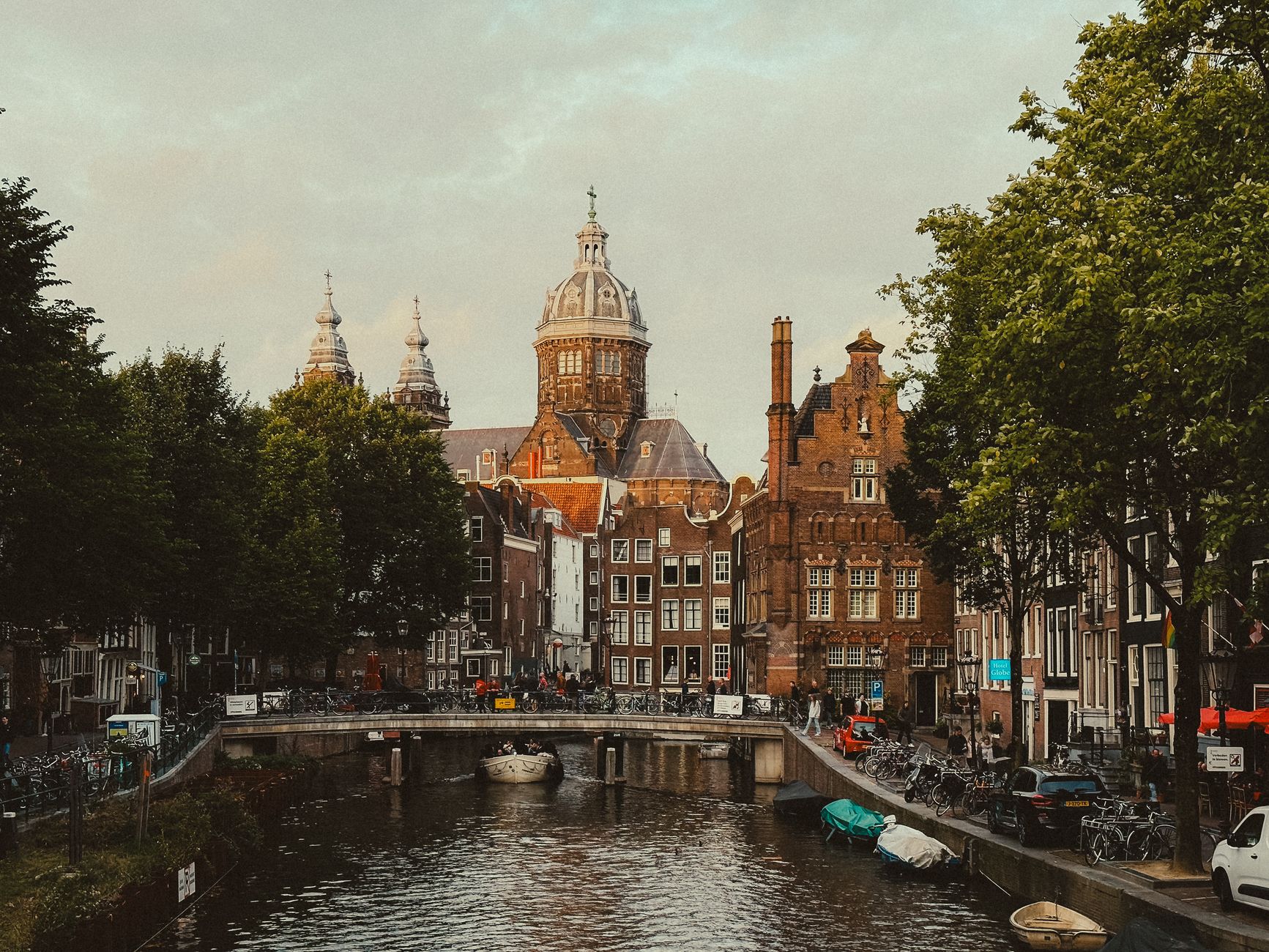
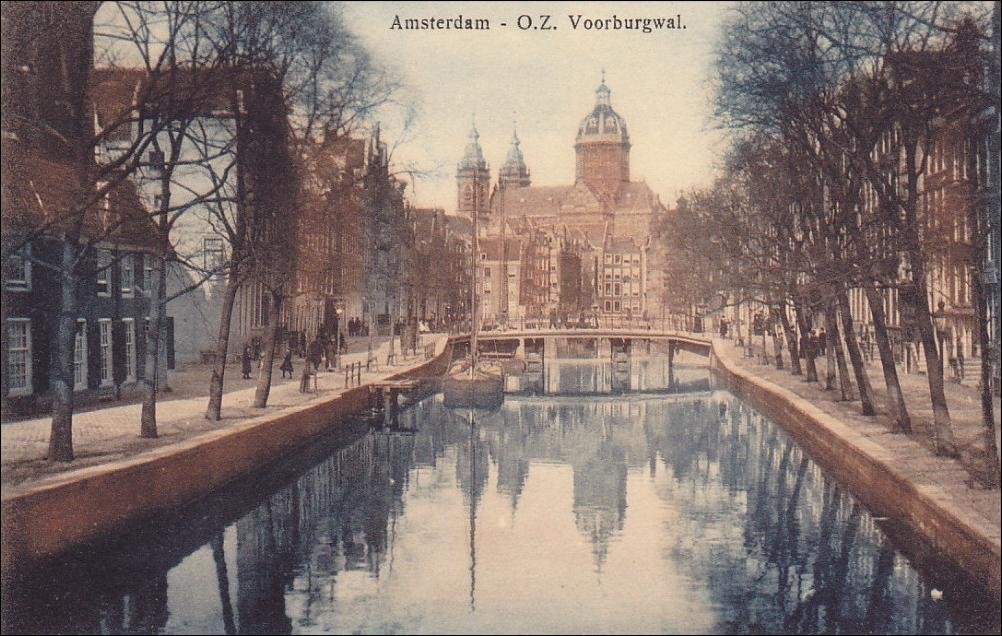
The iconic Basilica of Saint Nicholas towers over a picturesque canal in Amsterdam, Netherlands, during a soft, golden sunset.
Anh Nguyen on Pexels · Pexels License
A peaceful autumn day in Amsterdam, where a runner crosses a classic brick canal bridge surrounded by historic Dutch townhouses and golden trees.
Vinicius A. Nascimento on Pexels · Pexels License
The stunning Neo-Renaissance architecture of Amsterdam Central Station stands prominently along the city's iconic canal network.
Always Sunny Travels on Pexels · Pexels License
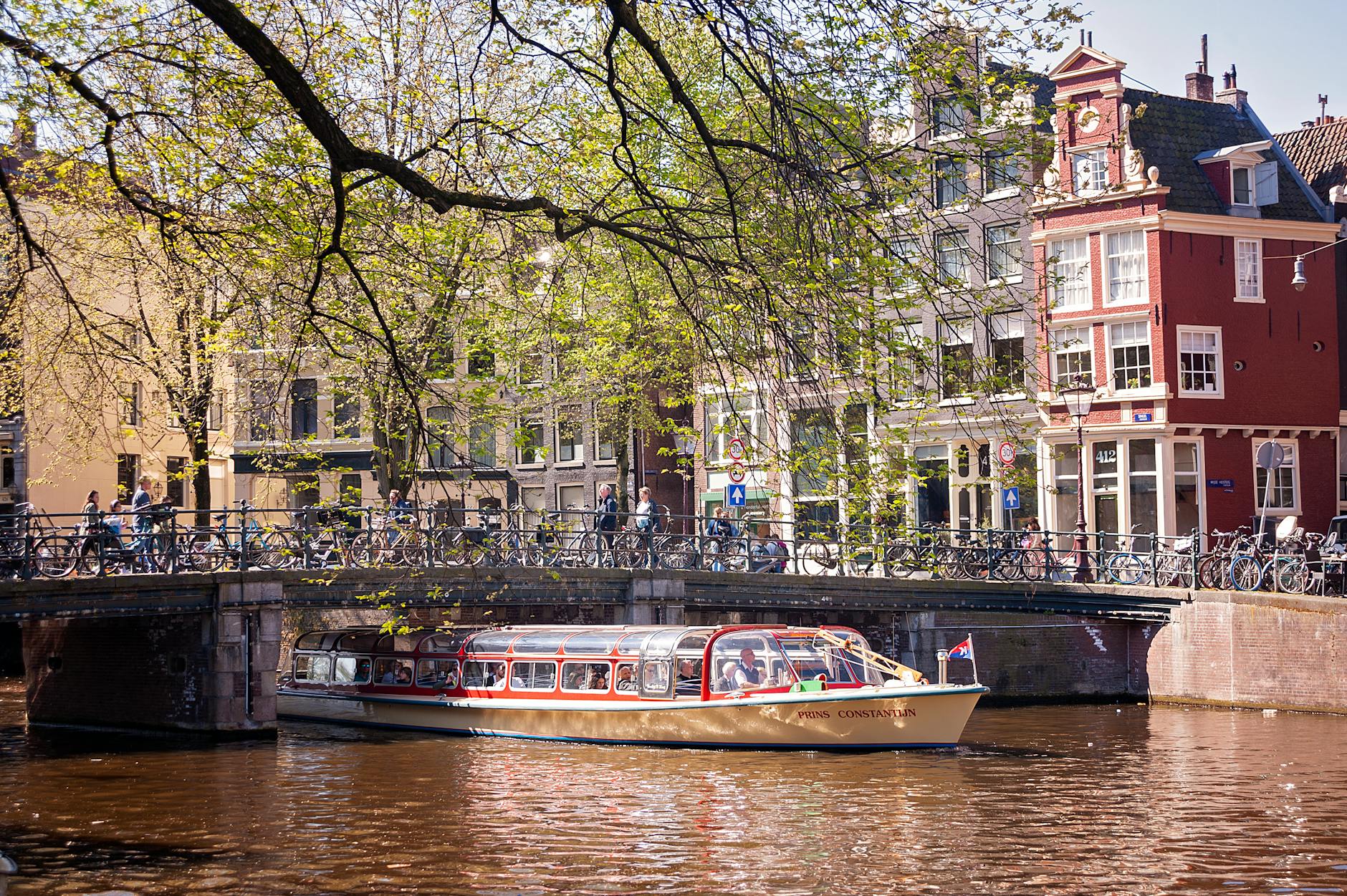
A classic glass-topped tour boat glides under a bridge lined with bicycles in the heart of Amsterdam, Netherlands.
Marcelo Verfe on Pexels · Pexels License
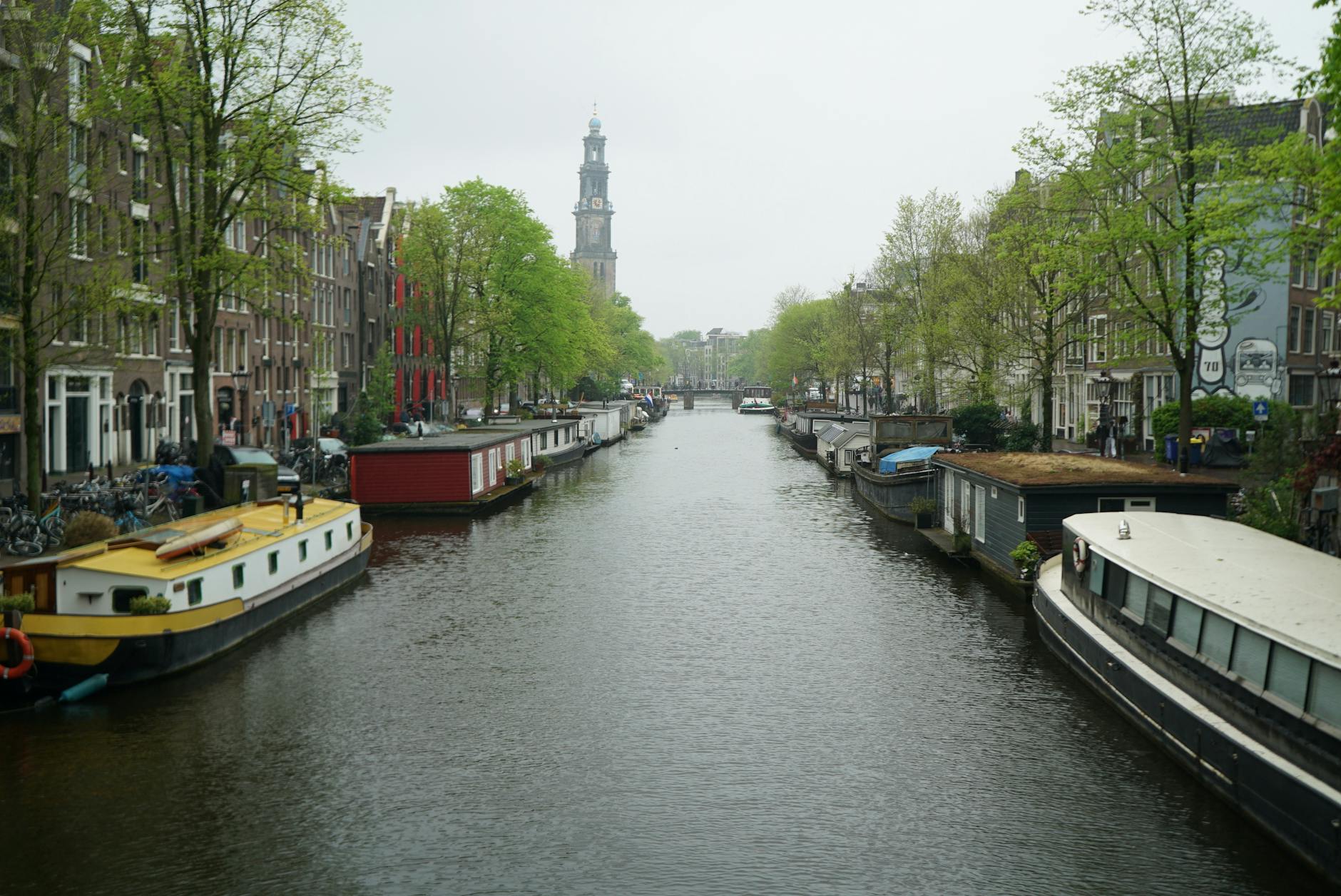
A peaceful view down an Amsterdam canal, lined with traditional Dutch architecture and houseboats, leading toward the historic Westerkerk tower.
Titouan Jullien on Pexels · Pexels License
A vibrant street view in Amsterdam, Netherlands, showcasing the city's iconic historic architecture alongside everyday urban life and bicycle culture.
Matheus Bertelli on Pexels · Pexels License
A peaceful view of a tree-lined canal in Amsterdam, Netherlands, showcasing the city's iconic architecture and tranquil waterways.
Tristan Wong on Pexels · Pexels License
A picturesque view of historic canal houses in Amsterdam, Netherlands, lined with bicycles parked along the bridge.
Tony Wu on Pexels · Pexels License
Iconic narrow canal houses line the water in Amsterdam, Netherlands, under a cloudy sky with a canal boat passing by.
Craig Adderley on Pexels · Pexels License
The iconic Basilica of Saint Nicholas stands tall over the Amsterdam canal, where a vibrant orange canal cruise boat glides past a bustling bridge.
Hernan Berwart on Pexels · Pexels License
The historic architecture of Amsterdam shines at night, with the city's iconic canal houses reflecting beautifully on the water.
Emre Gencer on Pexels · Pexels License
Traditional Dutch canal houses line the water in Amsterdam, Netherlands, creating a picturesque scene with tour boats docked in the foreground.
Craig Adderley on Pexels · Pexels License
Practical Information
Getting There
Schiphol Airport (AMS) sits 17 km southwest. NS trains run direct to Amsterdam Centraal every 10 minutes and take 15–17 minutes (€5.90 in 2026). Bus 397 reaches Museumplein and Leidseplein in about 30 minutes. No major international trains terminate here; almost everyone arrives by air.
Getting Around
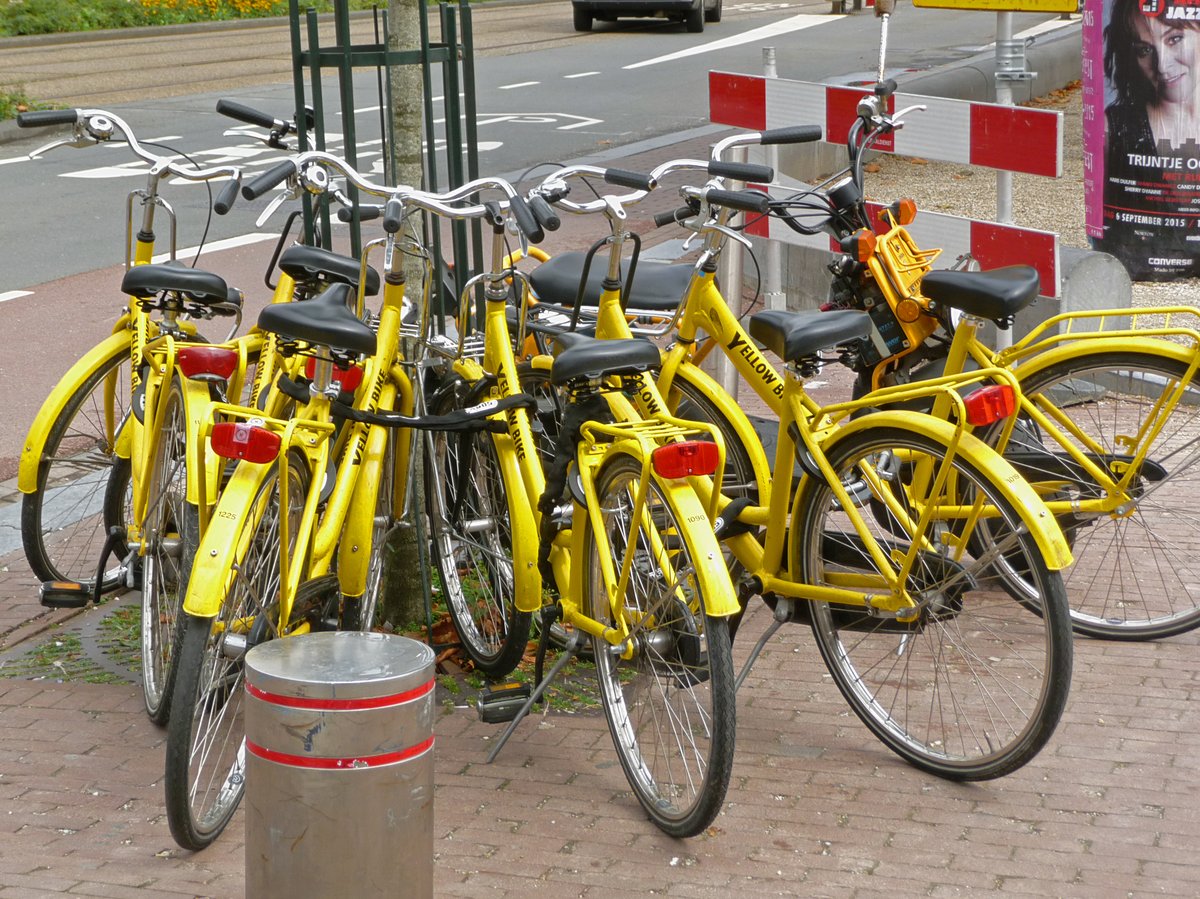
GVB runs the metro (5 lines, M52 Noord-Zuidlijn most useful), 15 tram routes, buses and free IJ ferries. A 72-hour GVB ticket costs €21.50 in 2026 and works on everything except the Airport Express. OVpay with a contactless card caps at €10.50 per day. Rent a bike. The city is built for it.
Climate & Best Time
Winter averages 5 °C high, 1 °C low with grey rain. July and August reach 22 °C but bring the thickest crowds. May, early June and September give 18–20 °C days, tolerable rain and far fewer tour groups. October is the wettest month. Pack a rain jacket no matter when you come.
Language & Currency
Everyone under 50 speaks fluent English, often better than you do. Dutch is rarely needed beyond "dank je wel". The euro is used everywhere. Contactless cards and Apple Pay work in almost every shop and restaurant. Carry €20–50 cash for the occasional old brown café or market stall.
Where to Eat
Don't Leave Without Trying
Van Stapele Koekmakerij
quick biteOrder: The stroopwafel is the reason people queue here—crispy waffle with caramel filling, best eaten warm and still gooey. Don't miss their cookies either.
This is the real deal: a proper stroopwafel specialist with 14,500+ reviews and a 4.8 rating. Locals and visitors alike consider it Amsterdam's best stroopwafel stop.
De Koffieschenkerij
cafeOrder: Coffee and fresh pastries in a historic setting overlooking the Oude Kerk. The Dutch apple pie and croissants are solid, but go for the atmosphere as much as the food.
Perched on one of Amsterdam's most charming squares, this is where locals grab coffee and a pastry before work. Genuine neighborhood cafe energy, not a tourist trap.
Sterk Amsterdam
cafeOrder: Their sourdough bread and morning pastries are excellent. Grab a coffee and a fresh croissant or sandwich—this is the kind of place where the neighborhood actually eats.
Open until 1:00 AM, which is rare for a bakery. Located in the residential Westerpark area, it's a true local haunt where you'll see actual Amsterdam residents, not tour groups.
Chocolaterie Pompadour
quick biteOrder: The artisanal chocolates and handmade pralines are the reason to come here. Each piece is a small work of art—the ganache is silky, the flavors are unexpected and refined.
This isn't mass-produced chocolate. Pompadour is serious about their craft, and every truffle shows it. A splurge-worthy treat on a beautiful canal-side street.
Beer Tasting Room In The Wildeman
local favoriteOrder: Explore the rotating beer list—over 200 beers on tap and hundreds more in bottles. Pair with Dutch cheese or a simple snack; the beer is the star here.
A proper beer lover's bar in the heart of the old city, with knowledgeable staff who actually care about what you're drinking. This is where locals go when they want to take beer seriously.
The Dylan
local favoriteOrder: Cocktails are the draw here—well-crafted drinks in an elegant setting. The bar snacks are solid, but you're really here for the drinks and the canal-side vibe.
Located on one of Amsterdam's most picturesque canals, The Dylan feels like a refined escape from the busier tourist zones. Open 24 hours, so you can stop by whenever inspiration strikes.
The Coffee Virus
cafeOrder: The coffee is serious here—quality beans, proper technique. Pair it with a fresh pastry. This is a spot where the barista actually cares about your espresso.
Located in Noord (across the IJ), this is where Amsterdam's coffee-conscious crowd hangs out. It feels less touristy than central spots, and the coffee is genuinely excellent.
Ambassade Hotel
local favoriteOrder: Cocktails and wine in a sophisticated canal-side setting. The bar snacks are well-executed; order something small and enjoy the atmosphere and canal views.
This is Amsterdam hospitality done right—elegant without being stuffy, on a gorgeous stretch of Herengracht. Open 24 hours, making it perfect for late-night drinks or a morning coffee.
Dining Tips
- check Markets are where locals eat: Albert Cuyp Market and Dappermarkt are hubs for cheap, authentic street food and fresh produce.
- check Stroopwafels are best eaten warm—many bakeries will heat them for you over a cup of coffee.
- check Raw herring stands are scattered throughout the city and offer some of Amsterdam's most authentic quick eats.
- check Amsterdam's food scene is multicultural: don't miss Surinamese takeaways and Ethiopian spots alongside Dutch classics.
Restaurant data powered by Google
Tips for Visitors
Visit in April
April brings King’s Day on the 27th with its orange chaos and free markets on every canal bridge. Book trains and hotels early, the city swells to over a million.
Skip the GVB day ticket
Buy a 24- or 48-hour Amsterdam Travel Ticket instead. It includes the airport train from Schiphol plus unlimited trams, buses and metro, saving €8–12 versus separate tickets.
Respect the houseboat rule
Never step onto a houseboat without explicit invitation. Amsterdammers treat them as private homes with curtains rarely drawn; the breach of privacy is considered rude.
Eat herring before noon
Locals prefer raw herring with onions and pickles at the Albert Cuypmarkt stalls before lunch. The fish is at its fattest and sweetest from May to July.
Keep noise down after 22:00
Amsterdam enforces strict evening noise rules, especially in residential Jordaan and De Pijp. Police hand out €95 fines for loud canal-side singing or bicycle bell ringing past 10 pm.
Photograph from the water
Take the free IJ ferry from Centraal Station to Noord at golden hour. The city’s gabled skyline reflected in the IJ looks completely different from the water and avoids the crowded bridges.
Explore the city with a personal guide in your pocket
Your Personal Curator, in Your Pocket.
Audio guides for 1,100+ cities across 96 countries. History, stories, and local insight — offline ready.
Audiala App
Available on iOS & Android
Join 50k+ Curators
Frequently Asked
Is Amsterdam worth visiting? add
Yes, if you like cities that feel like lived-in museums with 165 canals. The 2010 UNESCO-listed Canal Ring still works as drainage, transport and real estate four centuries after digging. Just avoid peak summer weekends when 20,000 daily cruise passengers clog the center.
How many days do you need in Amsterdam? add
Three full days let you see the Rijksmuseum, Anne Frank House and a canal boat tour without rushing. Four days add a full afternoon in Noord or a bike ride through Vondelpark and the Amsterdamse Bos. Five days prevent the sense that you only saw the postcard version.
How do you get from Schiphol Airport to Amsterdam city centre? add
The NS Intercity train from Schiphol station to Amsterdam Centraal takes 15 minutes and runs every 10 minutes from 06:00 until midnight. A single ticket costs €6.20 using the NS app. Avoid the airport taxi queue; the train drops you steps from the IJ ferries.
Is Amsterdam safe for tourists? add
Pickpocketing happens around Centraal Station and the Red Light District after dark. Violent crime against visitors is rare. The biggest risk is bicycles; they treat red lights as suggestions and can hit 30 km/h on narrow streets. Look both ways twice.
When is the best time to visit Amsterdam? add
Late April through early June gives tulips at Keukenhof, King’s Day chaos, and fewer tour buses than July and August. September offers the lowest hotel rates and the chance to see the city’s elm trees turn gold along the Herengracht.
How much does Amsterdam cost per day? add
Budget €160–190 daily in 2026 including the €14.50 tourist tax per night. A Rijksmuseum ticket is €22.50, a canal cruise €18, and a proper appeltaart at Winkel 43 costs €5.50. The city is not cheap but rewards those who eat at markets instead of restaurants.
Sources
- verified I amsterdam Official Neighbourhood & Food Guides — Neighbourhood descriptions, local food recommendations including best bitterballen and appeltaart at Winkel 43, and practical visitor tips.
- verified City of Amsterdam Municipal Documents 2026 — April 2026 municipal newspaper detailing King’s Day rules, tourist tax rates, enforcement notices and ongoing public works.
- verified UNESCO World Heritage Centre – Amsterdam Canal Ring — Official inscription details, construction timeline 1613–1662, and current preservation status.
- verified Wikipedia History of Amsterdam & List of People from Amsterdam — Timeline cross-checked against municipal sources and Pantheon.world for birth/death records of notable figures.
Last reviewed: