

Origins and Early Years (1786–1856)
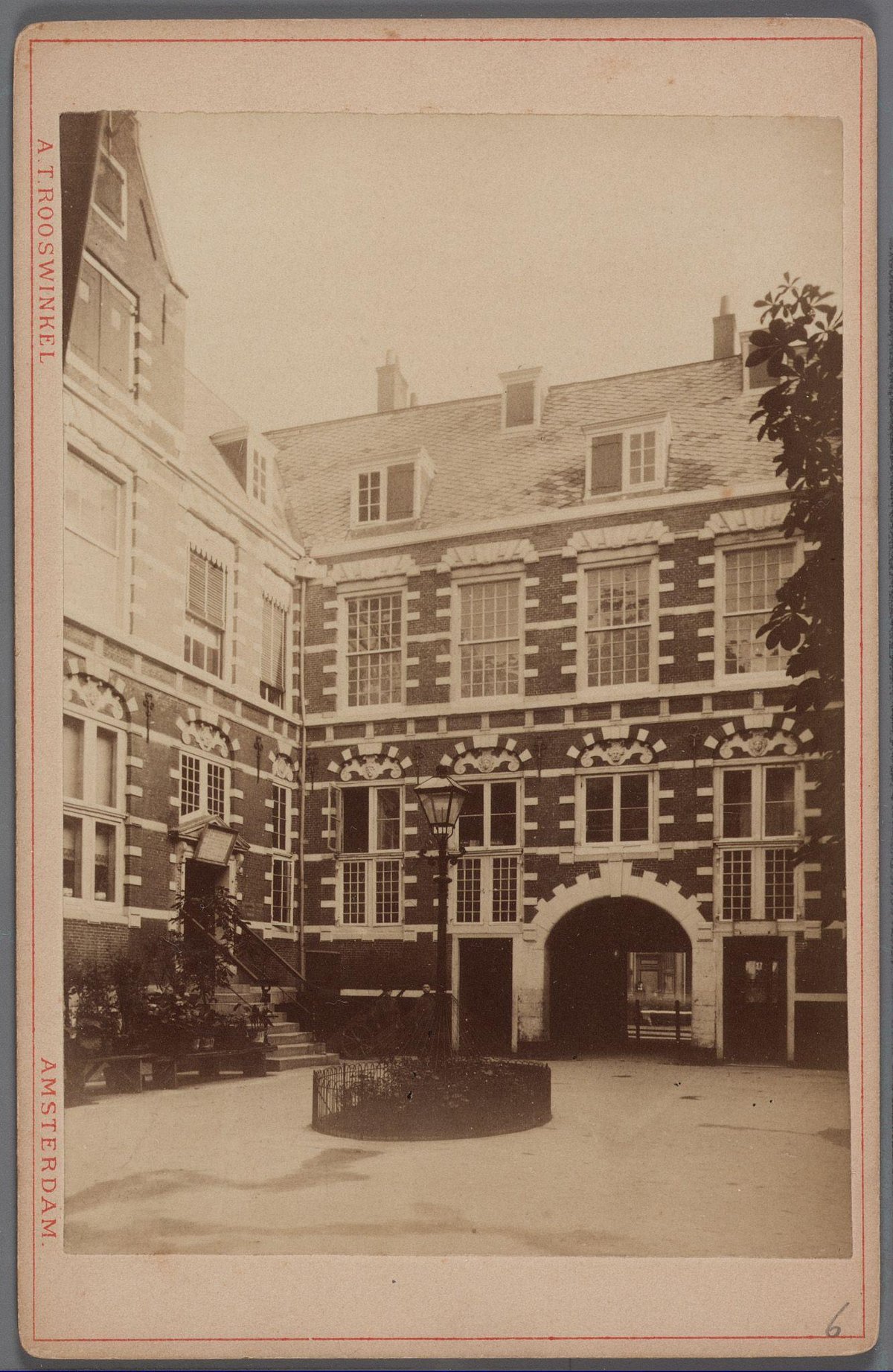
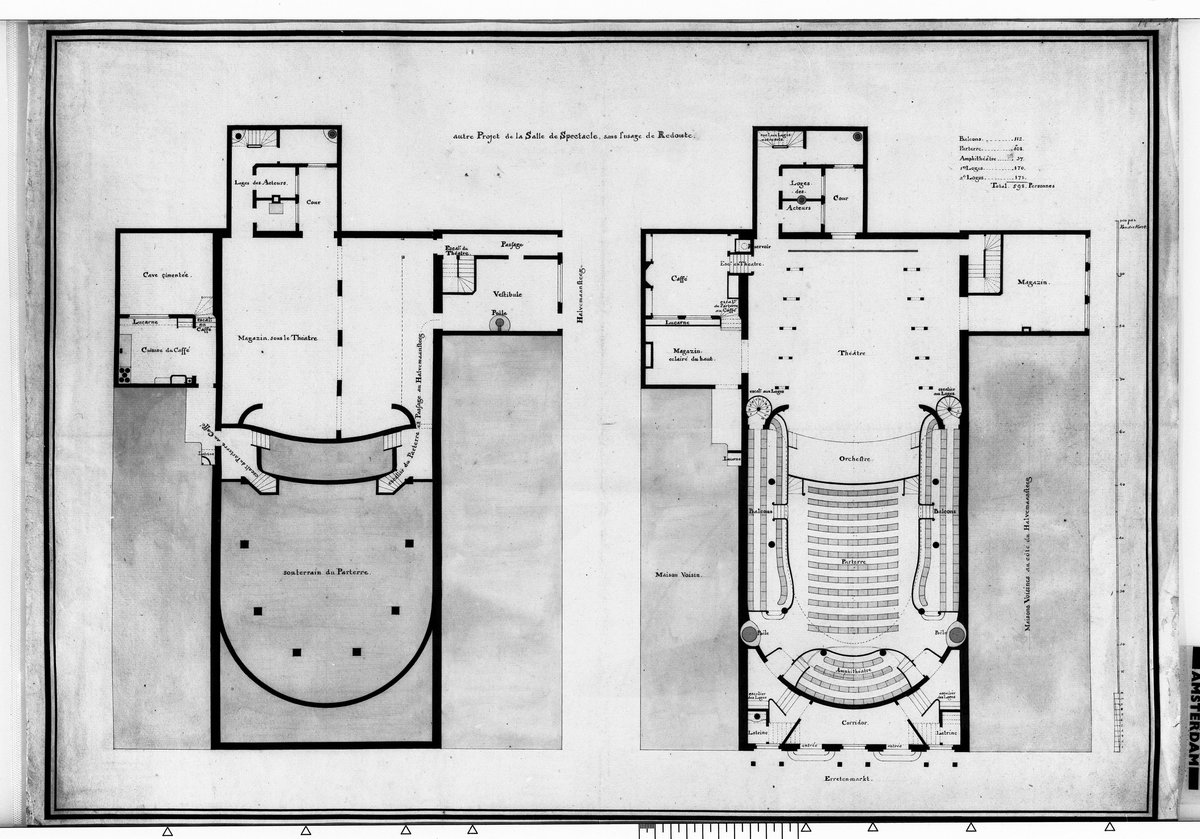
De Kleine Komedie was born in 1786 as the Theatre Français sur l’Erwtemarkt, reflecting the French cultural influence fashionable among the Dutch elite at the time (Musicalweb). Its Amstel location made it a social and cultural hub for both locals and visiting dignitaries, including King Willem I and Napoleon Bonaparte (Secret Amsterdam).
Transformations and Adaptation (1856–1947)
In 1856, shifting social dynamics saw the building repurposed as the Scottish Mission Church (Schotse Zendingskerk). It also hosted academic lectures for the Vrije Universiteit between 1880 and 1883, illustrating its role in Amsterdam’s intellectual life. From 1908 to 1935, it operated as Salvatori, a meeting hall, before becoming a bicycle storage facility during World War II—demonstrating its resilience through turbulent times (Musicalweb).
Post-War Revival (1947–1973)
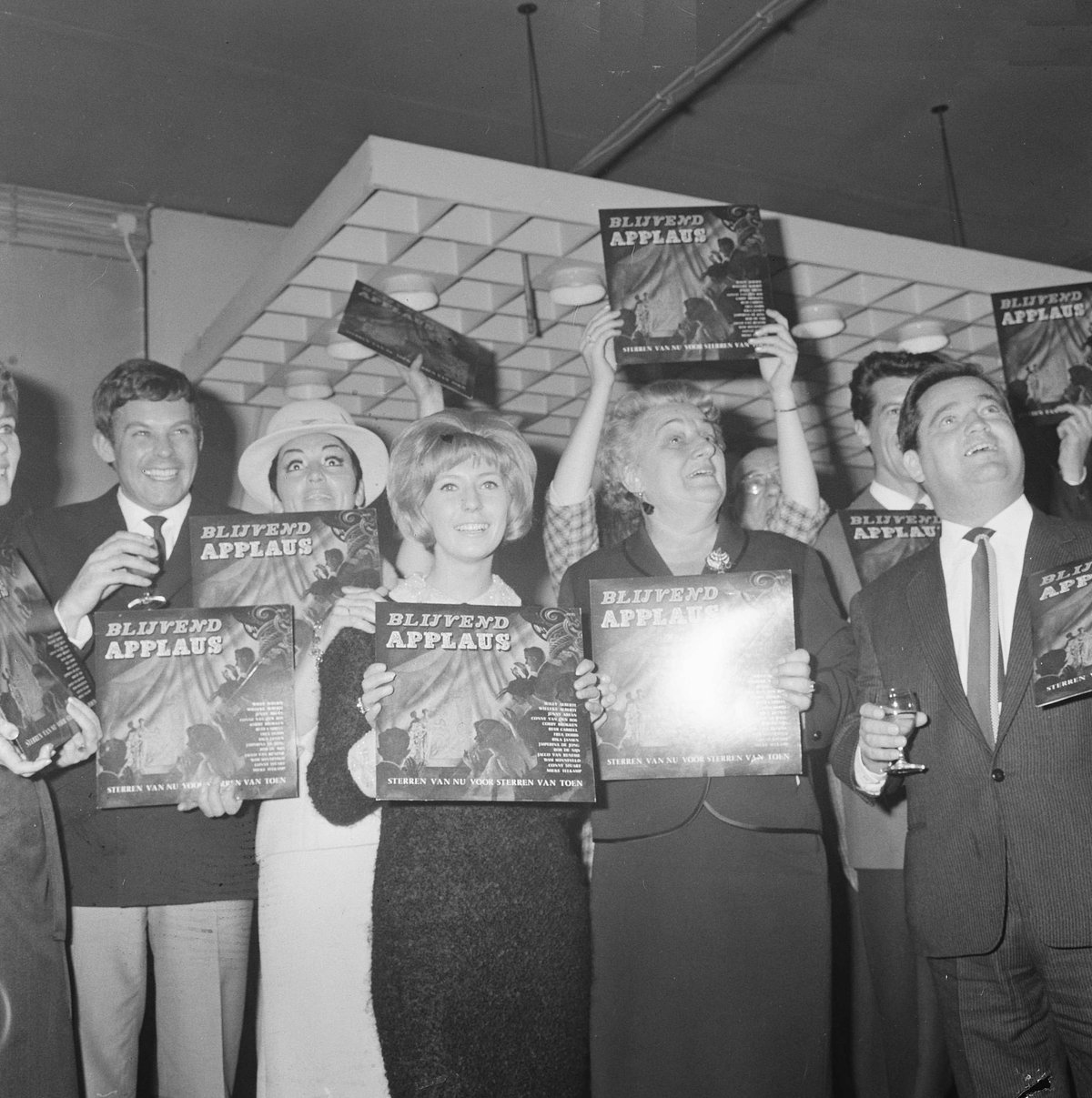
The theatre’s renaissance began in 1947, when it reopened as De Kleine Komedie. Dutch cabaret and kleinkunst flourished here, with both established and emerging artists taking the stage. Legends like Wim Kan, Toon Hermans, and Fons Jansen helped cement its status as a cradle for Dutch cabaret (Musicalweb).
Crisis and Modern Renaissance (1973–Present)
After a forced closure in 1973 due to safety concerns, the theatre was restored and reopened in 1978, thanks to private investment. Modern safety upgrades have allowed it to maintain its intimate charm while welcoming a new generation of artists. With around 500 seats, it remains a vital platform for cabaret, theatre concerts, and cross-genre performances (I amsterdam).
Visiting De Kleine Komedie
Location and Getting There
- Address Amstel 56-58, 1017 AC Amsterdam, Netherlands
- Public Transport Easily accessed by tram (lines 4, 9, 14, 24), metro (Waterlooplein, lines 51, 53, 54), and bus. Rembrandtplein and Waterlooplein stops are nearby (dekleinekomedie.nl).
- Cycling Bike racks available; arrive early to secure parking.
- Car Parking is limited and expensive. Closest garages include Stopera (Waterlooplein) and The Bank (Amstelstraat). Park+Ride facilities on the city’s outskirts offer a budget-friendly alternative (Mint Notion).
Opening Hours and Ticketing
- Box Office Opens from 16:00 on performance days (13:00 for matinees). The foyer opens 45 minutes before showtime.
- Showtimes Performances typically take place Tuesday to Sunday evenings, with matinees on weekends.
- Ticket Purchase Tickets are available via the official website, by phone (+31 20 624 05 34), or at the box office (dekleinekomedie.nl/agenda).
- Prices Range from €14 (restricted view) to €35 (premium seating), depending on event and seating category. Discounts may be available for students, CJP pass holders, and seniors (muziekladder.nl).
Accessibility
- Mobility The venue offers step-free access and designated seating for wheelchair users—contact the theatre in advance to arrange accommodations.
- Hearing Assistance Facilities for hearing-impaired guests may be available; inquire directly for current details.
- Assistance Friendly, English-speaking staff are available to help with any needs (Mint Notion).
Venue Experience and Facilities
- Seating Approximately 500 seats ensure an intimate atmosphere with excellent sightlines and acoustics.
- Cloakroom Staffed cloakroom, typically free of charge.
- Bar Serves drinks and light snacks before shows and during intermissions.
- Restrooms Accessible facilities available.
- Atmosphere Smart-casual dress is suitable. The audience is a lively mix of locals and visitors.
Note: Photography and recording during performances is prohibited.
Programming and Special Events
- Diverse Program Year-round cabaret, music, comedy, and spoken word, with most shows in Dutch. Some international or surtitled performances are accessible to non-Dutch speakers (I amsterdam).
- Annual Festivals The Amsterdams Kleinkunst Festival (AKF) is a highlight, featuring emerging talents and the prestigious AKF Sonneveldprijs.
- Special Events Occasional guided tours and live recording sessions enhance the cultural experience (Bandsintown).
Visitor Tips and Nearby Attractions
- Arrive Early Collect tickets, check coats, and settle in without rush; enjoy a stroll along the Amstel or a nearby café.
- Explore The theatre is walking distance from Rembrandtplein, Rijksmuseum, Van Gogh Museum, Anne Frank House, and canal cruises.
- Dining Many restaurants and bars nearby offer Dutch and international cuisine (yourlittleblackbook.me).
- Combine Experiences Pair a theatre visit with a canal cruise or drinks in Utrechtsestraat for a full Amsterdam evening.
FAQ
Q: What are the opening hours of De Kleine Komedie?
A: The box office opens at 16:00 on show days (13:00 for matinees), and the foyer opens 45 minutes before showtime.
Q: How can I buy tickets?
A: Tickets can be purchased online via the official website, by phone, or at the box office.
Q: Is De Kleine Komedie wheelchair accessible?
A: Yes, with step-free access and designated seating—contact the theatre to arrange.
Q: Are shows in English?
A: Most are in Dutch; check the event page for language details. Some international acts are accessible to non-Dutch speakers.
Q: Can I take photos inside the theatre?
A: Photography and recording during performances are not permitted.
Q: Are there age restrictions?
A: Family-friendly shows are offered, especially during holidays. Age restrictions may apply for late-night or adult-themed performances.
Visuals and Media
- Exterior view of De Kleine Komedie with the Amstel River in the background (alt: "De Kleine Komedie theater exterior Amsterdam historical site")
- Interior shot of the auditorium showing seating and stage (alt: "De Kleine Komedie visiting hours auditorium seating")
- Historic foyer photo (alt: "Historic foyer of De Kleine Komedie Amsterdam")
- Official photo gallery and virtual tour available on the website.