
History and Significance of the Rembrandt Monument
Origins and Early History
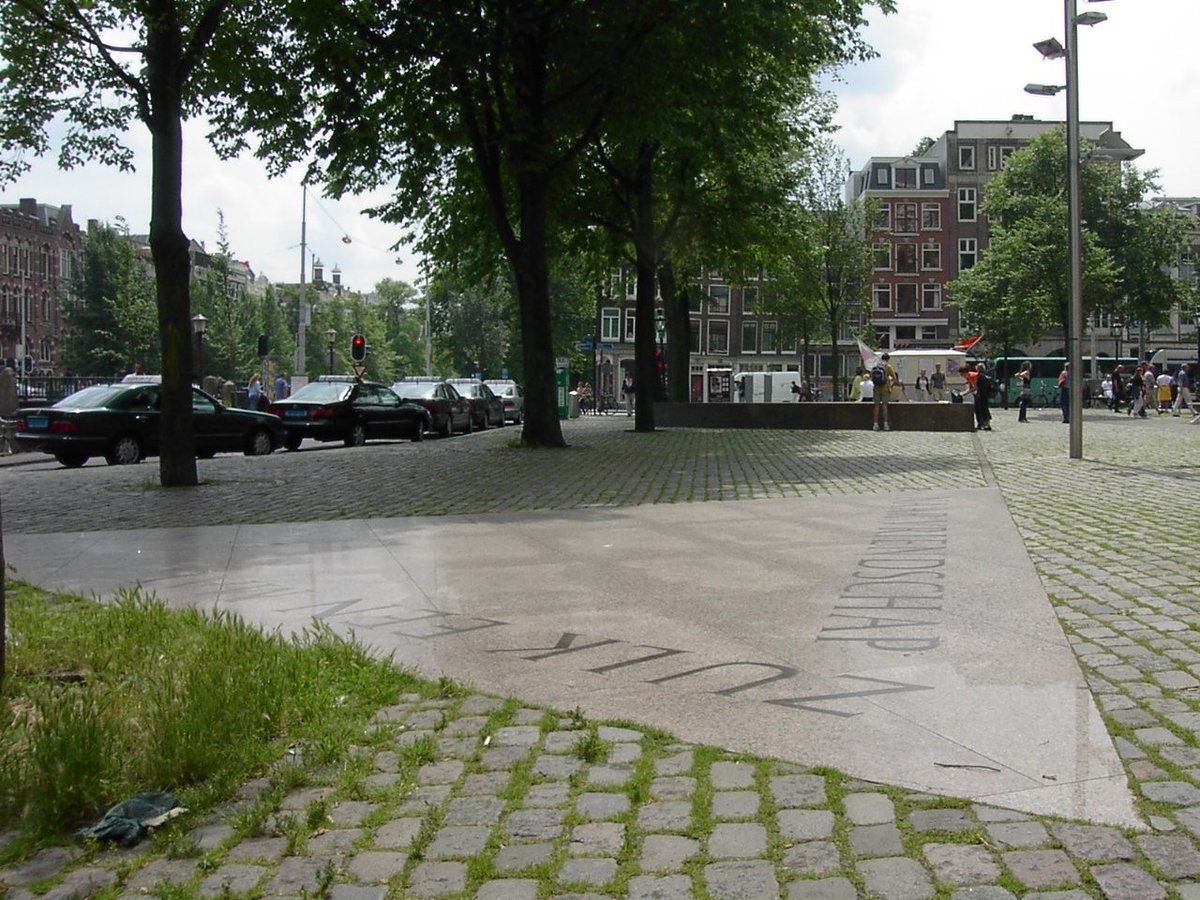
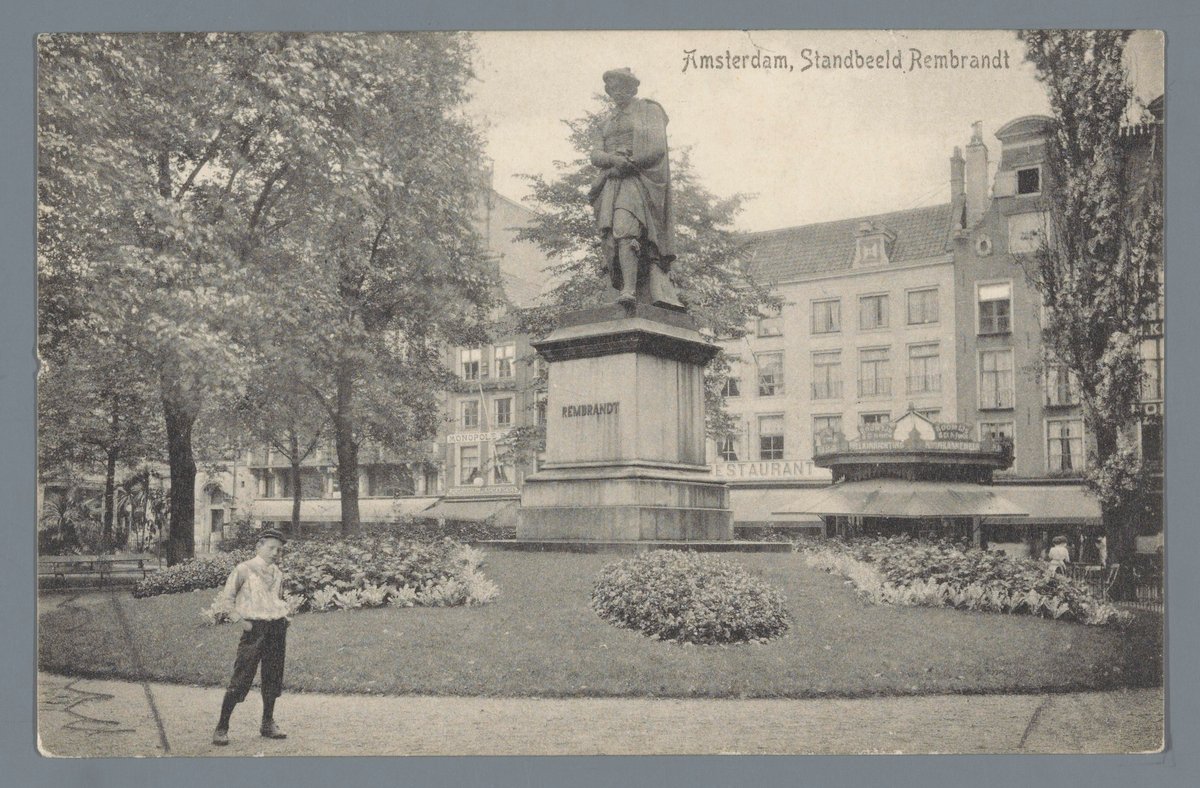
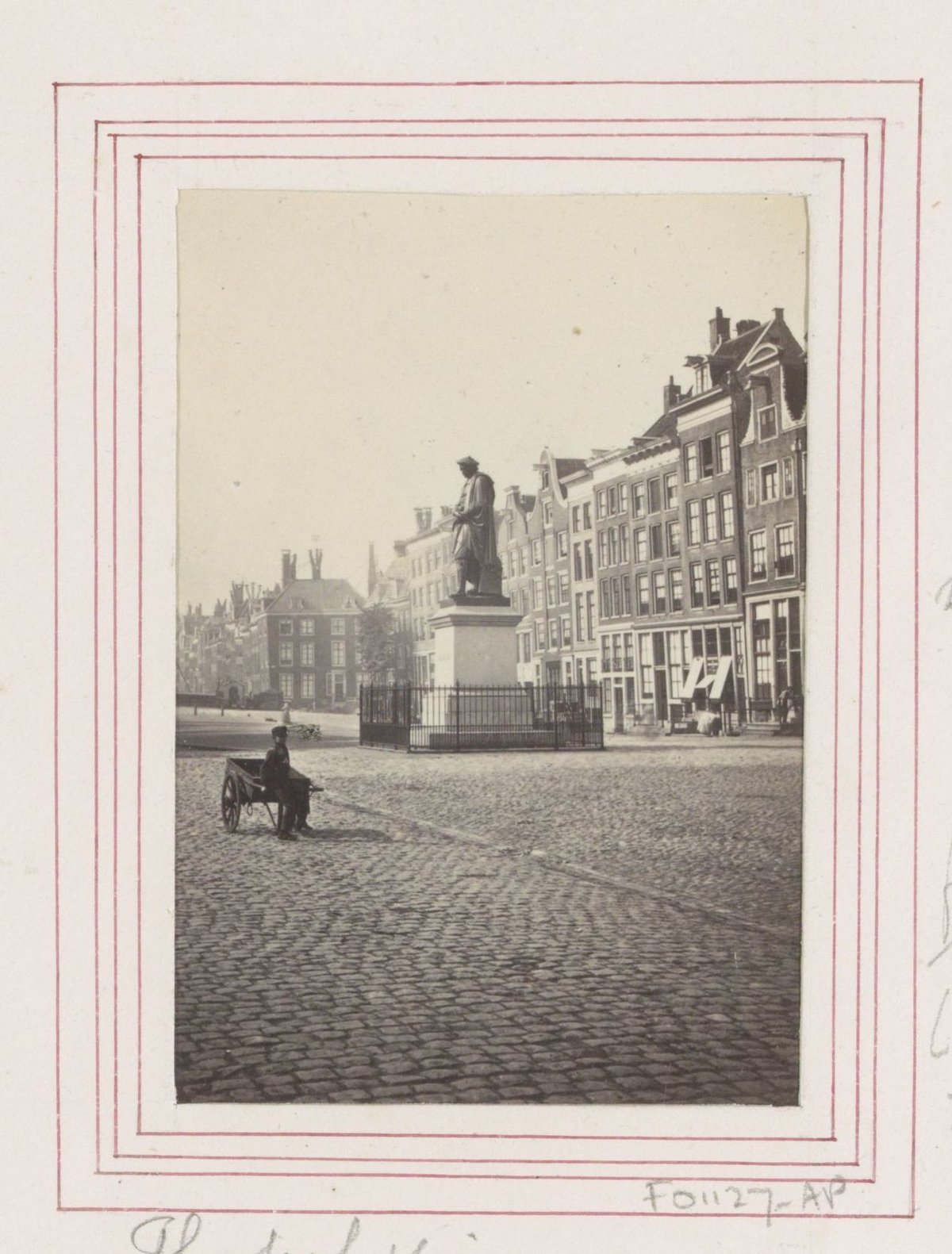
The Rembrandt Monument is situated in Rembrandtplein, Amsterdam, an area with a history dating back to the Middle Ages. Originally known as Regulierspoort, the square served as a defensive wall and gateway into the city. By 1655, as Amsterdam expanded, the area became known as Botermarkt (butter market) due to the farmers who sold dairy products there (Wikipedia).
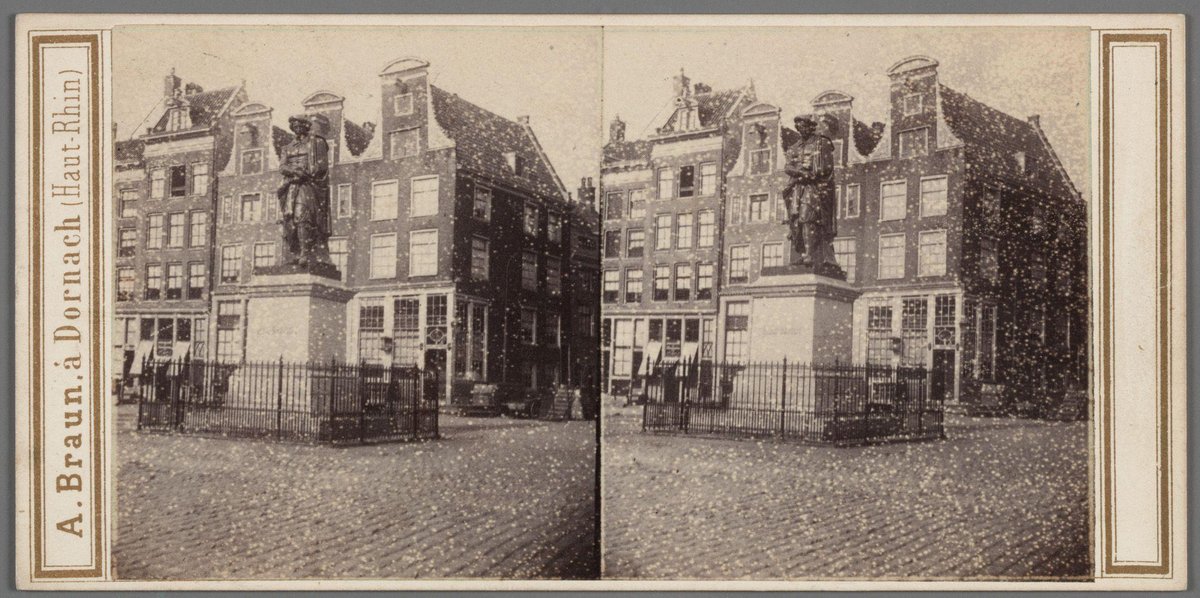
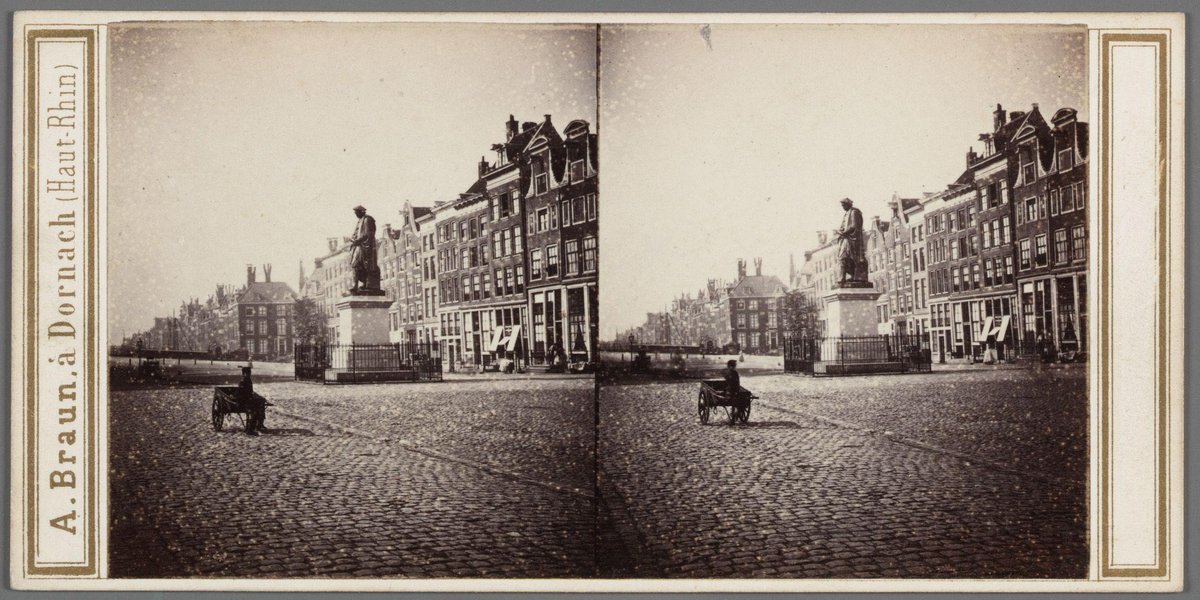
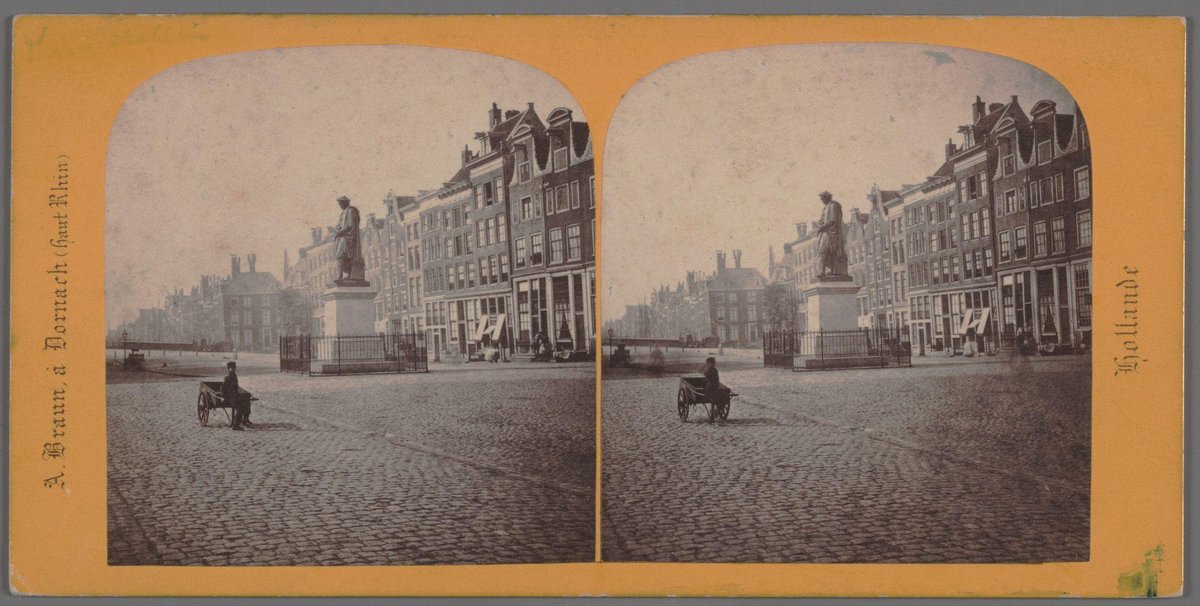
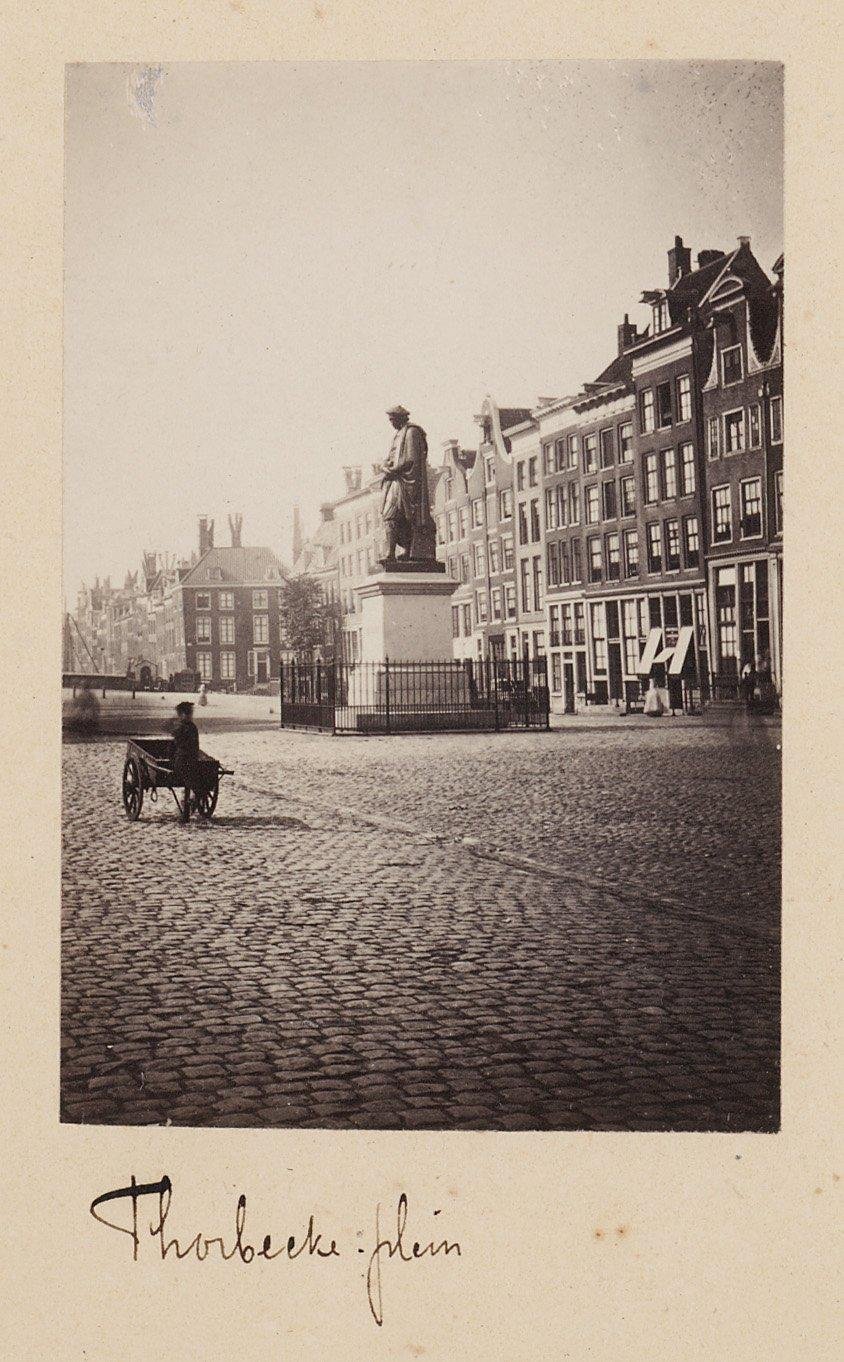
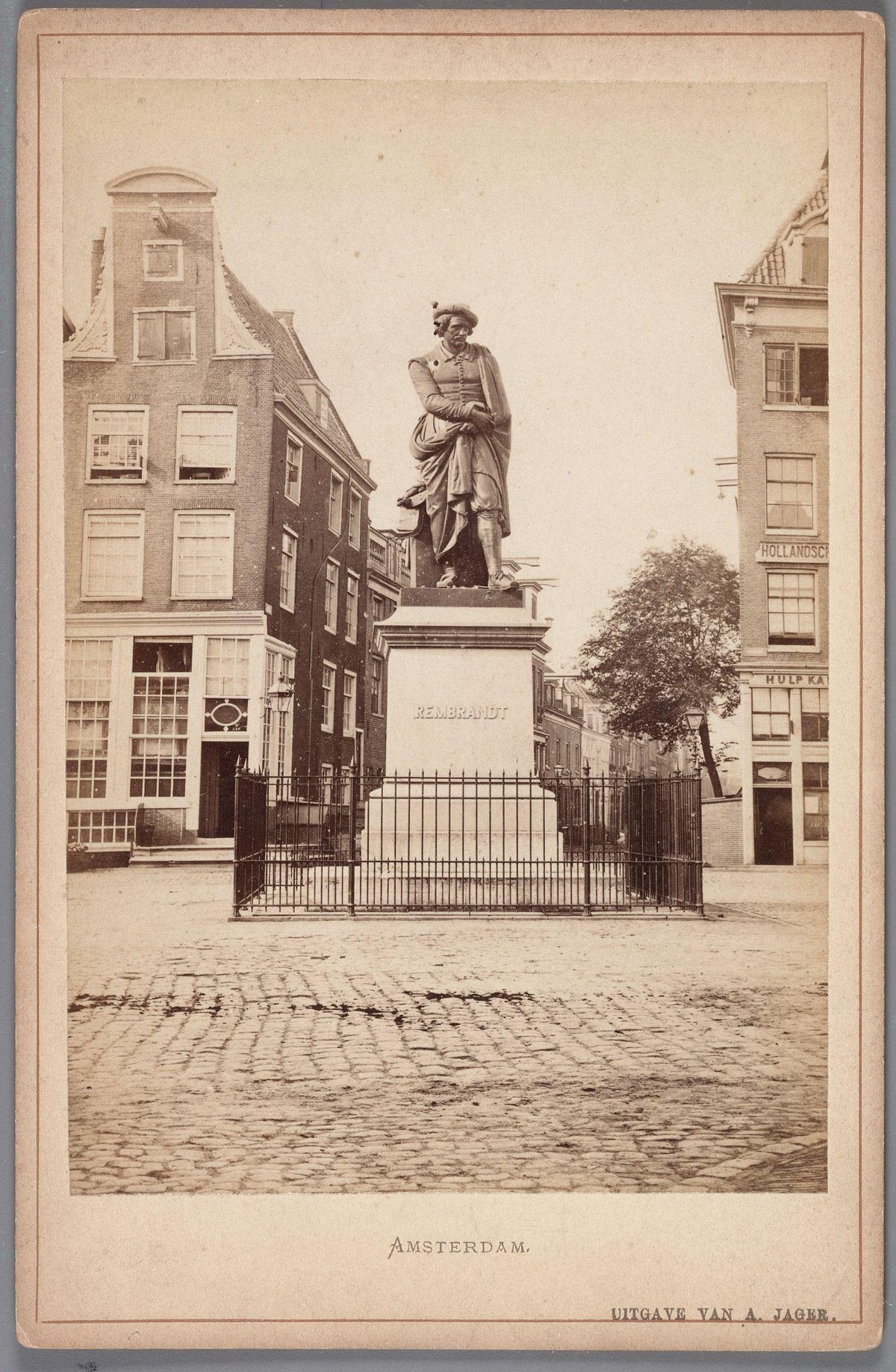
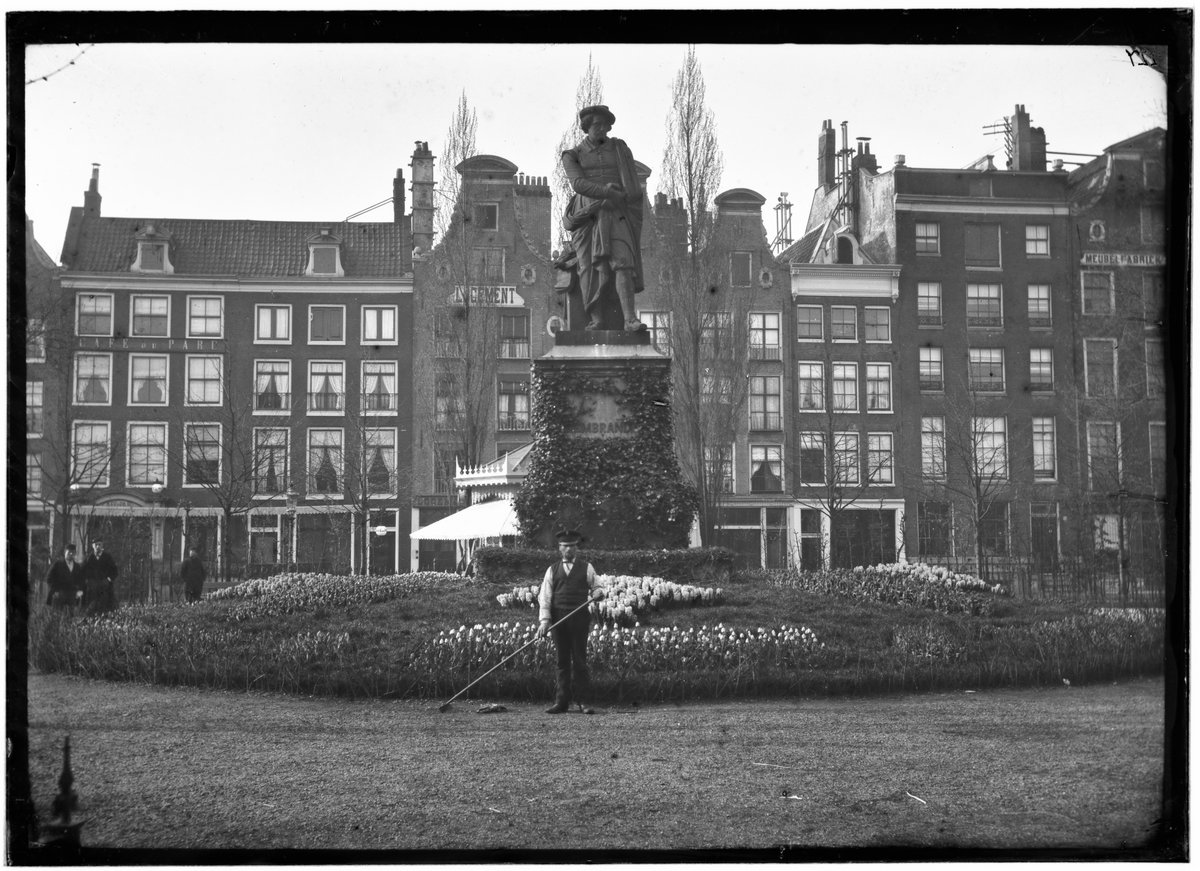
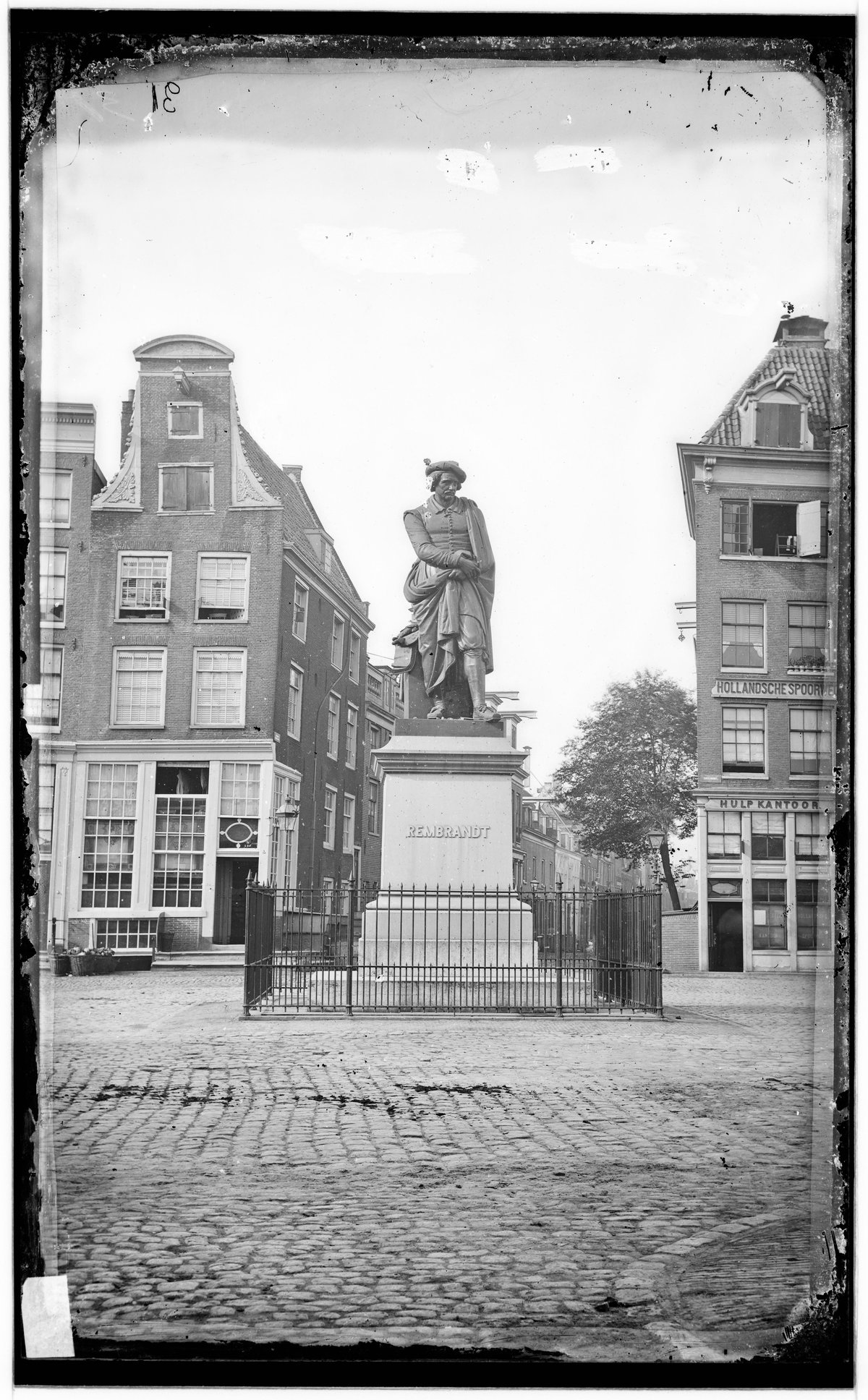
In 1668, the square featured a Waaggebouw or weigh house, and each autumn, it hosted a fair. This tradition continued until 1876 when a statue of Rembrandt by Louis Royer was moved to the square's center, renaming it Rembrandtplein (Wikipedia).
The Monument's Creation
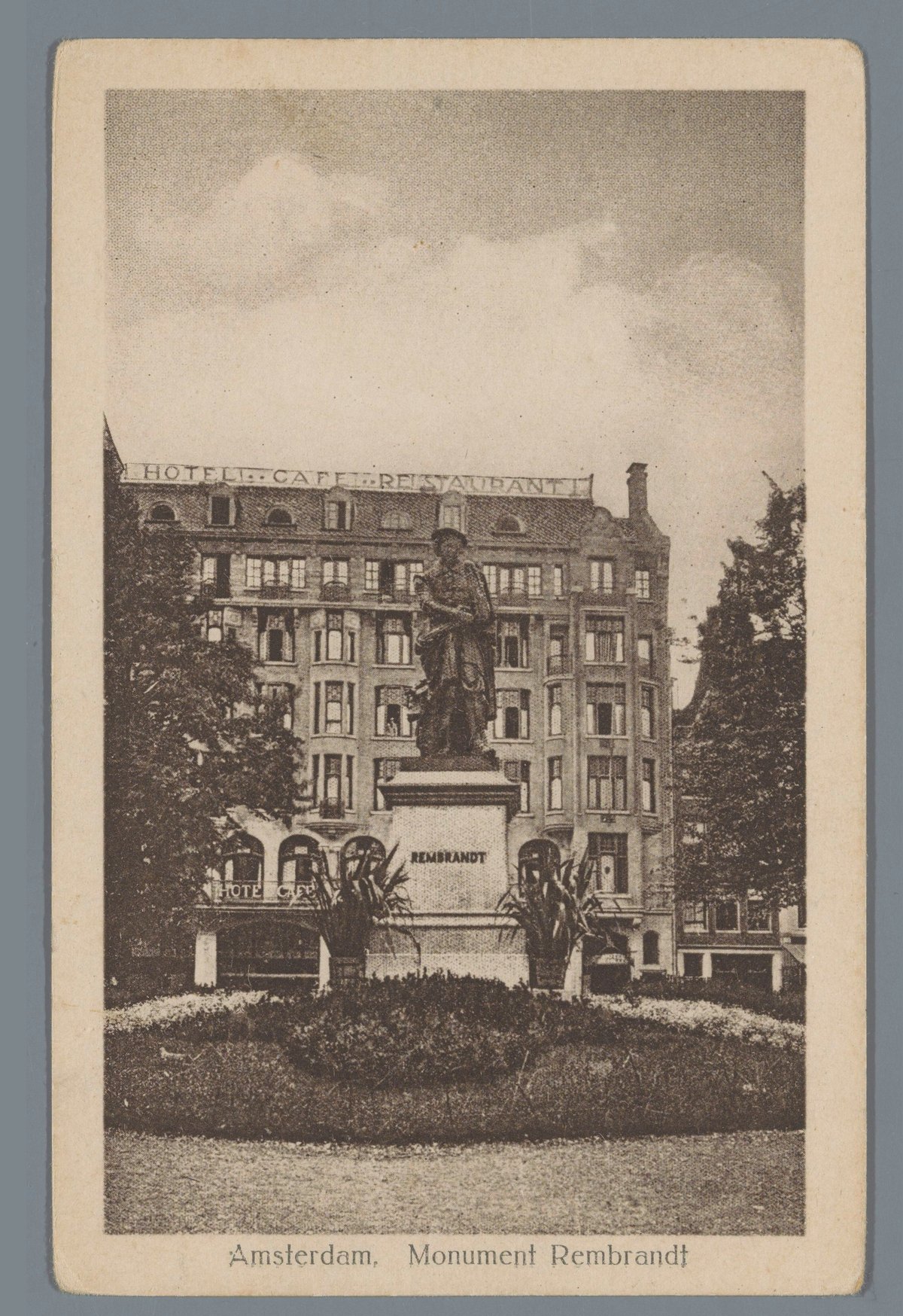
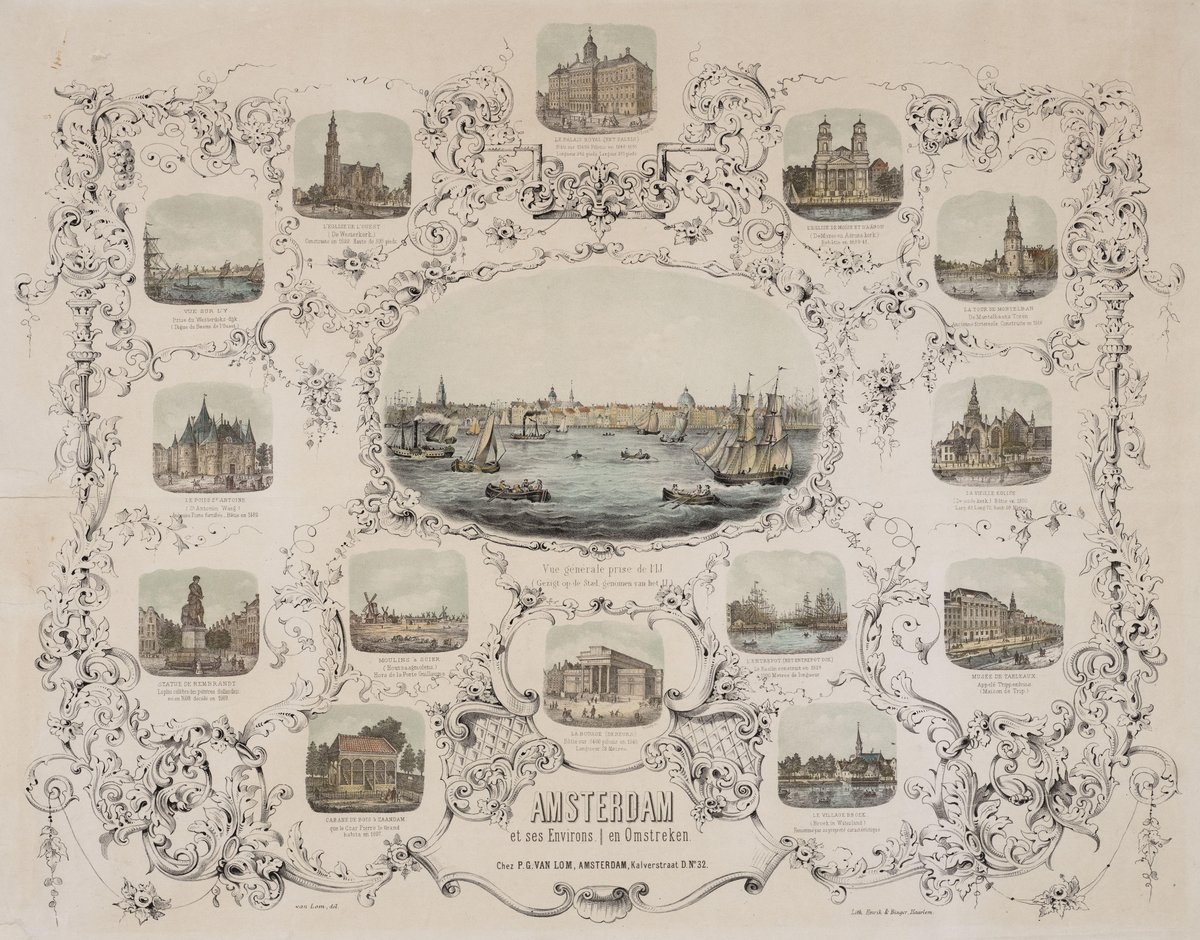
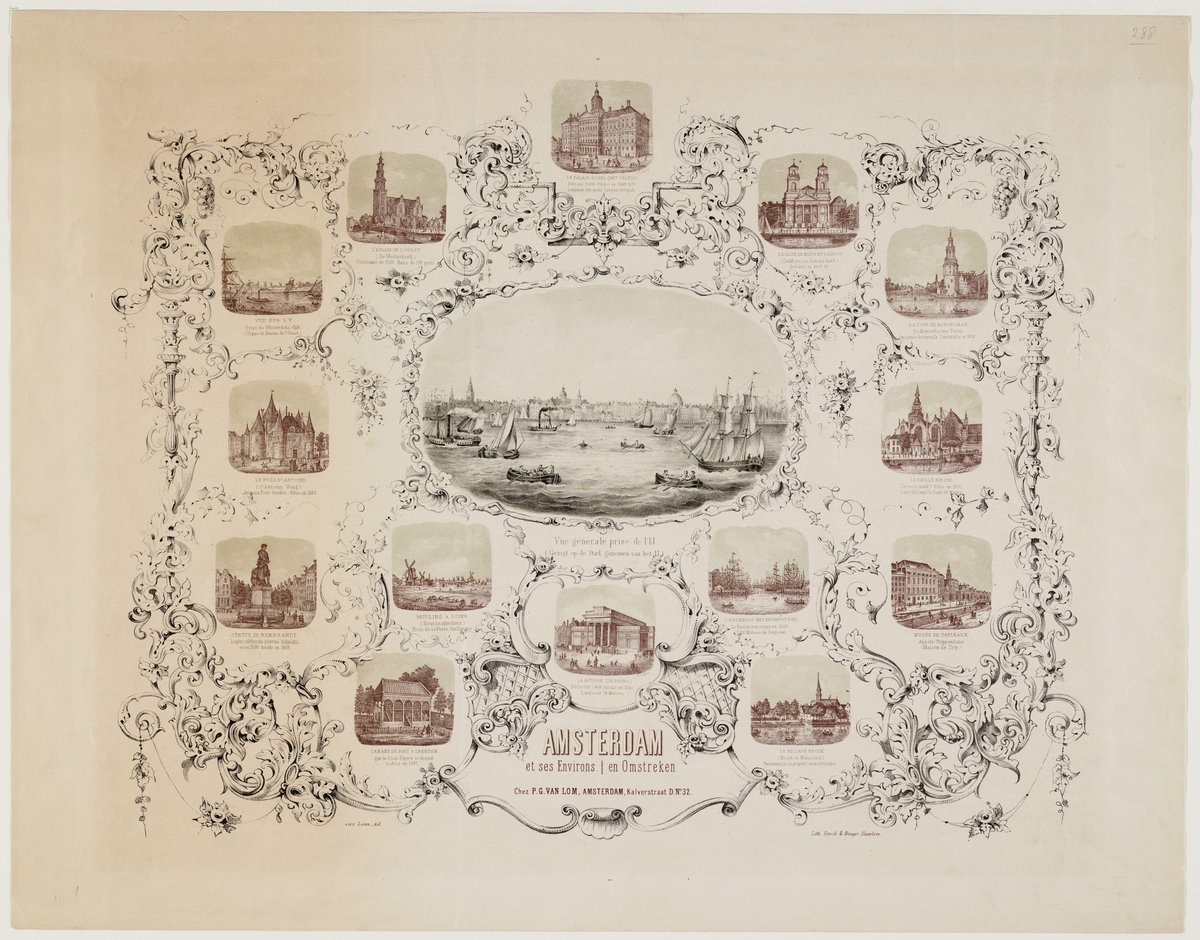
Unveiled in 1852, the statue of Rembrandt is Amsterdam's oldest surviving public statue. Crafted from cast iron in a single piece by Louis Royer, it stands on a grey granite base with a replica of Rembrandt's signature (DutchAmsterdam). This marked the transformation of the square from a market to a cultural landmark.
The Night Watch Sculptures
In 2006, for Rembrandt's 400th birthday, Russian artists Mikhail Dronov and Alexander Taratynov created bronze-cast sculptures representing Rembrandt's famous painting, 'The Night Watch.' These sculptures add another layer of historical depth and artistic intrigue to the square.
Visiting the Rembrandt Monument
Visiting Hours
The Rembrandt Monument is accessible to the public 24/7. However, for the best experience, it is recommended to visit during daylight hours when the surrounding area is most vibrant.
Tickets
There is no admission fee to visit the Rembrandt Monument. It is free and open to the public.
Travel Tips
- Best Time to Visit Early mornings or late afternoons are ideal for avoiding crowds and capturing stunning photographs.
- Getting There The monument is easily accessible by public transportation. Trams 4, 9, 14, and 24 stop at Rembrandtplein.
- Nearby Attractions Combine your visit with nearby sites such as the Amsterdam Museum, the Flower Market, and the famous canals.
- Accessibility The area around the monument is wheelchair accessible, with nearby amenities catering to visitors with mobility needs.
Location and Accessibility
The Rembrandt Monument is centrally located in Rembrandtplein, one of Amsterdam's most vibrant squares. The square is easily accessible by various modes of transportation:
- Tram Lines 4, 9, 14, and 24 stop at Rembrandtplein.
- Metro The nearest metro station is Waterlooplein, which is a short walk from the square.
- Bus Several bus lines also serve the area, making it convenient for visitors coming from different parts of the city.
- Walking If you are staying in the city center, walking to Rembrandtplein is a pleasant option, allowing you to enjoy the scenic canals and historic streets of Amsterdam.
For more detailed directions, you can visit the Amsterdam public transport website.
Best Time to Visit
Rembrandtplein is a bustling area that offers different experiences depending on the time of day:
- Daytime Ideal for those who want to appreciate the statue and the surrounding architecture in natural light. The square is less crowded, making it easier to take photographs and enjoy a leisurely stroll.
- Evening The square comes alive with vibrant nightlife. Bars, clubs, and restaurants around the square are bustling with activity. This is the perfect time for those looking to experience Amsterdam's famous nightlife.
- Special Events During the Amsterdam Light Festival, Rembrandtplein is adorned with stunning light installations, making it a magical time to visit. Check the festival dates and plan your visit accordingly.
For more information on events, visit Amsterdam Tips.
Nearby Attractions
Waterlooplein Market
Located just a short walk from the Rembrandt Monument, the Waterlooplein Market is one of Amsterdam's oldest and most famous flea markets. Established in 1885, this bustling market offers a variety of goods, from vintage clothing and antiques to books and souvenirs. Open Monday through Saturday, it provides a vibrant atmosphere where visitors can experience the local culture and perhaps find a unique memento of their trip.
Amsterdam Canals
The iconic Amsterdam Canals are a UNESCO World Heritage site and a must-see for any visitor. The canals, which date back to the 17th century, offer picturesque views and a unique way to explore the city. Tourists can take a canal cruise to see the city from a different perspective, with many tours departing from locations near the Rembrandt Monument. These cruises often include historical commentary, providing insights into Amsterdam's rich history and architecture.
Hermitage Amsterdam
A short distance from the Rembrandt Monument, the Hermitage Amsterdam is an extension of the famous Hermitage Museum in St. Petersburg, Russia. This museum hosts rotating exhibitions of art and artifacts from the extensive Russian collection. The Hermitage Amsterdam is housed in a beautiful 17th-century building and offers a serene garden where visitors can relax. It’s an excellent place to delve deeper into European art and history.
Jewish Historical Museum
The Jewish Historical Museum is located within the Jewish Cultural Quarter, close to the Rembrandt Monument. This museum is dedicated to the history, culture, and religion of the Jewish people in the Netherlands. It features a collection of religious artifacts, historical documents, and works of art. The museum also offers interactive exhibits and educational programs, making it a great destination for visitors of all ages.
Artis Royal Zoo
For those traveling with children or animal lovers, the Artis Royal Zoo is a fantastic nearby attraction. Established in 1838, it is one of the oldest zoos in Europe. The zoo is home to a wide variety of animals, from elephants and giraffes to exotic birds and reptiles. In addition to the animal exhibits, Artis also features a planetarium, an aquarium, and a butterfly pavilion. The zoo's beautiful gardens and historic architecture make it a pleasant place to spend a day.
Dutch National Opera & Ballet
Culture enthusiasts will appreciate the proximity of the Dutch National Opera & Ballet to the Rembrandt Monument. This prestigious institution offers a range of performances, from classic operas and ballets to contemporary works. The building itself is an architectural marvel, with a modern design that contrasts beautifully with the historic surroundings. Visitors can check the schedule and book tickets in advance to enjoy a world-class performance during their stay.
Rembrandt House Museum
Just a short walk from the monument, the Rembrandt House Museum is a must-visit for art lovers. This museum is located in the house where Rembrandt lived and worked for nearly 20 years. It offers a comprehensive collection of his etchings and personal belongings, providing a deep insight into the life and work of the master artist. The museum also hosts workshops, lectures, and special events, making it a dynamic and engaging destination.
Dining and Refreshments
Rembrandtplein is surrounded by a variety of dining options to suit all tastes and budgets:
- Cafés and Restaurants The square is lined with numerous cafés and restaurants offering everything from traditional Dutch cuisine to international dishes. Popular spots include Café Schiller, known for its Art Deco interior, and De Kroon, one of the most sumptuous cafés in the city.
- Street Food For a quick bite, you can find street vendors selling Dutch specialties like stroopwafels, herring, and cheese.
- Nightlife If you are looking to enjoy Amsterdam's nightlife, Rembrandtplein is home to several nightclubs, including Escape and Club Rain, which are popular with both locals and tourists.
For more dining options, visit Passport to Amsterdam.
Safety and Etiquette
While Amsterdam is generally a safe city, it's always good to follow some basic safety tips:
- Pickpocketing Be mindful of your belongings, especially in crowded areas like Rembrandtplein. Keep your valuables secure and be aware of your surroundings.
- Cyclists Amsterdam is known for its cyclists. Always look both ways before crossing the street and be cautious of bike lanes.
- Respect the Art While it's tempting to get close to the Rembrandt Monument for a perfect photo, remember to respect the artwork and avoid climbing or touching the statue.
Photography Tips
Capturing the beauty of the Rembrandt Monument can be a rewarding experience. Here are some tips for taking great photos:
- Golden Hour The best time for photography is during the golden hour, shortly after sunrise or before sunset, when the light is soft and warm.
- Angles Experiment with different angles to capture the statue and the surrounding square. Try shooting from a low angle to make the statue appear more imposing.
- Night Photography If you visit in the evening, use a tripod to capture long-exposure shots of the illuminated square and the statue.
For more photography tips, you can visit TripSavvy.
Shopping and Souvenirs
Rembrandtplein is also a great place for shopping:
- Souvenir Shops You can find several shops around the square selling traditional Dutch souvenirs like wooden shoes, tulip bulbs, and Dutch cheeses.
- Weekly Market On Sundays, a weekly market is held in the square, offering a variety of goods, including fresh produce, flowers, and clothing.
For more shopping tips, visit Passport to Amsterdam.
Accommodation
Staying near Rembrandtplein offers the convenience of being close to many attractions and the vibrant nightlife. Some notable hotels in the area include:
- Waldorf Astoria Amsterdam
- Banks Mansion
- Eden Hotel
- De L’Europe Amsterdam
- Hotel NH Caransa
For more accommodation options, visit Passport to Amsterdam.
FAQ
Q: What are the visiting hours for the Rembrandt Monument?
A: The Rembrandt Monument is accessible 24/7.
Q: Do I need to buy tickets to see the Rembrandt Monument?
A: No, the Rembrandt Monument is free to visit as it is situated in a public space.
Q: Are there guided tours available?
A: While there are no specific guided tours for the Rembrandt Monument, many city tours include a stop at Rembrandtplein.
Q: Is the Rembrandt Monument wheelchair accessible?
A: Yes, Rembrandtplein and the surrounding area are generally accessible for wheelchair users.