

Origins and Early Development
Frankendael traces its roots to the mid-17th century, a time when Amsterdam’s affluent merchant class sought tranquility in grand country estates on the city’s outskirts. The Watergraafsmeer area, reclaimed from a lake in 1629, became a popular polder for such retreats (fietsnetwerk.nl). The estate’s earliest known resident, Nicolaes van Liebergen, established the original house around 1659. In 1695, Izaak Balde named it "Frankendael" after Frankenthal in Germany, reflecting his family’s refugee history (wikipedia).
Architectural and Garden Features
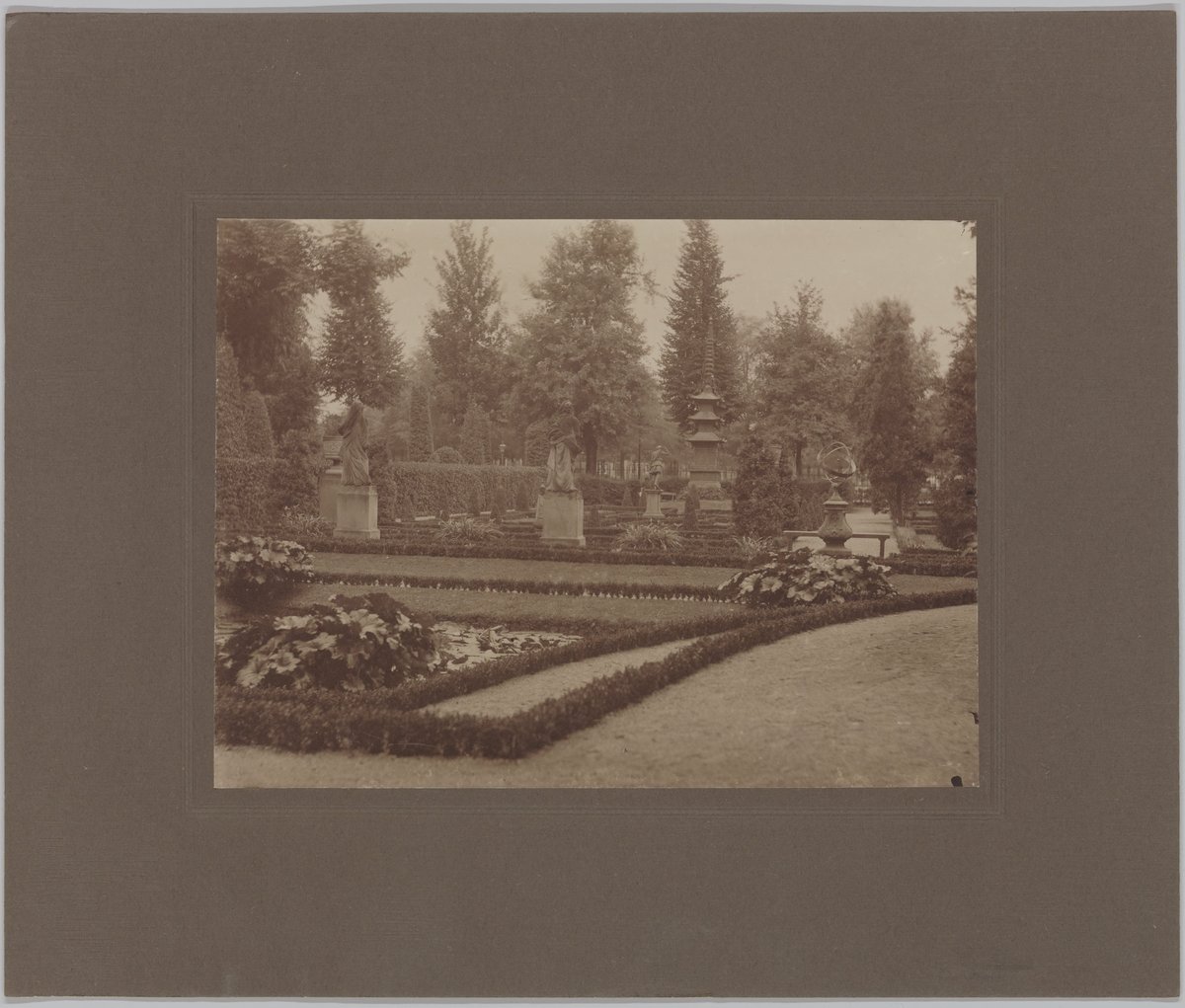
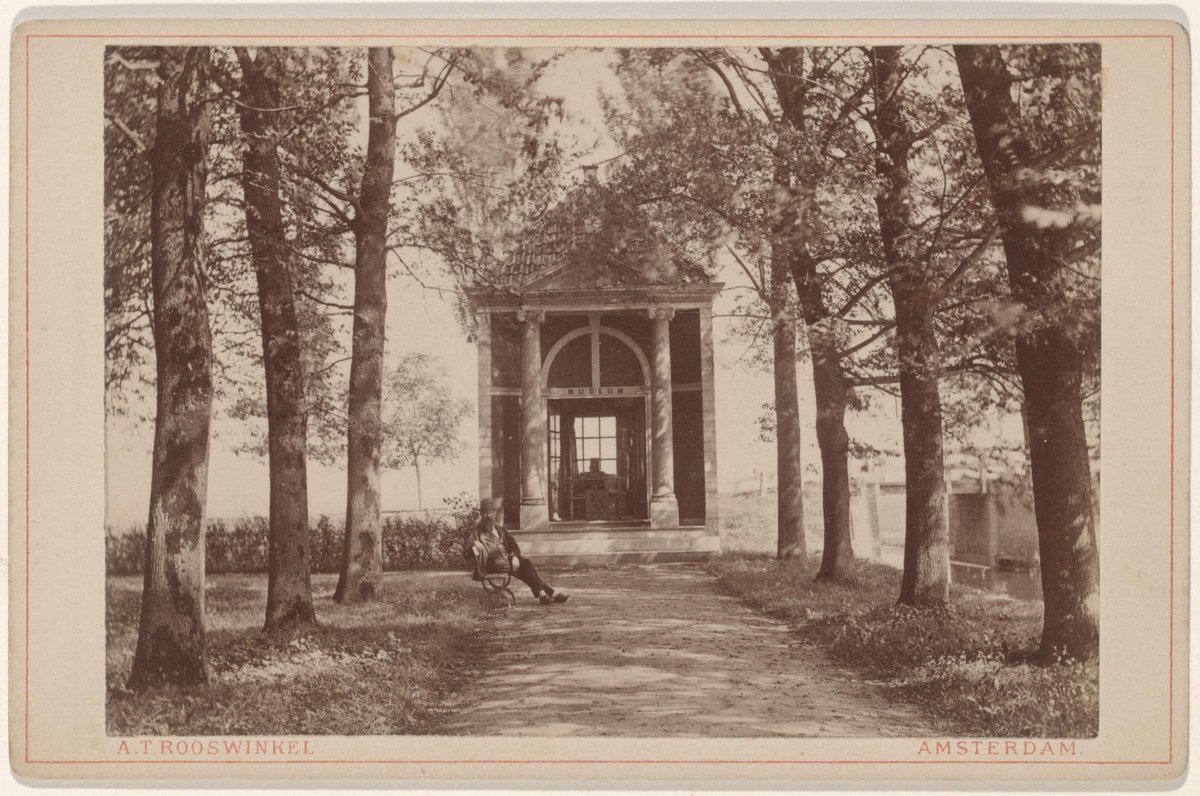
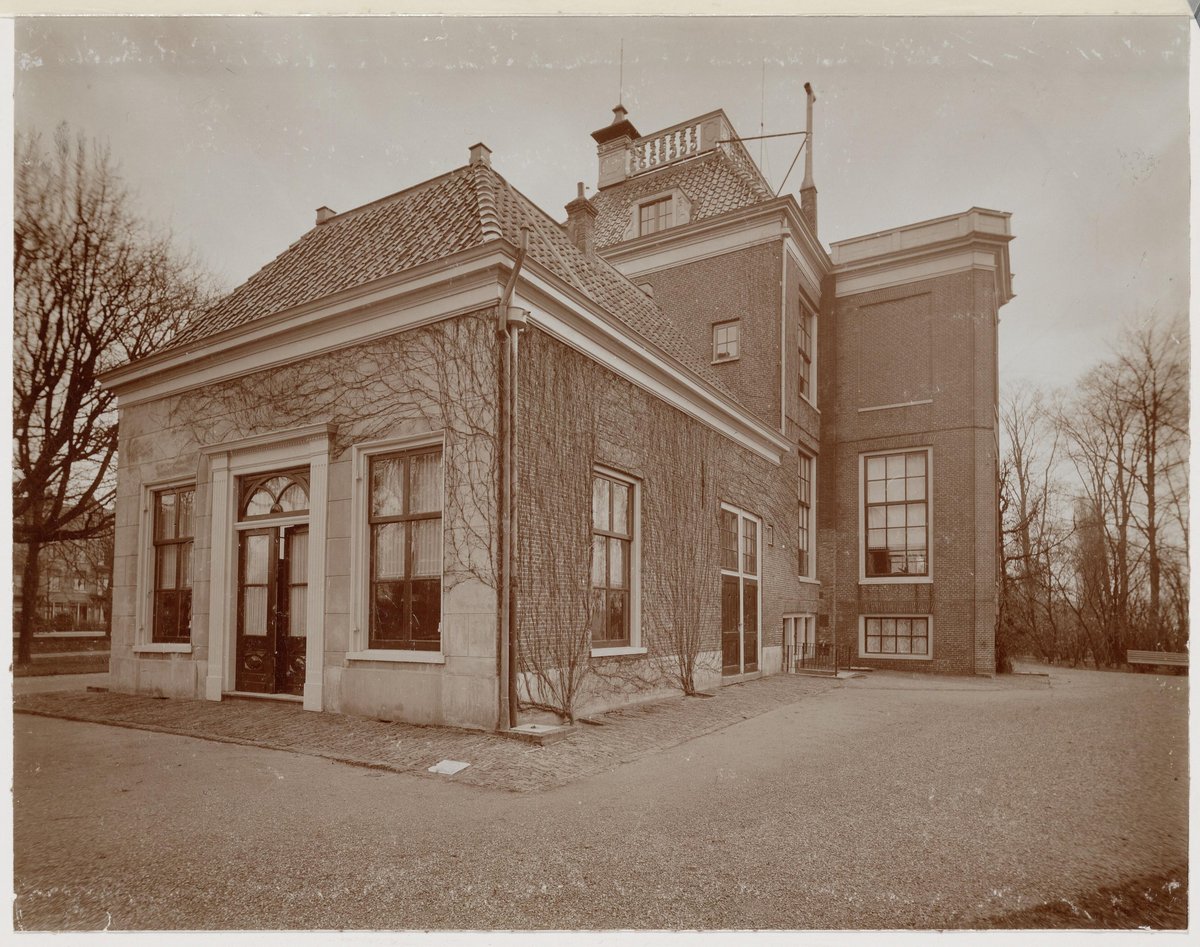
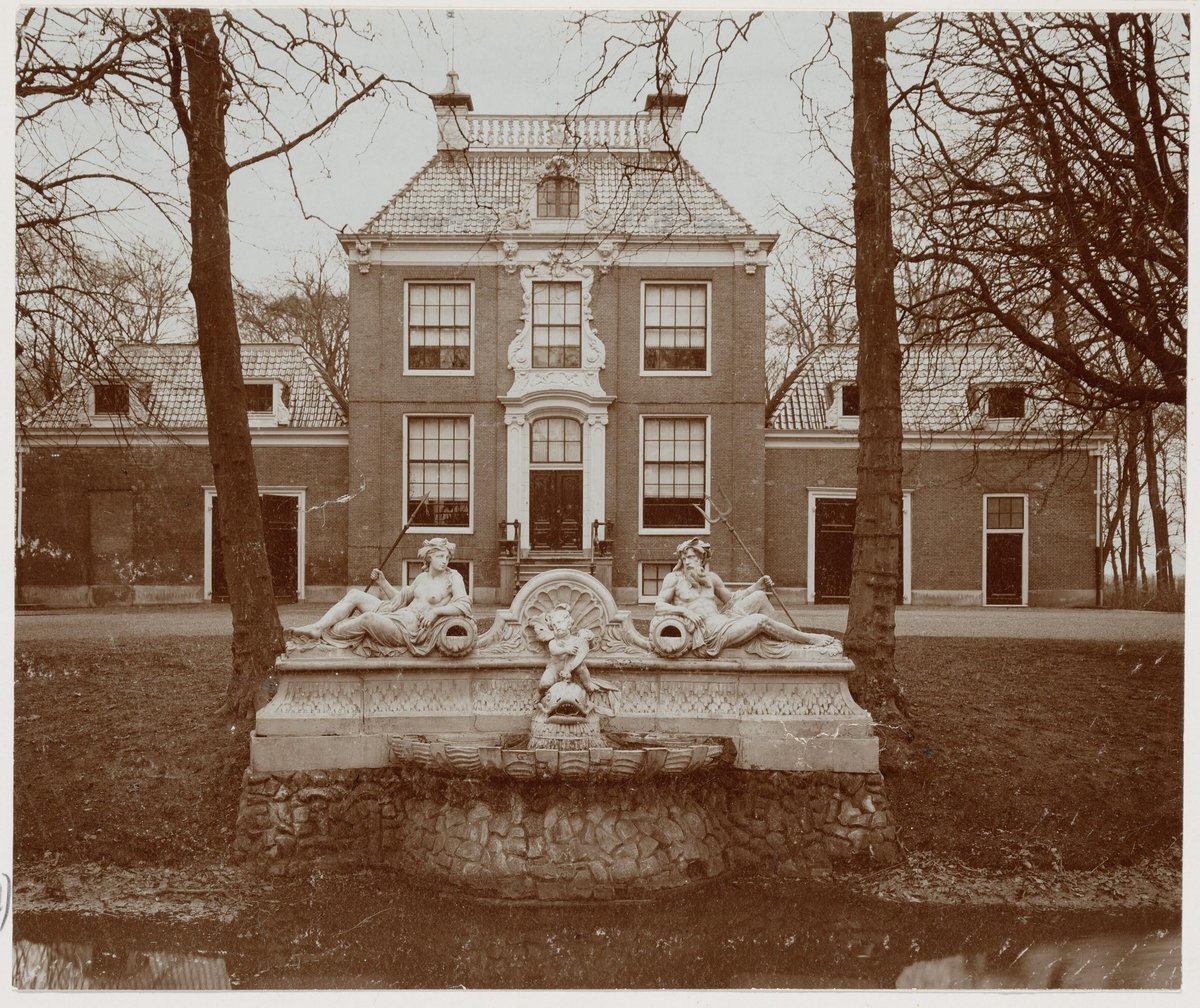
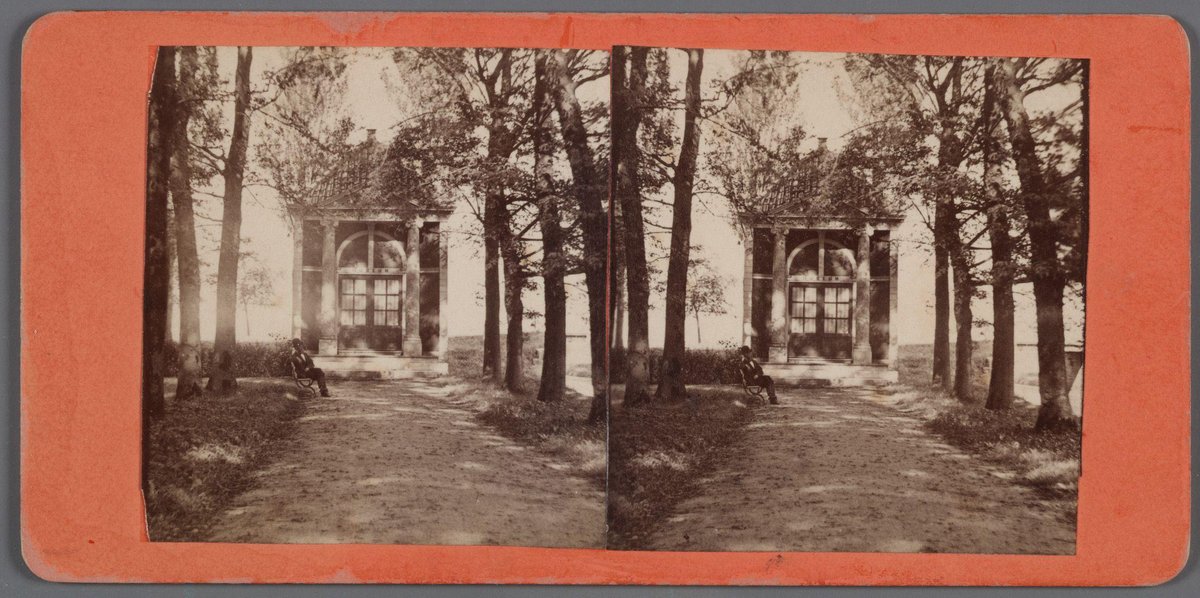
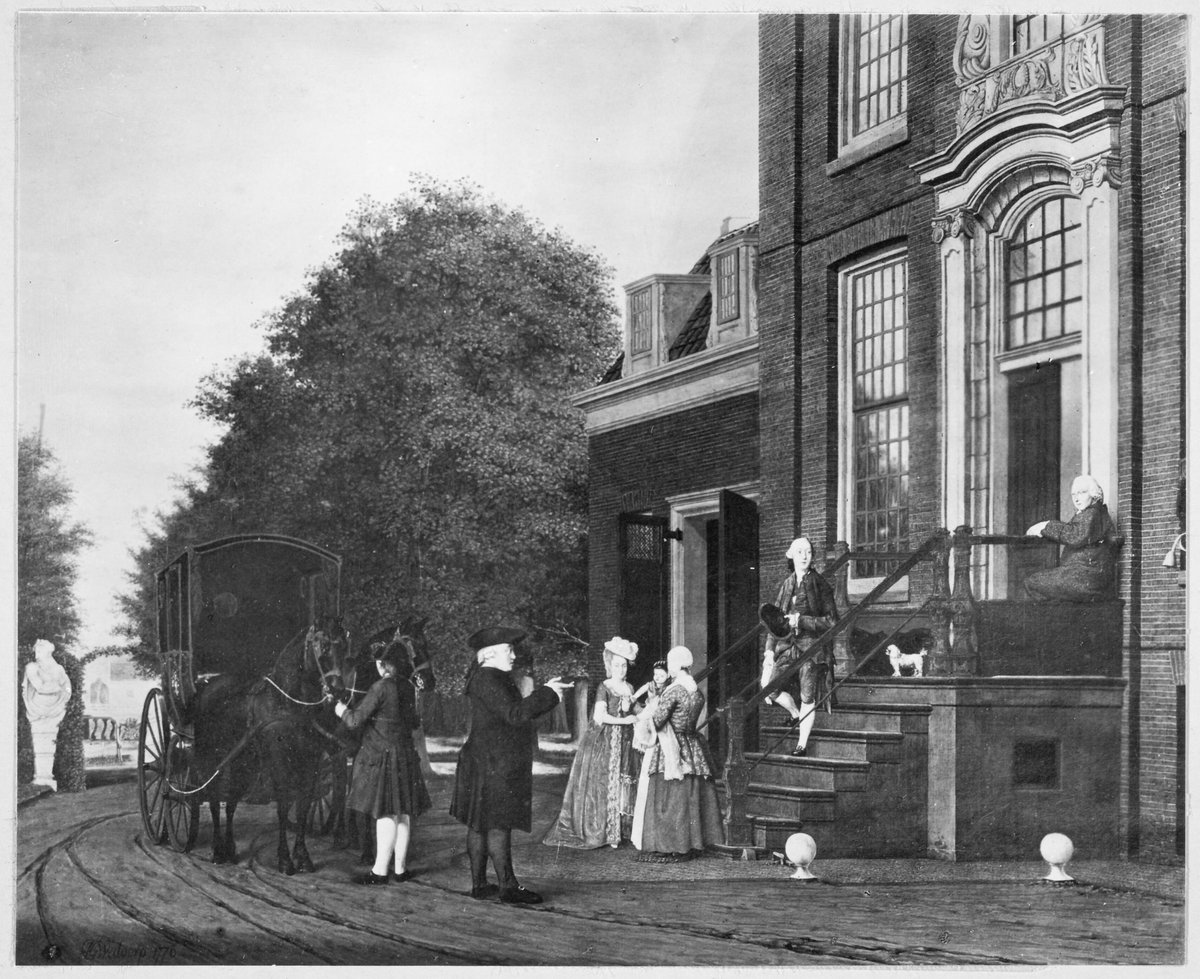
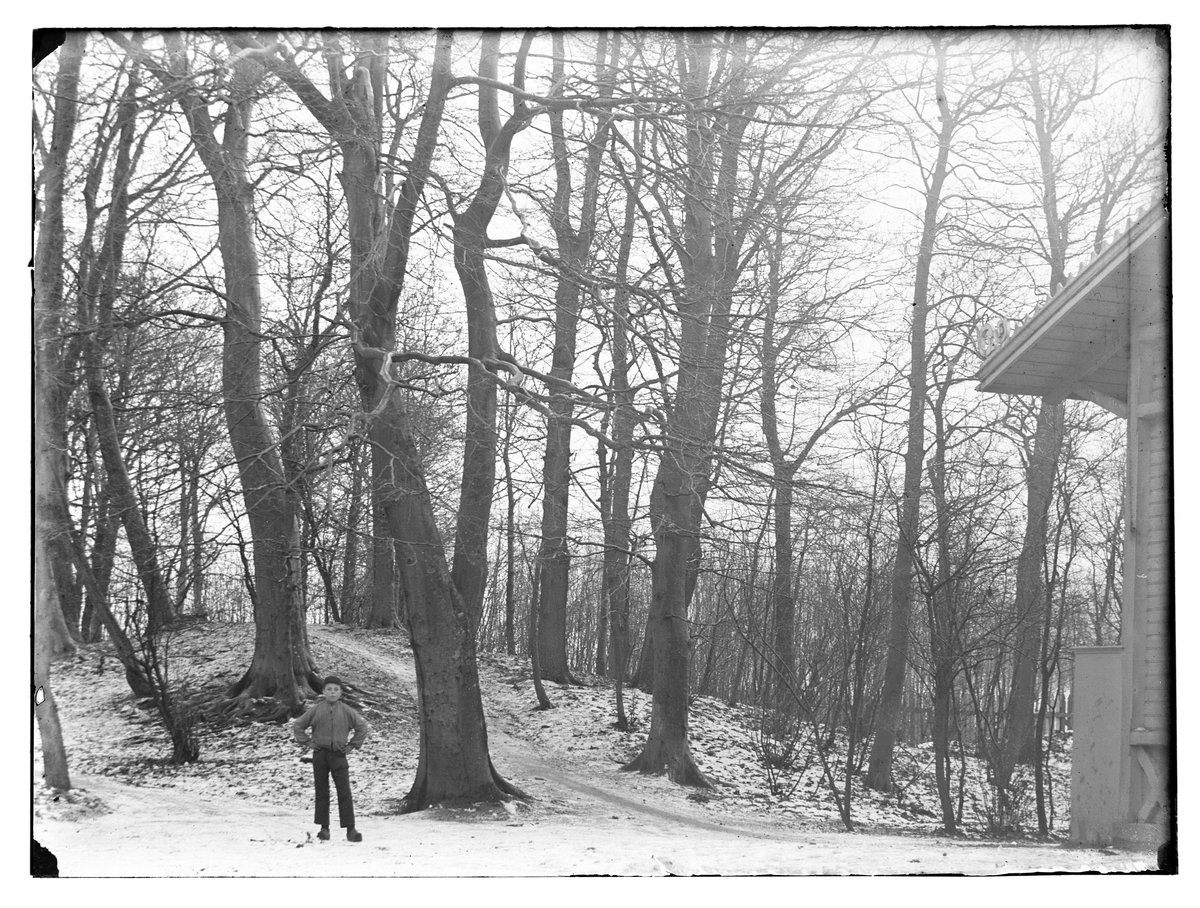
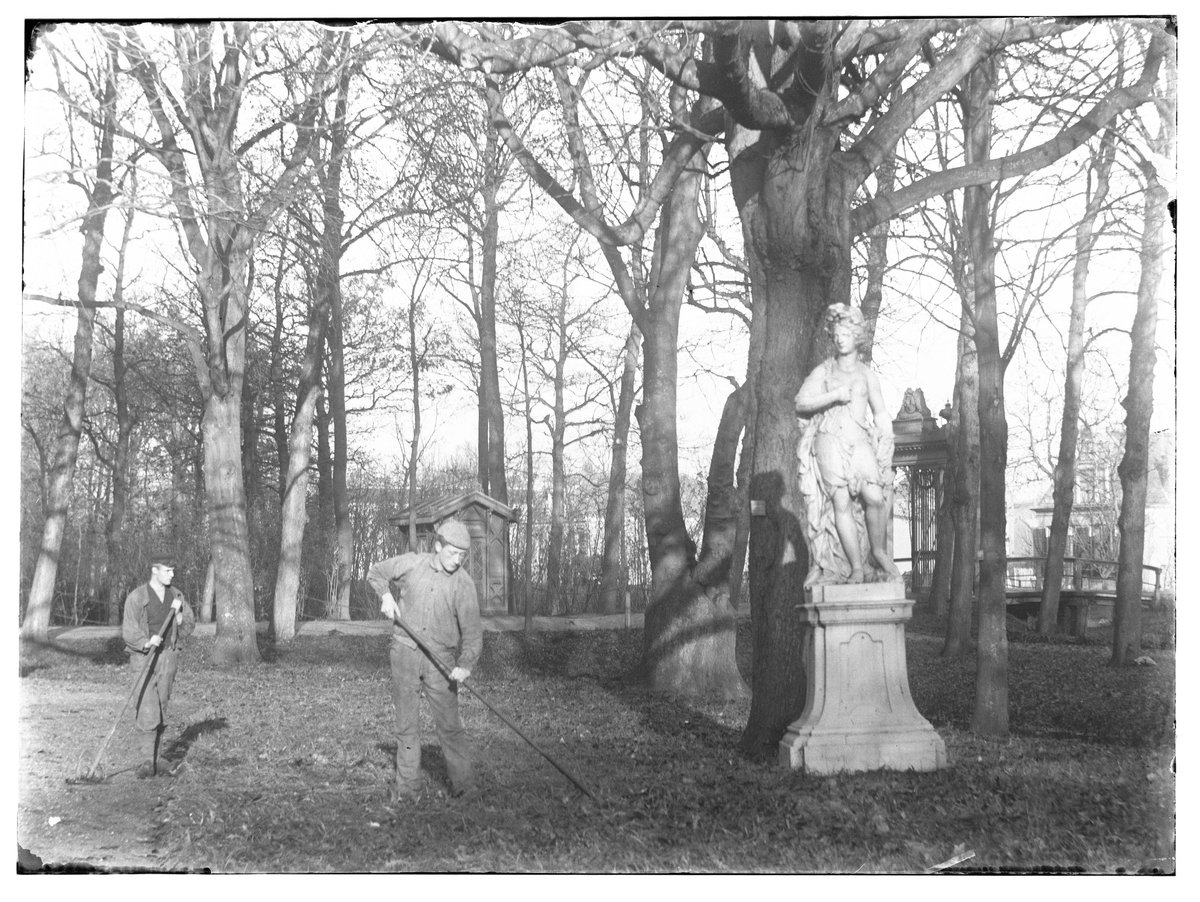
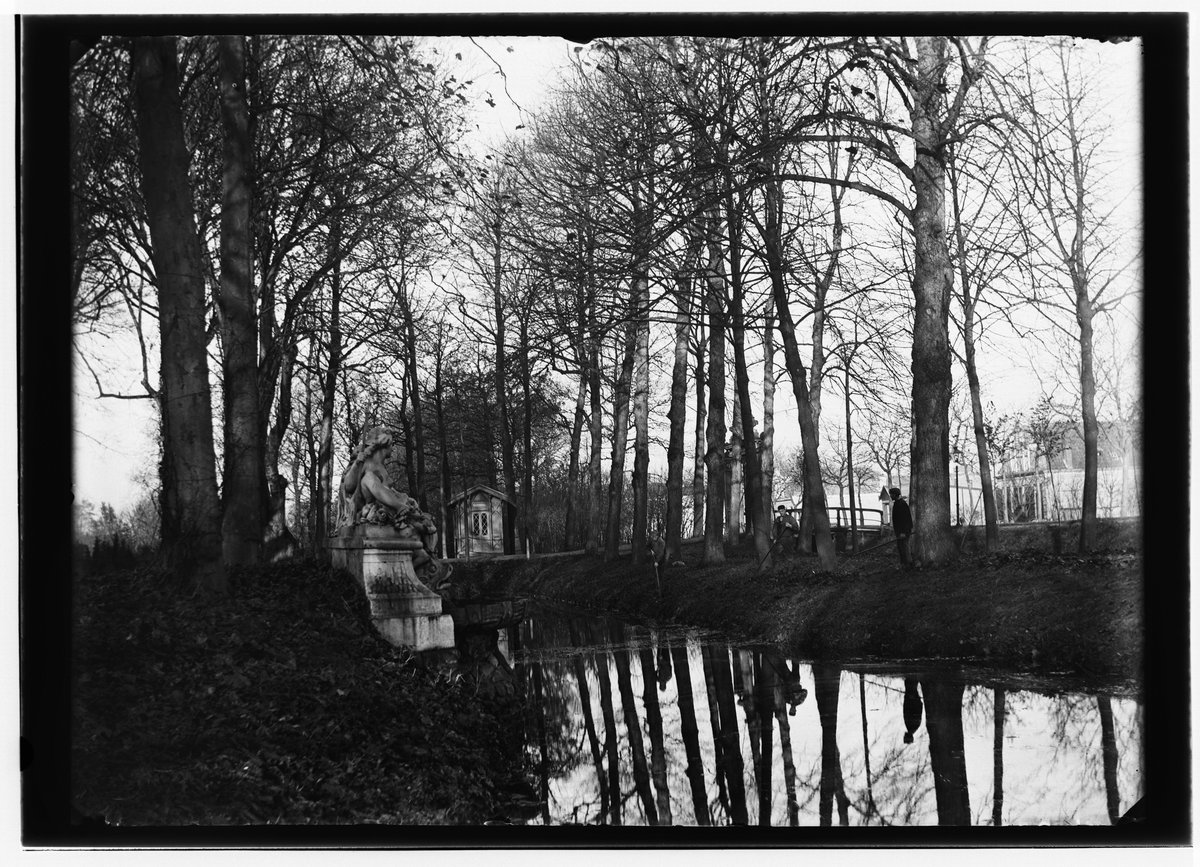
By the 18th century, Huize Frankendael had acquired its distinct red-brick Louis XIV–style façade and ornate interiors (whichmuseum.com). The entrance gate, designed by Jacob Otten Husly in 1783, still bears the Gildemeester family coat of arms. Frankendael’s gardens are historically significant, with a Regency-style formal garden restored using 18th-century prints, and a landscape garden representing varied Dutch provinces. Notable features include a marble fountain from 1714 and statues of Bacchus and Ceres (huizefrankendael.nl).
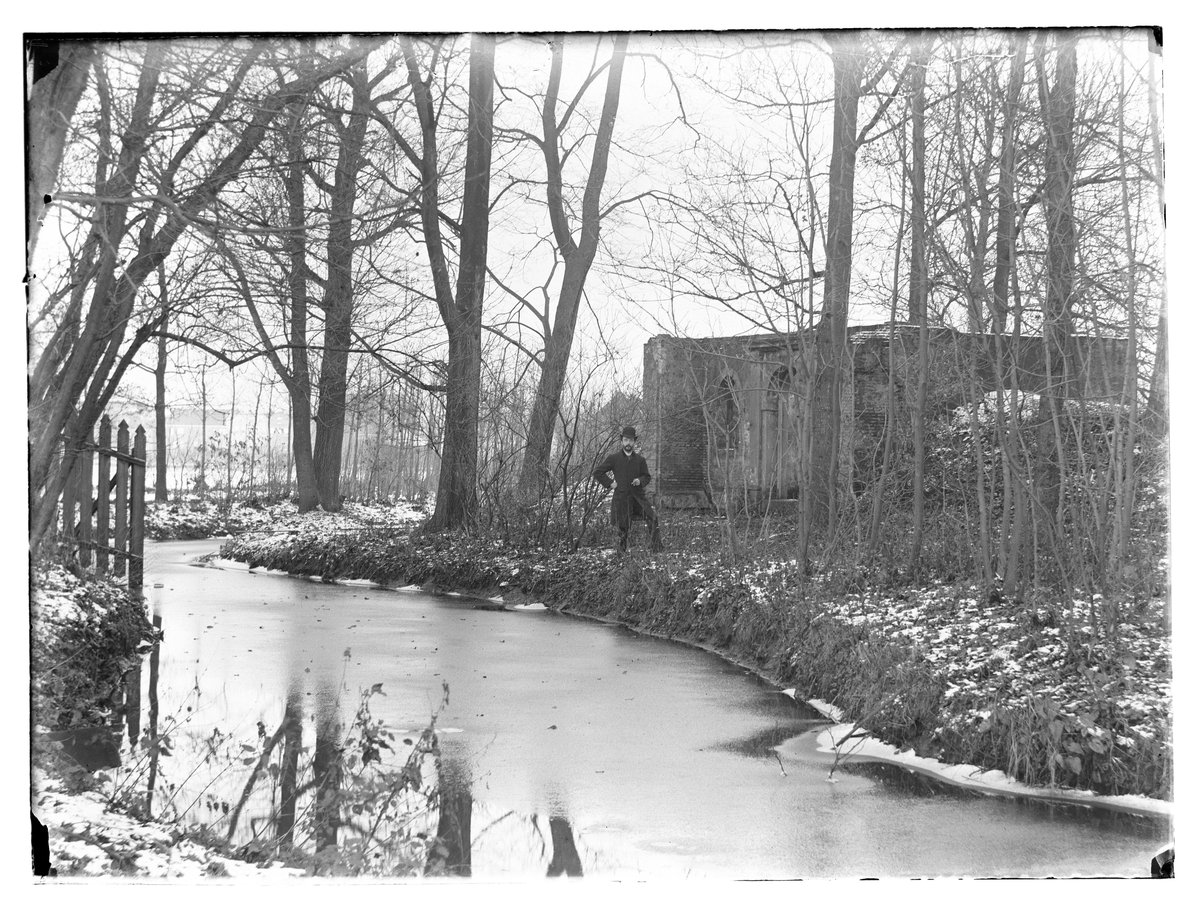
After changing ownership and surviving urban development, the estate became municipal property in 1882. Restoration in the 1950s and early 21st century preserved its architectural and horticultural heritage, and the estate now serves as a cultural and ecological landmark (amsterdam.info; amsterdamlocalgems.com).
Visitor Information
Visiting Hours
- Frankendael Park Open daily, year-round, typically from dawn (8:00 AM) until dusk or 10:00 PM (I amsterdam).
- Huize Frankendael Open for special exhibitions and guided tours, usually Tuesday–Sunday, 10:00 AM–6:00 PM. Hours may vary with events; check the official website.
Tickets & Entry
- Park Access Free of charge.
- House Tours/Exhibitions Tickets required for special events, typically €5–€10. Advance booking is recommended for popular events and guided tours.
- Restaurants Reservations highly recommended for Merkelbach and De Kas, especially on weekends (Restaurant Merkelbach, De Kas).
Accessibility
- Wheelchair-accessible paths throughout the park and main facilities.
- Accessible restrooms and ramps at café and event areas.
- Assistance dogs welcome.
Getting There
- By Tram Lines 7, 9, 10, 14, and 19 stop near the park (Watergraafsmeer/Middenweg).
- By Bus Multiple routes serve the area.
- By Bicycle Well-connected bike paths and ample parking at entrances.
- By Car Limited street parking; public transport or cycling is recommended (I amsterdam).
Facilities
- Playgrounds, picnic areas, and lawns.
- Restrooms and accessible facilities.
- Event spaces and information boards.
- Free Wi-Fi available at the Grand Café.
Cultural and Community Activities
Frankendael is a lively hub for cultural and community engagement:
- Art Exhibitions and Workshops Regularly hosted in the main house and gardens.
- Pure Markt A popular monthly market featuring local food, crafts, and live music (Loving Travel).
- Educational Programs School gardens and sustainability workshops for children and families (I amExpat).
- Open-air Concerts and Theatrical Performances Seasonal events in the park.
Dining at Frankendael
- Restaurant Merkelbach Located in the former coach house, offering refined Dutch cuisine with seasonal, local ingredients. Elegant indoor and terrace seating (Restaurant Merkelbach).
- Restaurant De Kas Michelin-starred greenhouse restaurant serving farm-to-table dishes with produce grown on-site (De Kas).
- Grand Café Frankendael Established in 1897, this café features classic and contemporary dishes, a heated terrace, and private rooms for events (www.frankendael.com).
Special Events & Guided Tours
- Castle Day (Dag van het Kasteel) Annual event with special programs and garden tours (Amsterdam Spotted).
- Art Fairs and Themed Dinners Occur throughout the year; check event listings for schedules.
- Guided Tours Available during exhibitions and by arrangement; focus on architecture, gardens, and estate history.
Photographic Highlights
- Frankendael House Iconic red-brick façade and interiors.
- Formal and Landscape Gardens Regency symmetry and diverse Dutch landscapes.
- Ornate Entrance Gate Designed by Jacob Otten Husly.
- Cultural Events Pure Markt and open-air festivals.
- Glass Greenhouse Restaurant De Kas and surrounding parkland.
Nearby Attractions
- Oosterpark Large city park with ponds and sculptures.
- Tropenmuseum Renowned ethnographic museum.
- Dappermarkt Popular local street market.
- Jaap Edenbaan Ice skating rink in winter.
Travel Tips
- Best Times Spring and early summer for gardens; weekdays and early mornings for quieter experiences.
- Weather Bring rainwear in spring/autumn; outdoor events are weather dependent.
- Payment Most venues accept card only; cashless facilities.
- Pets Dogs allowed on leash; off-leash zones designated.
Frequently Asked Questions (FAQ)
Q: Is there an entrance fee for Frankendael Park?
A: No, the park is free; fees may apply for special house events.
Q: What are the main opening hours?
A: Park: dawn to dusk (typically 8:00 AM–10:00 PM); Huize Frankendael: 10:00 AM–6:00 PM for events.
Q: Are dogs permitted?
A: Yes, on leash except in designated off-leash areas.
Q: Is Frankendael accessible for wheelchairs and strollers?
A: Yes, with paved paths and accessible restrooms.
Q: How do I reach Frankendael by public transport?
A: Take tram lines 7, 9, 10, 14, or 19, or cycle via dedicated bike lanes.
Q: Are guided tours available?
A: Yes, during special events or by prior arrangement; check the official website.