
BUAP Visiting Hours and Ticket Information
Main Campuses and Cultural Venues
- Cultural Complex (Complejo Cultural Universitario)
- Monday–Friday: 9:00 AM–6:00 PM
- Saturday: 10:00 AM–4:00 PM
- Closed Sundays and public holidays
- Historic Buildings (Área Centro)
- Open to visitors during daylight hours (8:00 AM–7:00 PM).
- Some buildings, including Edificio Carolino, may require prior arrangement or tickets for guided tours.
Admission and Tours
- General Admission
- Most outdoor areas and university grounds are free to access.
- Special Events and Guided Tours
- Tickets required for select exhibitions, concerts, and performances. Prices usually range from free to
100 MXN ($5 USD). - Guided tours are available through the Cultural Complex or BUAP’s visitor services; reservations recommended.
- Tickets required for select exhibitions, concerts, and performances. Prices usually range from free to
For event schedules and tour bookings, check the BUAP Official Site or ConoceTuCampusBUAP.
Travel Tips for Visitors
- Best Time to Visit Weekdays during the academic year (September–June) for a lively atmosphere. Spring and fall offer ideal weather.
- Accessibility BUAP ensures inclusivity, with ramps, elevators, and accessible restrooms in most buildings. For special accommodations, contact visitor services in advance.
- Transportation and Parking
- Public transport, including city buses and Puebla Metrobus, serves both main campuses.
- Limited parking near Ciudad Universitaria and the Cultural Complex.
- Taxis and ride-sharing apps are convenient for reaching the historic center.
- Safety Campuses are secure, with 24/7 security patrols and emergency call points.
Founding and Evolution
Founded by the Jesuits in 1578, BUAP began as a religious college focusing on theology and the humanities. Despite political upheavals and the Jesuit expulsion, it transitioned to a secular institution, officially becoming the University of Puebla in 1937 and gaining autonomy in 1956.
Modernization and Recognition
Major reforms in the 1960s aligned BUAP with national democratization efforts in education. In 1987, it was designated “Benemérita” in recognition of its scientific and cultural contributions. BUAP today is a leader in research and international collaboration, hosting over 95,000 students and participating in projects like CERN’s Alice Experiment.
Academic, Cultural, and Architectural Significance
Campus Highlights
- Área Centro
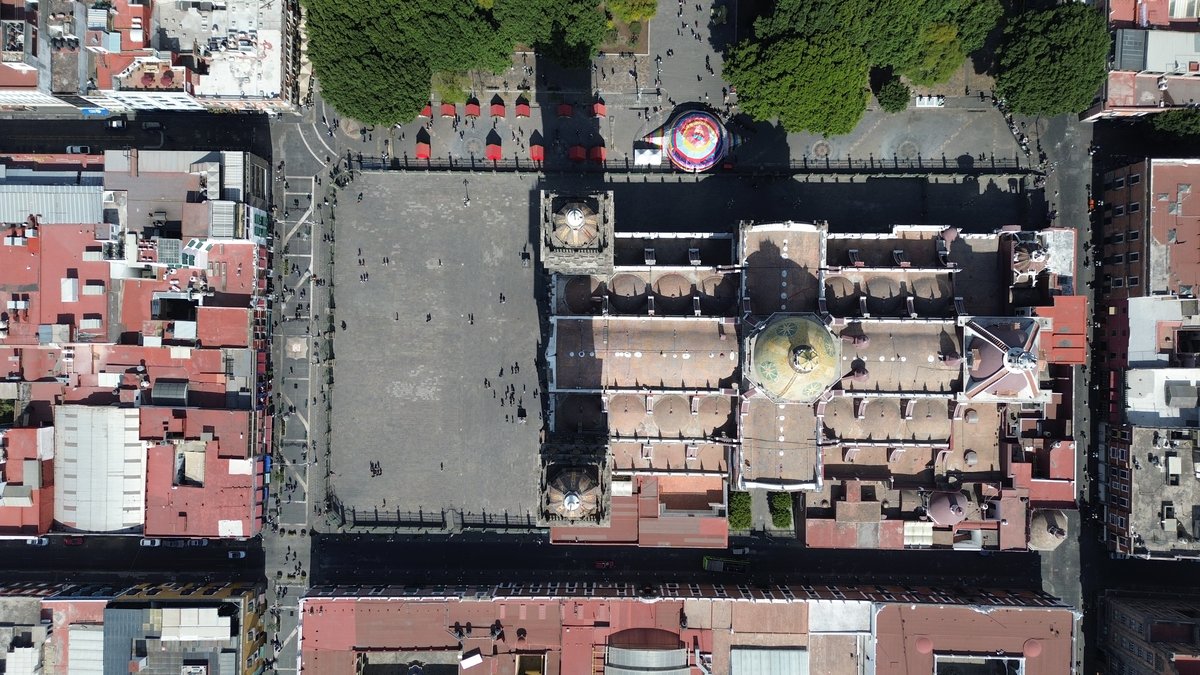
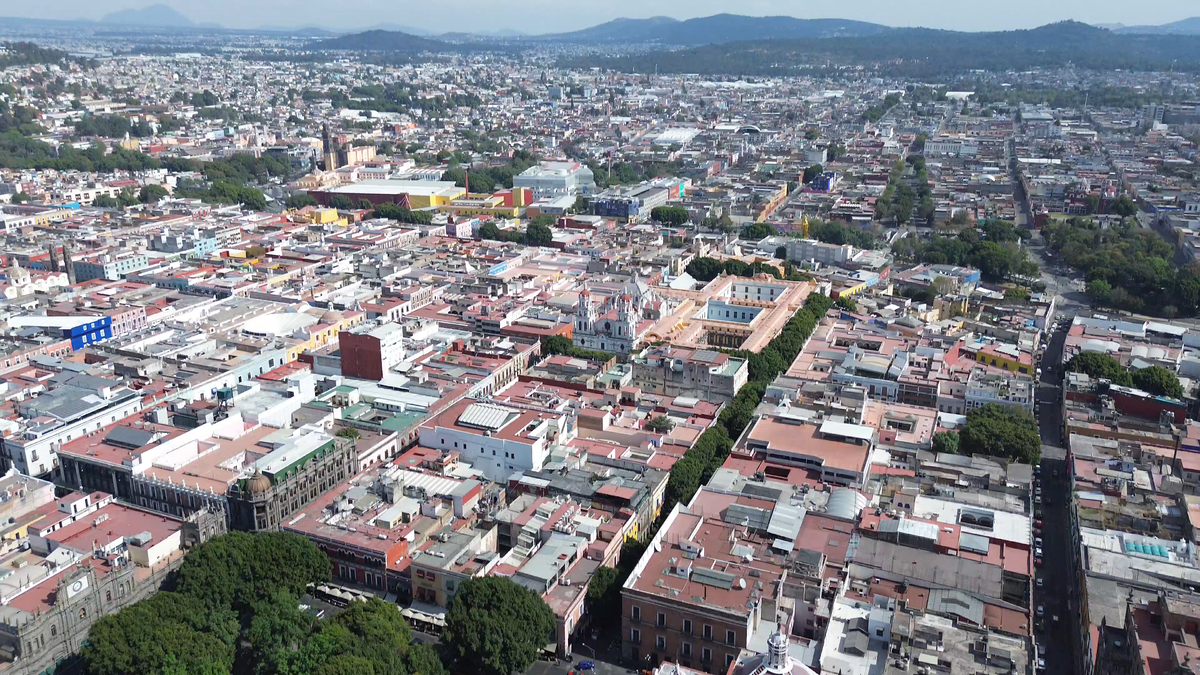
- Located in Puebla’s UNESCO-listed historic center, featuring Edificio Carolino with its baroque architecture and cultural spaces.
- Ciudad Universitaria
- The modern hub with faculties, libraries, sports facilities, and green spaces, reflecting contemporary design and sustainability practices.
- Cultural Complex (Angelópolis Area)
- Hosts major cultural events—concerts, exhibitions, and theater—open to the public.
- Área Salud
- Home to the University Hospital and health sciences faculties.
Notable Architecture
- Harmonious blend of colonial-era and modernist styles, using local volcanic stone and Talavera tiles.
- Integration of courtyards, gardens, and public art for a vibrant campus atmosphere.
Facilities
- Academic Buildings Modern labs and collaborative spaces.
- Central Library Extensive collections, digital resources, and study areas with garden views.
- Sports Center Olympic pool, athletics track, and multi-purpose courts.
- Dining and Amenities Cafeterias, bookstores, copy centers, and campus-wide Wi-Fi.
Notable Figures and Intellectual Legacy
BUAP has nurtured influential figures including polymath Carlos de Sigüenza y Góngora and novelist-politician Ignacio Manuel Altamirano. Its alumni continue to shape arts, sciences, and public life in Mexico.
Visitor Experience: Practical Information
Campus Navigation
- Use the interactive ConoceTuCampusBUAP map for digital orientation.
- Bilingual signage (Spanish/English) and helpful staff ease navigation.
- Security personnel and information desks are available for assistance.
Accessibility
- Ramps, elevators, and tactile signage support visitors with disabilities.
- Most modern buildings are fully accessible; some historic structures may be partially limited.
Amenities
- Restrooms, cafeterias, free Wi-Fi, and bookstores on all campuses.
- Botanical gardens and public art provide tranquil and visually engaging spaces.
Cultural and Educational Activities
- Art Exhibitions Rotating shows by students, faculty, and visiting artists.
- Concerts & Theater Regular performances by university ensembles and guest artists.
- Lectures & Conferences Covering science, humanities, and social issues, often open to the public.
- Student Life Active clubs, societies, and sports teams (Lobos BUAP mascot).
Event announcements appear on campus boards and digital platforms. Many events are free or low-cost.
Nearby Attractions
- Puebla Cathedral Iconic baroque cathedral at the city’s heart.
- Biblioteca Palafoxiana One of the oldest libraries in the Americas.
- Museo Amparo Renowned museum of pre-Hispanic and colonial art.
- Parian Market Traditional crafts and local cuisine.
- International Museum of the Baroque Modern showcase of baroque art and architecture (EAA Architecture Guide).
Frequently Asked Questions (FAQ)
Q: What are BUAP’s visiting hours?
A: Most facilities are open Monday–Friday, 8:00 AM–6:00 PM (Cultural Complex until 6:00 PM; Saturdays 10:00 AM–4:00 PM).
Q: Do I need tickets to enter?
A: General campus access is free. Some exhibitions and events require tickets.
Q: Are guided tours offered?
A: Yes, through the Cultural Complex or by request via BUAP’s information desk. Book in advance.
Q: Is the campus accessible for visitors with disabilities?
A: Most modern facilities are accessible; some historic sites may have limited access.
Q: How do I get there?
A: Public transit, taxis, and parking are available. See the BUAP campus map for details.
Related Articles
- Top Historical Sites to Visit in Puebla
- A Guide to Puebla’s Colonial Architecture
- Cultural Events in Puebla: What Not to Miss