
Origins and Commissioning of the Statue
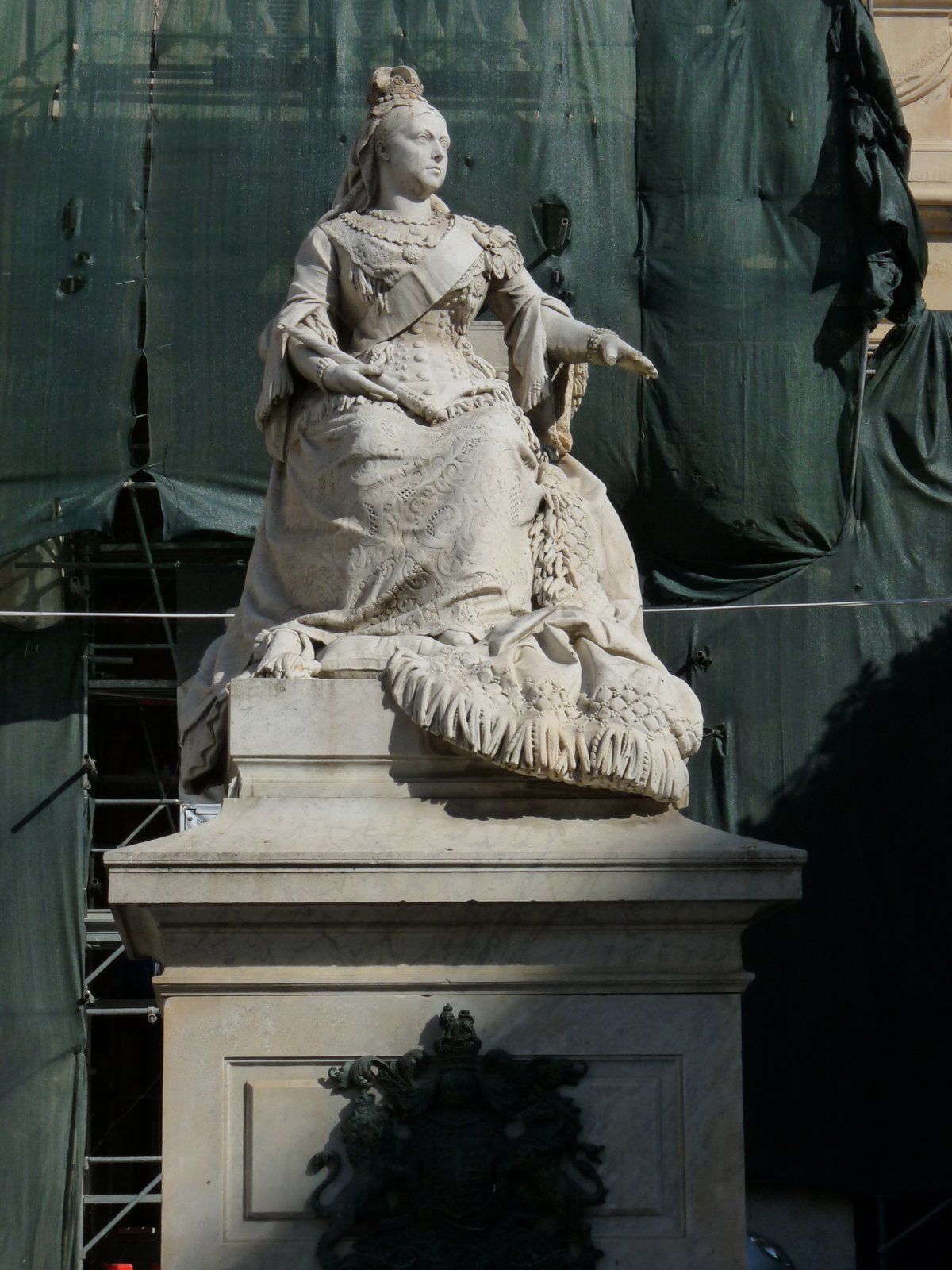
Commissioned to honor Queen Victoria’s lengthy reign, the statue was erected in 1891 at a time when Malta was a pivotal British naval base in the Mediterranean (evendo.com). The site in Republic Square, in front of the National Library, was chosen for its civic and symbolic prominence. The unveiling was a significant event, attended by colonial officials and Maltese dignitaries, further reinforcing Malta’s ties to the British Crown.
Artistic Design and Symbolism
Sculpted by Giuseppe Valenti, the statue features Queen Victoria seated on a throne, draped in Maltese lace, and holding the orb and sceptre—emblems of imperial authority. The use of Carrara marble for the figure and local limestone for the base symbolizes both the imported and indigenous elements of Malta’s identity. The bronze coats of arms of Britain and Malta on the pedestal further reflect the island’s historical affiliations.
A notable detail is the inclusion of a pigeon perched on the Queen’s crown, an endearing touch that has become a favorite of visitors. The statue’s dignified yet approachable design continues to attract admiration for its craftsmanship and cultural resonance.
Historical Context: Malta under British Rule
Under British rule from 1814 to 1964, Malta’s strategic location made it a critical naval hub. Queen Victoria’s reign (1837–1901) brought about major social, economic, and infrastructural transformations, many of which are still visible today (lovemalta.com). The Queen Victoria Statue, installed during the height of imperial influence, stands as a local manifestation of British-Maltese relations and colonial pride.
Restoration and Preservation Efforts
The Queen Victoria Statue has survived significant historical events, notably the aerial bombardments during World War II, when Republic Square was heavily damaged but the monument remained intact (guidememalta.com). Post-war, only minimal cleaning and stabilization were required, but subsequent restoration efforts have addressed weathering, pollution, and biological growth.
Routine conservation includes gentle cleaning, biocidal treatments, and structural monitoring. The monument is protected during public events and is regularly assessed by heritage authorities (dinlarthelwa.org).
Visiting Hours, Tickets & Accessibility
- Visiting Hours Open 24/7; accessible at all times as it stands in a public square.
- Tickets No entrance fee; free to visit.
- Accessibility Republic Square is wheelchair-friendly, with level pavements and ramps. Some nearby streets are cobbled, so comfortable footwear is recommended.
- Public Transport Easily reached via Valletta’s main bus terminus; a short walk leads directly to the square.
- Facilities Surrounded by cafés and shops, with restrooms and seating nearby.
Getting There and Nearby Attractions
Republic Square sits at the heart of Valletta. The statue is within walking distance of:
- National Library of Malta
- St. John’s Co-Cathedral
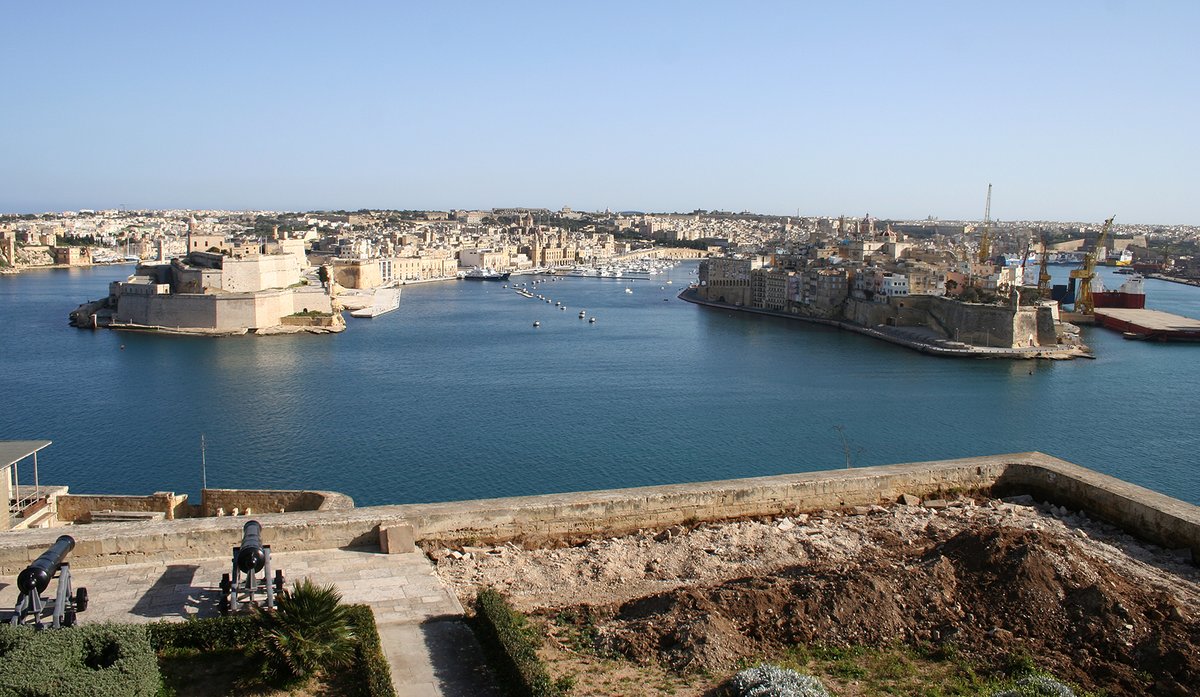
- Upper Barrakka Gardens
- Grandmaster’s Palace
- National Museum of Archaeology
Public transport is highly recommended due to limited parking. Guided walking tours frequently include the statue among their highlights, offering historical context and expert insights.
The Statue in Malta’s Contemporary Culture
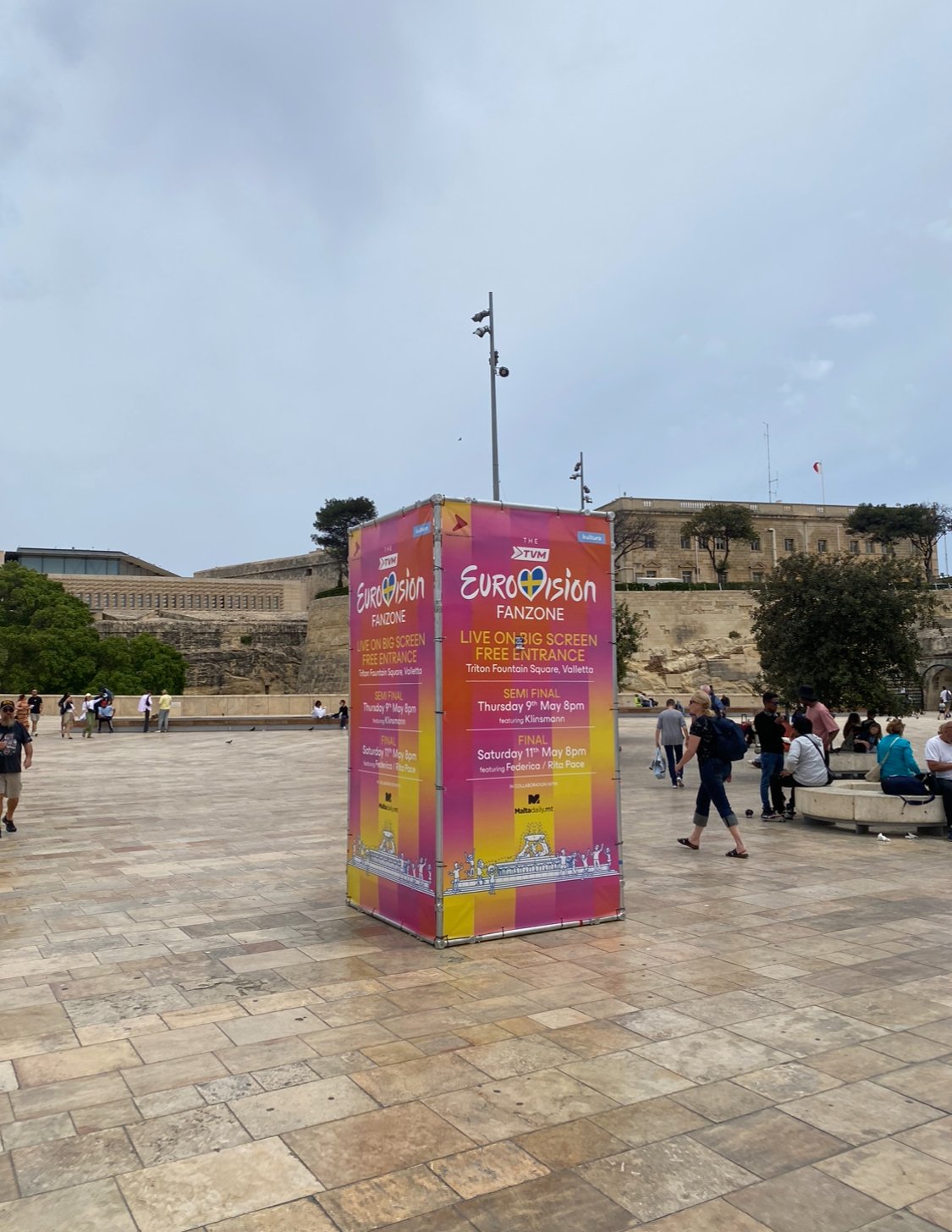
The Queen Victoria Statue is not just a relic but a living part of Valletta’s cultural life. The square is used for public gatherings, performances, and art installations. Recent debates about colonial legacy have prompted discussions on its meaning, while interventions like Austin Camilleri’s "Siġġu" during the Malta Biennale have encouraged contemporary reflection and engagement (timesofmalta.com).
Notable Events and Public Perception
From royal visits and official ceremonies to artistic projects and public debates, the statue has witnessed—and contributed to—the evolving story of Malta’s identity. While once a symbol of imperial authority, it is now appreciated for its artistic merit and historical value, and is a staple on visitor itineraries (evendo.com).
Frequently Asked Questions (FAQ)
Q: What are the visiting hours for the Queen Victoria Statue in Valletta?
A: The statue is open to the public 24/7.
Q: Is there an entrance fee or ticket required?
A: No, visiting the statue is free of charge.
Q: Is the statue wheelchair accessible?
A: Yes, Republic Square and the statue are accessible, though some nearby areas may have cobblestones.
Q: Are there guided tours available?
A: Yes, many Valletta tours include the Queen Victoria Statue.
Q: What other attractions are nearby?
A: The National Library, St. John’s Co-Cathedral, Upper Barrakka Gardens, and the Grandmaster’s Palace are all within walking distance.
Q: Are special events held at the statue?
A: Yes, especially during festivals like the Malta Biennale, and for public art installations.