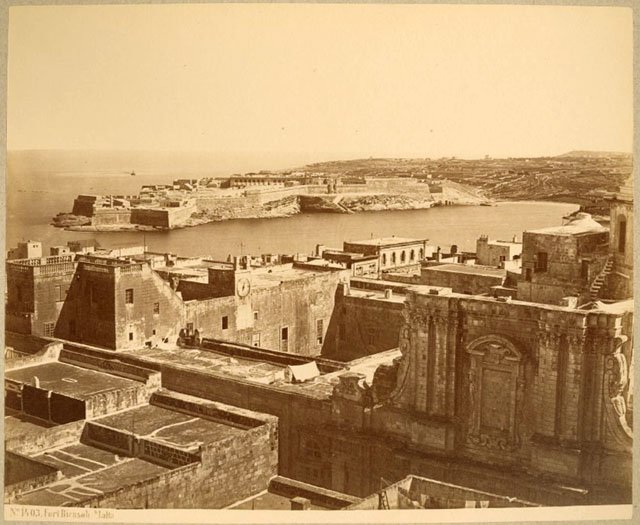
La Borsa’s Architectural and Historical Evolution
Origins and Early Uses
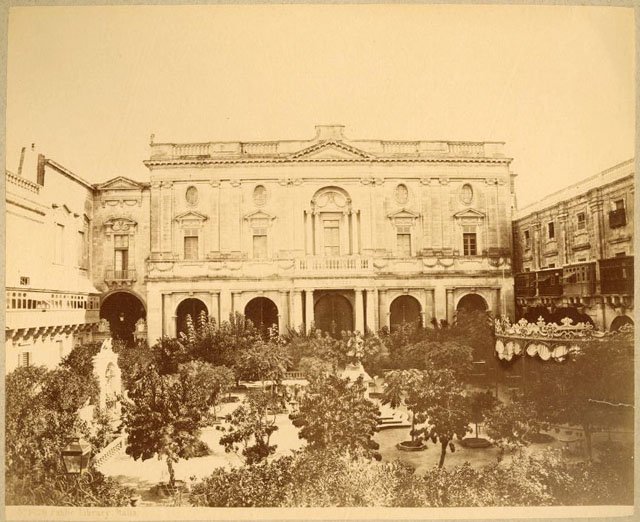
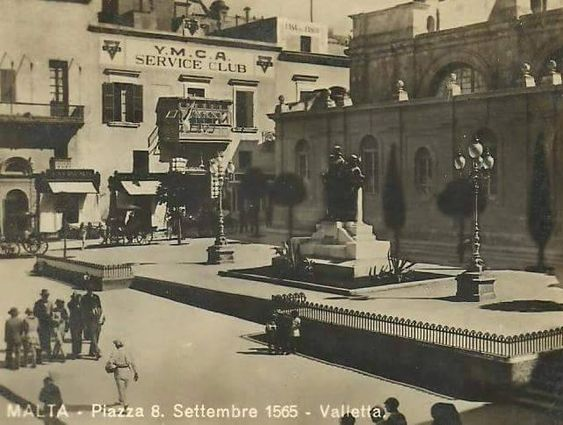
La Borsa, housed in the Garrison Chapel on Castille Square, was constructed in 1857 under T. M. Ellis’s design. Initially serving as a school for British military and naval children on weekdays and a multi-denominational chapel on Sundays, the building’s creation was championed by Queen Adelaide during her visit to Malta (Very Valletta).
By the 1870s, the building was repurposed as the Central Mailing Room of the Malta Post Office, remaining so until 1999. Its outer shell, part of Valletta’s original 17th-century bastions, has been meticulously preserved throughout its various roles, reflecting the city’s layered history.
Neoclassical Design Features
La Borsa is a rare neoclassical gem in Valletta’s predominantly Baroque cityscape. Its façade is defined by a majestic colonnaded portico, elegant symmetry, and decorative motifs such as bas-reliefs and garlands—an intentional departure from local architectural traditions, showcasing British colonial influences (Times of Malta). The building’s limestone construction harmonizes with Valletta’s urban fabric while its classical restraint sets it apart.
Important interior spaces include the Lewis Farrugia Courtyard, Sir Agostino Portelli Hall for official events, and the stately Council Room. These spaces, along with curated art collections, highlight Malta’s commercial evolution and civic pride.
Economic Role and Financial Significance
The Malta Stock Exchange’s National and International Impact
La Borsa became home to the Malta Stock Exchange (MSE) in 1999, following the Exchange’s establishment by the 1990 Malta Stock Exchange Act (Wikipedia). The MSE lists all government debt—including bonds and treasury bills—and enables companies to raise capital through equity and bonds. As of 2016, it served over 75,000 investors, a considerable figure for Malta’s population (Wikipedia).
Internationally, the MSE is recognized by the UK’s HM Revenue & Customs and the US Securities and Exchange Commission, and is integrated into European markets via advanced trading platforms like Xetra and partnerships such as EuroCTP (Fittex.mt). Malta’s financial sector, anchored by the MSE, is robust—estimated to be eight times the nation’s GDP—supporting a diverse array of services and attracting significant foreign investment (Easy Expat, Central Bank of Malta).
Visiting La Borsa: Hours, Tickets, and Accessibility
Visiting Hours
As an operational institution, La Borsa does not maintain regular public opening hours. However, it frequently opens for special events, exhibitions, and guided tours, particularly during Valletta’s major festivals such as Notte Bianca and the Malta International Arts Festival. During these occasions, access is generally available from 9:00 AM to 5:00 PM, but schedules may vary. Always verify current visiting hours via the Malta Chamber’s official website or Visit Malta.
Tickets
Entry during special events and tours typically costs less than €10, with discounts for students, seniors, and children. Many festivals and open days offer free entry. Purchase tickets online or at event venues, and book in advance during peak seasons.
Guided Tours and Events
Guided tours, lasting 45–60 minutes, are offered during major events and by local heritage organizations. These tours illuminate La Borsa’s architecture, art, and history, and are generally available in English, with Maltese and Italian options on request.
For updates on events and tours, consult the Festivals Malta calendar or the Malta Chamber’s website.
Accessibility
The main entrance is at street level, but some interior areas have steps and narrow corridors. Staff assistance is often available; visitors with mobility concerns should contact the Malta Chamber in advance. The surrounding area is wheelchair accessible, and ramps are provided near entrances where possible.
Practical Visitor Information
Dress Code and Etiquette
Smart-casual attire is recommended. Avoid beachwear, sleeveless tops, and flip-flops to respect the site’s business and heritage functions. Maintain low noise levels and refrain from touching artworks or furnishings. Photography is generally permitted in public areas (no flash or tripods), but always check with staff for restrictions during private events (Lonely Planet).
Facilities and Amenities
- Restrooms Available during events and tours.
- Cloakroom Temporary storage for bags and coats may be provided.
- Gift Shop Pop-up shops during exhibitions offer books and Maltese crafts.
- Wi-Fi Not guaranteed; inquire on arrival.
Safety, Communication, and Currency
- Safety Valletta is safe, but exercise caution in crowded areas (The Travel Tinker).
- Language English and Maltese are official; Italian is widely spoken.
- Currency Euro (€); most tickets and purchases accept cards, but small cash amounts are useful (The Travel Tinker).
Nearby Attractions
La Borsa’s central location makes it an ideal starting point for exploring Valletta’s main sites:
- St John’s Co-Cathedral 3 minutes away, renowned for its Baroque art (Frank Salt).
- Grandmaster’s Palace 5 minutes away, home to government offices and the Palace Armoury.
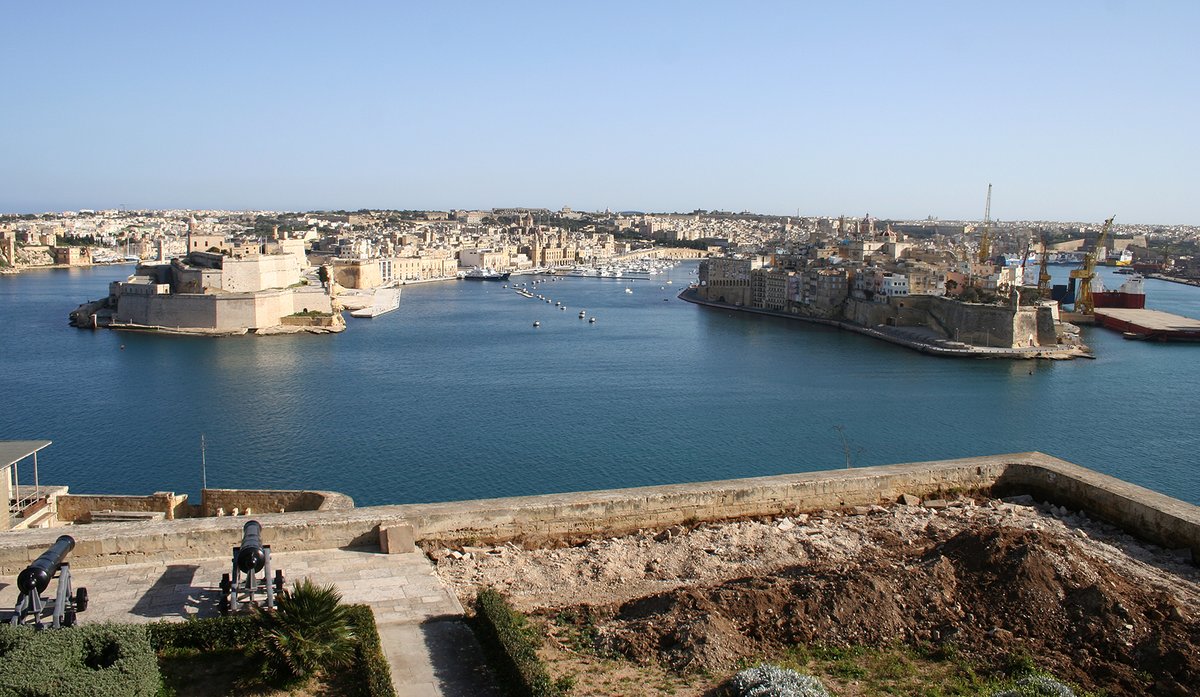
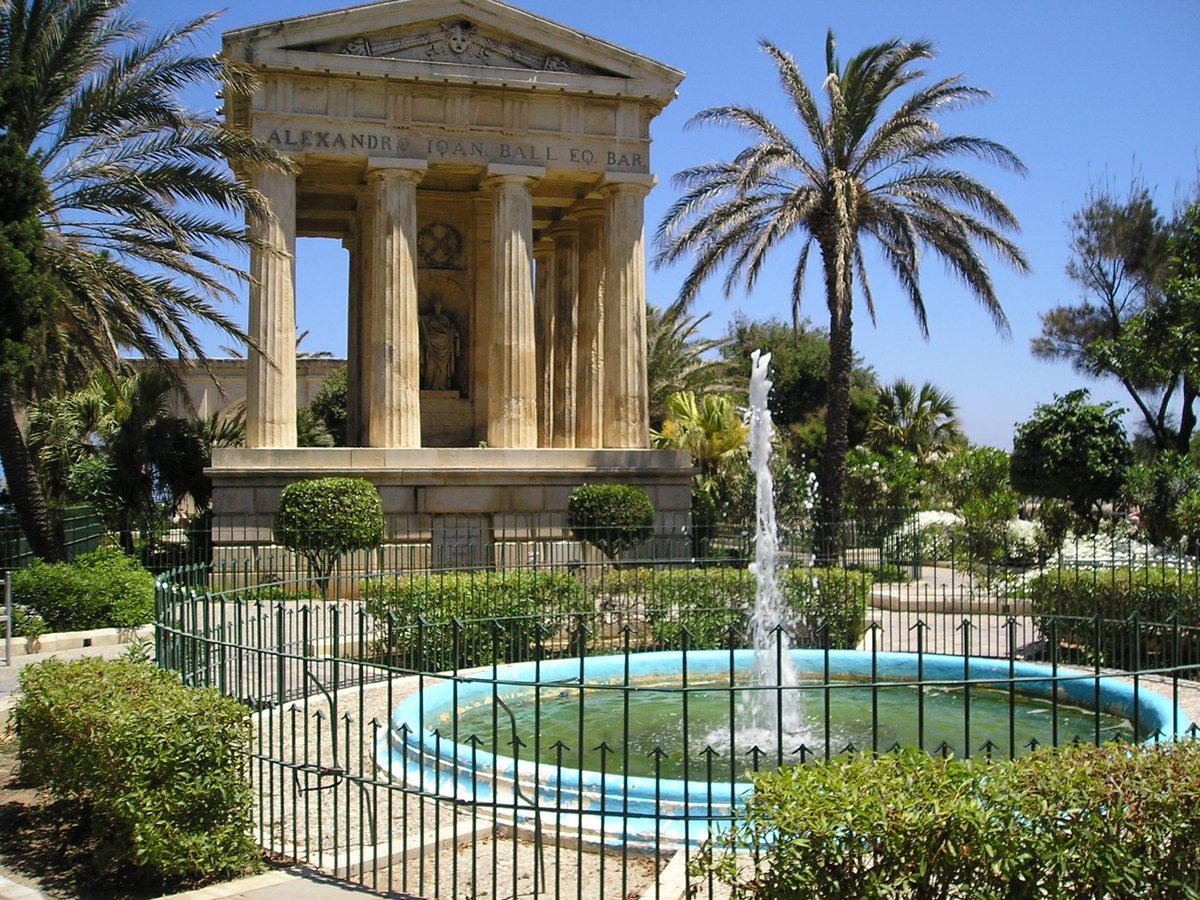
- Upper Barrakka Gardens Offers panoramic Grand Harbour views.
- Republic Street and Merchant Street Valletta’s main arteries for shopping and dining (The Travel Tinker).
Practical Tips
- Footwear Wear comfortable shoes for cobblestone streets (Lonely Planet).
- Weather June temperatures range from 24–28°C (75–82°F). Bring sunscreen, a hat, and water (Destination Daydreamer).
- Transport Valletta is the bus hub; expect crowds. Taxis and ride-hailing are available.
- Tipping 10% is customary in restaurants (The Travel Tinker).
- Cultural Sensitivity Dress modestly for churches and religious sites (Lonely Planet).
Frequently Asked Questions (FAQs)
Q: What are La Borsa’s regular visiting hours?
A: La Borsa is not open daily; access coincides with special events and guided tours. Check the Malta Chamber’s website for current schedules.
Q: How do I book tickets for La Borsa?
A: Tickets are available online via the Malta Chamber or at event venues. Advance booking is wise during festivals.
Q: Is La Borsa wheelchair accessible?
A: The entrance is accessible, but some interiors have steps. Contact the Malta Chamber in advance for assistance.
Q: Are tours available in other languages?
A: Tours are mainly in English; Maltese and Italian options may be arranged upon request.
Q: Can I take photographs inside La Borsa?
A: Photography is permitted in public areas, but restrictions may apply for flash or private events.