Introduction
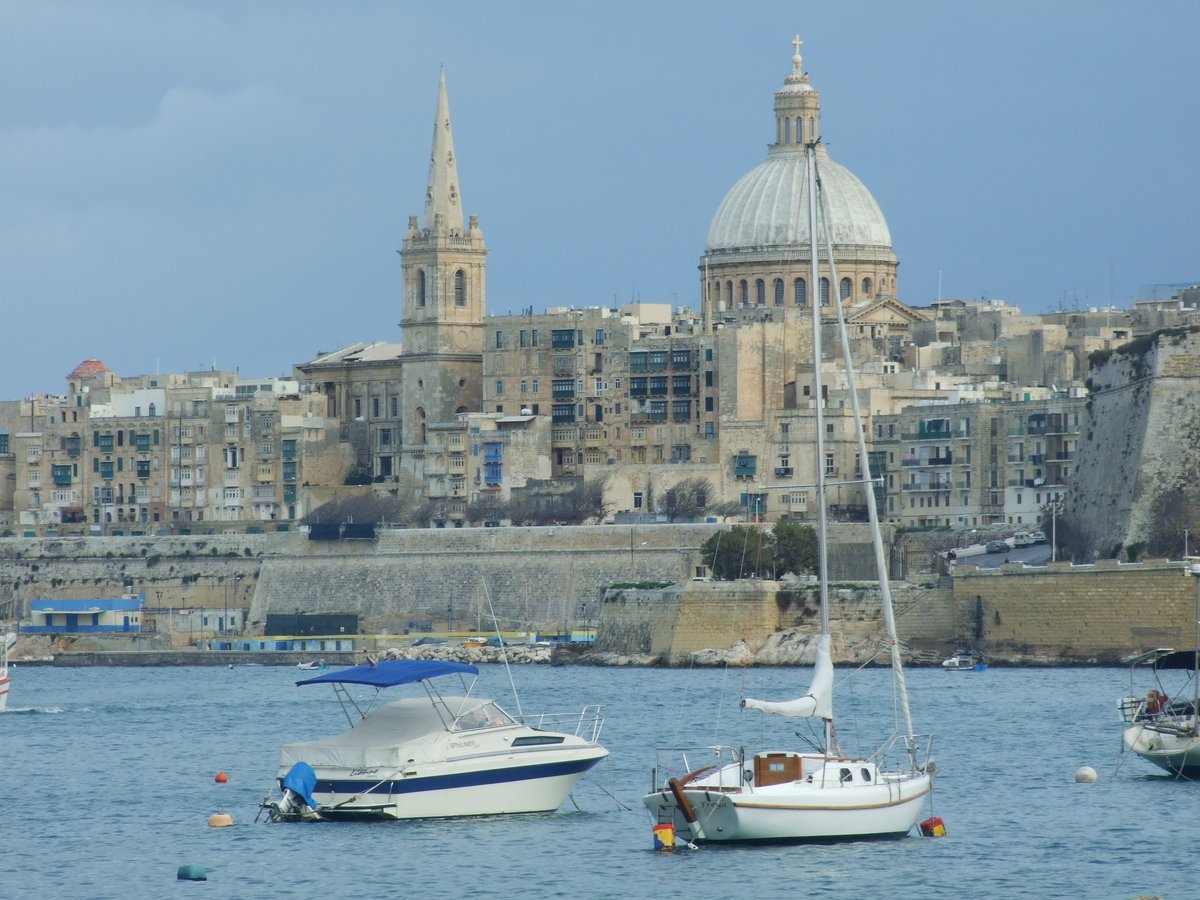
The first thing that hits you in Valletta, Malta, is the light—honey-colored limestone catching the Mediterranean sun until the whole city glows like a lantern. Then comes the sound: cannons firing at noon from 16th-century ramparts, their booms echoing across a harbor that once sheltered the Knights of St John and still feels like a movie set waiting for its close-up. In Europe's smallest capital—less than one square kilometer—every alley ends in salt-spray, every balcony hides a story, and every church doorway frames a Caravaggio.
This is a city built for drama. After the Great Siege of 1565, the Knights carved Valletta from solid rock in just 15 years, creating a Baroque stage set where sea meets stone. Walk Republic Street at sunset and you'll pass 320 monuments in 800 meters—more density than Rome—while locals sip Kinnie and argue football scores under carved wooden balconies. The same stones that withstood Ottoman cannons now echo with jazz from converted bunkers and the clink of wine glasses in 400-year-old wine cellars.
What makes Valletta extraordinary isn't just its past—it's that the past refuses to stay past. Knights' hospitals become contemporary art museums; wartime tunnels host opera performances; noble families still live in 16th-century palaces where they'll show you their private WWII shelters for the price of a pastizz. In a continent crowded with museum-cities, Valletta remains stubbornly alive: 6,000 residents, two working harbors, and a culture that remixes Arab, Italian, and British influences into something uniquely Maltese.
Places to Visit
The Most Interesting Places in Valletta
St. John'S Co-Cathedral
Nestled in the heart of Valletta, Malta’s fortified capital, St.
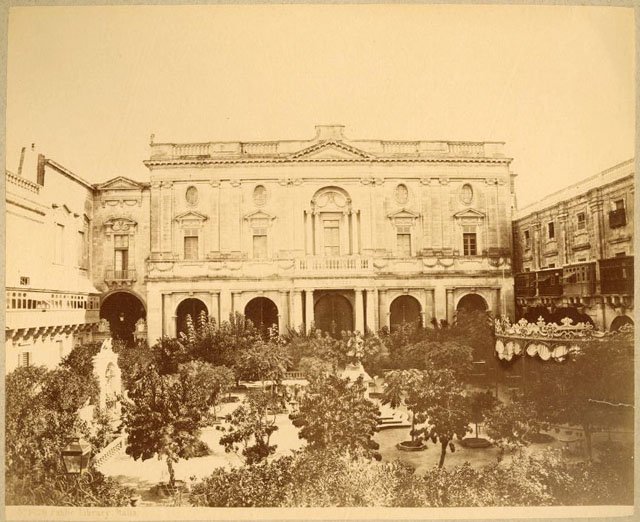
National Library of Malta
Nestled in the heart of Valletta, the National Library of Malta, also known as the Bibliotheca, stands as a beacon of Malta’s rich cultural and intellectual…
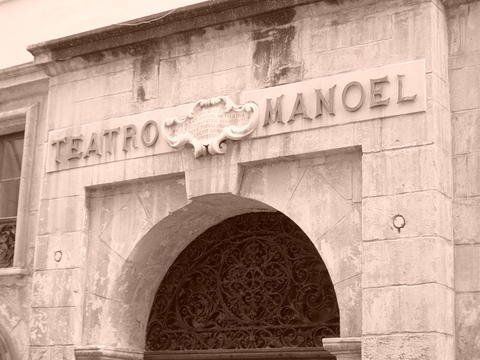
Manoel Theatre
Nestled in the historic heart of Valletta, Malta’s UNESCO World Heritage capital, the Manoel Theatre stands as a remarkable testament to over three centuries…
Royal Opera House
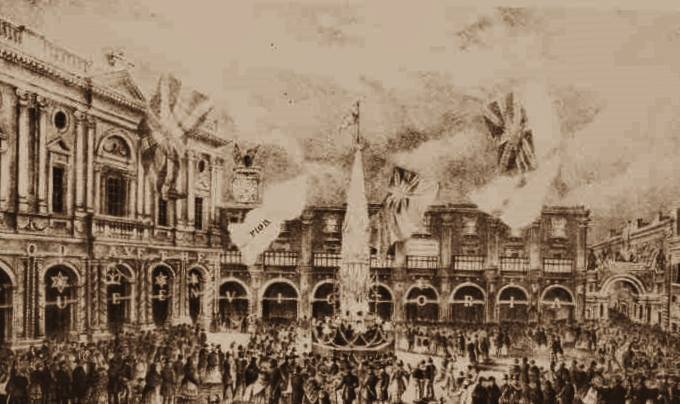
Nestled at the heart of Malta’s capital city, the Royal Opera House Valletta, locally known as Pjazza Teatru Rjal, stands as a remarkable emblem of the…
National Museum of Archaeology
Nestled in the heart of Valletta, the National Museum of Archaeology stands as a beacon of Malta’s rich prehistoric and ancient heritage, drawing visitors…
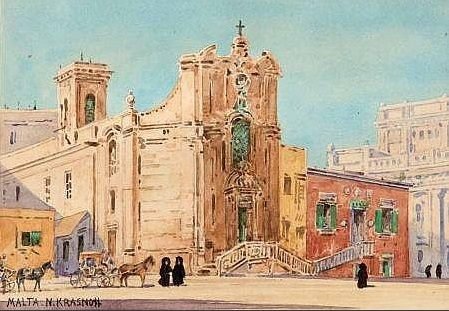
Our Lady of Victory Church
Our Lady of Victory Church in Valletta, Malta, stands as a remarkable emblem of Maltese history, faith, and artistry.
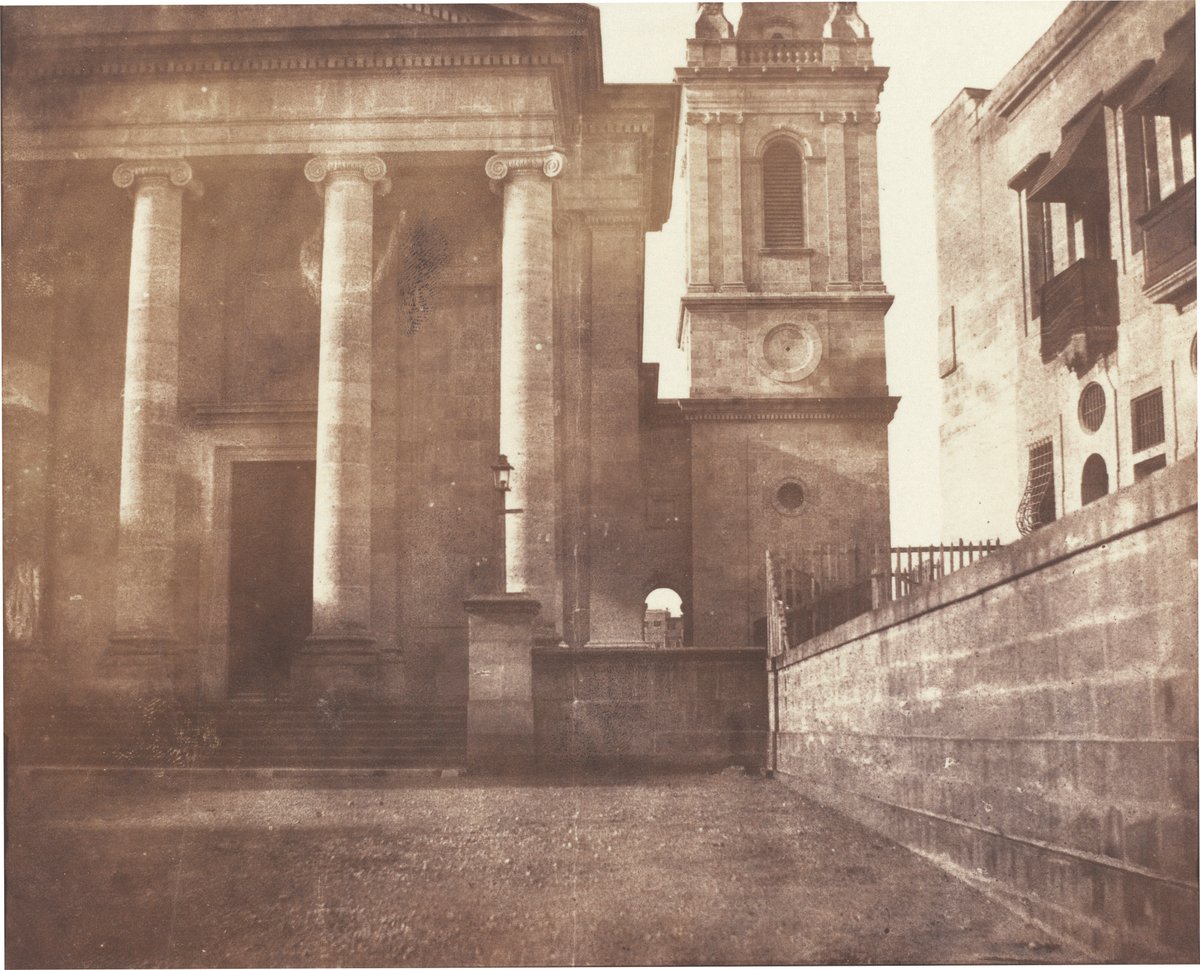
St Paul'S Pro-Cathedral
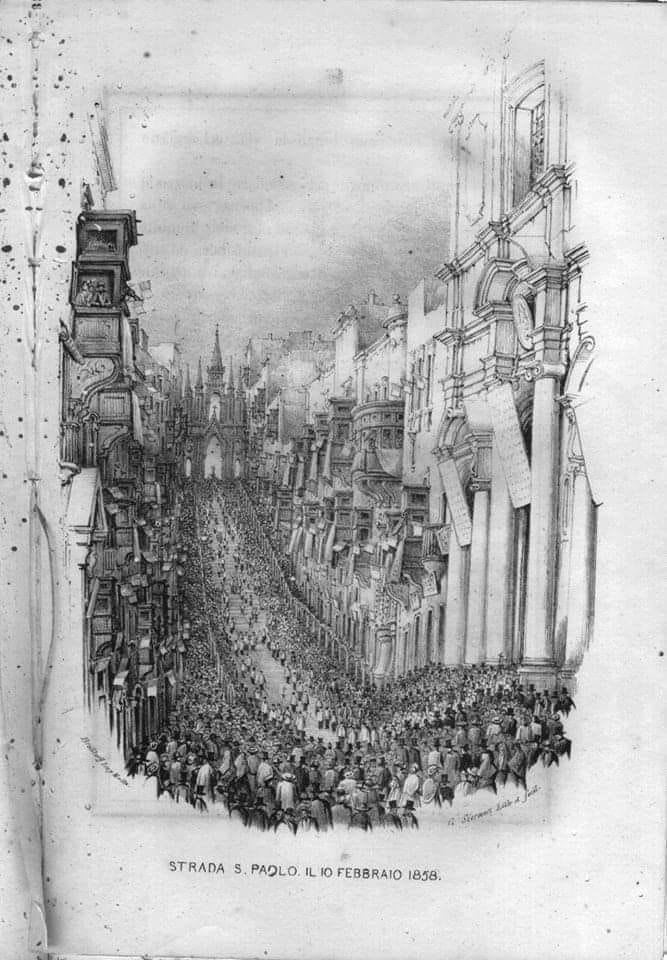
St Paul’s Pro-Cathedral in Valletta, Malta, stands as a remarkable emblem of the island’s rich tapestry of history, culture, and architecture.
Basilica of St Dominic
Nestled in the vibrant heart of Valletta, Malta’s UNESCO World Heritage capital, the Basilica of St Dominic stands as a monumental testament to the island’s…
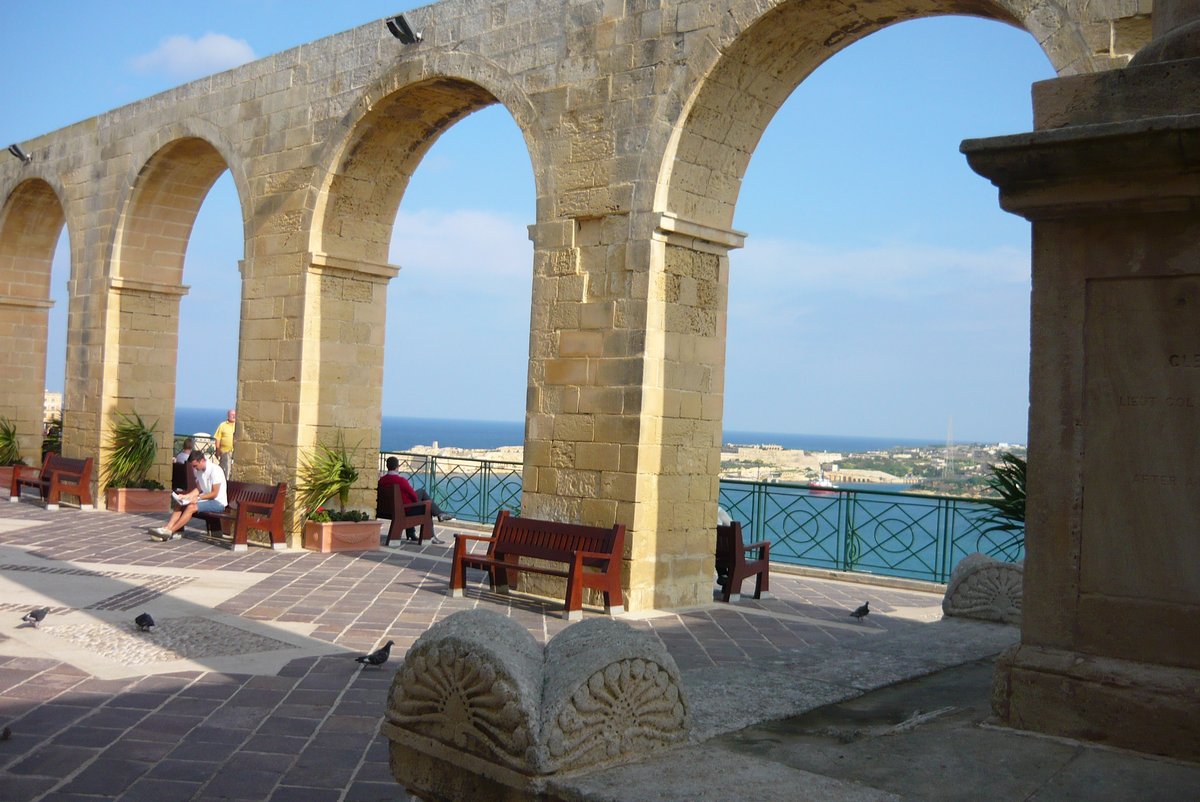
Upper Barrakka Gardens
Nestled atop the highest bastion of Valletta’s formidable city walls, the Upper Barrakka Gardens stand as one of Malta’s most captivating historical sites and…
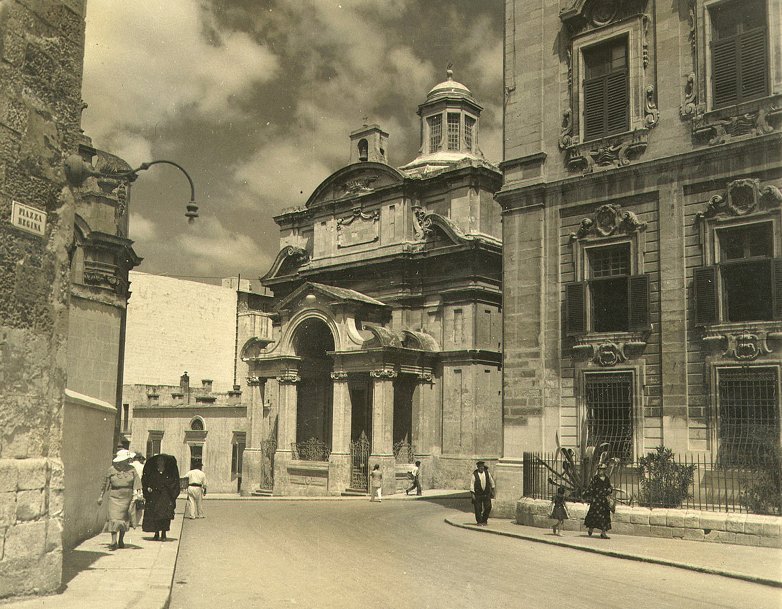
Church of St Catherine of Italy, Valletta
Nestled in the historic heart of Valletta, Malta’s UNESCO World Heritage capital, the Church of St Catherine of Italy stands as a remarkable testament to the…
Church of St Barbara
Nestled in the heart of Valletta, Malta’s UNESCO World Heritage capital, the Church of St Barbara stands as a captivating testament to the island’s rich…
National War Museum
Situated at the strategic tip of Valletta’s Sciberras Peninsula, the National War Museum is a compelling destination nestled within the historic Fort Saint…
What Makes This City Special
Baroque in Stone
320 monuments cram a peninsula barely 800 m long. St John’s Co-Cathedral hides Caravaggio’s only signed canvas beneath a vault painted by his student; the marble floor is a mosaic of 400 tombstones of Knights who once ruled the Mediterranean from this exact spot.
Harbour Theatre
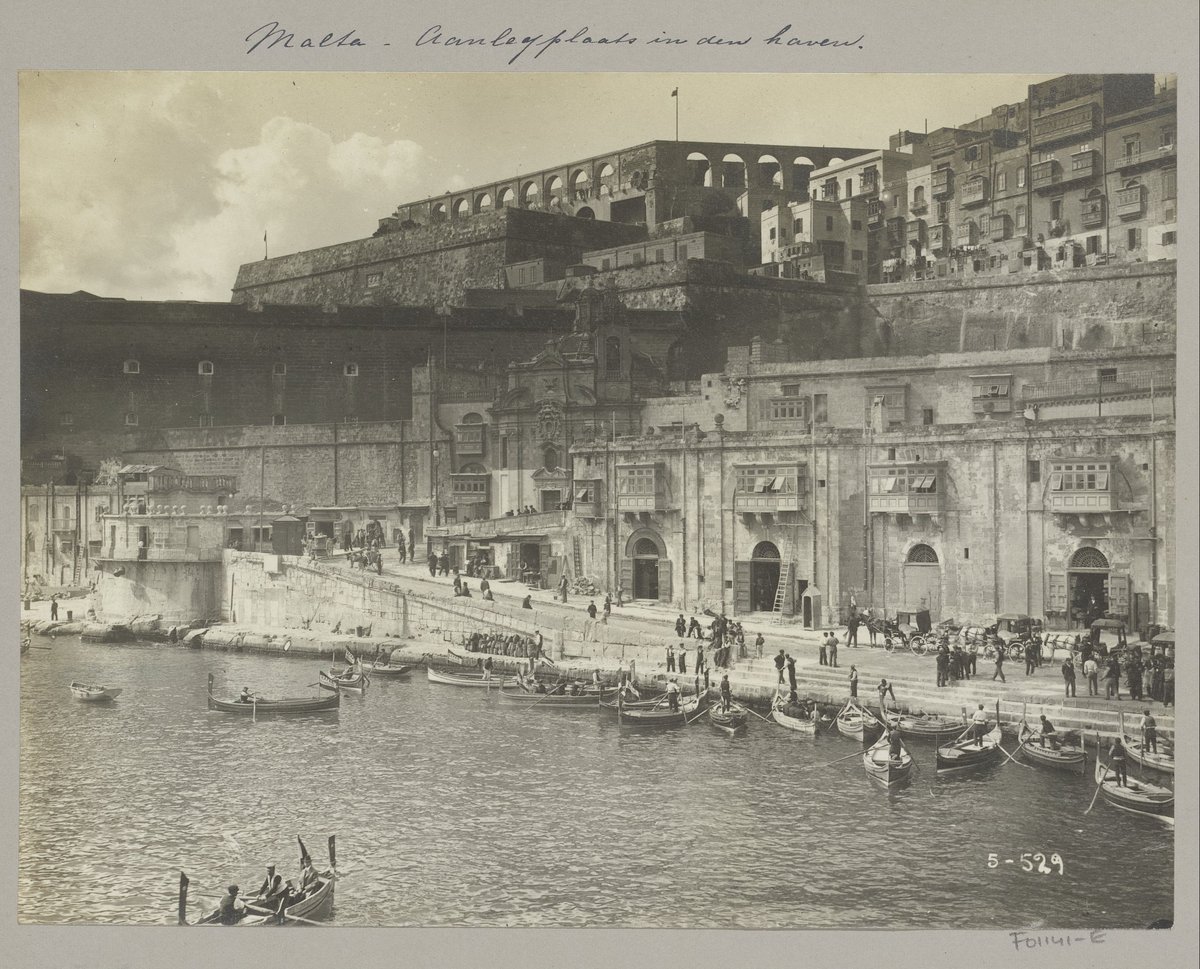
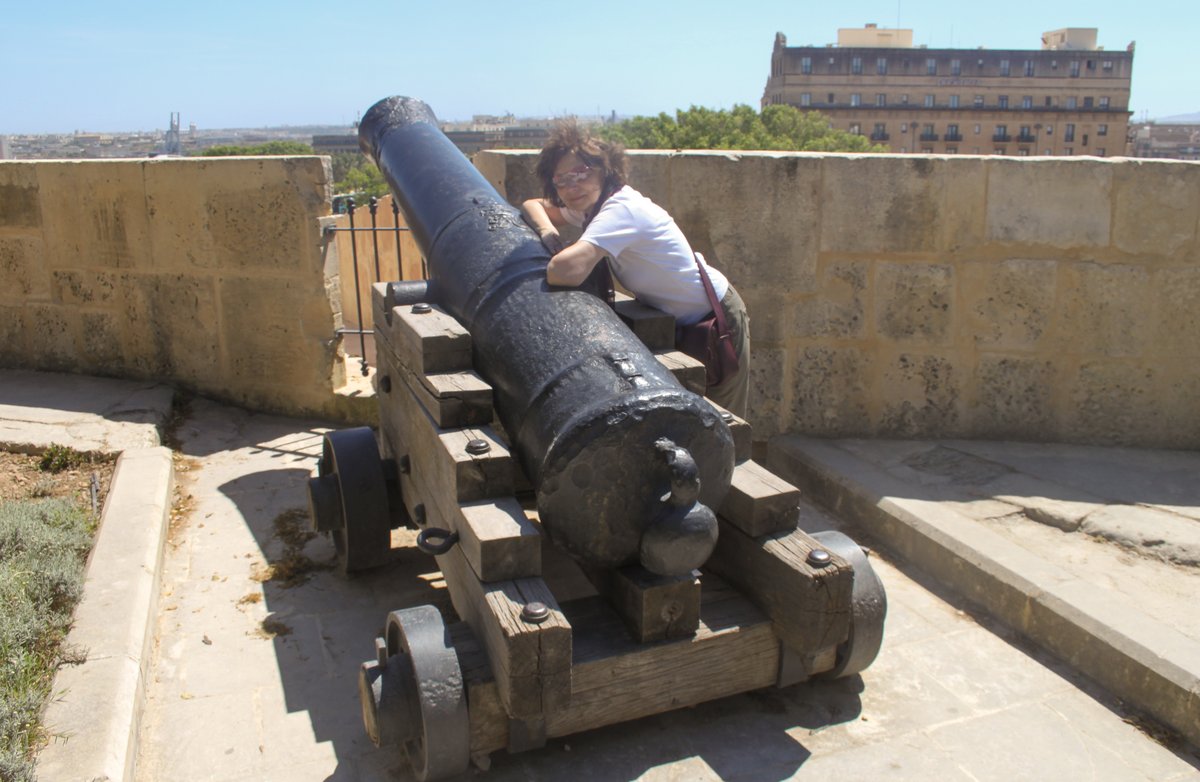
At noon the cannons of the Saluting Battery fire across Grand Harbour, the same 24-pounders that greeted Nelson’s fleet. Watch from Upper Barrakka’s terrace, then ride the 70-second glass lift down to sea level and catch a traditional luzzo across to the Three Cities for €1.50.
A Renzo Piano Cut
The new City Gate is not an arch but a raw slice through 16th-century bastions, purpose-built to reveal the violence of the original cut. In the ditch below, bombed opera-house fragments now serve as an open-air stage—Mediterranean ruins performing themselves.
Strait Street’s Second Act
Once the navy’s ‘Gut’ of bars and brothels, the narrowest main street in Europe now echoes with jazz drifting from wine cellars. Candle-lit vaults serve Kinnie-and-rum while 200-year-old balconies drip bougainvillea onto 2 a.m. passeggiata.
Historical Timeline
A Fortress Raised from Siege and Stone
From barren ridge to Baroque capital in 450 years
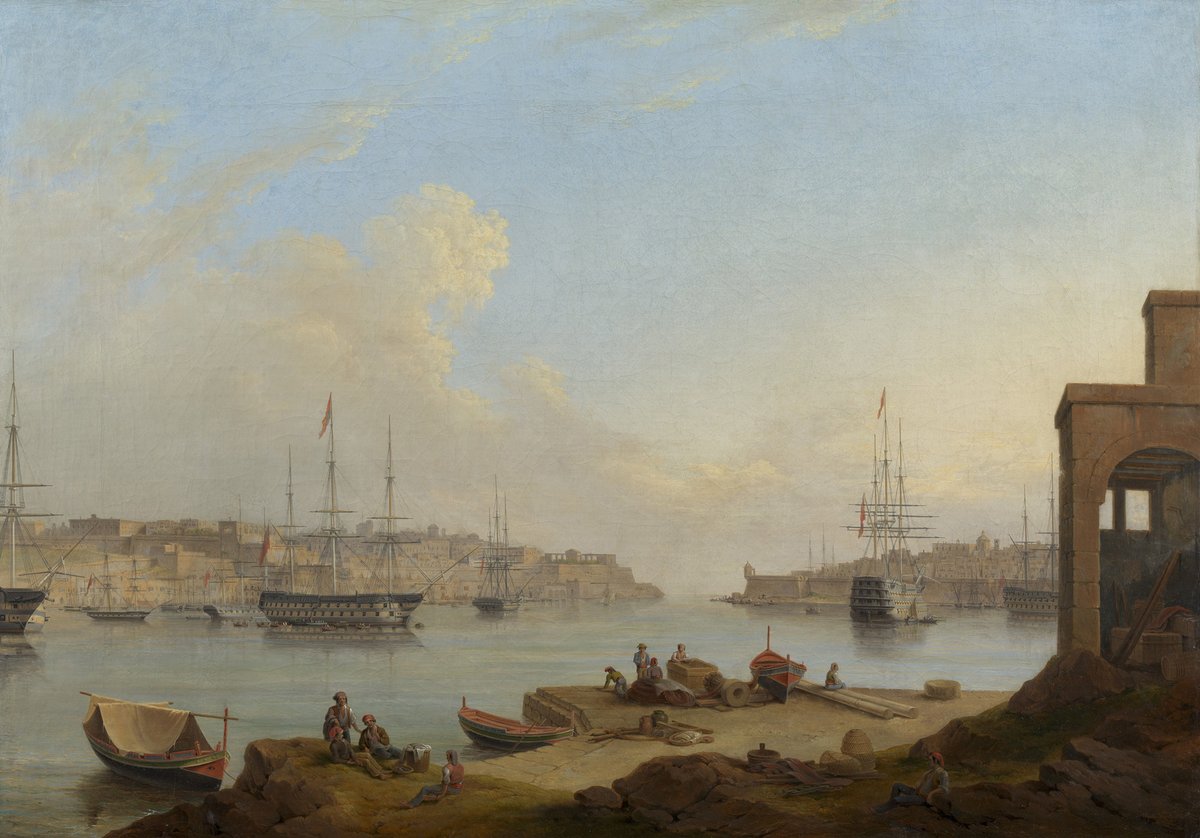
Knights Anchor in Grand Harbour
The Knights of St John sail into Malta's Grand Harbour after seven years stateless. They rent the islands from Emperor Charles V for one falcon a year, set up court in Birgu and start turning the empty ridge of Xebb ir-Ras into a gun platform. The harbour's limestone cliffs echo with pick-hammers within weeks.
The Great Siege Tests the Rock
40,000 Ottomans land and hammer Fort St Elmo for a month; every defender dies, but the delay costs the attackers 6,000 men and their best admiral, Dragut. The siege breaks on 11 September, leaving the peninsula scorched and sacred. Europe hears the news in church bells.
De Valette Lays First Stone
Grand Master Jean Parisot de Valette, 71, plants the foundation stone of a new city on the siege ground. Laparelli's plan: a grid of straight streets angled to catch the breeze, every corner covered by cannon. Workers live in tents; stone arrives by boat from quarries across the harbour.
Palace Rises above Dust
Cassar's masons hoist the first blocks of the Grand Master's Palace. Inside, courtyards cool the air; outside, austere walls hide staterooms lined with Gobelin tapestries. The bronze clock in the courtyard will tick through 250 years of pageants and panics.
St John's Consecrated
The Co-Cathedral opens: plain limestone outside, riot inside. Marble tombstones of 400 Knights pave the floor; the vaulted ceiling waits for Preti's brush. The church becomes the Order's spiritual engine-room, echoing to Latin chant and the clank of armour.
Caravaggio Flees to Malta
Rome's most wanted painter steps off a felucca with blood on his hands and a price on his head. Wignacourt gives him lodgings in the Auberge d'Italie. In a ground-floor workshop Caravaggio stretches a canvas three metres wide and paints murder in chiaroscuro.
Water Finally Climbs the Hill
The Wignacourt Aqueduct completes its 15-kilometre march from Rabat. Arches stride across valleys; water gushes into fountains at the Upper Barrakka. For the first time residents stop rationing barrels and start washing stone dust from their streets.
Preti Gilds the Cathedral
Mattia Preti climbs scaffolding inside St John's and doesn't come down for two years. With ground lapis and gold leaf he turns bare stone into a writhing heaven of saints. Knights kneel beneath their own skeletons, reminded that glory is temporary, stone eternal.
Manoel Theatre Opens
Grand Master Vilhena converts a 17th-century riding school into a jewel-box theatre: 600 seats, three tiers of boxes painted Pompeian red. Candles flicker; Vivaldi is heard. The stage is still wood from 1731, creaking under every modern performance.
Napoleon Takes the Keys
Napoleon demands water for his Egypt fleet; Grand Master Hompesch hesitates, then folds in two days. French tricolour flies over the Palace. Napoleon abolishes slavery, seizes church silver, and is gone in six days, leaving a garrison that will loot until the Maltese revolt.
British Flag over Fort Angelo
After a two-year siege of Valletta by Maltese rebels and British ships, General Vaubois marches out. Captain Alexander Ball raises the Union Jack. Malta's language shifts from Italian to English street by street, shop by shop.
Opera House Burns on Opening Night
Barry's neo-classical Royal Opera House, just completed, catches fire during its first performance. Flames leap across Republic Street; the roof collapses onto velvet seats. The shell will wait 140 years before Renzo Piano turns it into parliament.
Sette Giugno Blood on Strada
Post-war hunger sparks riots; British troops fire into a crowd outside the Palace. Four Maltese fall dead on Palace Square. The date becomes a national day, and the first stone toward self-government is prised loose.
George Cross for the Island
After 154 consecutive bombing days King George VI awards Malta the George Cross for collective bravery. The medal arrives by plane; the citation is read from the Palace balcony while sirens still wail. The cross stays on the flag long after the dust settles.
Italian Fleet Surrenders
The Italian battle fleet steams into Grand Harbour and drops anchor beneath Fort St Angelo, exactly where the Knights once faced Ottoman galleys. Eisenhower accepts the armistice in the Lascaris War Rooms. Valletta's cannons, silent since 1800, fire a 21-gun salute.
Midnight Flag Swap
At midnight on 21 September the Union Jack is lowered and the Maltese flag raised over the Palace. Fireworks bounce off limestone walls; church bells compete with ships' horns. Independence is granted, but British ships still fill the harbour at dawn.
Last British Ship Departs
HMS London sails out at sunset, ending 179 years of Royal Navy presence. Maltese soldiers lower the British naval ensign from Fort St Angelo and raise the George Cross banner. Dom Mintoff declares Freedom Day; the dockyard falls silent for the first time since Nelson.
UNESCO Engraves the City
UNESCO lists Valletta as a World Heritage Site, citing 'one of the most concentrated historic areas in the world.' The decision saves crumbling facades from developers and starts a slow restoration of golden stone that will take decades.
Capital of Culture Ignites
Valletta stages 400 events in 365 days: a pianola concert in the dark tunnels of the cisterns, dancers on the bastion walls, Caravaggio's brushstrocks projected onto the cathedral floor. Tourist numbers jump 25%; Airbnb spreads into 16th-century houses.
State Admits Complicity
A public inquiry finds Malta's government created a 'climate of impunity' that led to journalist Daphne Caruana Galizia's 2017 assassination. The report is presented in the law courts facing the Palace; protesters place candles on the steps where Sette Giugno blood once dried.
Photo Gallery
Explore Valletta in Pictures
An elevated perspective of the historic limestone buildings and the iconic dome of the Basilica of Our Lady of Mount Carmel in Valletta, Malta.
Mirek Jackow on Pexels · Pexels License
A scenic overlook of the historic Grand Harbour in Valletta, Malta, showcasing traditional limestone architecture and the bustling maritime activity.
Abdulmomen Bsruki on Pexels · Pexels License
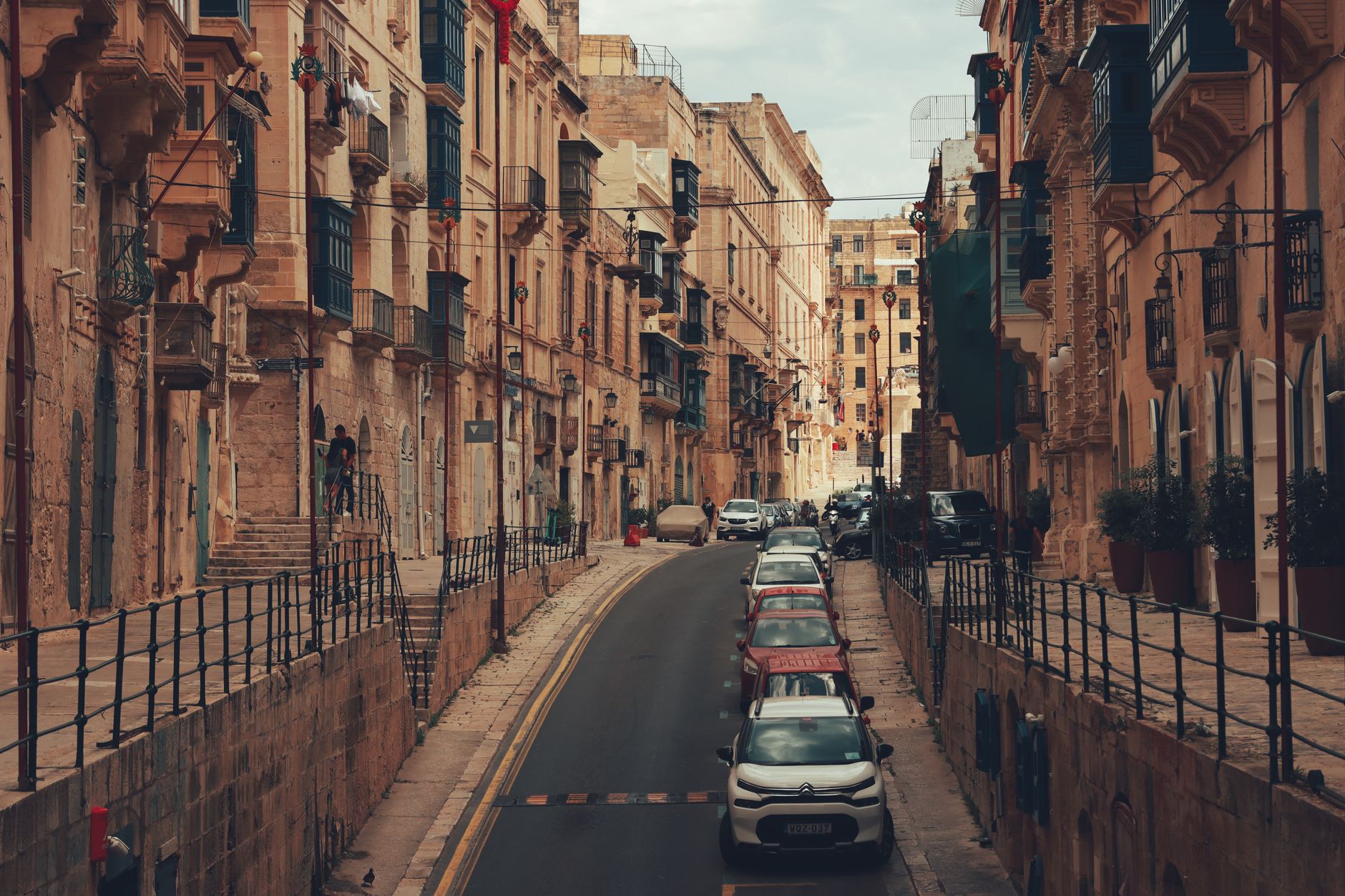
A charming, narrow street in Valletta, Malta, lined with historic limestone buildings and traditional colorful wooden balconies.
Efrem Efre on Pexels · Pexels License
The historic statue of Queen Victoria stands proudly in front of the Bibliotheca in the heart of Valletta, Malta.
Tobi &Chris on Pexels · Pexels License
A stunning aerial perspective of Valletta, Malta, highlighting the city's dense, historic limestone buildings and the prominent dome of the Basilica of Our Lady of Mount Carmel.
Polina ⠀ on Pexels · Pexels License
A stunning view of the gilded, ornate dome interior inside a historic church in the heart of Valletta, Malta.
Tobi &Chris on Pexels · Pexels License
The historic skyline of Valletta, Malta, features the majestic dome of the Basilica of Our Lady of Mount Carmel towering over traditional limestone architecture.
Efrem Efre on Pexels · Pexels License
A car sits covered under the warm, golden light of a historic limestone building in the streets of Valletta, Malta.
Efrem Efre on Pexels · Pexels License
The historic Saluting Battery in Valletta offers a stunning vantage point over the Grand Harbour and the ancient fortifications of Fort St. Angelo.
Kristina Paukshtite on Pexels · Pexels License
A picturesque, sun-drenched stone staircase street in Valletta, Malta, showcasing the city's iconic historic architecture and traditional balconies.
Andreas Figurski on Pexels · Pexels License
The historic Grand Harbour in Valletta, Malta, showcases a blend of ancient limestone fortifications and modern maritime activity under a clear blue sky.
Egor Kunovsky on Pexels · Pexels License
A stunning elevated view of the historic Valletta skyline in Malta, featuring the prominent dome of the Basilica of Our Lady of Mount Carmel overlooking the Mediterranean Sea.
Nadiia Astakhova on Pexels · Pexels License
Practical Information
Getting There
Malta International Airport (MLA) sits 8 km south; the X4 express bus reaches City Gate in 30 min for €2 with a Tallinja card. No rail network exists—road links are via Triq il-Kordin (artery to the airport) and the coast-hugging Regional Road that rings the island.
Getting Around
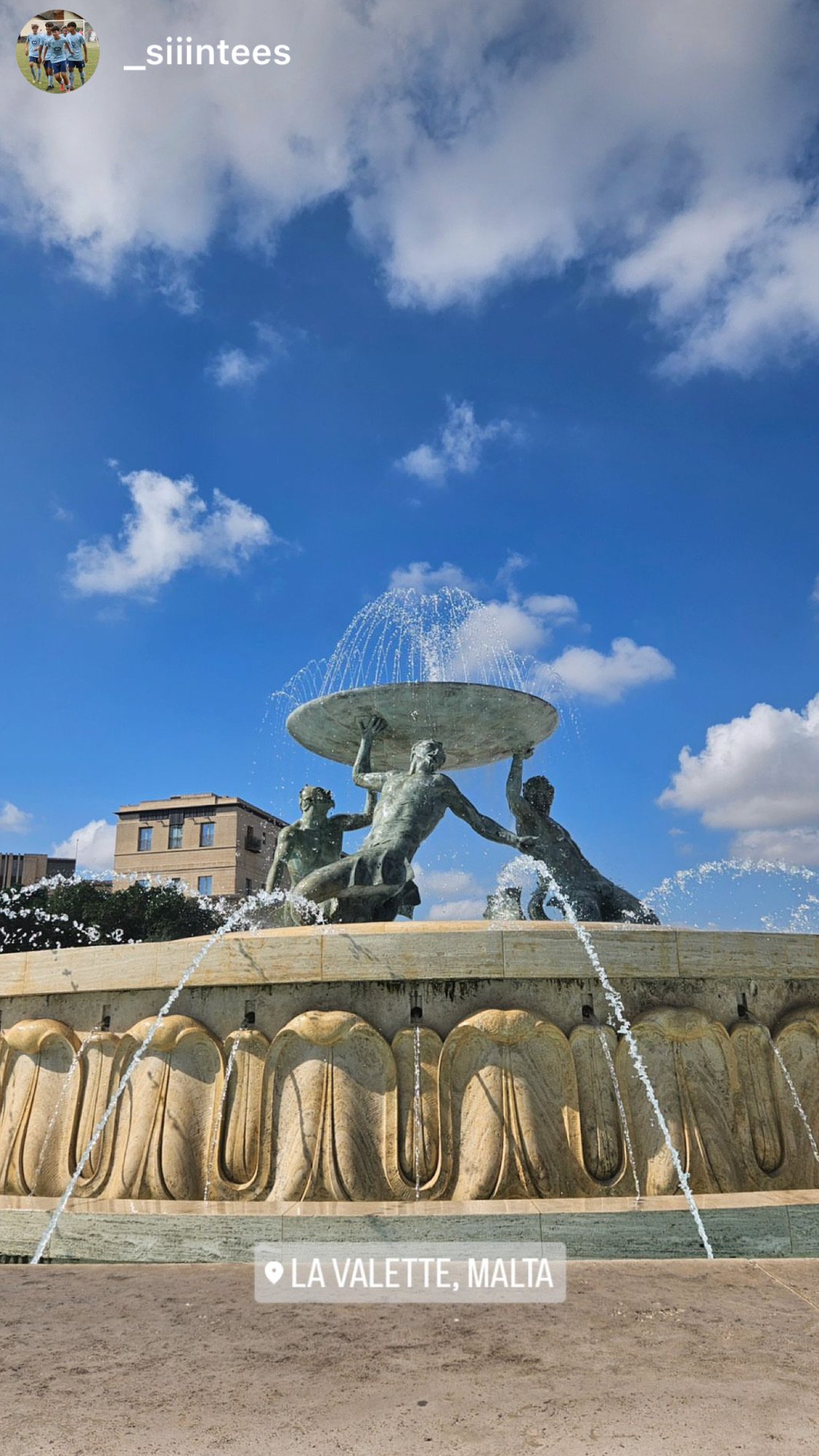
Valletta itself is pedestrian-only; buses radiate from the underground terminus at Triton Fountain. A Tallinja card gives unlimited rides for €6/day or €21/week on 80+ routes covering every temple and fishing village. Ferries to Sliema and the Three Cities run every 30 min from Pinto Wharf.
Climate & Best Time
Spring (Apr–May) hovers 20–24 °C with 20 mm rain—wildflowers on the bastions and pre-cruise calm. Summer peaks at 33 °C in August but the sea stays bath-warm into October, when crowds thin and thermometers still read 24 °C. Winter is mild (15 °C) and quiet, perfect for cathedral interiors without timed tickets.
Money & Passes
Euro is king; contactless works everywhere. Heritage Malta’s 5-site pass (€30) bundles St John’s Co-Cathedral, Ħaġar Qim temples and Fort St Elmo—book Hypogeum separately weeks ahead, capped at 80 visitors per day.
Safety
One of Europe’s lowest crime rates (Numbeo index 28/100). The only real hazard is Maltese driving—look both ways even on pedestrian lanes. Night-time in Strait Street is relaxed; Paceville clubs 10 min away in St Julian’s see occasional pickpocketing at 3 a.m. closing time.
Where to Eat
Don't Leave Without Trying
Is-Suq Tal-Belt - Valletta Food Market
marketOrder: Ġbejniet (Gozo sheep cheese — fresh or peppered-dried), bigilla dip with crusty bread, zalzett tal-Malti sausage, and a jar of Gozo honey to take home. Arrive before 1 PM when the stalls are at their best.
The restored 1859 covered market turned food hall is the single best place to taste the full range of Maltese flavors under one roof. Graze widely — this is the place to eat like a local, not a tourist.
Caffe Cordina
cafeOrder: Pastizzi (ricotta or mushy pea, eaten fresh and hot), imqaret (fried date pastries), and a granita on a hot afternoon. Stand at the bar and order like a local.
Established in 1837, Cordina's Belle Époque interior with a frescoed ceiling is one of the most beautiful rooms in Malta. The pastizzi here are the benchmark — order two, eat them before they cool.
Sotto Pinsa Romana Valletta
local favoriteOrder: The Roman pinsa — a lighter, longer-fermented dough that's crispier than Neapolitan pizza. Ask what seasonal toppings they're running; the quality of the base alone justifies the visit.
A 4.7 with nearly 5,000 reviews is not luck. Sotto quietly became one of the most trusted spots in Valletta because the fundamentals — dough, sourcing, consistency — are genuinely right.
67 Kapitali
local favoriteOrder: Ask what's on today — the kitchen runs seasonal and the daily specials are where the real cooking is. The Maltese sharing plates are where to start.
Tucked on a quiet residential street, 67 Kapitali earns its 4.7 from locals who keep coming back, not tourists who wandered in. This is modern Maltese cooking done with actual care.
Lot 61 Coffee Roasters
cafeOrder: A flat white or filter coffee from their own roasted beans. This is the rare Maltese café where the coffee itself is the point — don't rush it.
The best cup of coffee in Valletta, and it's not close. Lot 61 roasts on-site, the team knows what they're doing, and the Old Theatre Street location puts you exactly where you want to be between sights.
Amorino Gelato - Valletta
quick biteOrder: The rose-shaped scoop — pick two or three flavors and they sculpt it into a flower. Classic pistachio (real Sicilian nuts) and dark chocolate are the benchmarks to judge them by.
Yes, it's a chain — but Amorino's quality holds and the flower-shaped gelato on Republic Street is a genuine pleasure on a hot Maltese afternoon. Sometimes the reliable choice is the right one.
StrEat
local favoriteOrder: Work through the whisky list with a plate of mezze or loaded fries alongside. The bar staff know their selection — ask for a recommendation rather than ordering blind.
Old Theatre Street's best evening option: a whisky bar that actually takes its drinks list seriously, with relaxed grazing food that keeps you there. It gets properly alive after 9 PM.
Hard Rock Cafe Malta
local favoriteOrder: Classic burger and a cold Cisk lager on the waterfront terrace — the food is predictable but the view across Grand Harbour to Valletta's bastions is not.
Ignore the brand and focus on the location: the Valletta Waterfront terrace at sunset, looking back at the city's limestone fortifications reflected in the harbor, is one of the most scenic spots to have a casual drink in all of Malta.
Grand Hotel Excelsior Malta
fine diningOrder: The Sunday buffet lunch is the main event — an extraordinary spread of Maltese and international dishes with unbroken views over Grand Harbour. Book ahead.
Sitting just outside Valletta's city gates with Grand Harbour at its feet, the Excelsior delivers reliable luxury for a city that sometimes runs short on formal dining options. The harbour view alone earns the premium.
AX The Palace Malta
fine diningOrder: Cocktails at the rooftop bar with views across the water to Valletta — the elevated perspective of the city's fortifications from Sliema is entirely different from being inside them.
A five-star hotel that earns its rating: the Palace is the address for an elegant evening on the Sliema side of the harbor. Worth the short ferry crossing from Valletta for a special occasion.
The Waterfront Hotel
local favoriteOrder: Fresh fish — ask for the catch of the day and specify how you want it prepared. The kitchen handles seafood well, and the Sliema promenade setting makes a long lunch feel completely right.
A reliably good restaurant on the Sliema seafront promenade. The unhurried pace and water views make it ideal for the long, slow Maltese lunch that the island's dining culture is built around.
AX The Victoria Hotel
local favoriteOrder: Sundowners at the bar — the Victoria's cocktail list is well-considered and the team is genuinely attentive. The terrace is the place to be in the early evening.
The Victoria is Sliema's most charming boutique hotel and its bar has become a quiet institution for the neighborhood's professional crowd. The atmosphere is warm without being stiff — a rare combination.
Dining Tips
- check Lunch (1:00–3:00 PM) is the main meal. Many traditional Maltese spots are lunch-only — plan your day around it, not the other way.
- check Dinner starts late: 8:00–9:30 PM is normal. Arriving at 7 PM marks you as a tourist; arriving at 6 PM is just strange.
- check The bill will not come until you ask for it. This is hospitality, not inattention — flag the waiter when you're ready.
- check Pastizzerias and market stalls are often cash-only. Carry coins for pastizzi and street food; restaurants generally take cards.
- check Tip 10% if no service charge is already included. At cafés, rounding up or leaving loose change is sufficient and appreciated.
- check Tap water is safe but tastes strongly of desalination — most locals order bottled. It's not a tourist upsell.
- check Breakfast is a standing affair: coffee and a pastizzi at the bar, under €1, done in five minutes. Do it at least once.
- check Book ahead for the better restaurants, especially Friday and Saturday evenings — Valletta is small and the good tables fill up.
Restaurant data powered by Google
Tips for Visitors
Book St John's Ahead
Timed tickets for St John's Co-Cathedral sell out on cruise-ship days; reserve online 2-3 days ahead to secure your slot.
Ride the Dghajsa
Skip the bus and take the traditional luzzu water taxi (€1.50) from Valletta waterfront to Vittoriosa — it's faster and infinitely more atmospheric.
Eat Pastizzi at 2 a.m.
Crystal Palace on Republic Street stays open until 02:00; queue with locals for ricotta pastizzi at 30 ¢ each — the ultimate late-night fuel.
Hear the Hypogeum Hum
Only 80 visitors per day enter the 5,000-year-old Hypogeum; the inner chamber resonates a bass voice at 111 Hz — book weeks ahead.
Sunset from Hastings
Most tourists stop at Upper Barrakka; walk another five minutes to Hastings Gardens for west-facing golden light over the city walls without the crowds.
Get the Tallinja Card
A €2 reloadable Tallinja card drops bus fares to €1.50 (winter) and caps daily spend at €6 — it pays for itself after two rides.
Explore the city with a personal guide in your pocket
Your Personal Curator, in Your Pocket.
Audio guides for 1,100+ cities across 96 countries. History, stories, and local insight — offline ready.
Audiala App
Available on iOS & Android
Join 50k+ Curators
Frequently Asked
Is Valletta worth visiting? add
Absolutely — Valletta packs 320 baroque monuments into 0.8 km², plus Caravaggio’s only signed painting and Renzo Piano’s raw-limestone parliament. You can walk the entire peninsula in 20 minutes yet spend days peeling back layers from 1566 Knights' streets to 1942 bomb shelters.
How many days in Valletta do you need? add
Base yourself for three full days: one for the city’s cathedrals, palaces and gardens; one for the Three Cities ferry loop and Vittoriosa’s Inquisitor Palace; one for Mdina and the Hypogeum (book ahead). Add an extra night if you want a Gozo or temple side-trip without rushing.
What is the cheapest way from Malta airport to Valletta? add
Bus X4 costs €2 with a Tallinja card and takes 30–45 minutes depending on traffic. It departs every 30 minutes right outside arrivals and drops you at Valletta’s City Gate terminus — a five-minute flat walk to Republic Street.
Is Valletta safe at night? add
Yes — Malta ranks among Europe’s safest countries and Valletta’s narrow streets stay well-lit and populated until bars close. The only real risk is pickpocketing on cruise-ship days around Republic Street; standard vigilance is plenty.
Can you do Valletta on a day trip from Sliema? add
Easily: the ferry from Sliema waterfront takes 10 minutes and runs until midnight. You’ll have eight hours to cover St John’s, the Upper Barrakka noon cannon, Casa Rocca Piccola and Strait Street bars before sailing back at sunset — but you’ll miss the Hypogeum and evening jazz sessions.
Sources
- verified St John’s Co-Cathedral official site — Ticketing policy, opening hours and visitor limits for Caravaggio paintings.
- verified Heritage Malta – Hal Saflieni Hypogeum — Visitor quota, acoustic properties and booking details for the prehistoric burial site.
- verified Malta Public Transport journey planner — Real-time routes, Tallinja card fares and X4 airport timetable.
- verified Numbeo Crime Index – Malta — Safety statistics comparing Malta to EU averages.
Last reviewed: