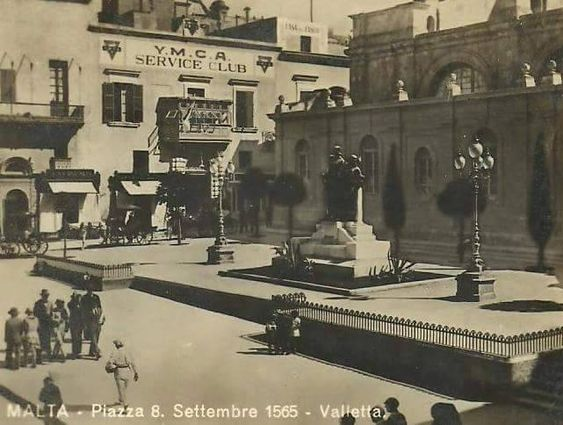

What the Great Siege Monument Is
Standing on Republic Street in Valletta, opposite the Law Courts, the Great Siege Monument commemorates Malta’s defense against the Ottoman Empire in 1565. Designed by Maltese sculptor Antonio Sciortino and unveiled in 1927, its three allegorical bronze figures represent virtues associated with the defense of the island. The monument is freely accessible year-round and remains a place of remembrance and civic expression (MAVM, Oh My Malta, Evendo).
Origins and Historical Context
In 1565, Malta faced a major Ottoman invasion. For nearly four months, the Knights of St. John and Maltese civilians, heavily outnumbered, endured the siege through tactical ingenuity and with European support. Their victory preserved Malta’s independence and marked a turning point in halting Ottoman expansion in Europe (MAVM).
Commissioning and Artistic Creation
In the early 20th century, as Malta’s national identity strengthened, a movement began to create a lasting tribute to the defenders. Antonio Sciortino was commissioned to design the monument, which was unveiled in 1927. Its position on Republic Street, opposite the Law Courts, makes it a focal point for remembrance and civic pride (MAVM).
The Great Siege in Maltese Memory
The defense of 1565 is a foundational event in Maltese identity and is commemorated annually on Victory Day, 8 September. Victory Day also recalls Malta’s liberation from the French in 1800 and the lifting of the Second World War siege in 1943 (World Wild Schooling, Oh My Malta).
Restoration and Legacy
The monument was restored in 2010 to preserve its structural and aesthetic value (MAVM). It appeared on Maltese stamps in 1956, 1962 and 1972, and on the 50-cent coin from 1972 to 1986. It also serves as a gathering place for national celebrations, demonstrations and public reflection (World Wild Schooling).
Evolving Symbolism in Maltese Society
Since 2017, the monument’s base has served as a memorial to Daphne Caruana Galizia, representing the continuing struggle for justice and free expression in Malta (The Shift News). The site is also used for artistic performances, protest memorials and collective acts of remembrance (The Shift News).
What to See
Symbolism and Design Elements
The monument consists of three allegorical bronze figures atop a granite base. Descriptions identify the figures as Faith, Civilization and Valor; other descriptions name them Faith, Fortitude and Civilization.
- Faith wears a papal tiara and is also described as holding a cross, representing spiritual resolve and religious conviction.
- Civilization is described with the mask of Minerva and also as carrying a book, evoking wisdom, strategy, cultural heritage and legacy.
- Valor, the central figure, is muscular and armed, embodying courage and martial prowess. In the alternative description, Fortitude wields a sword and shield, symbolizing resilience.
The figures face outward, suggesting vigilance and the multifaceted nature of Malta’s heritage (MAVM, Oh My Malta).
Artistic Design and Features
Sciortino’s expressive composition combines classical allegory with early modernist sensibilities. His work reflects Italian and French sculptural trends of the late 19th and early 20th centuries, part of a shift toward more emotive public monuments. The bronze construction has a durable, evolving patina (Oh My Malta).
Placement and Urban Significance
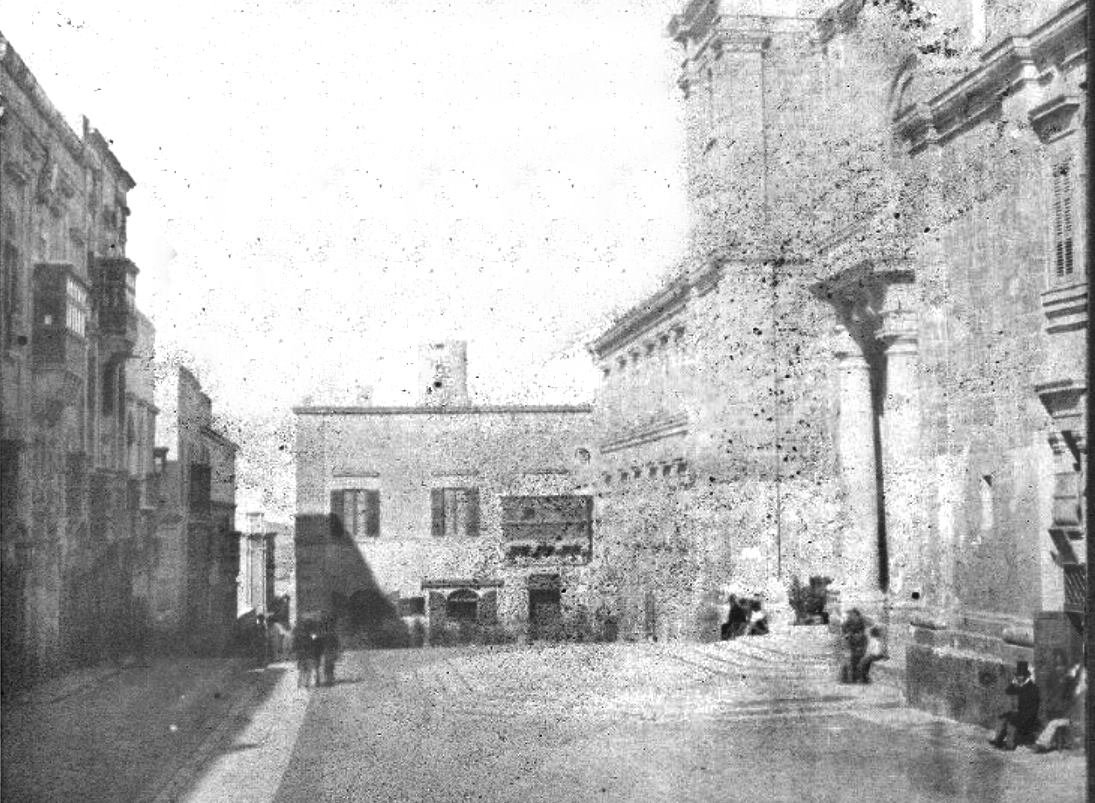
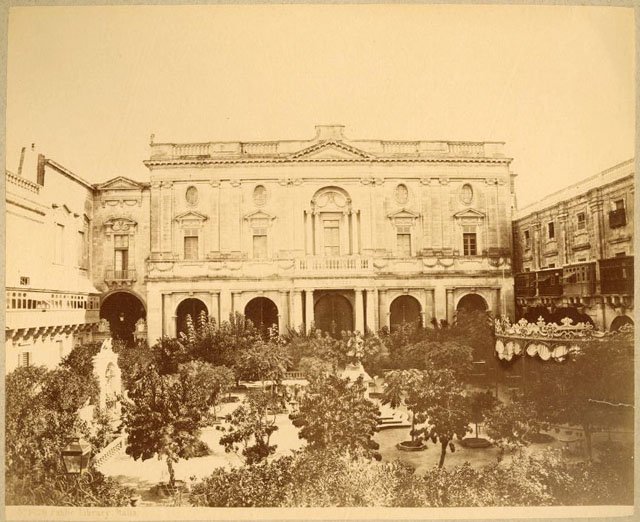
The monument stands amid Valletta’s Baroque architecture and civic institutions. Its setting on Republic Street, beside the Law Courts, underscores its association with justice and resilience and places it within the city’s historic center (World Wild Schooling).
Artistic and Civic Rituals
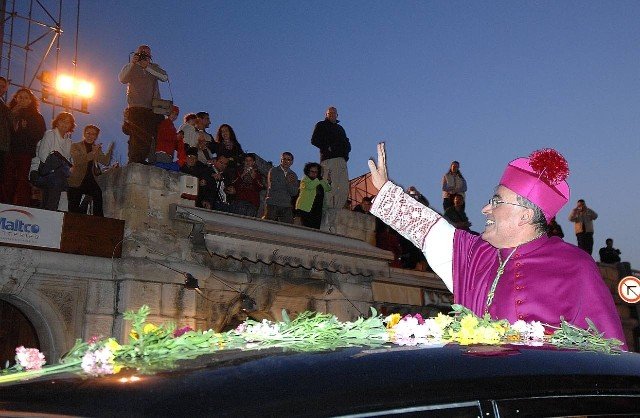
Victory Day events at the monument include military parades, official wreath- or garland-laying by the President, literary readings and music (Oh My Malta). The monument is a focal point for national celebrations and civic engagement.
Visuals and Multimedia
Images and videos are available through Maltese cultural and travel websites. Virtual tours and interactive maps through apps such as Audiala can support remote or on-site exploration.
Practical Visiting Information
Visiting the Great Siege Monument: Hours, Tickets & Accessibility
- Hours Open 24/7 as an outdoor public monument; there are no visiting restrictions.
- Admission Free; no tickets are required.
- Accessibility The monument is on a pedestrian-friendly street and the area is wheelchair accessible.
- Getting there It is easily reached from Valletta’s main attractions and transport hubs.
Practical Visitor Insights
The monument is included in many Valletta walking tours and most Valletta historical tours. Audio guides and mobile apps such as Audiala also offer self-guided experiences.
Photography is allowed. Suggested views are from the front of the monument and from the surrounding square.
Tips
The monument can be viewed at any time, though daylight is best for viewing and photography. Early mornings and late afternoons offer fewer crowds and favorable lighting, while national holidays bring a more vibrant atmosphere. Visitors are encouraged to respect the site as a place of remembrance and civic pride.
Nearby Places
Nearby attractions include St. John’s Co-Cathedral, Upper Barracca Gardens and the National Museum of Archaeology.
Frequently Asked Questions (FAQ)
Q: What are the Great Siege Monument’s visiting hours?
A: It is open 24/7, with no restrictions.
Q: Is there an entrance fee?
A: No. Admission is free.
Q: Are guided tours available?
A: Yes. The monument is included in many Valletta tours.
Q: Is it accessible for disabled visitors?
A: Yes. The area is wheelchair accessible.
Q: What are the best photo opportunities?
A: From the front of the monument and the surrounding square.