
Architectural Vision and Urban Integration
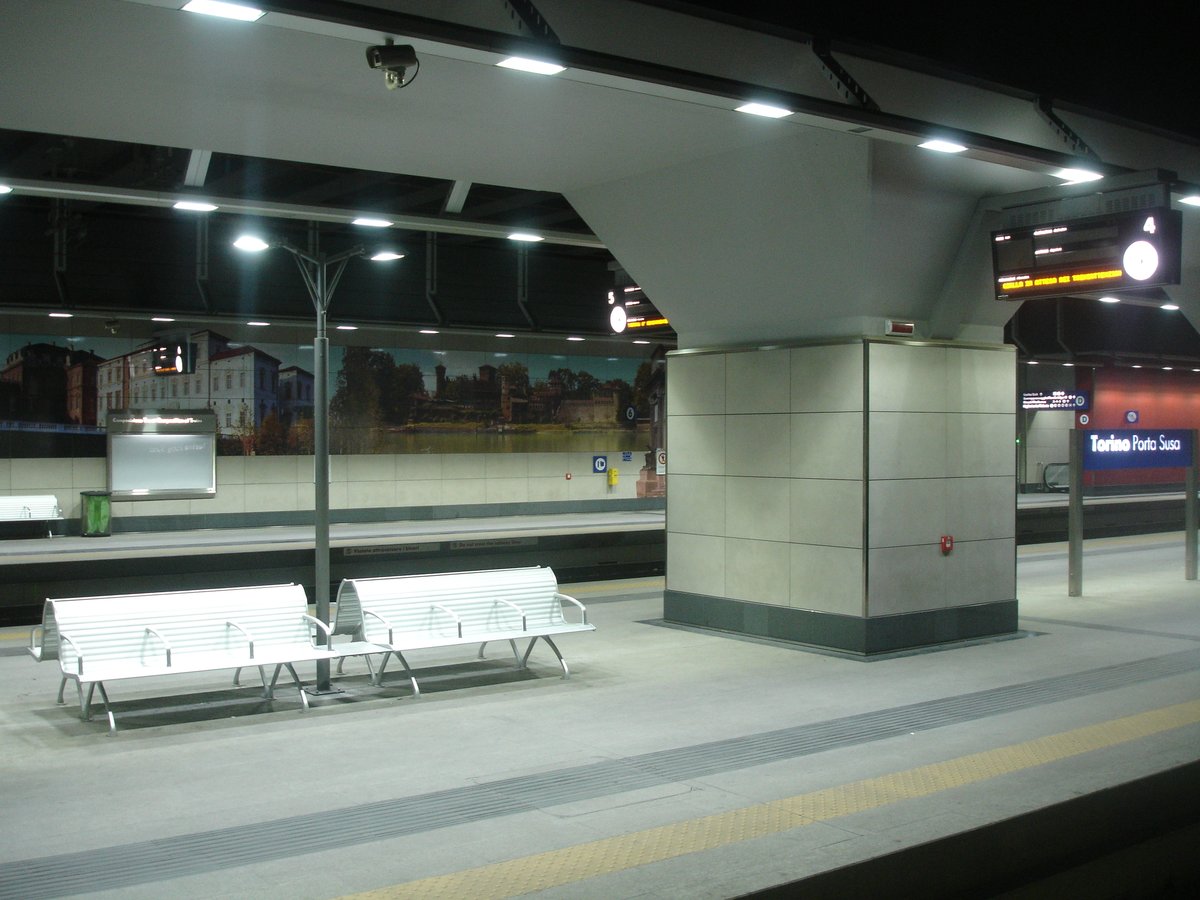
Designed by Silvio d’Ascia Architecture in collaboration with AREP and Agostino Magnaghi, the modern Porta Susa station redefines the interface between public infrastructure and urban life. Its 385-meter-long, 30-meter-wide glass-and-steel gallery allows natural light to flood the interior, creating a welcoming and energy-efficient environment (Jidipi). The design dissolves boundaries between city and station, serving as a public space and a catalyst for regeneration in Turin’s “urban spines” plan.
The station’s structure references both the grand train sheds of the 19th century and the glass-roofed shopping galleries typical of northern Italy, such as Milan’s Galleria Vittorio Emanuele II. Five underground levels accommodate high-speed and regional train services, the metro, and commercial facilities, with intuitive wayfinding and step-free access throughout (Architectural Record).
Station Facilities, Accessibility, and User Experience
Facilities
- Ticketing Staffed ticket counters (open 6:00–21:00) and 24/7 automated machines for all major rail services (Trenitalia; Italo Treno).
- Lounges Freccia Club (Trenitalia) and Lounge Italo Club for premium passengers.
- Waiting Areas Spacious, climate-controlled seating with charging points.
- Shops & Dining Cafés, restaurants, newsstands, and convenience stores.
- Restrooms Clean, accessible, and equipped for wheelchair users.
- Left Luggage Secure storage for short- and long-term needs.
- Free Wi-Fi Available throughout the station.
Accessibility
Porta Susa is fully equipped for travelers with reduced mobility:
- Step-free access Elevators and ramps connect all levels.
- Sala Blu Assistance Dedicated staff assist passengers with disabilities; bookable up to one hour before arrival/departure (RFI Accessibility Info).
- Visual & Auditory Info Real-time electronic boards and announcements.
- Accessible restrooms and tactile signage for visually impaired travelers.
Visiting Hours and Ticket Information
- Station Hours Open daily from 5:00 AM to 12:30 AM.
- Ticket Offices Operate 6:00 AM to 9:00 PM. Automated machines available 24/7.
- Travel Lounges Hours may vary; check with service providers.
- Assistance Services Available 7:45 AM–10:30 PM (RFI Station Info).
Purchase tickets online via Trenitalia, Italo Treno, or at the station. For metro and tram, buy tickets at kiosks or via mobile apps. Validate tickets before travel.
Travel Tips
- Arrive Early Allow at least 30 minutes for navigation, especially during peak hours.
- Real-Time Updates Use official apps for train schedules and platform info.
- Luggage Use left luggage services for convenience.
- Safety Remain vigilant against pickpockets; use main exits at night.
- Payments Major credit cards and contactless payments accepted.
- Public Transport Integrated connections to metro, trams, and buses (GTT Torino).
- Taxi Available outside the station; rides to major venues typically €25–€50 (UN Virtual Worlds Day Practical Information).
Nearby Attractions & Monuments
Turin is rich in culture and history, with several prominent sites accessible from Porta Susa:
- Mole Antonelliana Iconic landmark with the National Museum of Cinema and panoramic views (Mole Antonelliana Info). Open daily 9:00–19:00.
- Egyptian Museum World-class collection of Egyptian antiquities.
- Piazza Castello Historic city center with the Royal Palace and Palazzo Madama.
- Via Roma Shopping and historic architecture.
- Palazzo Madama UNESCO World Heritage site.
All are easily reached via metro, tram, or a short walk.
Special Events and Guided Tours
Porta Susa occasionally hosts exhibitions and cultural events within its concourse. Guided tours, available through local tourism offices, reveal the station’s unique architecture and history. Check Turismo Torino and the station’s official channels for upcoming events.
Sustainability and Green Initiatives
The station’s design emphasizes energy efficiency, extensive use of natural light, and integration with sustainable urban mobility. Photovoltaic panels and rainwater harvesting systems reduce environmental impact, while the multimodal layout encourages public transport, cycling, and walking (European Commission).
Frequently Asked Questions (FAQ)
Q: What are the station’s hours?
A: Open daily 5:00 AM–12:30 AM.
Q: Where can I buy train and metro tickets?
A: At staffed counters, automated machines, or online (Trenitalia; Italo Treno).
Q: Is the station accessible for travelers with disabilities?
A: Yes, with elevators, ramps, accessible restrooms, and assistance services.
Q: Are guided tours available?
A: Yes, through local tourism offices.
Q: How do I reach Turin’s main attractions from Porta Susa?
A: Use Metro Line 1, bus, or tram for easy access.
Q: Can I store my luggage at the station?
A: Yes, secure left luggage facilities are available.
Q: Is Wi-Fi free?
A: Yes, throughout the station.
Summary Table: Key Historical Facts
| Year | Event |
|---|---|
| 1868 | Station inaugurated |
| 1920s | Major expansions |
| 1950s | Post-war reconstruction & electrification |
| 2006 | Modern station construction begins |
| 2013 | New station inaugurated |
| 2022 | International high-speed services expanded |
For detailed historical and architectural information, see the official RFI station page and Turin city archives.