
Historical Background and the Legacy of Saint Giuseppe Benedetto Cottolengo
Origins and Vision
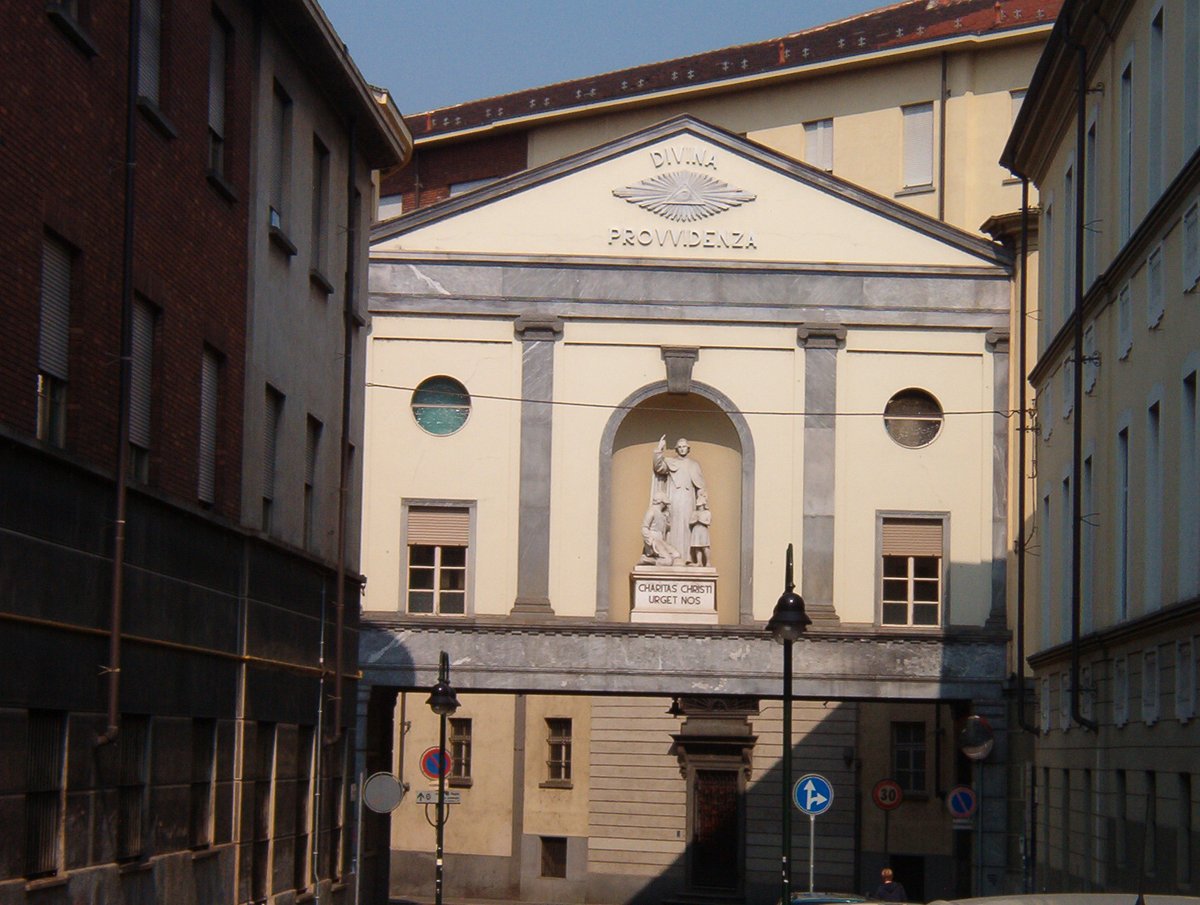
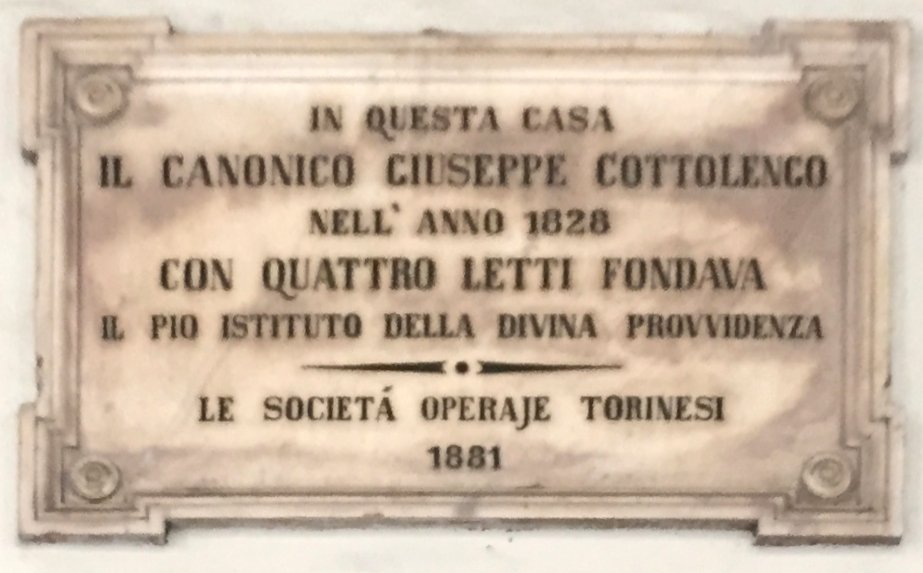
Saint Giuseppe Benedetto Cottolengo was born in 1786 in Bra, Piedmont. Originally studying medicine, he was deeply moved by the plight of the sick and poor during a time of frequent epidemics and social upheaval. In 1828, after witnessing a destitute family denied hospital care, Cottolengo founded the Little House of Divine Providence in Turin's Valdocco district. His goal: to create a sanctuary for those rejected by other institutions, regardless of their background, creed, or condition (Catholic Saints Day, Wikipedia).
Growth and Recognition
The institution quickly grew, earning the nickname “citadel of the miracle” for its pioneering approach to Christian charity and social care. In 1833, it received official recognition from the Kingdom of Sardinia under King Carlo Alberto, solidifying its status as a model of social welfare (Difesa Popolo, RaiNews).
Global Legacy
By the time of Cottolengo’s death in 1842, the Little House had become a thriving community supported by various religious congregations. Its mission has since expanded internationally, with “Cottolengo” houses established in Europe, Africa, India, the United States, and South America (Vatican.va).
The Charitable and Spiritual Mission
Holistic Care and Social Innovation
The Cottolengo is renowned for its holistic approach, integrating medical care, education, social support, and spiritual guidance. It pioneered self-sufficient community models, providing vocational training and meaningful work for residents through on-site workshops, bakeries, laundries, and more (Equipe Notre-Dame).
Spiritual Foundation
Central to the institution’s identity is its spiritual life. The Chiesa Grande, built in 1834, remains the heart of the complex, hosting religious services, retreats, and welcoming pilgrims seeking reflection and community (Cottolengo Official).
Ongoing Social Commitment
Today, the Little House continues to serve all in need, regardless of nationality or religion. Its services include healthcare, social assistance, education, and pastoral care, supported by a network of religious and lay volunteers (Wikipedia, Cottolengo Official).
Visitor Information: Hours, Tickets, and Tours
Location
Piccola Casa della Divina Provvidenza
Via Cottolengo, 14
10152 Torino TO, Italy
Located in the Valdocco district, the site is easily accessible by tram, bus, and on foot from central Turin (MuseoTorino).
Visiting Hours
Different sources report slightly varying hours; always check the official website for updates.
- Monday to Saturday 9:00 AM – 5:00 PM (public buildings and main church)
- Sunday and Holidays 10:00 AM – 4:00 PM (church and select areas)
- Some areas and guided tours: Tuesday to Sunday, 9:00 AM – 6:00 PM
- Museum and archives: By appointment
Tickets and Admission
- Admission Free of charge. Donations are encouraged to support charitable activities.
- Guided Tours Available by prior booking, with a nominal fee for in-depth historical and cultural itineraries. Tours for school groups, community organizations, and international visitors are offered; English-speaking guides are available on request (Cottolengo Visit Info).
Accessibility and Facilities
- Wheelchair Accessible Ramps and elevators provide access to most public areas.
- Assistance Staff and volunteers are available to help visitors with special needs.
- Restrooms and Amenities Facilities are available throughout the complex.
- Dress Code Modest attire is required (shoulders and knees covered) in sacred and residential areas.
Events, Special Occasions, and Community Life
- Religious Festivals Major celebrations occur on April 30th (St. Cottolengo’s feast day), featuring special Masses and community events.
- Cultural Programs Educational workshops, concerts, and exhibitions are hosted throughout the year. Check the official calendar for details.
- Volunteer Opportunities Visitors can engage in volunteer programs supporting residents and charity projects.
Highlights and Points of Interest
- Chiesa Grande The main church, a neoclassical masterpiece, hosts daily services and special concerts (Cottolengo Official).
- Historical Rooms The “Porziuncola” room preserves royal decrees and artifacts from the institution’s founding (Difesa Popolo).
- Museums and Archives Exhibits document the life of St. Giuseppe Benedetto Cottolengo and the social evolution of the Piccola Casa.
- Community Spaces Courtyards, gardens, and original workshops reflect the self-sufficient, inclusive ethos of the institution.
Expert Tips for a Meaningful Visit
- Book in Advance Guided tours offer deeper insights and access to historical areas.
- Participate in Services Attending Mass or prayer services provides a window into the community’s spiritual life.
- Respect Privacy The site is first and foremost a home for vulnerable people. Please maintain a respectful attitude and follow staff instructions.
- Support the Cause Donations and purchases from the onsite shop help sustain ongoing charitable work.
- Combine with Other Visits The Piccola Casa is close to other landmarks such as the Basilica of Mary Help of Christians and the Borgo Dora market, enriching your cultural itinerary (Voyage Tips).
Frequently Asked Questions (FAQ)
Q: What are the opening hours?
A: Typically Monday–Saturday 9:00–17:00, Sundays 10:00–16:00. Some areas open Tuesday–Sunday 9:00–18:00. Check the official website for the latest times.
Q: Is admission free?
A: Yes. Donations are appreciated.
Q: Are guided tours available?
A: Yes, by advance booking, including English-language options. Email [email protected].
Q: Is the site accessible for people with disabilities?
A: Yes, most public areas are accessible.
Q: Can I take photographs?
A: Photography is permitted in many areas, but restrictions may apply in residential and sensitive spaces.
Q: Can I participate in religious services?
A: Yes, visitors are welcome at daily Masses and major feasts.