
Founding and Early Development (1757–1783)
The Academy began as the Private Turinese Society (Societas Privatas Taurinensis), distinguishing itself from the University of Turin through its exclusive focus on scientific research. Early recognition came from its influential publications and international collaborations, led by founders like Joseph-Louis Lagrange and Giuseppe Francesco Cigna.
Royal Recognition and Institutional Growth (1783–1800)
Official royal status was granted in 1783 by King Victor-Amadeus III of Savoy, transforming it into the Royal Academy of Sciences with the motto "Veritas et utilitas" ("Truth and Utility"). This elevation solidified its status as a cornerstone of European scientific networks.
Political Turmoil and Napoleonic Era
The Academy’s continuity was tested during the late 18th-century conflicts between Savoy and France. Despite interruptions, it was revitalized under Napoleonic rule in 1801, demonstrating resilience in the face of political upheaval.
Expansion and Inclusion (19th Century)
In the 19th century, the Academy expanded its scope to include both physical and moral sciences. A significant milestone was the admission of poet Diodata Saluzzo as its first female member in 1801, marking early progress in gender inclusion.
Membership and International Networks
Drawing members predominantly from Piedmont and Southern France, the Academy established a broad international network. Notable families and scholars contributed to its role as a hub of scientific innovation, with a membership that includes luminaries such as Alessandro Manzoni and Galileo Ferraris.
Publications and Scientific Contributions
The Academy’s scholarly output is extensive, with journals like "Miscellanea philosophico mathematica" and "Atti" hosting seminal works in mathematics, physics, and the humanities. Prestigious honors, such as the Bressa Prize, underline its ongoing commitment to scientific advancement.
Architectural and Cultural Significance
The Palazzo dell’Accademia delle Scienze
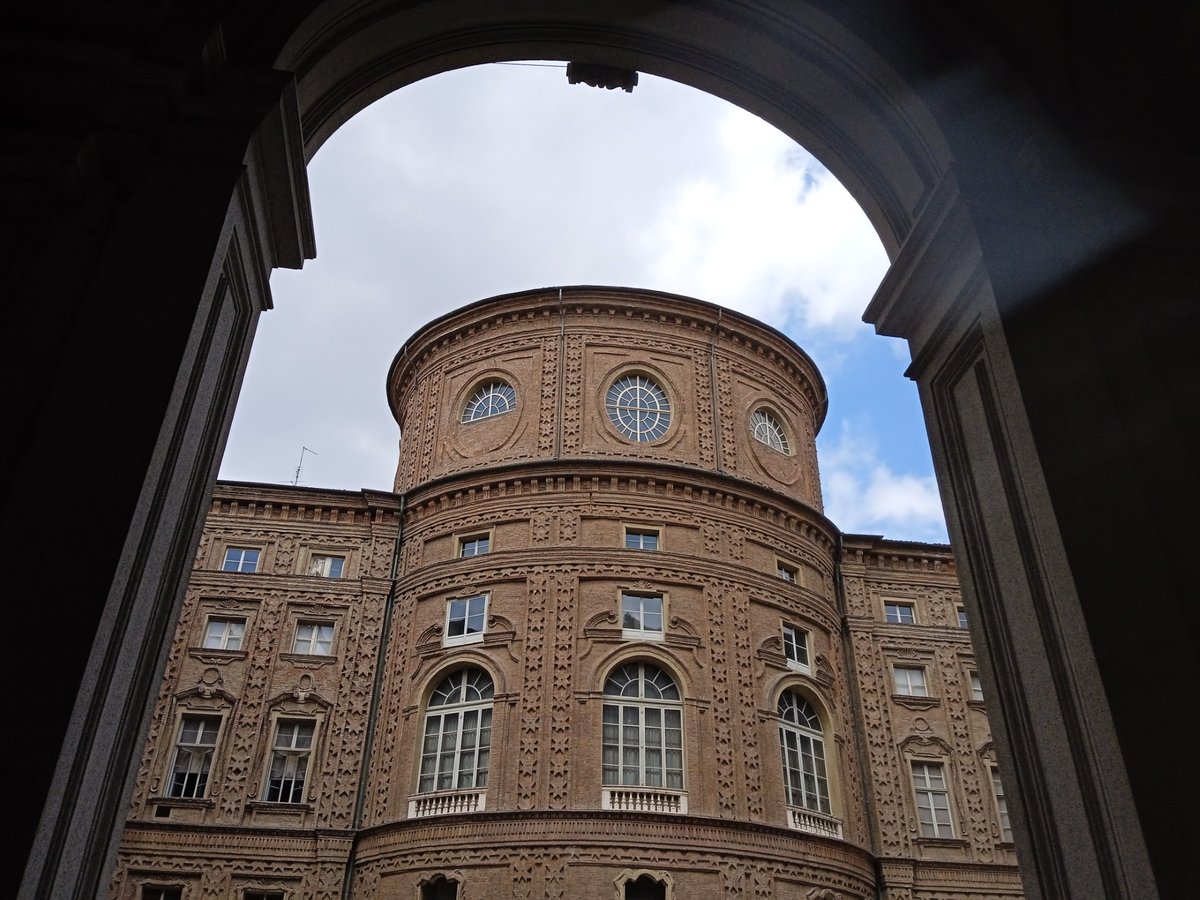
The Academy is housed in the Palazzo dell’Accademia delle Scienze, a Baroque landmark originally built in the 17th century as a Jesuit college (official website). Characterized by robust brickwork, symmetrical facades, and classical detailing, the building embodies the Baroque and Enlightenment influences that shaped Turin’s urban landscape (Wikipedia; Visit Italy).
Interior Spaces and Collections
Highlights include the Sala dei Mappamondi, renowned for its 18th-century frescoes, and the main assembly hall with ornate stuccowork. The Academy’s library and archives preserve over 75,000 letters, 300,000 books, and a wealth of scientific manuscripts, making it a treasure trove of European intellectual history (ICHME4).
Urban Context and Cultural Role
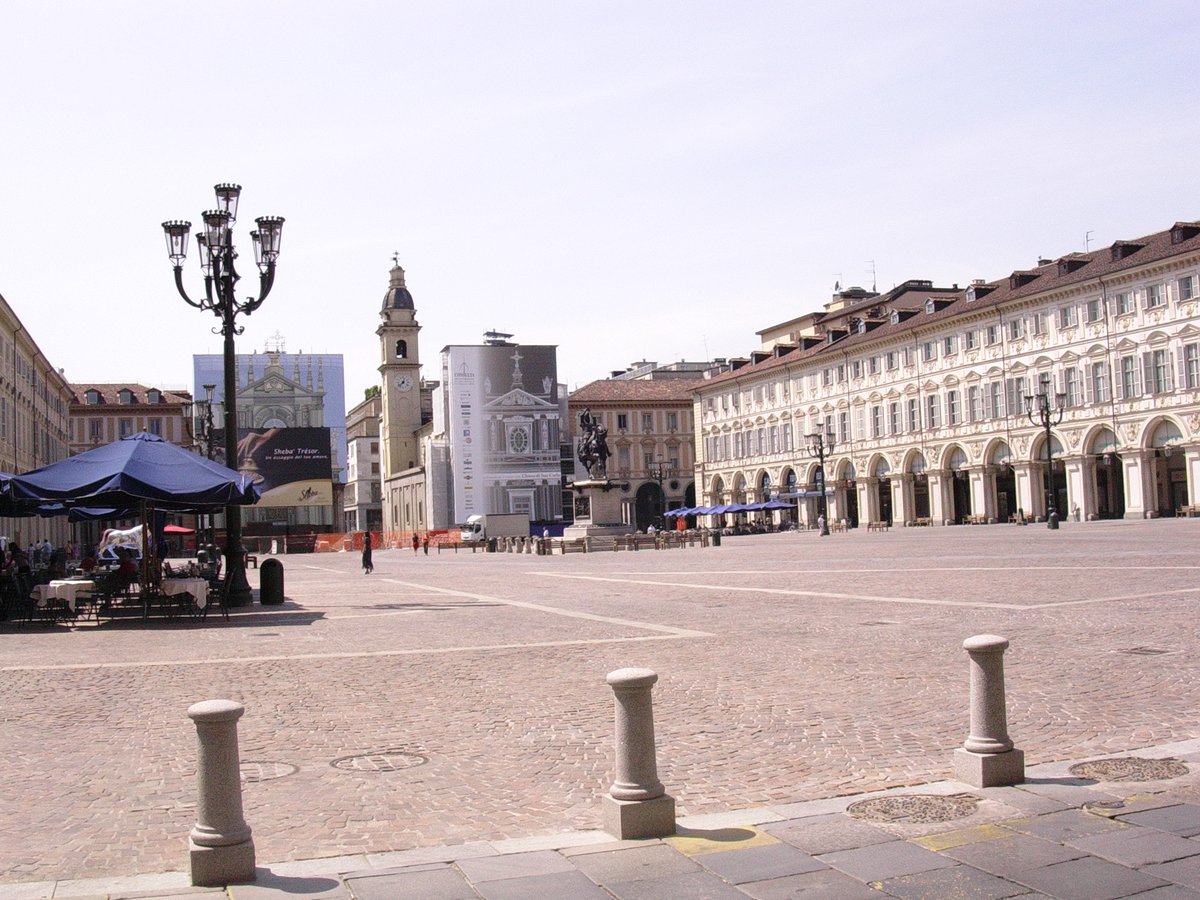
Positioned near the Royal Palace and Palazzo Madama, the Academy is integral to Turin’s cultural and architectural heritage. Its public lectures, exhibitions, and collaborations with local and international institutions ensure its continued relevance in the city’s intellectual life (Turin Italy Guide; World History Journal).
Preservation and Accessibility
Ongoing efforts focus on preserving the Academy’s historic spaces and digitizing archives for broader access. Guided tours and participation in citywide cultural events make the Academy accessible and engaging for all visitors.
Visiting the Academy of Sciences of Turin
Location
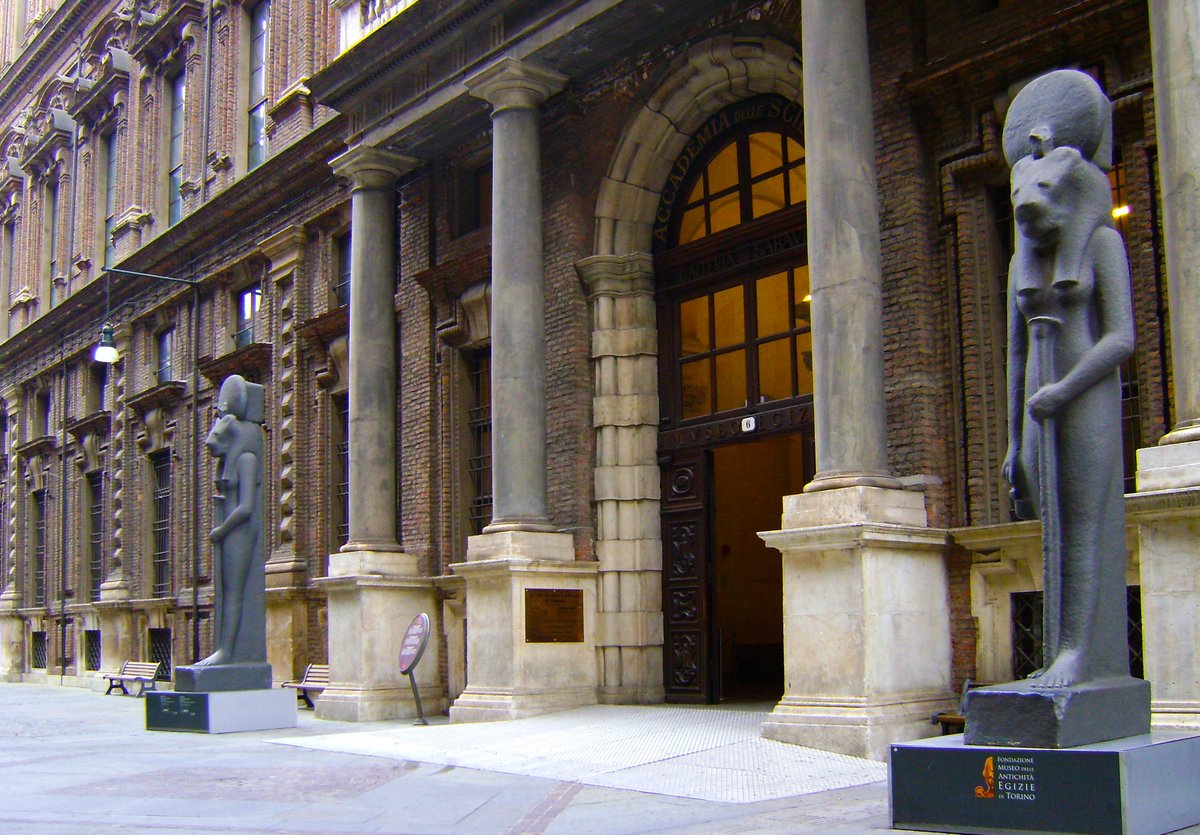
- Address Via Accademia delle Scienze 6, Turin, Italy
- Library and Archive Access Via Maria Vittoria 3
Visiting Hours
- Palazzo Tuesday to Saturday, 10:00 AM – 6:00 PM; closed Sundays and Mondays (official website)
- Library/Archives Typically open Tuesday to Friday, 9:00 AM – 5:00 PM; closed weekends and public holidays
Hours may vary for special events. Always check the official website before visiting.
Tickets and Admission
- General Admission Free to the Academy’s historic rooms
- Special Exhibitions/Guided Tours May require a nominal fee or advance booking
- Group and Educational Visits Available by prior arrangement
Accessibility
The Academy is wheelchair accessible, with ramps and elevators. Visitors with special needs should contact the Academy in advance to ensure proper arrangements.
Guided Tours and Educational Programs
Guided tours of the Sala dei Mappamondi and other historic spaces are available by appointment. The Academy also hosts regular lectures, workshops, and public events that highlight its scientific and cultural legacy.
Visitor Tips
- Book research visits or guided tours in advance
- Combine your visit with the neighboring Museo Egizio and Galleria Sabauda (located in the same complex)
- The Sala dei Mappamondi is a highlight for photography enthusiasts
- Look for temporary exhibitions and public events on the Academy’s calendar
Archives and Manuscripts
The Academy safeguards over 75,000 letters from leading European scientists, chronicling the evolution of scientific thought from the Enlightenment to present day.
Library Holdings
With more than 300,000 books and pamphlets—plus 5,200 periodicals—the library is a premier resource for scientific research and Piedmontese literature.
Visual Collections
Around 3,000 drawings and engravings document the intersection of art and science through scientific illustrations and architectural plans.
Sala dei Mappamondi
This iconic hall, adorned with frescoes by the Galliari brothers, hosts lectures, conferences, and exhibitions, offering a rich cultural experience.
Special Collections and Artifacts
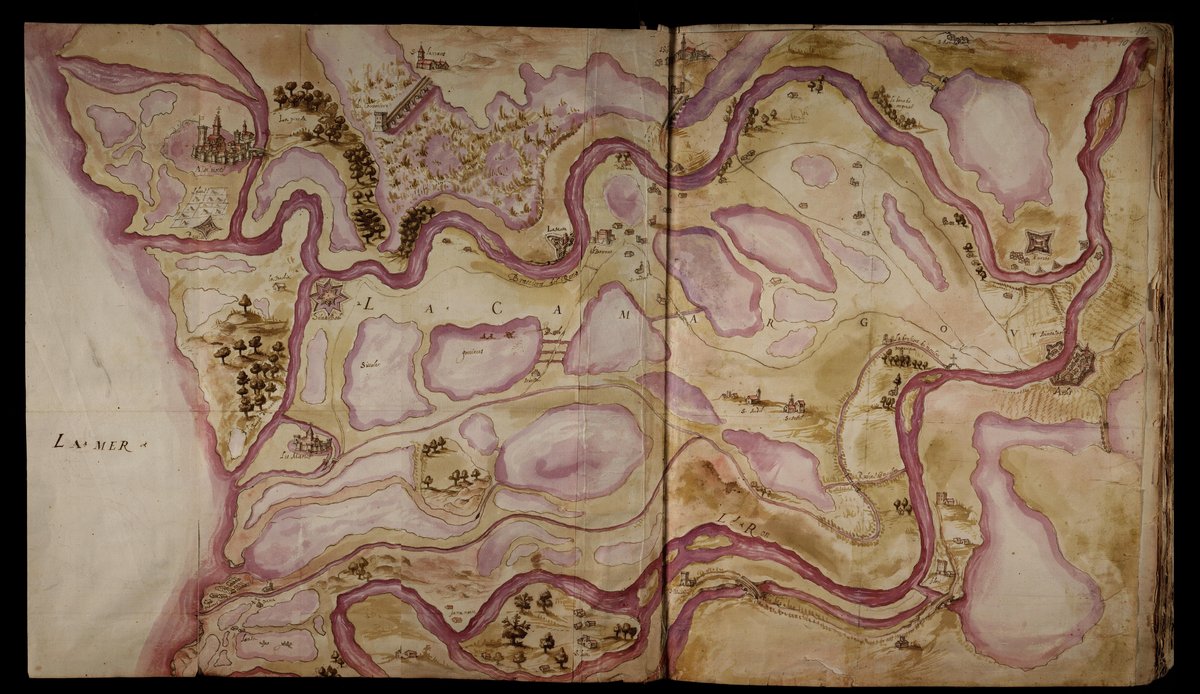
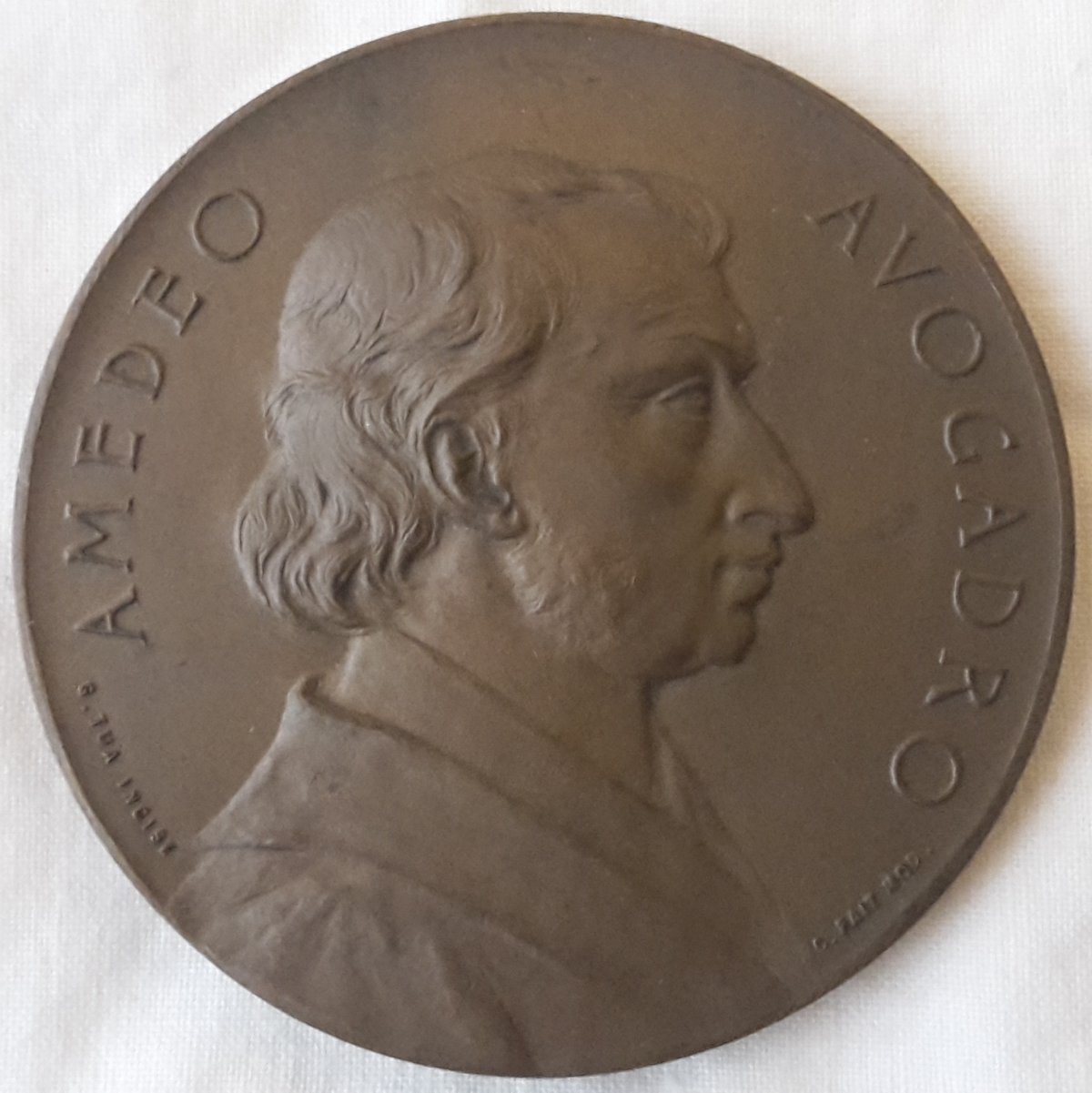
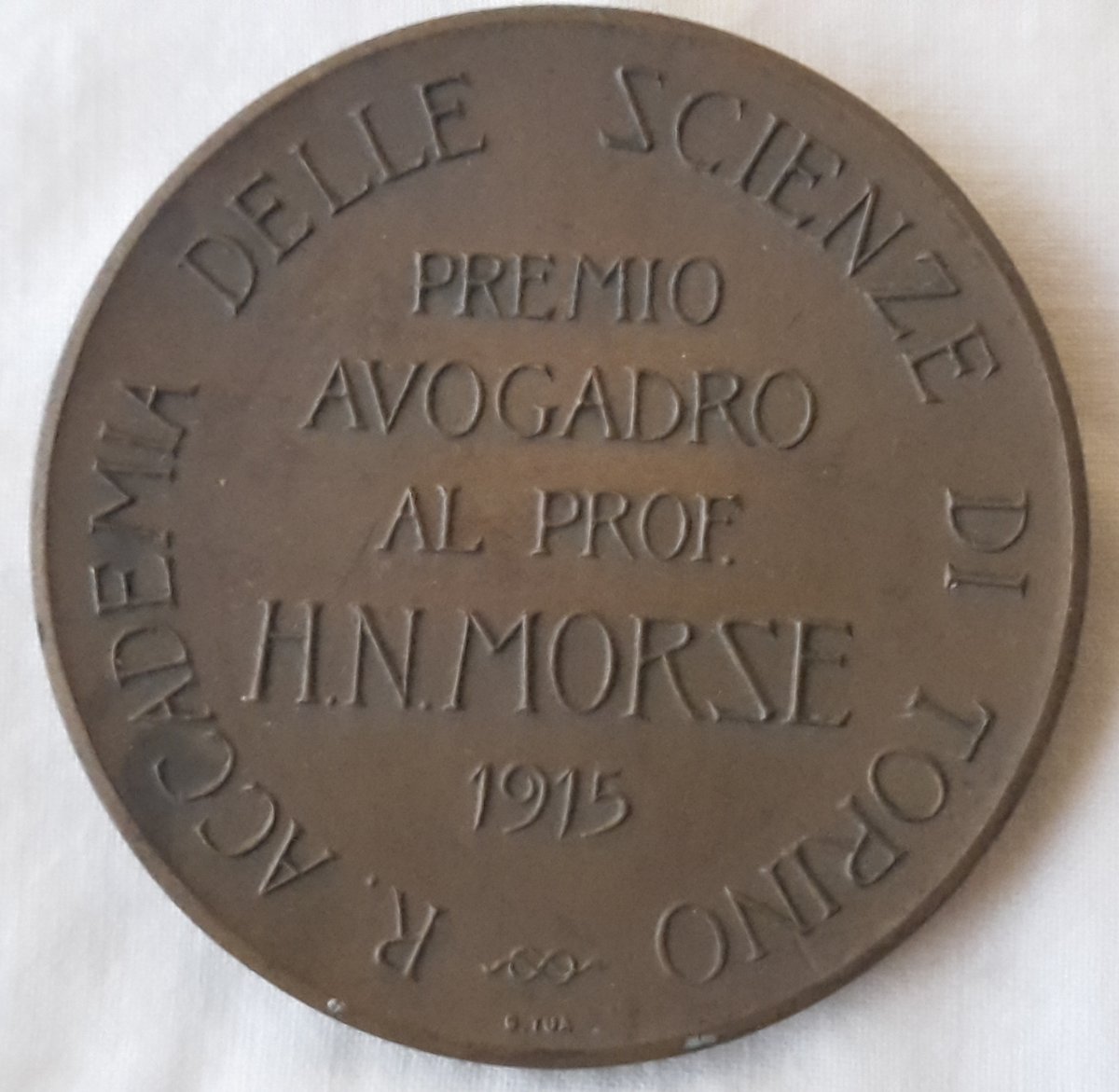
The Academy’s holdings include rare books, early scientific instruments, and personal effects of distinguished members, occasionally displayed in special exhibitions.
Nearby Attractions
Benefit from the Academy’s central location by exploring:
- Museo Egizio One of the world’s foremost collections of Egyptian antiquities
- Galleria Sabauda Renowned art gallery
- Piazza Castello The heart of Turin’s historic district
- University of Turin A historic partner in scientific research
Frequently Asked Questions (FAQ)
Q: What are the Academy’s visiting hours?
A: Typically Tuesday to Saturday, 10:00 AM – 6:00 PM. Library and archives: Tuesday to Friday, 9:00 AM – 5:00 PM.
Q: Is there an entrance fee?
A: Admission to the Academy’s historic spaces is usually free; special exhibitions or guided tours may require a ticket.
Q: Are guided tours available?
A: Yes, by appointment. Book through the official website.
Q: Is the site accessible for visitors with disabilities?
A: Yes, the building offers wheelchair access and support upon request.
Q: Can I access the library and archives?
A: Yes, for research purposes, with prior arrangement.
- "Palazzo dell’Accademia delle Scienze Turin exterior facade"
- "Main assembly hall of the Academy of Sciences of Turin with ornate stuccowork"
- "Historic library interior at the Academy of Sciences of Turin housing rare manuscripts"
Discover More
For the most up-to-date information on hours, tickets, and events, always refer to the official website. You can also follow the Academy on social media and subscribe to their newsletter. The Audiala app offers personalized self-guided tours and tips for exploring Turin’s scientific and historical landmarks.
Explore more about Turin’s architectural treasures and cultural institutions by visiting related articles on Turin Historical Sites and Baroque Architecture in Turin.
Summary and Recommendations
The Academy of Sciences of Turin stands as a beacon of scientific excellence and cultural preservation. Its extensive archives, library collections, and stunning historic spaces such as the Sala dei Mappamondi offer a multifaceted journey through two and a half centuries of intellectual achievement. With free admission, accessible facilities, and a dynamic program of public events, the Academy is a must-visit for anyone interested in the intersection of science, history, and art. For planning resources and further details, consult the official website and supplementary guides on Turin’s museums and architecture (Wikipedia).