

Early History and Etymology
The earliest records of Castello del Valentino date to 1275, with its name deriving from a nearby church dedicated to Saint Valentine. Positioned strategically along the Po River, its location influenced both its name and historical importance (Wikipedia).
Savoy Dynasty and Baroque Transformation
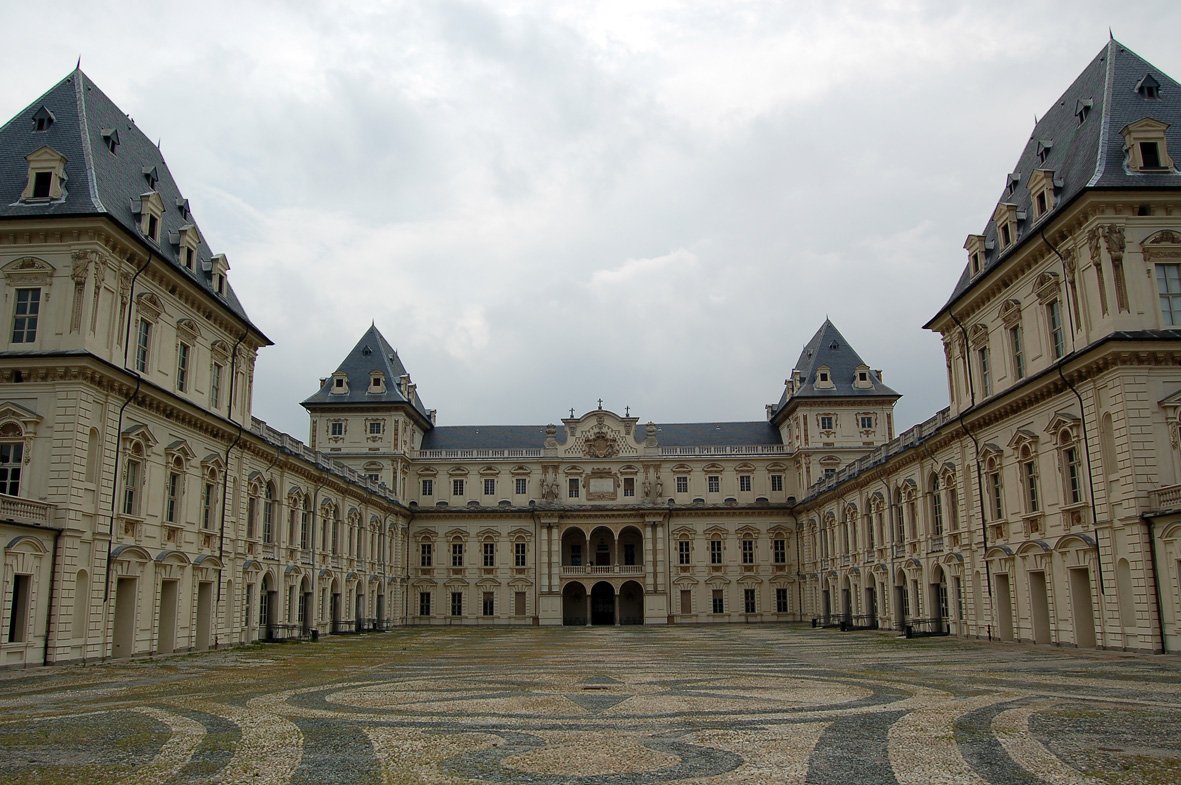
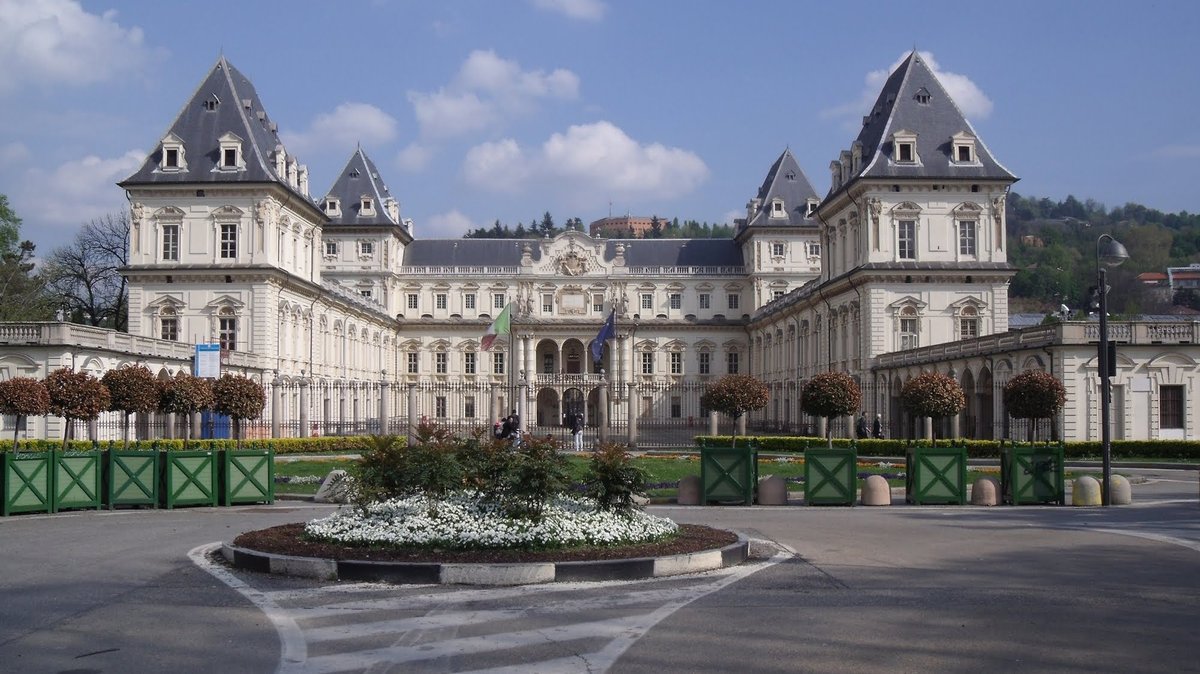
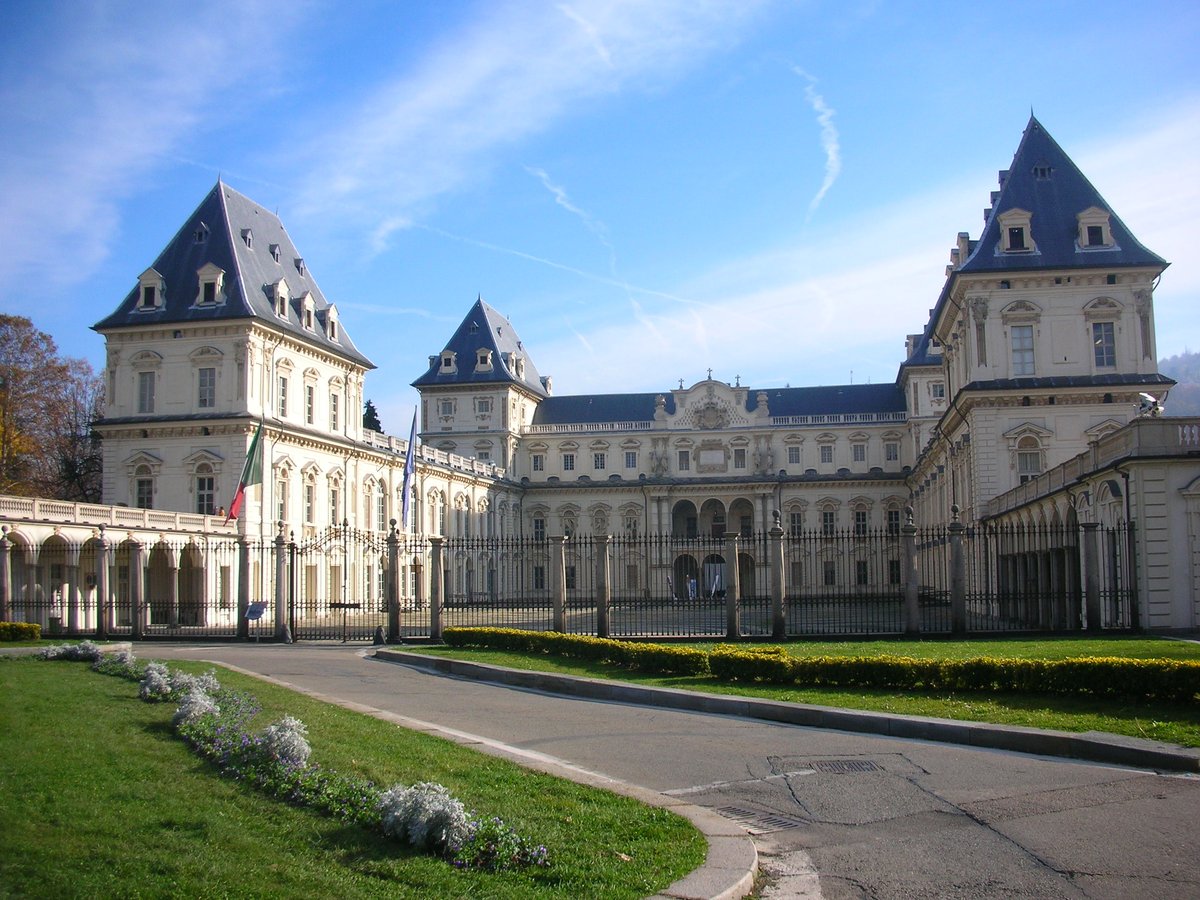
Acquired in the 16th century by Duke Emmanuel Philibert of Savoy, the castle’s major transformation began in the 17th century under Princess Christine of France. Between 1630 and 1660, architects Carlo and Amedeo di Castellamonte reimagined the structure with French Baroque influences—adding a horseshoe-shaped layout, four corner towers, grand marble courtyards, and richly frescoed interiors (Europe’s Castles; Itinerary Expert).
Evolving Roles: Public Space, Academic Institution, UNESCO Site
By the 19th century, the castle and its surroundings were adapted into public spaces, including the establishment of Parco del Valentino. In 1861, the castle became home to the School of Application for Engineers—now the Faculty of Architecture. Its cultural and architectural significance was further recognized in 1997, when it was inscribed as part of the UNESCO-listed Residences of the Royal House of Savoy (Spotting History).
Architectural Highlights and French Influence
Baroque Grandeur and French Style
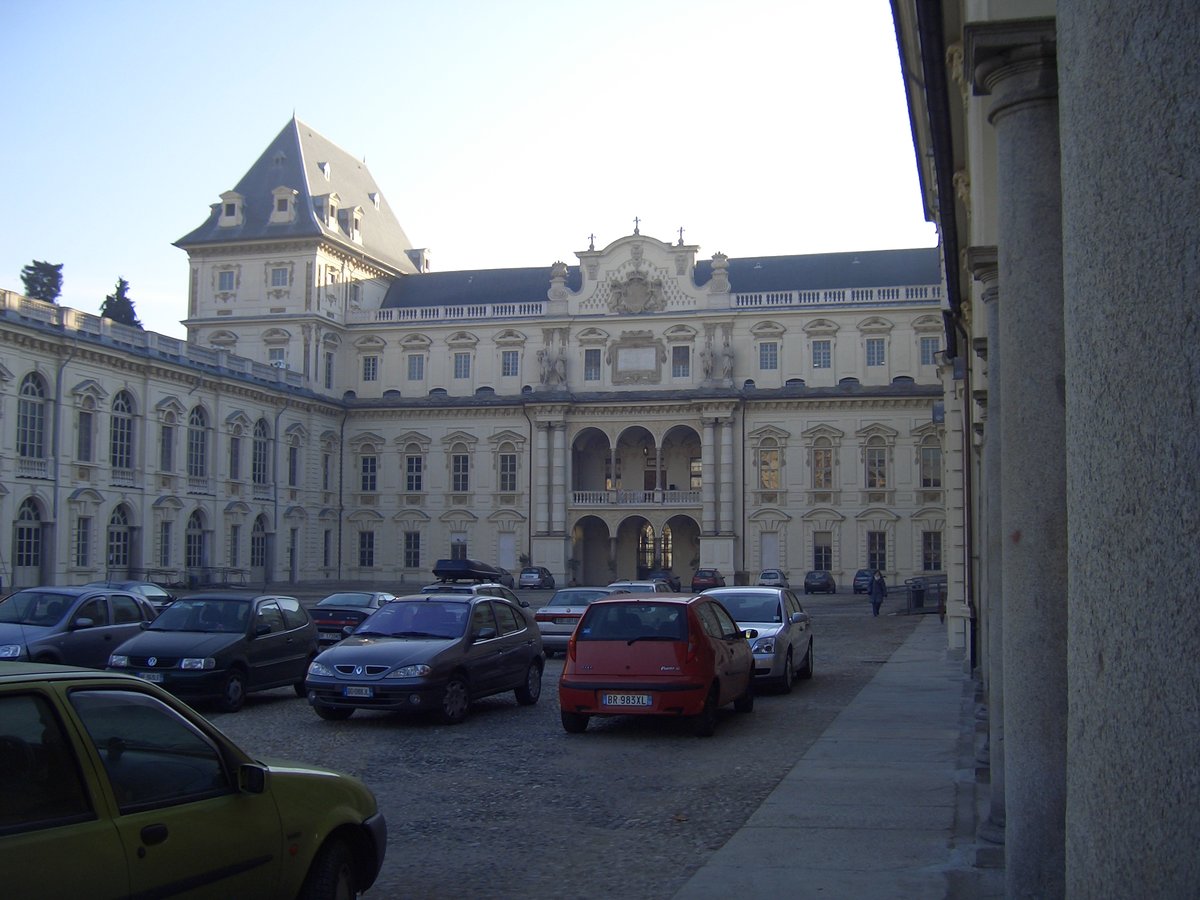
Castello del Valentino is acclaimed for its blend of Italian Baroque and French architectural motifs—evident in its symmetrical facades, ornate chimneys, mansard roofs, and monumental coat of arms of the House of Savoy. The interiors feature the celebrated Sala delle Colonne (Hall of Columns), grand staircases, and rooms frescoed by artists such as Isidoro Bianchi. The spatial arrangement was designed for both ceremonial and residential functions, with apartments for the ducal family and halls for court events (Castello del Valentino Official).
Conservation and Restoration
Ongoing restoration projects ensure the castle’s preservation. Notable efforts include the 19th-century romantic modifications by Luigi Tonta and Domenico Ferri, and more recent conservation of the Salone delle Feste and Sala delle Rose, allowing the public to appreciate the castle’s decorative richness (Guida Torino).
Integration with Parco del Valentino
The castle is set within Parco del Valentino, a 42-hectare park established in the 19th century. The park enhances the castle’s picturesque setting, while features like the Orto Botanico and Borgo Medievale add layers of historical and botanical interest (Ostrich Trails).
Visiting Information: Hours, Tickets, and Accessibility
Visiting Hours
- Castle Interior Generally open only during special events, open days, or by appointment.
- Parco del Valentino Open daily, year-round, from early morning until sunset.
Ticket Prices
- Castle Guided Tours Typically €5–€10; free or reduced during public open days.
- Parco del Valentino Free entry.
- Orto Botanico Small admission fee (usually €3–5).
How to Book
- Book guided tours and event tickets through the Politecnico di Torino website or Turin Tourism Portal.
- Advance reservation is recommended for special events due to limited capacity.
Accessibility
- The castle and park are wheelchair accessible, with ramps and elevators available.
- Some historic interior areas may have limited accessibility—contact organizers in advance for specific needs.
Guided Tours, Events, and Travel Tips
- Guided Tours Offered on select dates in Italian and English, covering main halls and restored rooms. Check schedules on official sites.
- Events The castle hosts architecture exhibitions, cultural festivals, and open days such as “Open House Torino” and “Giornate FAI di Primavera.”
- Best Times to Visit Spring and early autumn offer the most pleasant weather.
- Photography Allowed in the park and castle exterior; interior photography may be restricted during tours.
Attractions in Parco del Valentino and Nearby
- Borgo Medievale A 19th-century replica medieval village with artisan workshops and a castle.
- Orto Botanico di Torino Turin’s historic botanical garden, open seasonally.
- Fontana dei Dodici Mesi The ornate Fountain of the Twelve Months, a favorite for photos.
- Riverside Walks and Boat Cruises Picturesque walking and cycling paths, with boat tours available on the Po River.
- Nearby Landmarks Mole Antonelliana, Museo Egizio, Piazza Castello, and more (Turin Attractions).
Frequently Asked Questions (FAQ)
Q: Can I visit the castle’s interior without a guided tour?
A: No, interior visits are only available via scheduled guided tours or during special public events.
Q: How do I book tickets?
A: Tickets can be reserved online through the official university or tourism websites.
Q: Is the castle wheelchair accessible?
A: The park and castle have accessible entrances and paths. Some interior areas may have limitations.
Q: Are dogs allowed?
A: Yes, dogs are welcome in Parco del Valentino but must be leashed.
Q: What public transport options serve the castle?
A: Buses and trams from central Turin stop near park entrances. The “Valentino” and “D’Azeglio” stops are closest (GTT Torino Transport).
Planning Your Visit: Practical Advice
- Check Schedules Visit the official Castello del Valentino website for the latest on tours and events.
- Combine Attractions Plan for a full day by exploring the castle, park, Borgo Medievale, and Orto Botanico.
- Picnic and Relax Enjoy refreshments from park kiosks and relax on the lawns.
- Stay Connected Download the Audiala app for up-to-date tour schedules, ticketing, and travel tips.
- Visitor Etiquette Respect the park’s natural beauty and historical features; dispose of litter responsibly.
Final Thoughts
Castello del Valentino stands as a living emblem of Turin’s rich history and cultural vitality. Its Baroque splendor, integration with the city’s largest park, and ongoing academic and cultural roles make it a must-see for anyone exploring Turin. For the best experience, check current events and plan your visit around guided tours or open days.
Stay connected with the latest updates and visitor tips through the Audiala app and official channels, and enjoy discovering one of Turin’s most enduring and inspiring landmarks.
Audiala2024