

Origins and Early Construction
Palazzo Carignano, located in Turin, Italy, is a masterpiece of Baroque architecture. Its construction began in 1679 and was completed in 1685. The palace was commissioned by Prince Emmanuel Philibert of Savoy-Carignano, a cadet branch of the House of Savoy. The architect responsible for its design was Guarino Guarini, a prominent figure in Baroque architecture known for his innovative and complex designs. Guarini's work on Palazzo Carignano is particularly noted for its undulating façade and the use of brick, which was unusual for grand palaces of that era (Turin Tourism).
Architectural Significance
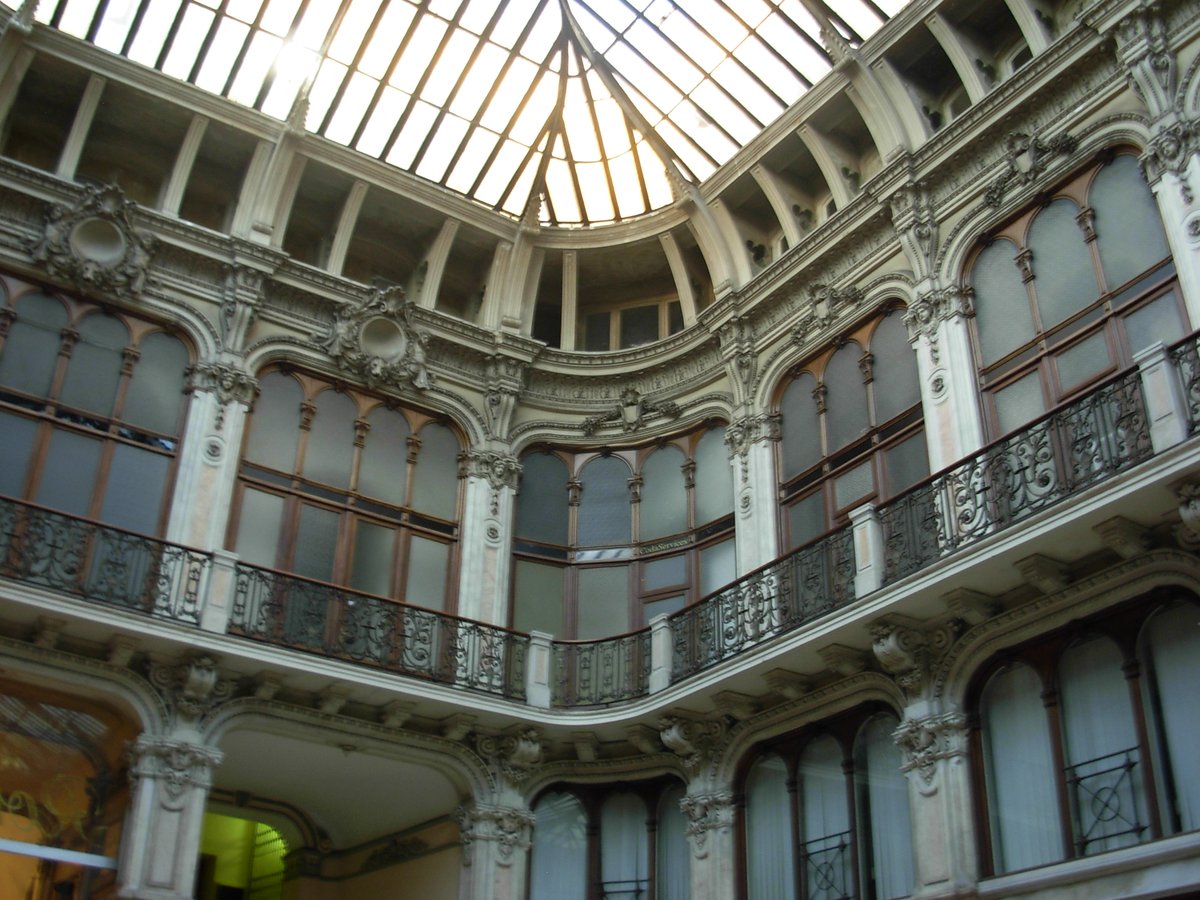
The architectural significance of Palazzo Carignano lies in its unique Baroque style. Guarini's design features a convex-concave façade that creates a dynamic play of light and shadow, a hallmark of Baroque aesthetics. The use of brickwork, rather than the more common stone, allowed for intricate detailing and a warmer appearance. The interior of the palace is equally impressive, with grand staircases, elaborate stucco work, and frescoes that reflect the opulence of the Savoy family (Architectural Digest).
Role in Italian Unification
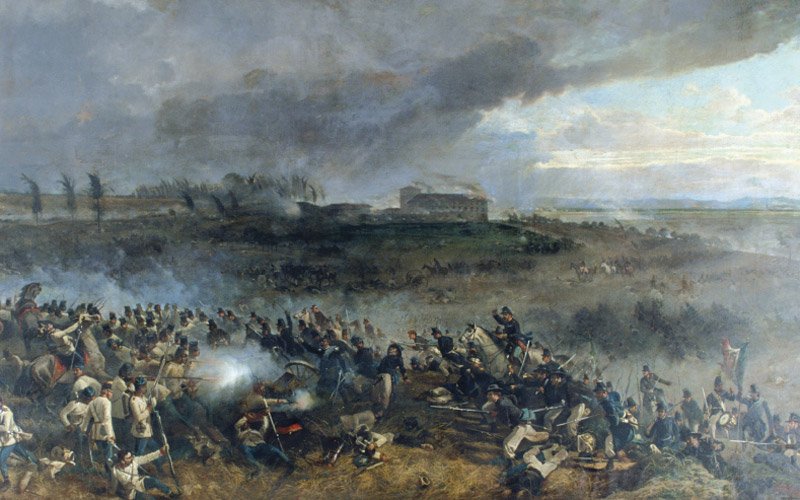
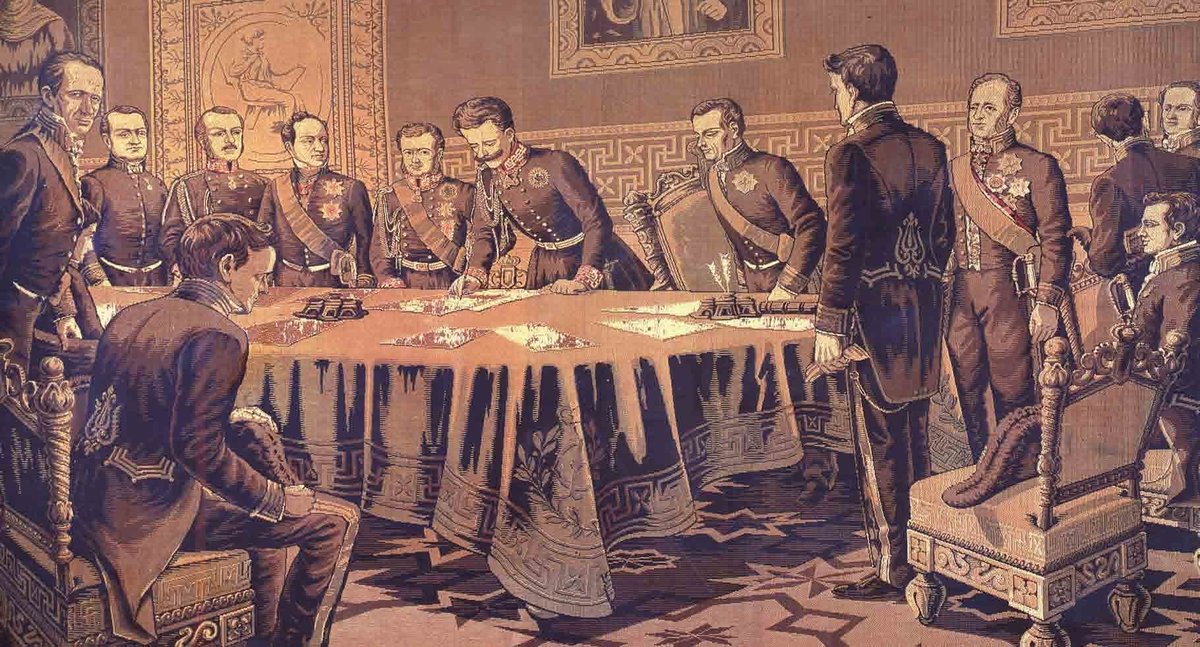
Palazzo Carignano played a crucial role in the history of Italian unification. It was here that the first Italian Parliament convened in 1861, marking the birth of the Kingdom of Italy. The palace served as the seat of the Subalpine Parliament from 1848 to 1861 and later housed the Chamber of Deputies of the Kingdom of Italy until 1865. This period was marked by significant political and social changes, with the palace at the heart of the action (Italian Parliament).
Residence of the Savoy Family
The palace was originally built as a residence for the Savoy-Carignano family. Over the years, it has housed several notable members of the family, including Charles Albert of Sardinia, who played a significant role in the Italian unification movement. The palace's residential quarters are a testament to the luxurious lifestyle of the Savoy family, with richly decorated rooms, ornate furniture, and extensive art collections (Savoy Family History).
Transformation into a Museum
In the 20th century, Palazzo Carignano underwent a transformation from a royal residence to a public museum. Today, it houses the Museo Nazionale del Risorgimento Italiano, which is dedicated to the history of the Italian unification. The museum's exhibits include documents, artifacts, and artworks that chronicle the events leading up to the unification, as well as the key figures involved in the movement. This transformation has allowed the palace to continue playing a significant role in Italian cultural and historical education (Museo Nazionale del Risorgimento Italiano).
Visiting Hours and Tickets
Palazzo Carignano is open to visitors from Tuesday to Sunday, typically from 10:00 AM to 6:00 PM. It is closed on Mondays and some public holidays. Ticket prices vary, with discounts available for students, seniors, and groups. It is recommended to check the official website for the most up-to-date information on visiting hours and ticket prices (Visitor Information).
Guided Tours and Special Events
Guided tours are available for those who wish to gain deeper insights into the history and architecture of Palazzo Carignano. These tours can be booked in advance and are led by knowledgeable guides who provide a comprehensive overview of the palace's significance. Additionally, the palace hosts special events throughout the year, including temporary art exhibitions, historical reenactments, and academic conferences, making each visit a unique experience (Events Calendar).
Photographic Spots
Palazzo Carignano offers numerous photographic opportunities, with its dramatic Baroque design providing a stunning backdrop. Notable spots include the grand staircases, the Hall of the First Parliament, and the beautifully landscaped courtyards. Visitors are encouraged to capture these picturesque scenes and share their experiences on social media using appropriate hashtags to inspire others to visit (Cultural Events).
Restoration and Preservation
Over the years, Palazzo Carignano has undergone several restoration projects to preserve its architectural integrity and historical significance. These efforts have focused on maintaining the original Baroque features while updating the facilities to accommodate modern visitors. The most recent restoration project, completed in the early 2000s, included structural reinforcements, restoration of frescoes and stucco work, and the installation of modern climate control systems to protect the palace's valuable collections (Restoration Projects).
Educational Programs
In addition to its role as a museum, Palazzo Carignano offers a variety of educational programs aimed at students, researchers, and history enthusiasts. These programs include guided tours, workshops, and lectures that delve deeper into the history of the Italian unification and the architectural significance of the palace. The museum also collaborates with schools and universities to provide educational resources and support for academic research. These initiatives help to foster a deeper understanding and appreciation of Italy's rich cultural heritage (Educational Programs).
Future Prospects
Looking ahead, Palazzo Carignano continues to be a vital part of Turin's cultural landscape. Ongoing preservation efforts and innovative programming ensure that the palace remains a dynamic and engaging destination for visitors. Future plans include expanding the museum's exhibits, enhancing visitor facilities, and increasing accessibility to ensure that everyone can enjoy and learn from this historic site. As a symbol of Italy's past and a beacon for its future, Palazzo Carignano stands as a testament to the enduring legacy of the Italian unification movement (Future Plans).
Frequently Asked Questions
Q: What are the visiting hours for Palazzo Carignano?
A: The visiting hours for Palazzo Carignano are typically from 10:00 AM to 6:00 PM, Tuesday to Sunday. It is closed on Mondays and some public holidays.
Q: How much do tickets cost?
A: Ticket prices vary, with discounts available for students, seniors, and groups. It is recommended to check the official website for the most up-to-date information on ticket prices.
Q: Are guided tours available?
A: Yes, guided tours are available and can be booked in advance. These tours provide a comprehensive overview of the palace's history and architecture.
Q: What special events are held at Palazzo Carignano?
A: Palazzo Carignano hosts a variety of special events throughout the year, including art exhibitions, historical reenactments, and academic conferences.
Q: Are there any good spots for photography?
A: Yes, the palace offers numerous photographic opportunities, including the grand staircases, Hall of the First Parliament, and the courtyards.