Historical Context and Foundations
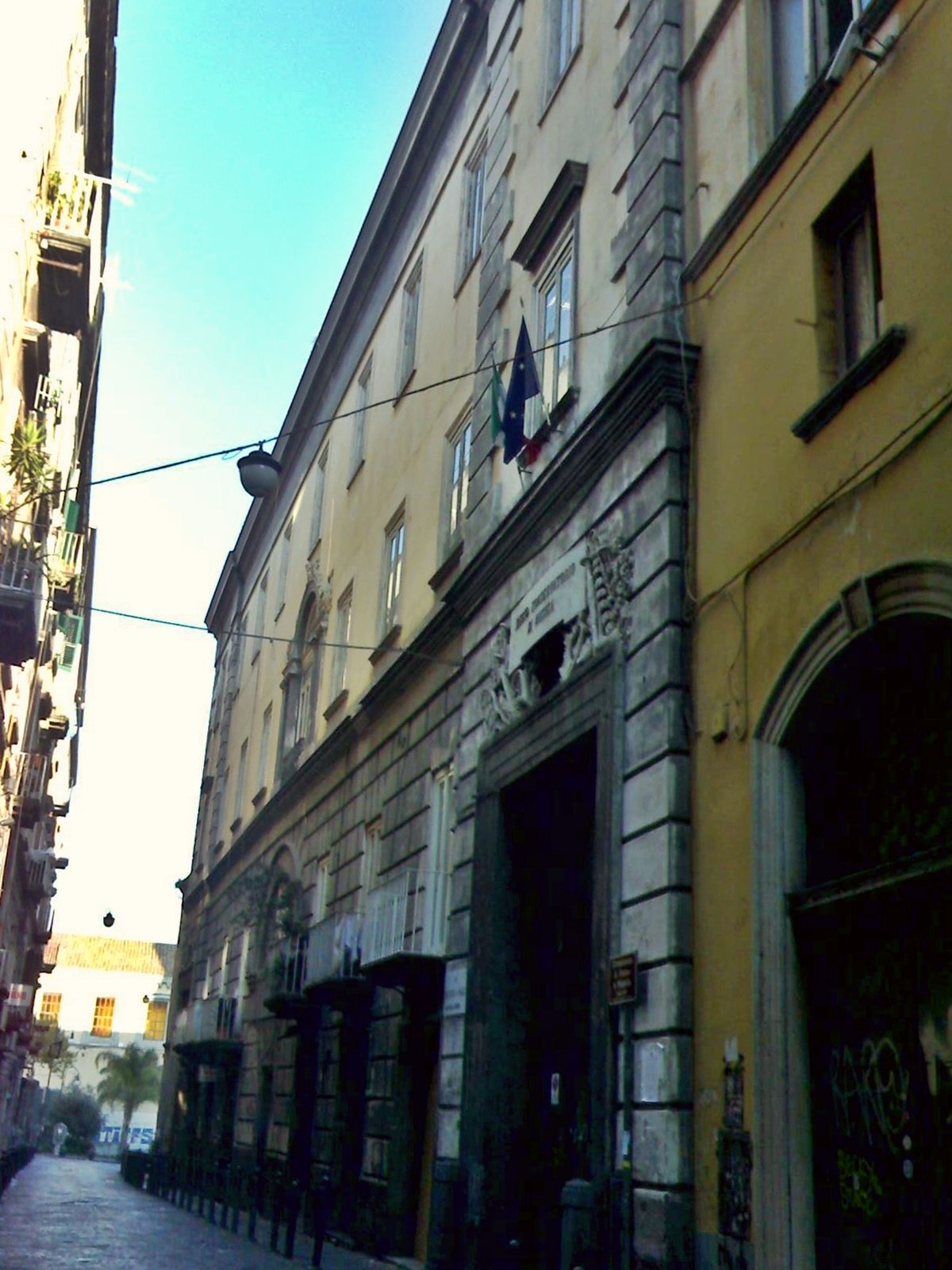
Santa Maria della Pace traces its origins to a 15th-century palace built by Giovanni Caracciolo, a prominent Neapolitan nobleman. The palace, designed by Andrea Ciccione, featured a distinctive Gothic entrance archway that survives today, marking the transition from medieval to Renaissance sensibilities (donight.it).
The transformation into a religious site began in the late 16th century when the Hospitaller Friars of St. John of God acquired the property. In 1629, architect Pietro De Marino oversaw the construction of the present church, completed in 1656. The church’s dedication to “Holy Mary of Peace” commemorates the peace treaty between France and Spain in 1659, symbolizing hope and reconciliation during times of upheaval (visitnaples.eu).
Architectural Evolution
Renaissance to Baroque Transformation
The original Renaissance structure, characterized by harmonious proportions and restrained ornamentation, underwent significant Baroque transformation in the 17th and 18th centuries. The church follows a Latin cross plan, with a single nave and three chapels on each side. The apse, designed by Nicola Tagliacozzi Canale, and the nave’s proportions create a sense of spaciousness and solemnity. Restoration after the 1732 earthquake, led by Domenico Antonio Vaccaro, introduced dynamic Baroque embellishments and reinforced the building (thebestnaples.eu).
Structural Features
- Gothic Entrance Portal The multifoil arch, a vestige of the original palace, is a striking introduction to the complex’s layered history.
- Baroque Façade The exterior, though more restrained than other Neapolitan Baroque churches, is complemented by an ornate interior with marble altars and gilded stucco.
- Majolica Tiles Donato Massa’s tile work adds vibrant color and texture to the church’s interior.
The Hospital and Sala del Lazzaretto
An integral part of the complex is the Hospital of Peace and the renowned Sala del Lazzaretto, established in 1587 for the care of lepers and plague victims. The Lazaretto Hall, measuring approximately 80 meters long, 12.5 meters high, and 10.24 meters wide, features an elevated balcony running along its perimeter. This innovative design allowed caregivers to serve patients without direct contact—an early example of infection control (donight.it).
The hall’s marble high altar and frescoes by Andrea Viola and Giacinto Diano blend art with medical function, reflecting the complex’s pioneering role in public health.
Artistic and Cultural Heritage
Santa Maria della Pace houses significant artistic treasures from the Renaissance and Baroque periods:
- Domenico Antonio Vaccaro Responsible for the 18th-century restoration and interior decoration, infusing dynamic forms and ornate detail.
- Nicola Tagliacozzi Canale Designed the apse and marble altars.
- Frescoes by Andrea Viola and Giacinto Diano These works in the Lazaretto Hall illustrate the intersection of faith and healing.
The church’s iconography centers on the Madonna as a symbol of peace, with artworks and altars dedicated to her role as intercessor and protector (thebestnaples.eu).
Integration with Naples’ Urban Fabric
Strategically situated on Via dei Tribunali near Castel Capuano, Santa Maria della Pace is woven into the dense urban and historical fabric of Naples. The complex’s blend of religious, medical, and artistic functions exemplifies the city’s tradition of multifunctional spaces and reflects its transformation through the centuries (donight.it).
Visitor Information
Visiting Hours
- Monday to Saturday 9:00 AM – 6:00 PM
- Sunday and Public Holidays 10:00 AM – 4:00 PM
Note: Hours may vary during holidays or special events. Always consult the official website before your visit.
Tickets and Admission
- Entrance Free; donations are encouraged to support preservation.
- Guided Tours Available by appointment, often for a small fee. Booking in advance is recommended, particularly for special access to the Sala del Lazzaretto.
Accessibility
- The church and hospital complex are wheelchair accessible, with ramps at the main entrances.
- Assistance for visitors with disabilities can be arranged; some historic areas may remain less accessible.
Getting There
- Metro Line 1, Dante or Toledo station.
- Bus Several lines serve Via dei Tribunali.
- Parking Limited in the historic center—public transport is recommended.
Visitor Tips
- Arrive in the morning for a quieter experience.
- Dress modestly, covering shoulders and knees.
- Photography is permitted (non-flash, no tripods) except during services.
- Check the Naples tourism website for updates on special events or temporary exhibitions (Visit Naples).
Visitor Experience: Highlights
- Gothic Entrance Portal Showcases the site’s origins and architectural evolution.
- Baroque Nave and Chapels Marvel at marble altars, sculptural details, and vibrant frescoes.
- Sala del Lazzaretto A rare medical space with artistic and historical significance.
- Artistic Masterpieces Works by Andrea Viola, Giacinto Diano, and Domenico Antonio Vaccaro.
Frequently Asked Questions (FAQ)
What are the visiting hours for Santa Maria della Pace?
Monday to Saturday, 9:00 AM–6:00 PM; Sundays and public holidays, 10:00 AM–4:00 PM.
Is admission free?
Yes, entry is free; donations are appreciated.
Are guided tours offered?
Yes, by appointment. Some areas (like the Lazaretto Hall) may require booking and a small fee.
Is the church wheelchair accessible?
Most areas are accessible; contact ahead for specific needs.
How can I get there?
Via public transport—nearest metro stations are Dante and Toledo.
Can I take photographs?
Yes, without flash or tripods, and outside of services.