


Place
Italy Updated Apr 2026
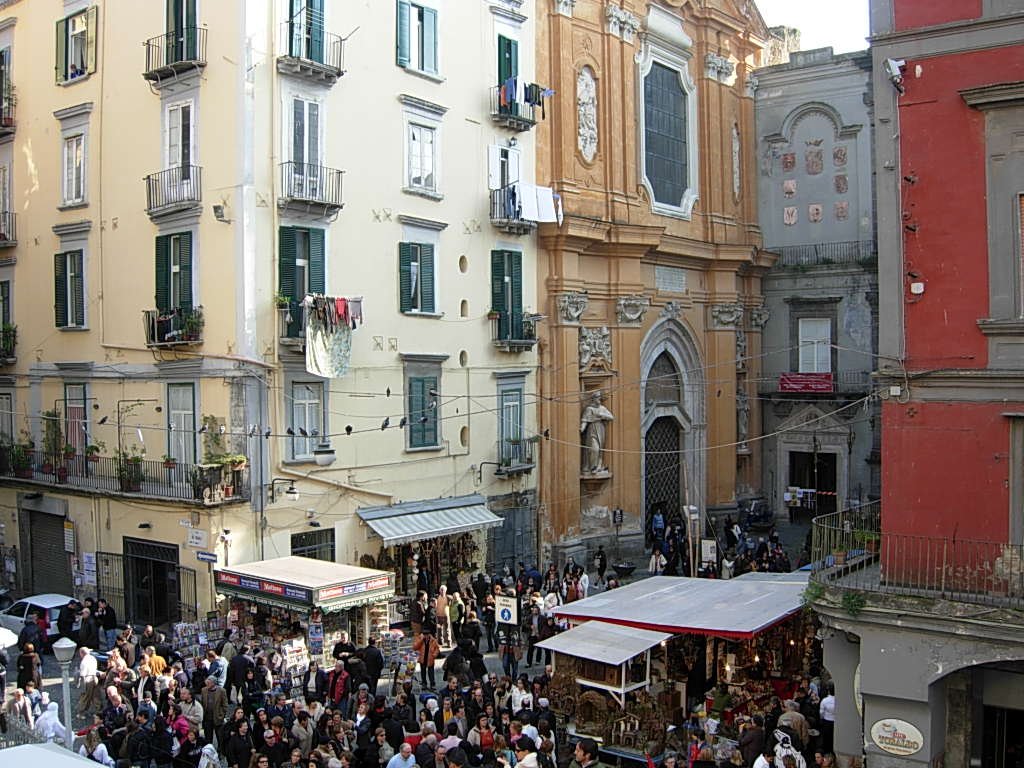
The first thing that hits you in Naples, Italy, is the smell of the sea mixing with espresso steam and the low hum of Vespas bouncing off 2,500-year-old stone. Alleyways pulse with laundry lines flapping above Roman walls, while a nonna leans out of a 16th-floor apartment to scold a delivery boy who almost clipped a saint’s shrine bolted to the tuff. Nothing here is frozen in a museum; it’s all still breathing, arguing, and simmering ragù.
 Photo: Kelly / Pexels
Built from cited sources · see the method · How we make our guides →
Naples doesn’t reveal itself in grand set-pieces—it leaks out in staircases that double as opera boxes, courtyards where Baroque palaces grow wild geraniums, and metro stations that look like James Turrell installations. One minute you’re squeezing past a fry-shop that has served frittatina di pasta since 1930, the next you’re staring at Caravaggio’s Seven Works of Mercy in a charity chapel the size of a train carriage, wondering how something so huge fit into such a tight city.
The real trick is to stop looking for highlights and start following frequencies: the clang of San Gennaro’s ampoule during the miracle of the blood, the hiss of pizza dough hitting 485 °C at Da Michele, the echo of dialect jokes ricocheting through Rione Sanità’s catacombs. Stay long enough and you’ll realize Naples isn’t chaotic—it’s polyphonic, a port city that learned to harmonize Phoenician, Spanish, Bourbon, and Netflix crews into one very loud chord.
Not every monument, just the ones we'd walk you past ourselves.
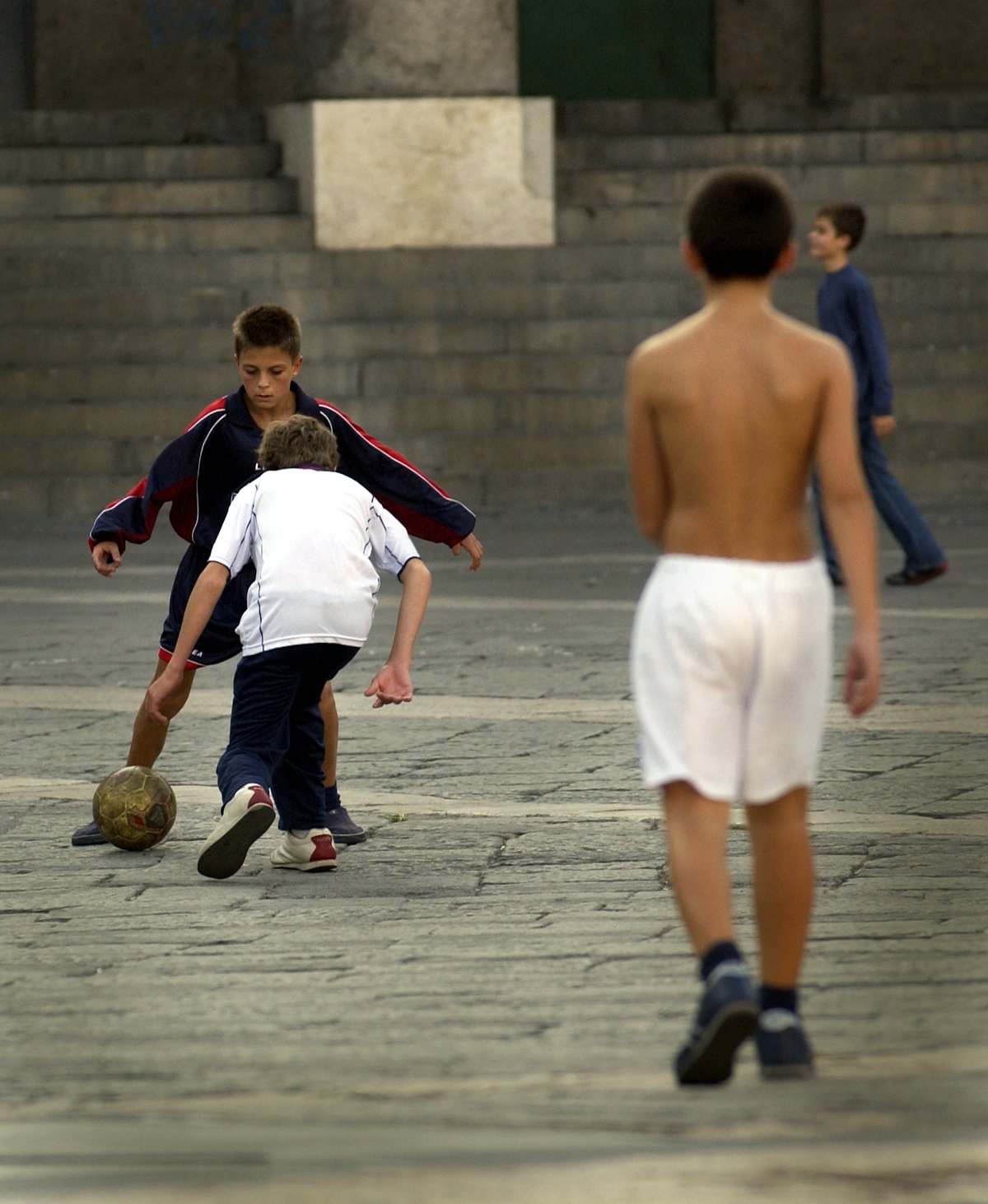

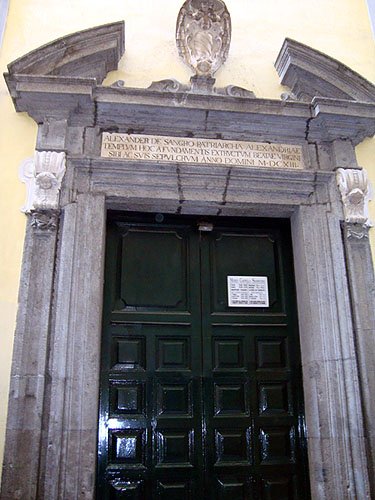
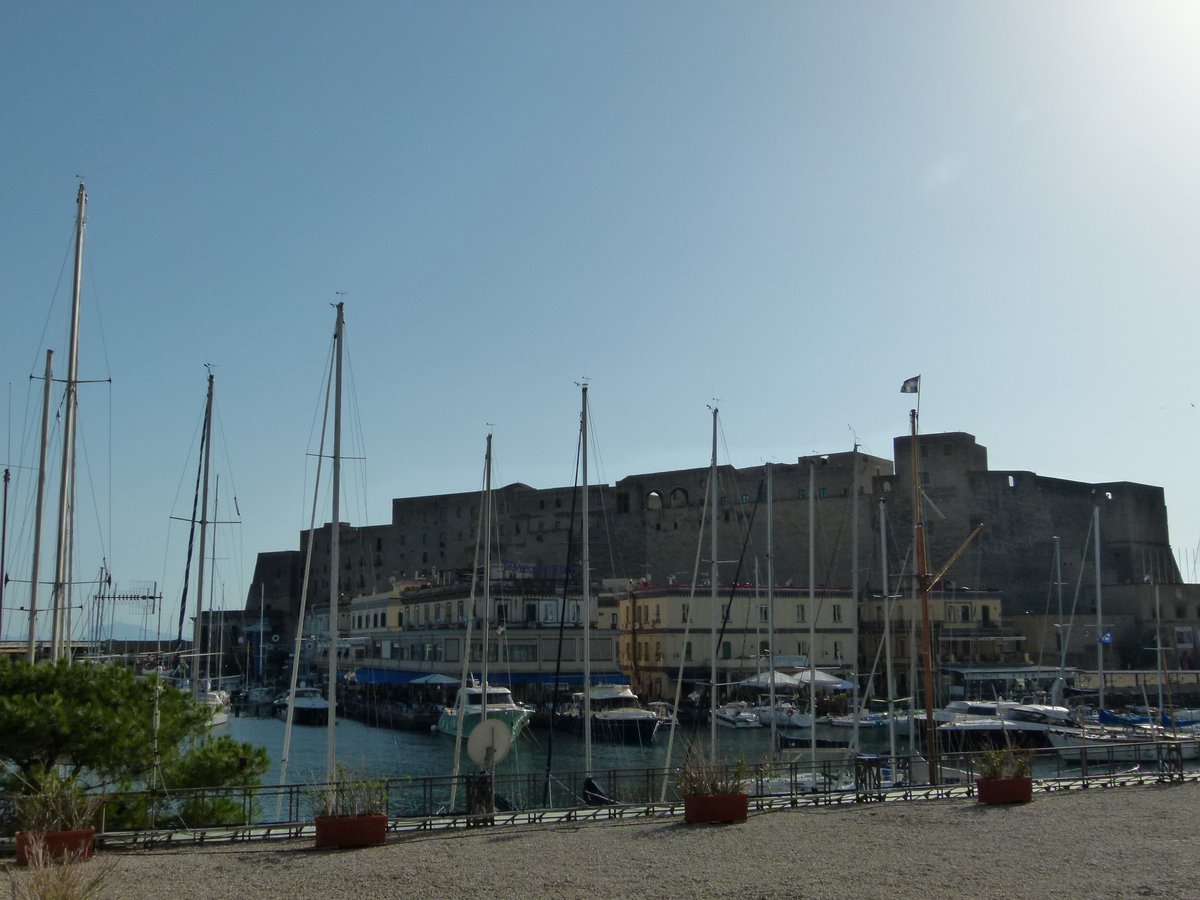
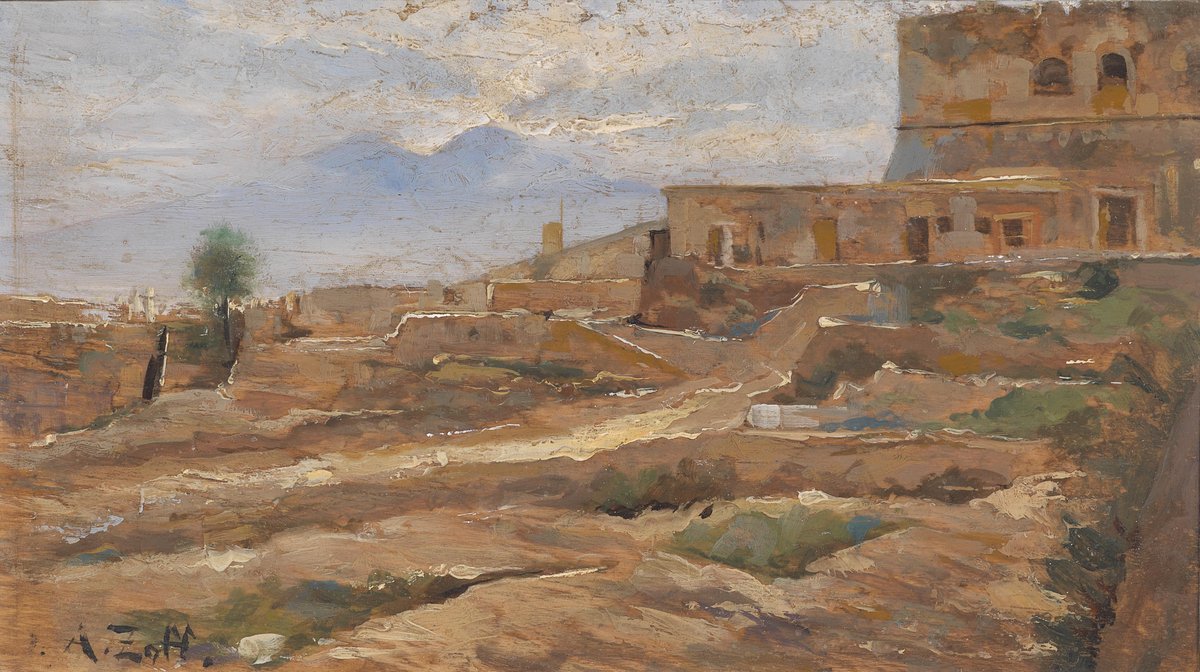
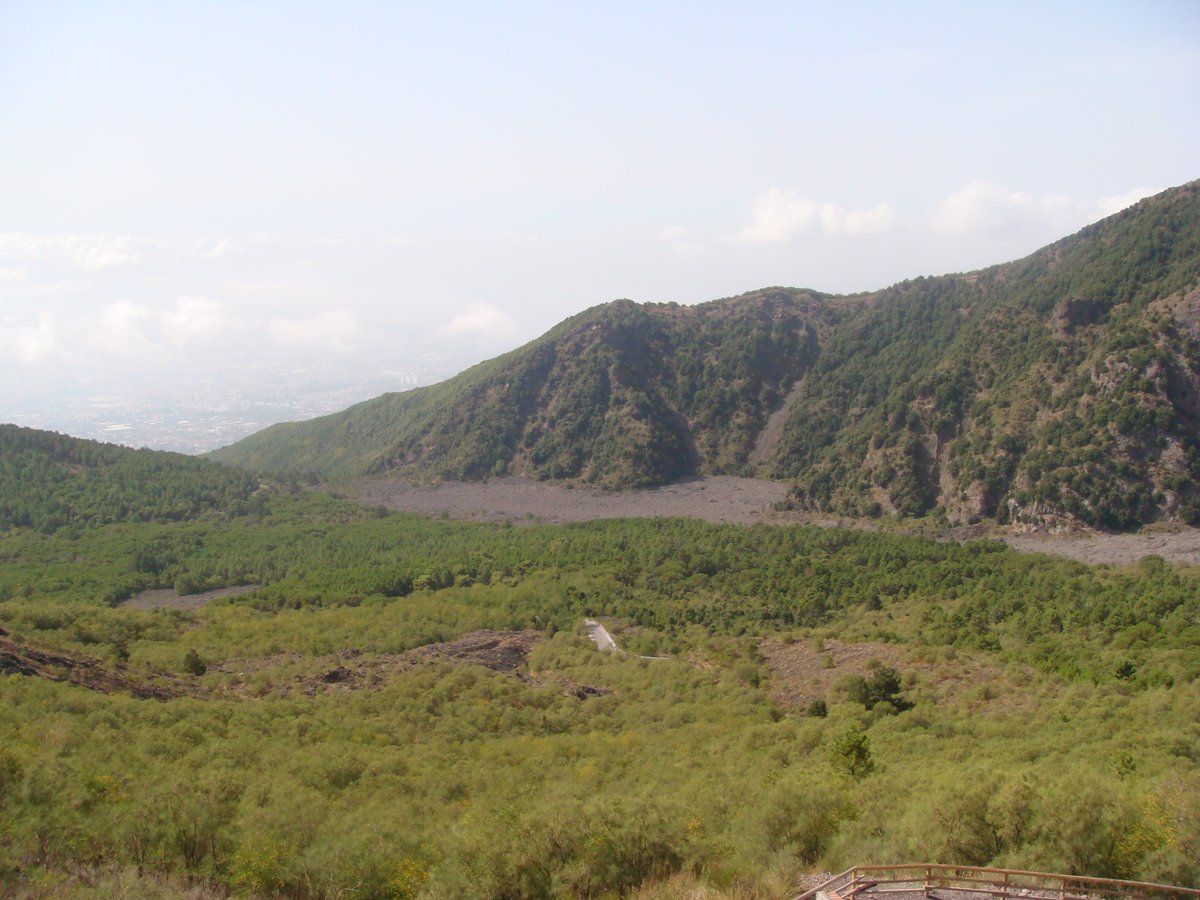

Where to wander, by quarter — each with its own rhythm.
Before you go
Curated from places in this city. Same price as official sites.


Prices shown are indicative — final pricing and availability are confirmed at checkout. Audiala may receive a commission from bookings made via these links.
Three millennia of street-level survival at the foot of Vesuvius
Sailors from Rhodes or Cumae beach their ships on the tiny islet of Megaride and light cooking fires that will never quite go out. The salt wind carries the smell of pine pitch and grilled octopus up the hill to what will become Echia, giving Naples its first nickname: ‘the place where the old woman still sings’.
Surveyors stretch ropes across marshy ground inland, carving the future decumani—straight east-west arteries so perfectly aligned you can still walk them today. Neapolis is born, a planned ‘new city’ that keeps its Greek tongue for centuries while Rome still speaks Latin.
Envoys seal a foedus aequum—an equal treaty—sparing the city the land-laid-waste treatment Rome gives to neighbouring Capua. Greek theatres, temples and baths stay open; Neapolitans merely add Latin inscriptions beside the old ones.
The eruption that buries Pompeii and Herculaneum sends a mushrooming ash column visible from Neapolis. Refugees flood the harbour; prices of rooms and bread triple overnight. The disaster turns Naples into the archaeological storehouse it still is.
Bishop Januarius is led outside the Pozzuoli amphitheatre and beheaded for refusing to sacrifice to Diocletian. A woman named Eusebia collects his still-liquid blood in two glass vials—setting up the liquefaction miracle that still packs the cathedral each September.
Byzantine general Belisarius storms Naples after the city backs the Goths. His troops slaughter so many inhabitants that the Tiber runs red, yet the catacombs of San Gennaro survive, turning underground tunnels into shrines.
Roger II’s knights enter through a traitor-opened gate at dawn. The duchy that balanced Lombards, Saracens and popes for three centuries ends with a single sword thrust; Neapolitans wake to hear French-Norman accents in the markets.
The emperor charters Europe’s first state-run university in a former monastery beside Via Mezzocannone. Lectures in medicine, law and rhetoric begin at dawn; students argue in Arabic, Latin and Greek, turning Naples into a Mediterranean think-tank.
When Palermo revolts against the French, Naples inherits the peninsular half of the kingdom overnight. Carpenters race to enlarge the harbour; masons quarry tuff for new walls. The city’s population doubles within a generation.
A morning quake crumbles 100 church towers and kills an estimated 40,000 across the kingdom. In Naples, the still-uncompleted Duomo loses its façade; rebuilding money floods in, giving the city its late-Gothic marble skin.
Gonzalo Fernández de Córdoba rides through a gate draped in Castilian banners, turning Naples into the cash-cow of a global empire. New taxes on flour fund the construction of Via Toledo—straight as a sword and wide enough for two carriages to pass.
Tommaso Aniello, a 24-year-old fishmonger, leads a 40,000-strong crowd that forces the viceroy to cancel the fruit tax in one afternoon. For nine heady days the city rules itself—until Spanish agents buy his assassination in the same square where he spoke.
June heat amplifies the smell of lime pits along Spaccanapoli. Doors are painted red crosses; priests chant last rites from horseback. When the contagion lifts, 150,000 Neapolitans are dead and whole quarters stand silent.
Torchlight glints off 184 boxes of gold leaf as the curtain rises on Domenico Sarro’s Achille in Sciro. Europe’s oldest public opera house is built in eight months—faster than most nobles redecorate—cementing Naples as a music capital.
Giambattista Vico is born in a narrow alley behind Forcella and will spend his life proving that history moves in cycles of gods, heroes, men. His cramped study smells of candle wax and printer’s ink; the city’s layered ruins become his laboratory.
Under King Charles of Bourbon engineers start tunneling into ash-choked Pompeii to recover statues for the new palace at Capodimonte. Shovels strike frescoed walls; Neapolitans crowd the site to gawk at Roman ancestors frozen mid-stride.
French tricolours unfurl from balconies as Jacobin clubs rename streets after liberty. The republic lasts five months—long enough to abolish feudal dues and mint coins stamped with the goddess Parthenope—before the Sanfedisti drown it in blood.
Engineer Gioacchino Murat’s French-era boulevard is roofed over to create today’s Galleria Umberto I: iron ribs and glass skin letting sunlight pour onto marble floors for the first time since antiquity. Cafés install mirrors so patrons can watch each other watching the street.
Doctors count 7,000 dead in one summer. The city responds by dynamiting entire slum blocks, cutting straight new roads like Via Duomo and installing iron water mains. The air smells of carbolic acid and fresh-cut tuff for a decade.
Enrico Caruso is born in a third-floor room overlooking Via San Giovannello. His grandmother’s lullabies echo up the stairwell; decades later his gramophone records will ship Neapolitan dialect to every continent.
Furnaces roar to life on the western bay, turning night orange and drawing 4,000 workers from the inland hills. The plant’s whistle replaces church bells as the sound that tells time for a quarter of the city.
Barricades of overturned trams and café tables rise in the narrow lanes. Grocery boys become grenadiers; laundresses pass ammunition in bread baskets. When Allied patrols enter on 1 October they find a city already flying homemade tricolours from shell-scarred balconies.
The Historic Centre—Greek walls, Roman aqueducts, Angevin churches—becomes a World Heritage Site. Commuters step off rattling trams and walk across 2,600 years simply by crossing the street.
Escalators drop riders through a shaft of cobalt tiles meant to mimic the Bay’s depth. Commuters pause mid-stride to photograph a metro stop that feels like swimming in daylight—turning daily transport into civic pride.
Painter · 1571–1610
Lived 1606-1610, died nearby
He fled Rome with a price on his head and found refuge among Naples’ sword-happy street gangs, painting altarpieces by candlelight. Stand before the Seven Works of Mercy in Pio Monte and you’ll feel the knife-edge tension he brought to the city’s dark alleys.
Opera tenor · 1873–1921
Born in Via San Giovanniello
The son of a mechanic, Caruso sang for coins in taverns around San Carlo before conquering La Scala and the Met. Today the tiny museum in his childhood home still smells of roasted coffee from the bar below—exactly the aroma he claimed fuelled his first high C.
Revolutionary poet · 1752–1799
Lived and executed in Naples
A Portuguese countess turned republican firebrand, she edited the newspaper that urged Neapolitans to topple their monarchy. She climbed the scaffold in Piazza del Mercato proclaiming the new ideals—her last words echo whenever students plaster political posters over the city’s Bourbon walls.
Actor & playwright · 1898–1967
Born in the Sanità district
Antonio de Curtis, known simply as Totò, turned the ragged alleyways of Rione Sanità into a stage for commedia dell’arte reborn. Locals say his ghost still jokes with street vendors; walk the catacombs at dusk and you might hear his rapid-fire punchlines ricochet off the tuff walls.
Philosopher · 1548–1600
Studied at San Domenico Maggiore 1565-1576
Before the Inquisition burned him in Rome, the young Bruno wandered Naples’ porticoes debating Averroes and sneaking banned books under Dominican robes. The cloister where he meditated still smells of citrus from the convent garden—an aroma scholars swear sharpened his cosmic imagination.
Where locals actually book dinner — not the tourist menus.
Small things that change how the city treats you.
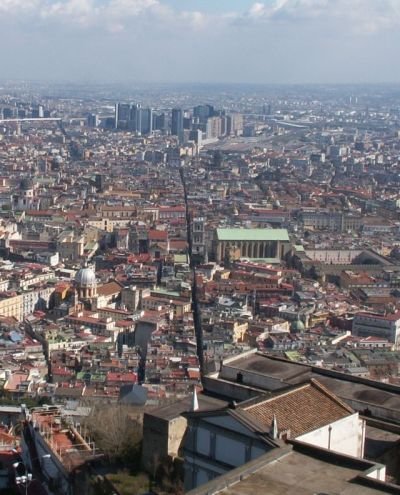
The city, as it actually looks.


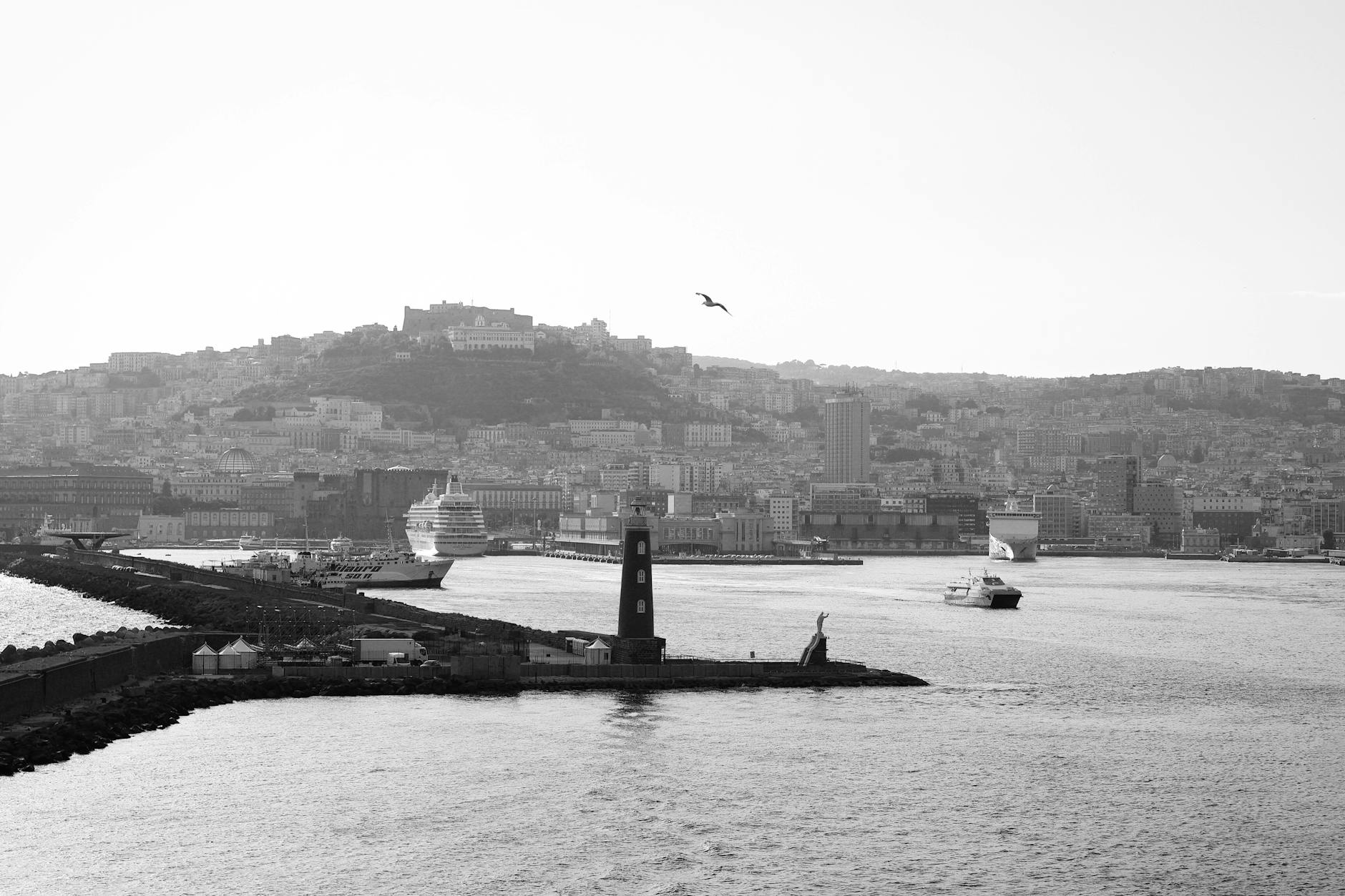
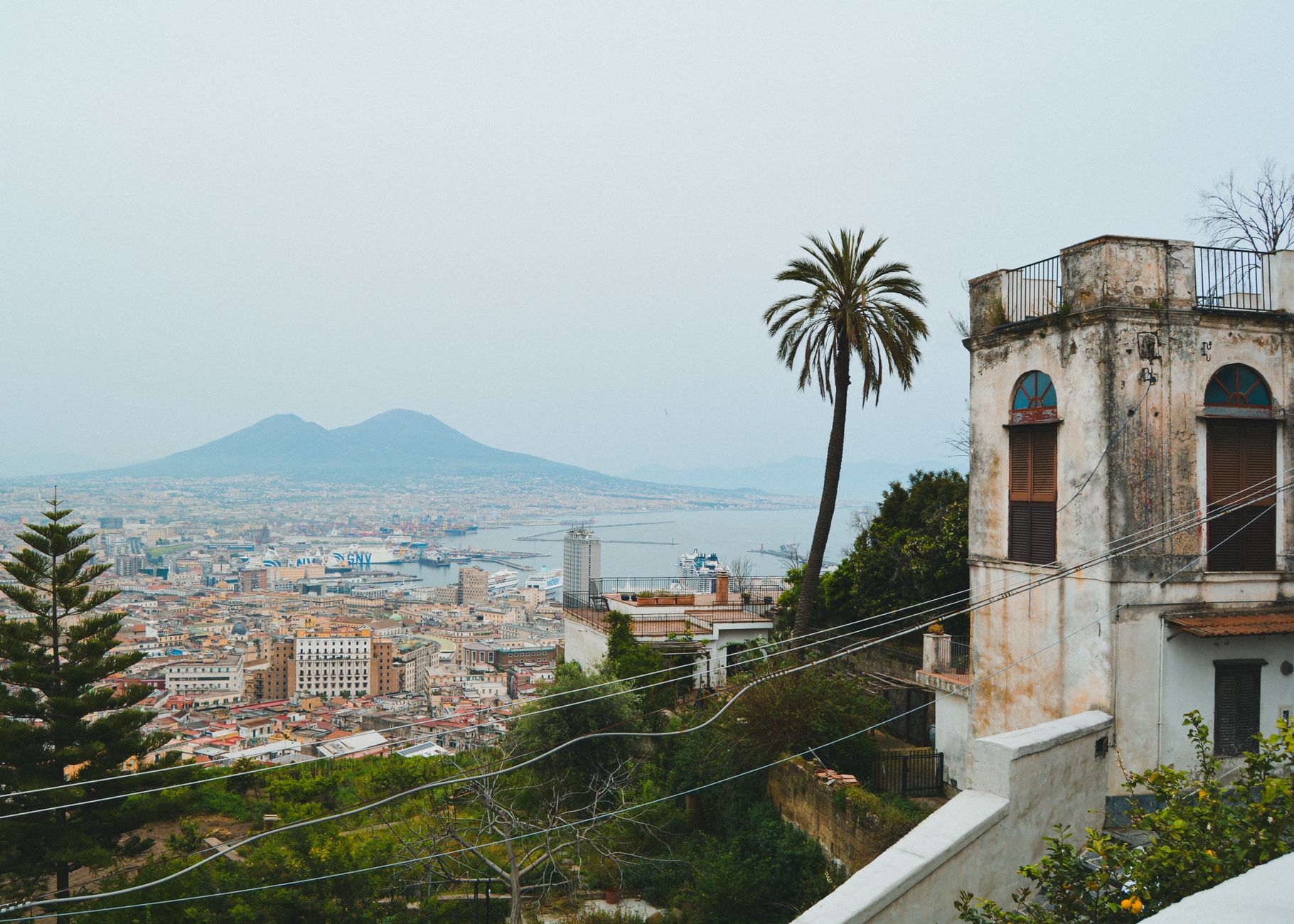
Yes—Naples delivers Europe’s most intense historic centre, world-class pizza, and a living street culture you can’t find in museumified Florence or Venice. One Metro ride takes you from Greek walls to Caravaggio in a church that still feeds the poor.
Three full days: Day 1 Centro Storico and pizza crawl, Day 2 MANN + Capodimonte + San Martino sunset, Day 3 Campi Flegrei or Procida ferry. Add a fourth if you want Pompeii without rushing.
Violent crime is rare; petty theft is common around Garibaldi station and packed metros. Keep valuables zipped, avoid showing maps on phones at doorways, and stick to lit streets after midnight—no different from Barcelona or Rome.
Take the Alibus shuttle: €5, 15 min to Centrale, 35 min to the port, runs every 15 min until midnight. Fixed taxi fares are €21 to Centrale—insist on the official rate before leaving the rank.
Traditional spots like Da Michele don’t take reservations; turn up early. Upscaler pizzerias such as 50 Kalò and Palazzo Petrucci open online slots—book two weeks ahead for weekends.
First-timers: stay near Toledo Metro for walk-everything access, or Chiaia for safer evening strolls. Avoid Garibaldi station area after dark unless you’re on a tight budget.
96 places to discover










Showing 1–48 of 96 places
Saved and recently read places — kept on this device only.
Photos may have been resized or cropped.