Early Foundations and Civic Evolution
Tel Aviv City Hall’s origins reflect the city’s rapid growth in the 20th century. Established in 1925 on Bialik Street as Beit Ha’ir (“the Town’s Home”), it was the administrative heart of the first modern Hebrew city, shaped by founding mayor Meir Dizengoff (History Tools). This location, in the Bauhaus-rich White City district, signaled Tel Aviv’s commitment to modernity and civic pride (TripMemos; 22Places).
By 1965, the city’s expansion called for a new headquarters, leading to the current City Hall at Rabin Square—a move aligning with Tel Aviv's vision for an open, accessible urban center.
Architectural Significance
The current Tel Aviv City Hall is a hallmark of Brutalist architecture, designed by Menachem Cohen and completed in 1964. Its raw concrete façade, repetitive geometric forms, and elevated pilotis create a striking presence on Rabin Square (Architizer). Functional yet monumental, the building’s design reflects transparency and openness, with an open ground floor facilitating public gatherings and strong integration with the surrounding plaza.
At night, dynamic LED lighting transforms the façade into a vibrant canvas for commemorations and celebrations. The building’s architectural language is distinct from the surrounding Bauhaus “White City,” yet both styles reflect Tel Aviv’s modernist spirit (Tourist Israel).
Historical and Cultural Impact
Rabin Square and City Hall have been central to Israel’s public life. The site has hosted pivotal events—from Independence Day celebrations to mass demonstrations and peace rallies. Most notably, the assassination of Prime Minister Yitzhak Rabin in 1995 deeply marked the square, and a memorial at the northeast corner commemorates his legacy (israelbylocals.com).
Cultural life flourishes here as well, with the square hosting open-air concerts, art installations, and national festivals (My Guide Tel Aviv). The City Hall façade often features illuminated displays—such as rainbow colors during Tel Aviv Pride—amplifying its role as a beacon of inclusivity and civic engagement (Tourist Israel Culture).
Key monuments in the area include the Yitzhak Rabin Memorial and the southern Holocaust Memorial by Igael Tumarkin, both serving as sites for annual remembrance and reflection (israelbylocals.com).
Renovations and Modernization
Tel Aviv City Hall has undergone several renovations, most notably by A. Lerman Architects Ltd., to adapt to current needs while preserving its architectural integrity (Architizer). Updates include sustainable technologies, improved accessibility, and new public spaces, reflecting Tel Aviv’s commitment to innovation and heritage conservation.
Visiting Hours, Tickets & Accessibility
- Visiting Hours City Hall is open Sunday–Thursday, 8:00 AM–4:00/5:00 PM. The surrounding Rabin Square is open 24/7.
- Entry Fees Visiting public areas of City Hall and Rabin Square is free. Administrative offices may require prior appointment; special exhibitions or guided tours, when available, may require advance booking or a nominal fee.
- Accessibility The building and square are fully accessible, featuring ramps, elevators, wide pathways, and accessible restrooms (Tourist Israel Architecture).
- Guided Tours While not regularly scheduled, guided tours are occasionally offered during special events or by local operators, often including historical and architectural highlights.
Travel Tips and Nearby Attractions
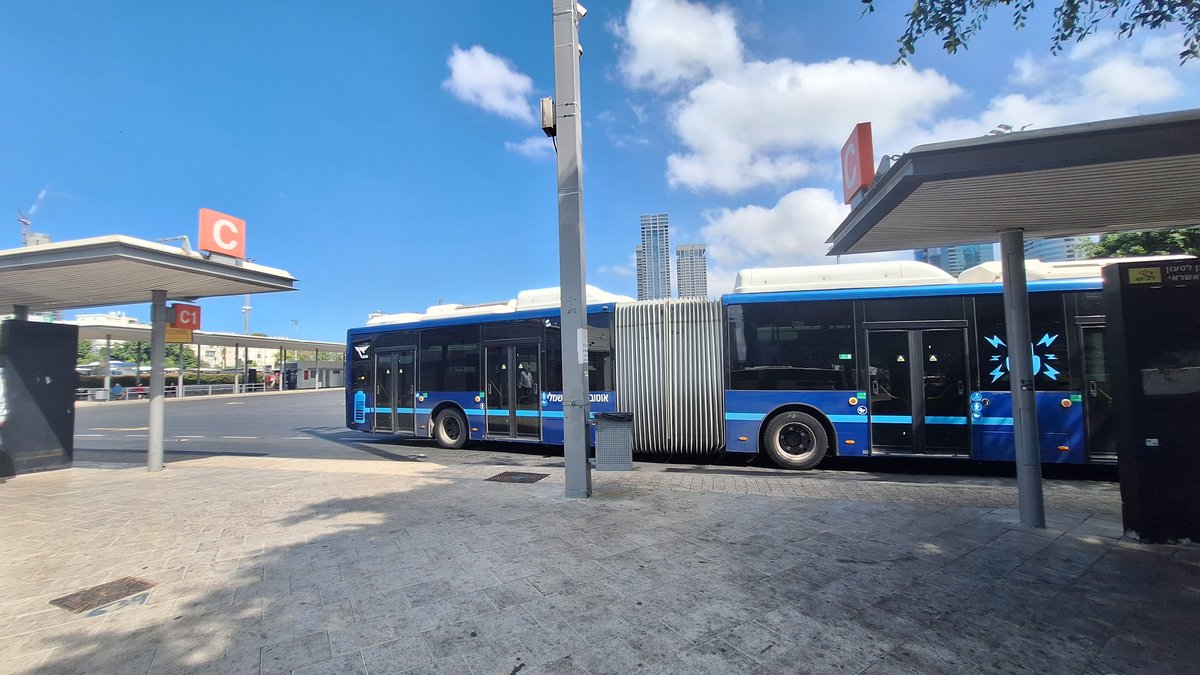
- Getting There Located at 69 Ibn Gabirol Street, Tel Aviv City Hall is easily reached by bus, light rail, bicycle, or on foot. Ample bike parking and public transport stops are nearby.
- Best Time to Visit Early mornings and late afternoons offer cooler weather and excellent lighting. Night visits showcase the illuminated façade.
- Nearby Sights Within walking distance are the Tel Aviv Museum of Art, Dizengoff Square, and Habima Theatre (lonelyplanet.com).
- Amenities The area is surrounded by cafes, shops, and restaurants, making it easy to extend your visit and experience Tel Aviv’s urban lifestyle.
Notable Events and Public Gatherings
Rabin Square regularly hosts:
- National Memorials Annual Yitzhak Rabin remembrance ceremonies, Holocaust Remembrance Day.
- Civic Demonstrations Peace rallies, LGBTQ+ pride events, social justice protests.
- Cultural Festivals Open-air concerts, art exhibitions, sports celebrations, and book fairs (adventurebackpack.com; My Guide Tel Aviv).
These events highlight the City Hall’s dual function as the seat of municipal governance and a stage for public expression.
Preservation and Heritage Status
Tel Aviv City Hall is part of the broader effort to preserve the White City’s modernist legacy, recognized as a UNESCO World Heritage Site (22Places). Ongoing conservation initiatives maintain its functional and historical integrity, blending modernization with heritage preservation.
Frequently Asked Questions (FAQs)
What are the visiting hours of Tel Aviv City Hall?
Open Sunday–Thursday, 8:00 AM–4:00/5:00 PM. Rabin Square is accessible at all hours.
Is there an entry fee?
No, entry to public areas and the square is free. Special exhibits or guided tours may require tickets.
Are guided tours available?
Occasionally, during special occasions or by arrangement with local operators and the municipality.
Is the site accessible to people with disabilities?
Yes, the building and square are designed for full accessibility.
What nearby attractions can I visit?
Tel Aviv Museum of Art, Dizengoff Square, and Habima Theatre are all within walking distance.
Visual and Multimedia Recommendations
Enhance your visit with high-quality images and video tours of Tel Aviv City Hall and Rabin Square, available on municipal websites and cultural heritage platforms. Nighttime displays and major event footage offer special insight into the site’s dynamic atmosphere.