Introduction
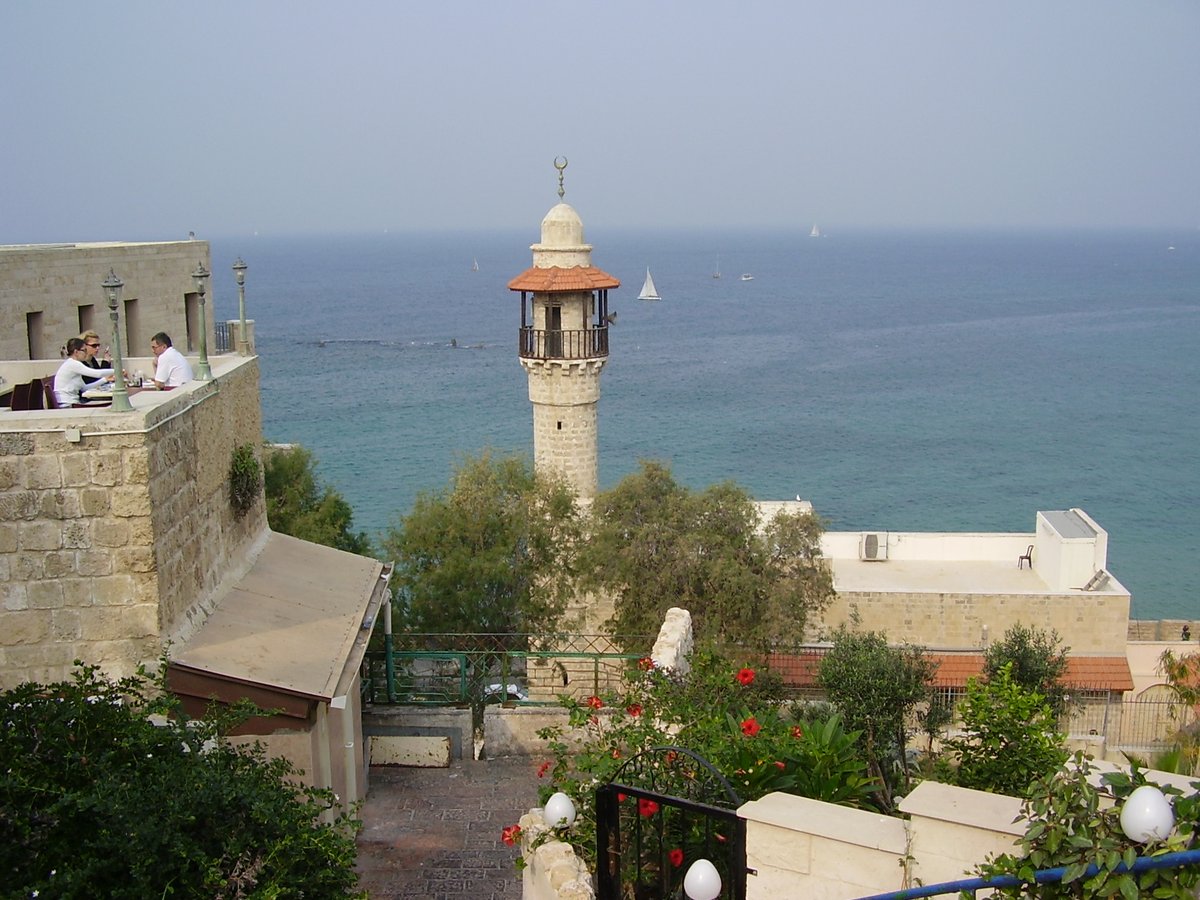
The first thing that flicks you awake in Tel Aviv is the smell of cardamom drifting from a kiosk espresso on Rothschild Boulevard while, three streets away, the sea glints like polished chrome and a muezzin’s call rolls over the roof of a 1934 Bauhaus clinic. Israel’s second city feels as if someone pressed fast-forward on a Mediterranean metropolis, then left the volume up: scooters spit across junctions painted by street artists, produce vendors sing prices in falsetto Hebrew, and every other doorway hides a gallery, a speakeasy, or a Yemenite grandmother rolling dough as thin as sunlight.
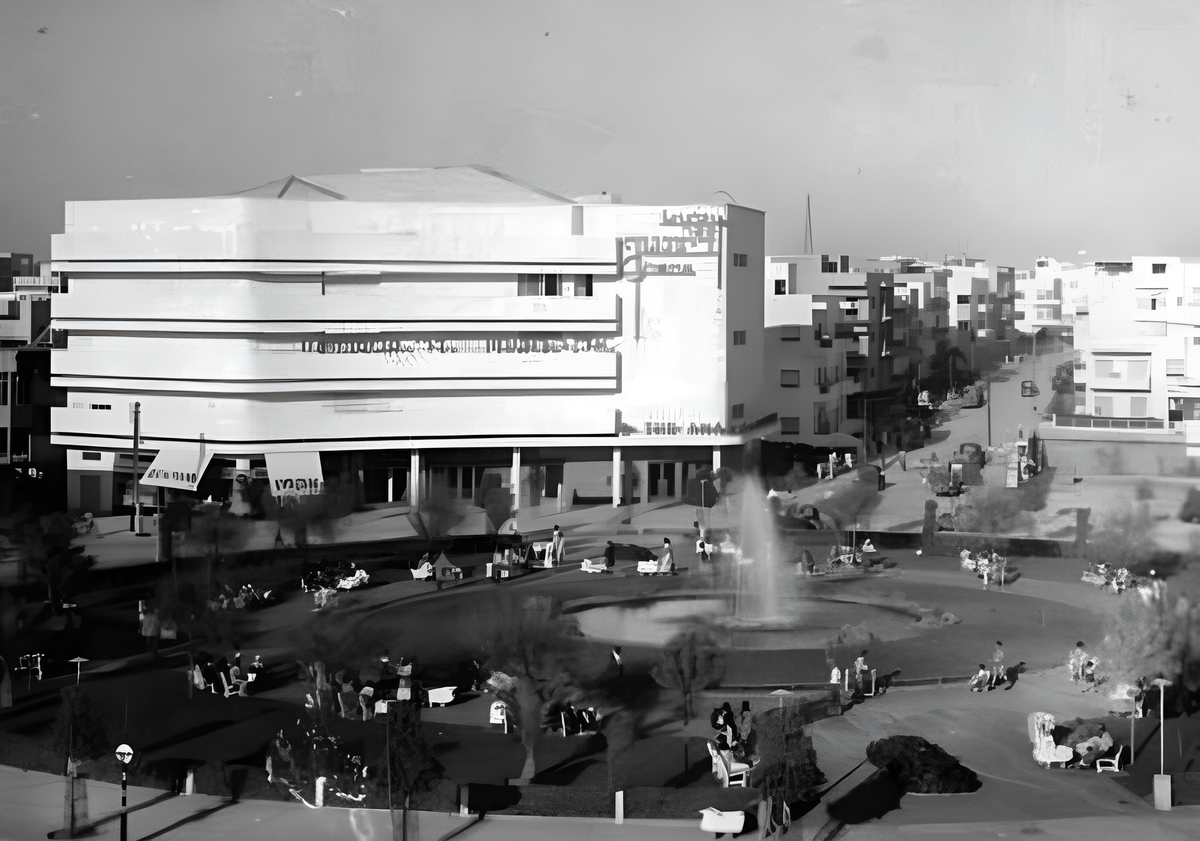
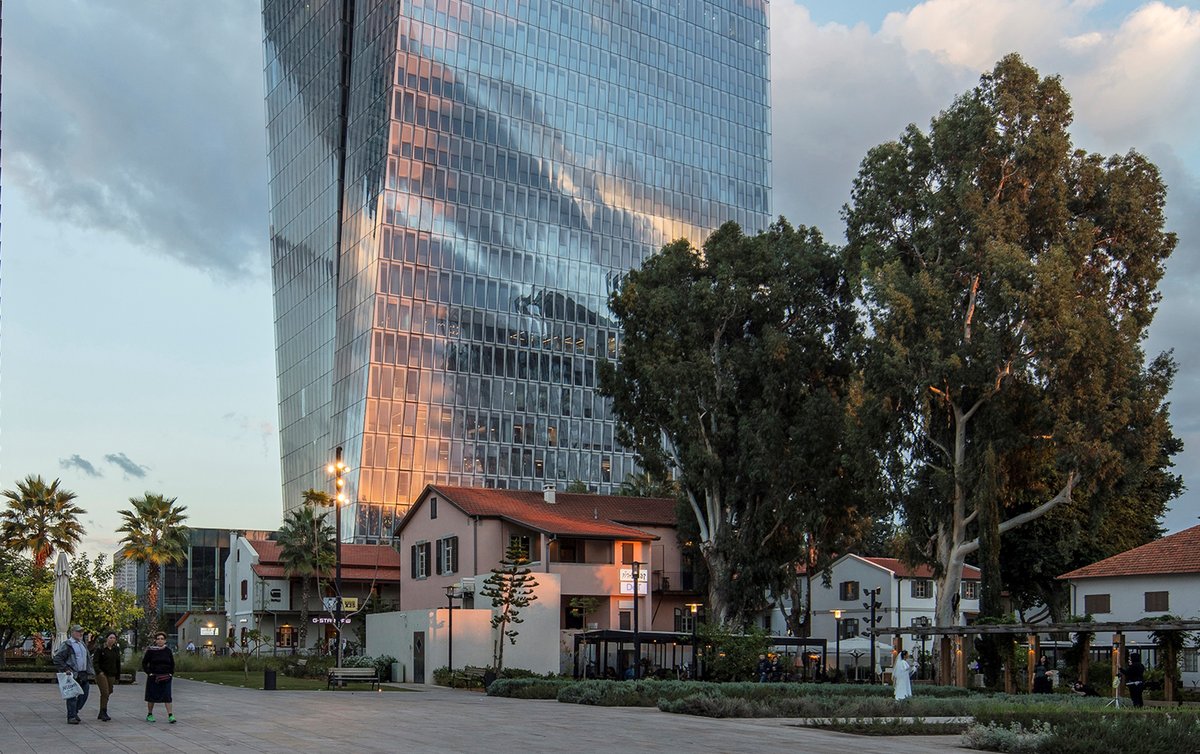
Tel Aviv is less a single city than a chain of villages that forgot to stop growing. Jaffa’s limestone alleys have been trading port since Pharaohs weighed anchor here, yet five minutes north you’ll walk through the White City, the planet’s densest cluster of International Style architecture—4,000 pastel cubes raised on pilotis, their curved balconies catching sea breezes like pages of an open book. Between them lie pockets of Ethiopian spice shops, Balkan bakeries, and micro-bars where bartenders fat-wash arak in sesame oil because… well, why not?
The city runs on a 24-hour cycle that ignores calendars. Weekends start Thursday at 2 a.m. when club queues snake past former printing houses; Fridays mean Carmel Market shouts, sesame-crusted sabich, and surfers jogging to Hilton Beach with boards under one arm, phones in the other checking if the jellyfish have moved on. By Saturday sunset the electric buses begin to roll again, the beach volleyball nets come down, and someone, somewhere, is already tuning a bass for the next set.
Places to Visit
The Most Interesting Places in Tel Aviv
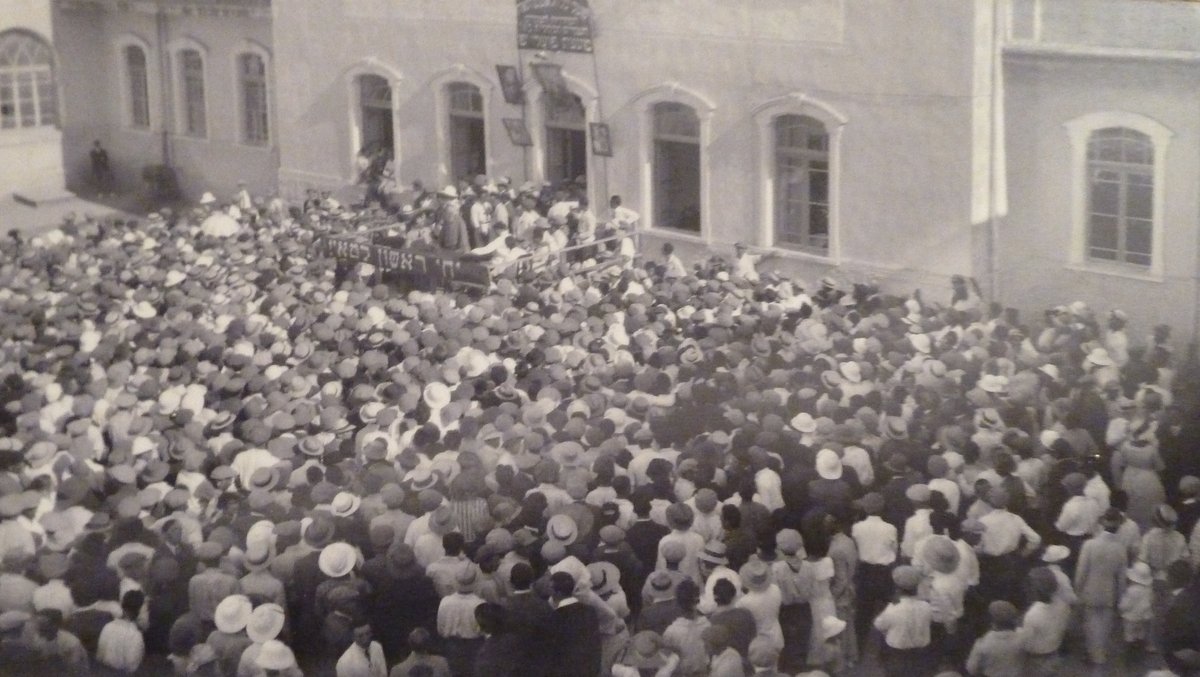
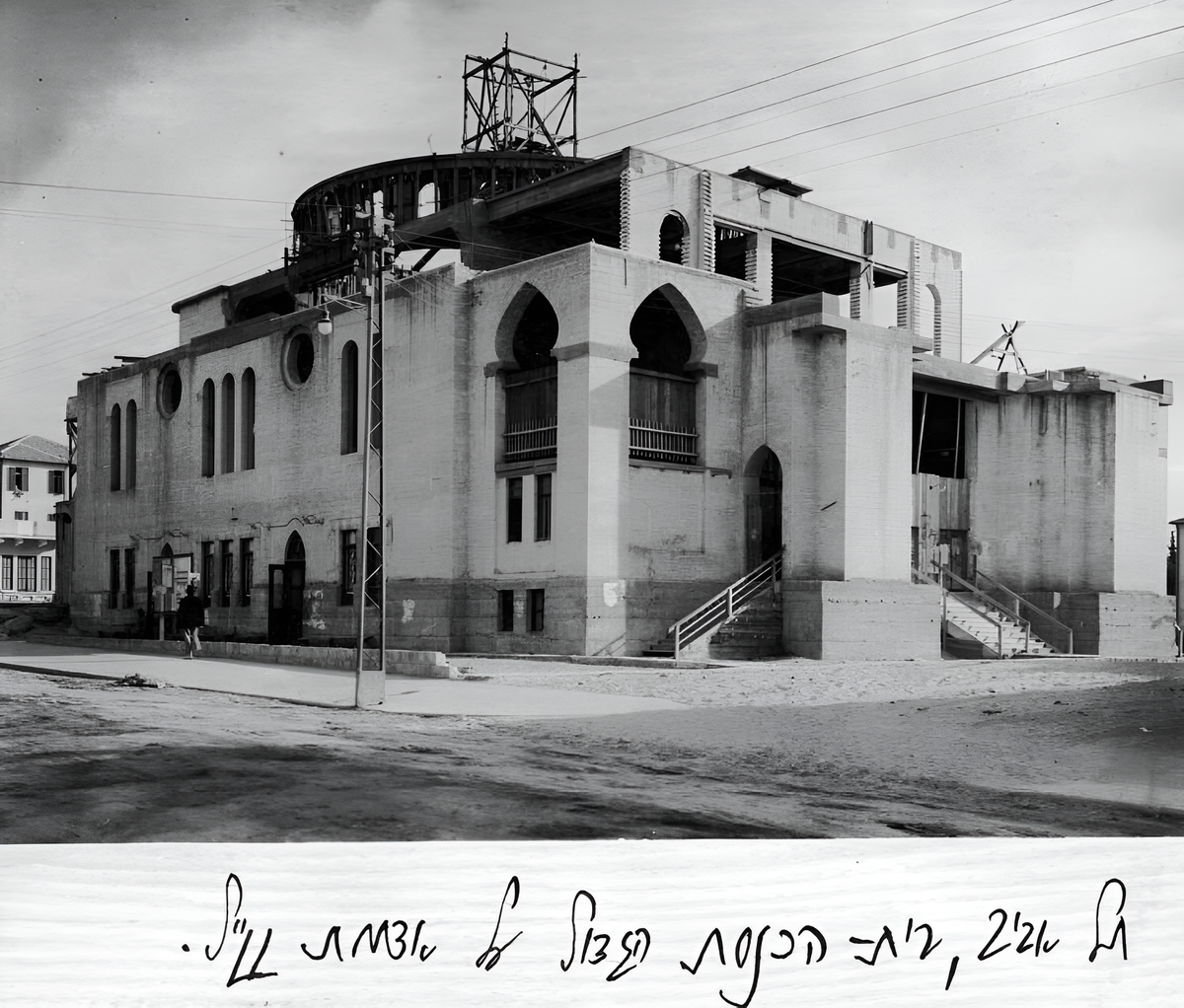
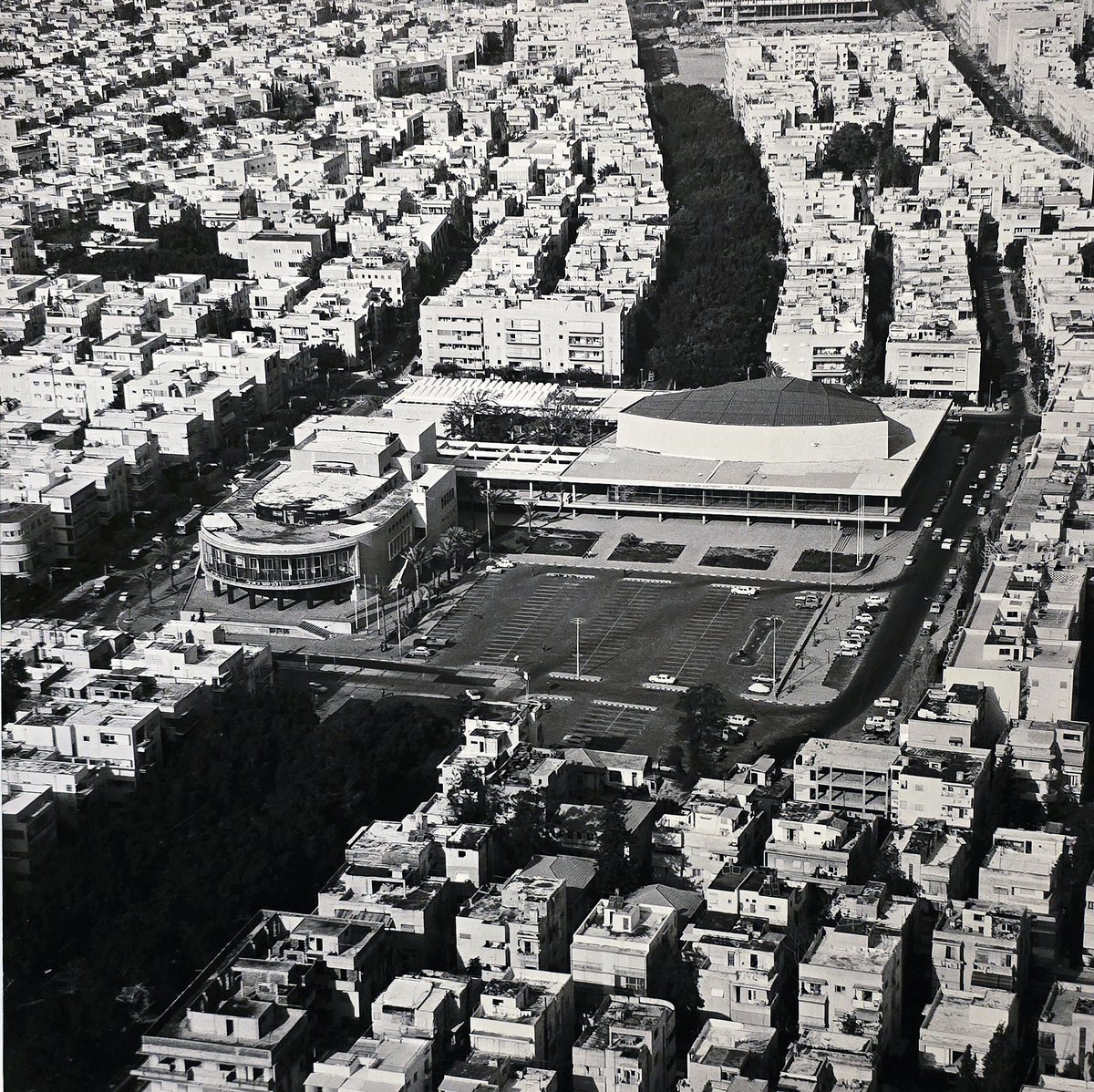
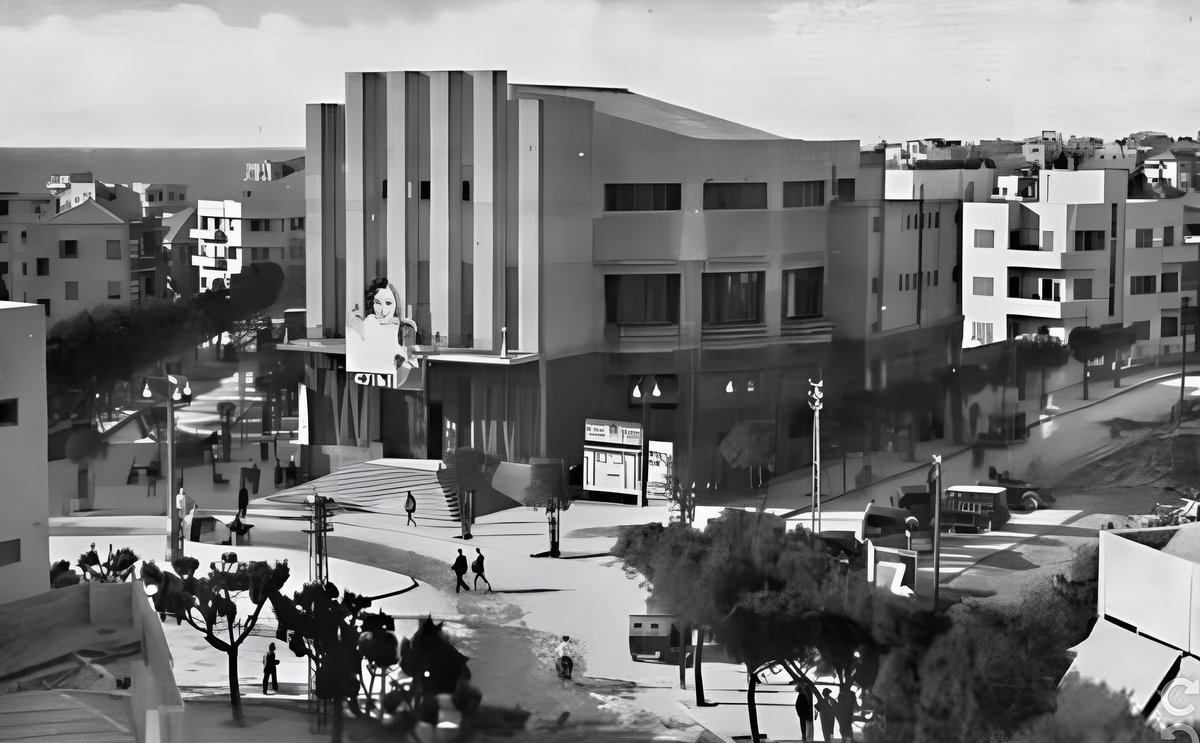
Habima Theatre
Nestled in the vibrant heart of Tel Aviv, Habima Theatre stands as a cornerstone of Israeli culture and the performing arts, renowned as the nation’s first…
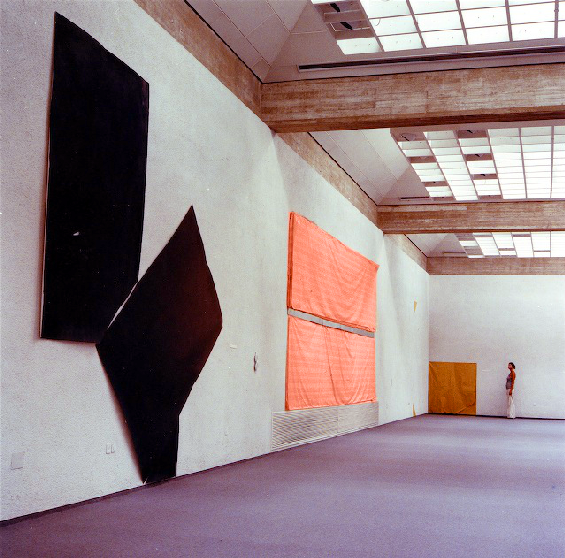
Tel Aviv Museum of Art
The Tel Aviv Museum of Art stands as a vibrant testament to Israel’s artistic and cultural evolution, making it a must-visit destination for art enthusiasts…
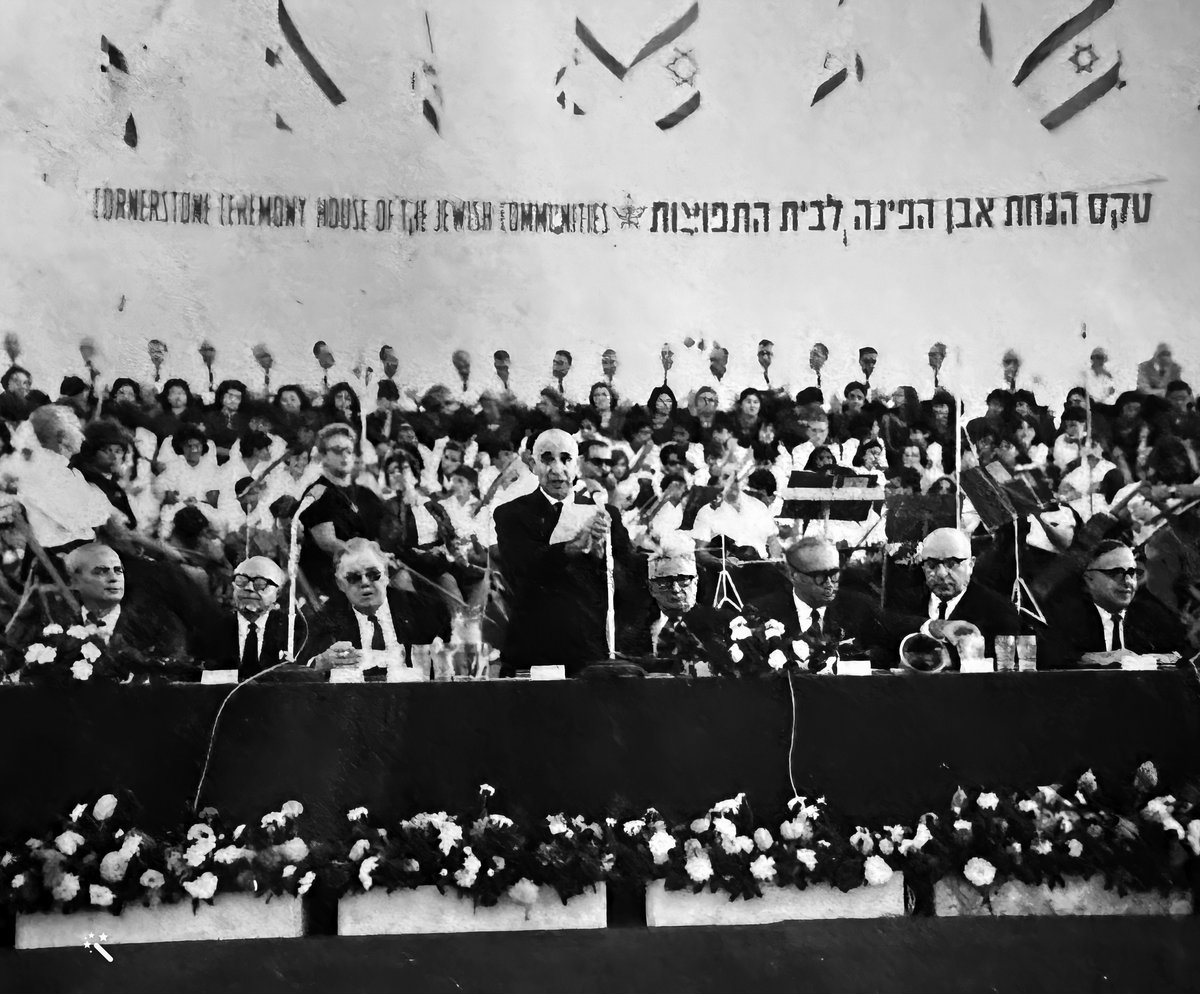
Museum of the Jewish People at Beit Hatfutsot
Located on the vibrant campus of Tel Aviv University in Ramat Aviv, the ANU – Museum of the Jewish People (formerly known as Beit Hatfutsot) stands as a…
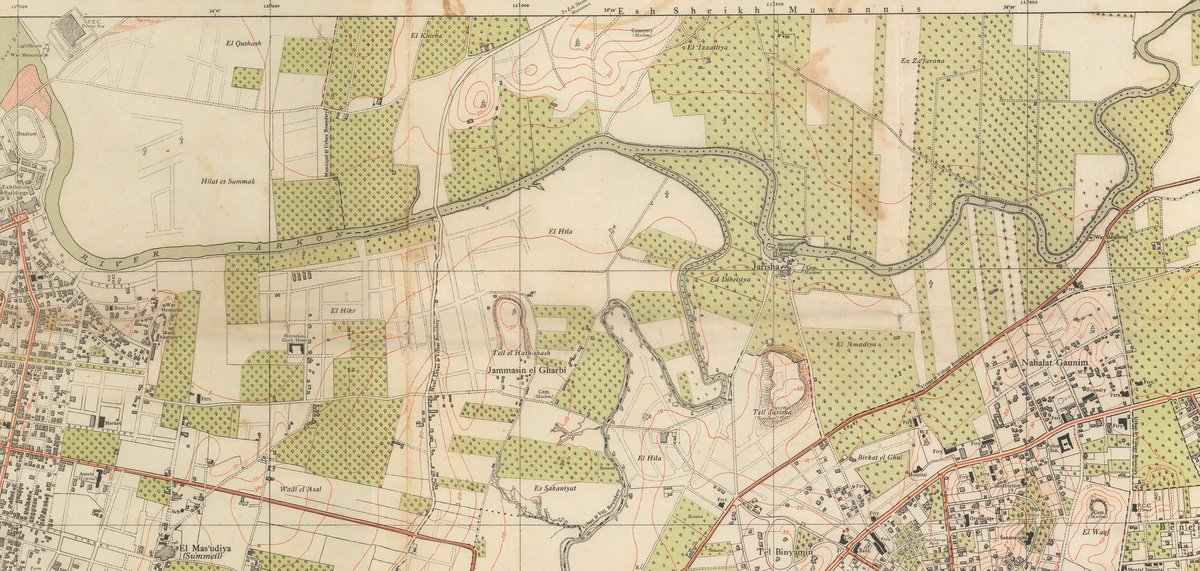
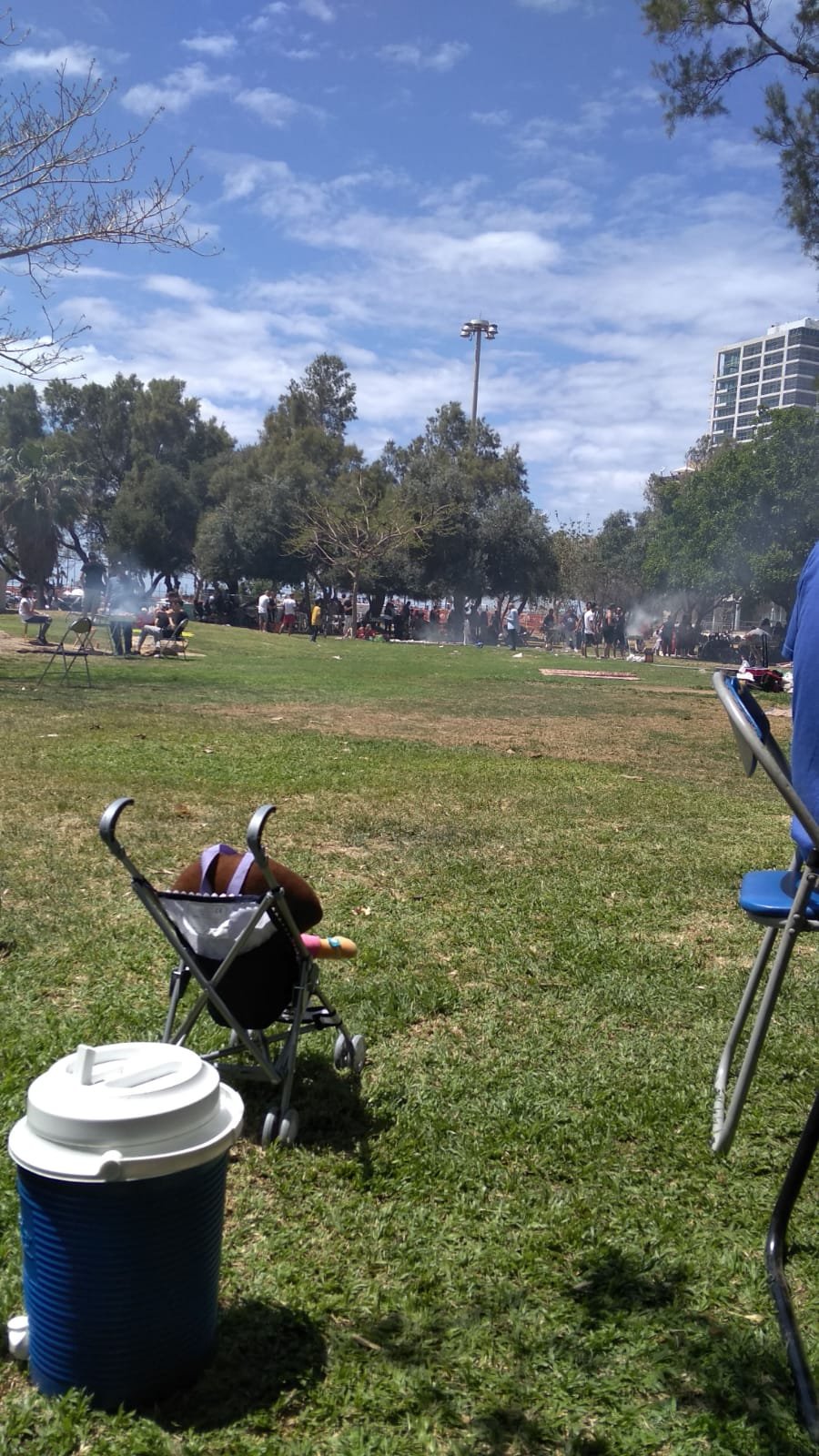
Yarkon Park
Nestled along the banks of the Yarkon River in northern Tel Aviv, Yarkon Park (HaYarkon Park) stands as the city’s largest and most treasured urban green…
Eretz Israel Museum
Nestled in the vibrant city of Tel Aviv, the Eretz Israel Museum—also known as MUZA—stands as a premier cultural and historical institution dedicated to…
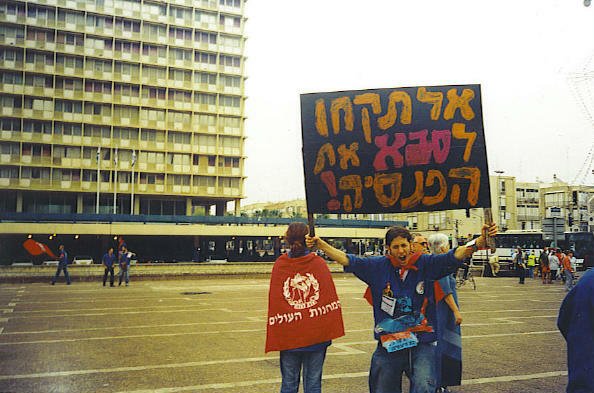
Rabin Square
Rabin Square, known locally as Kikar Rabin, stands as one of the most emblematic public spaces in Tel Aviv and indeed all of Israel.
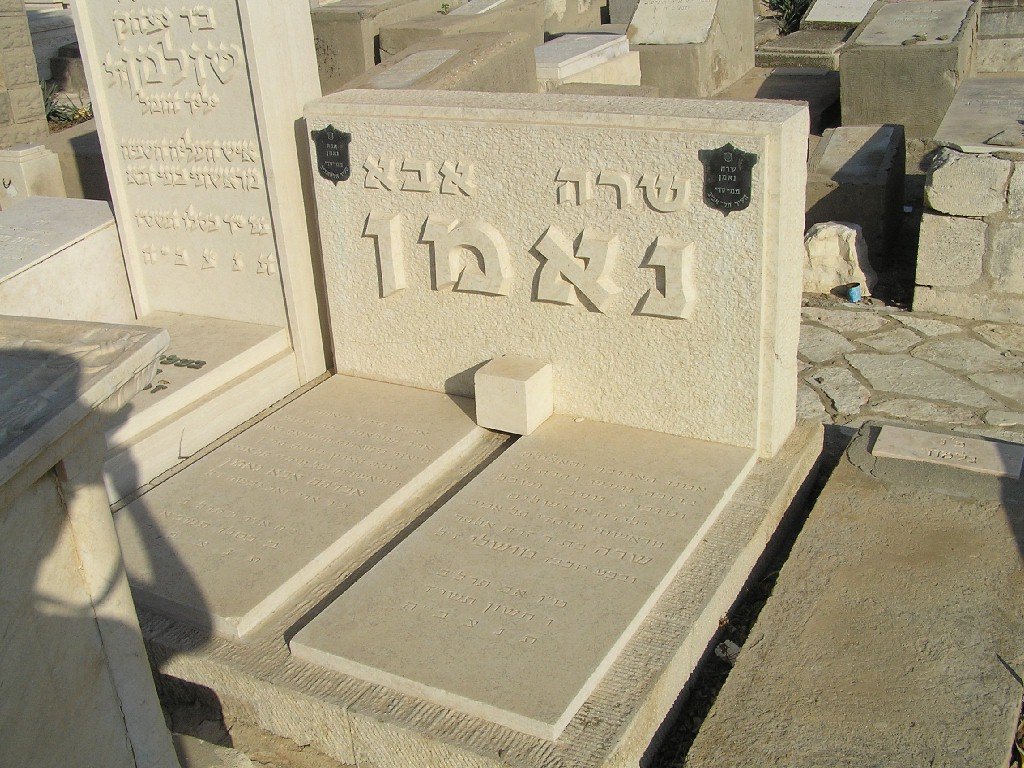
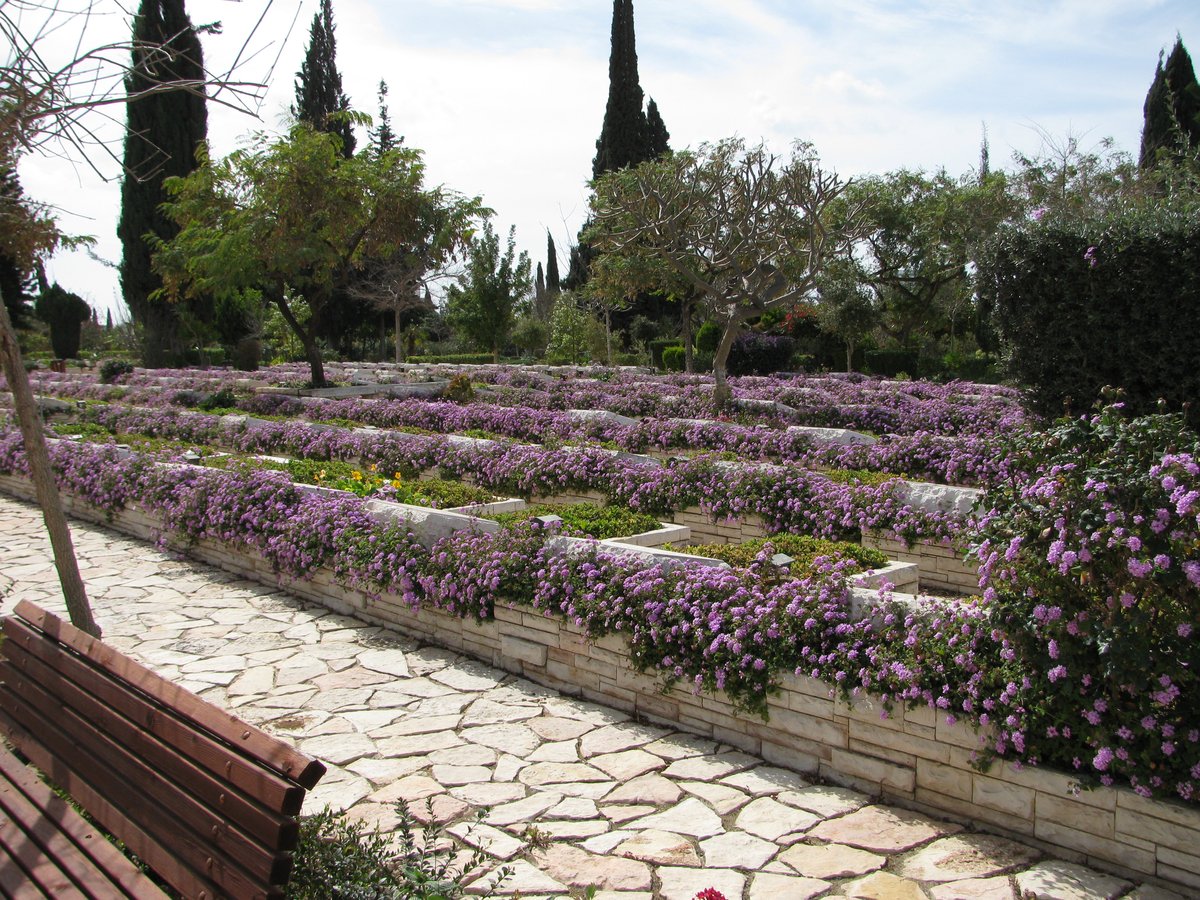
Kiryat Shaul Cemetery
Nestled in the northern part of Tel Aviv, Kiryat Shaul Cemetery stands as one of Israel’s most historically and culturally significant burial grounds.
Trumpeldor Cemetery
Trumpeldor Cemetery, nestled in the heart of Tel Aviv, stands as a vital testament to the city’s origins and the Zionist movement’s enduring legacy.
Beit Lessin Theater
Beit Lessin Theater, nestled in the vibrant heart of Tel Aviv, is a beacon of contemporary Israeli culture and performing arts.
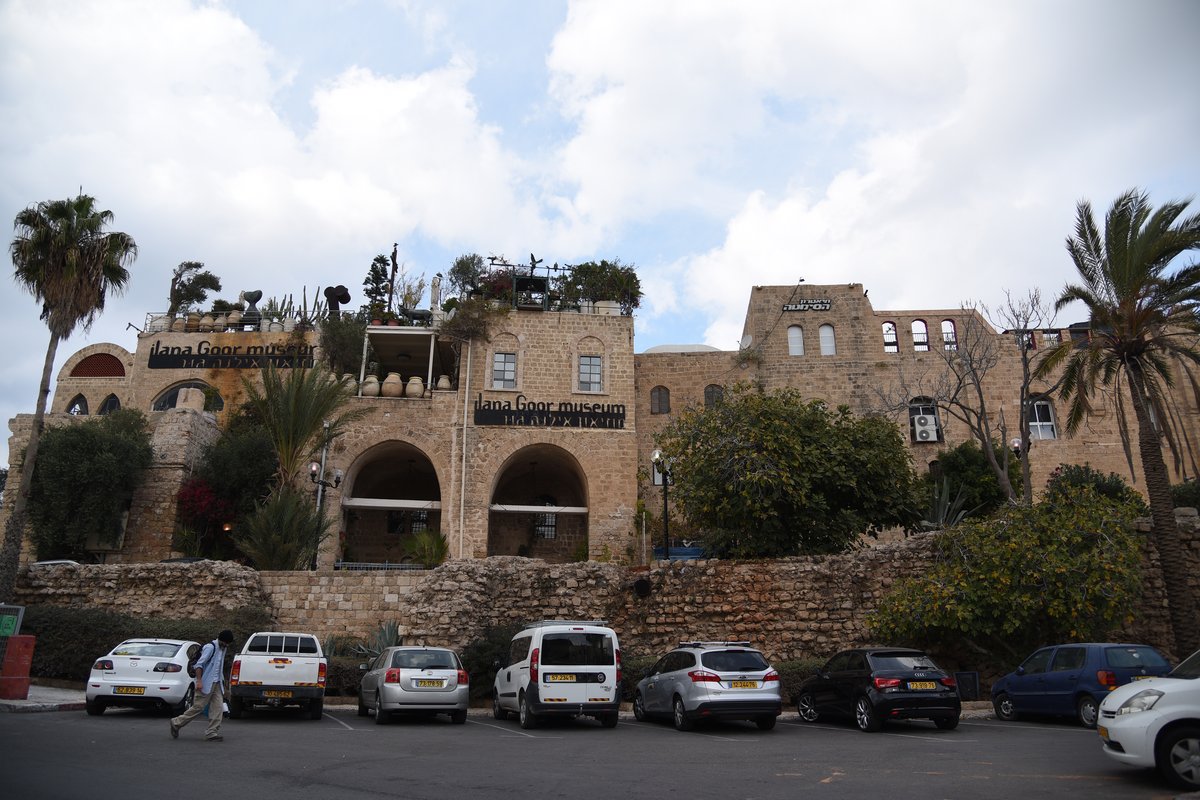
Gesher Theatre
Nestled in the vibrant and historic Jaffa district of Tel Aviv, Gesher Theatre stands as a remarkable cultural landmark that uniquely bridges Russian and…
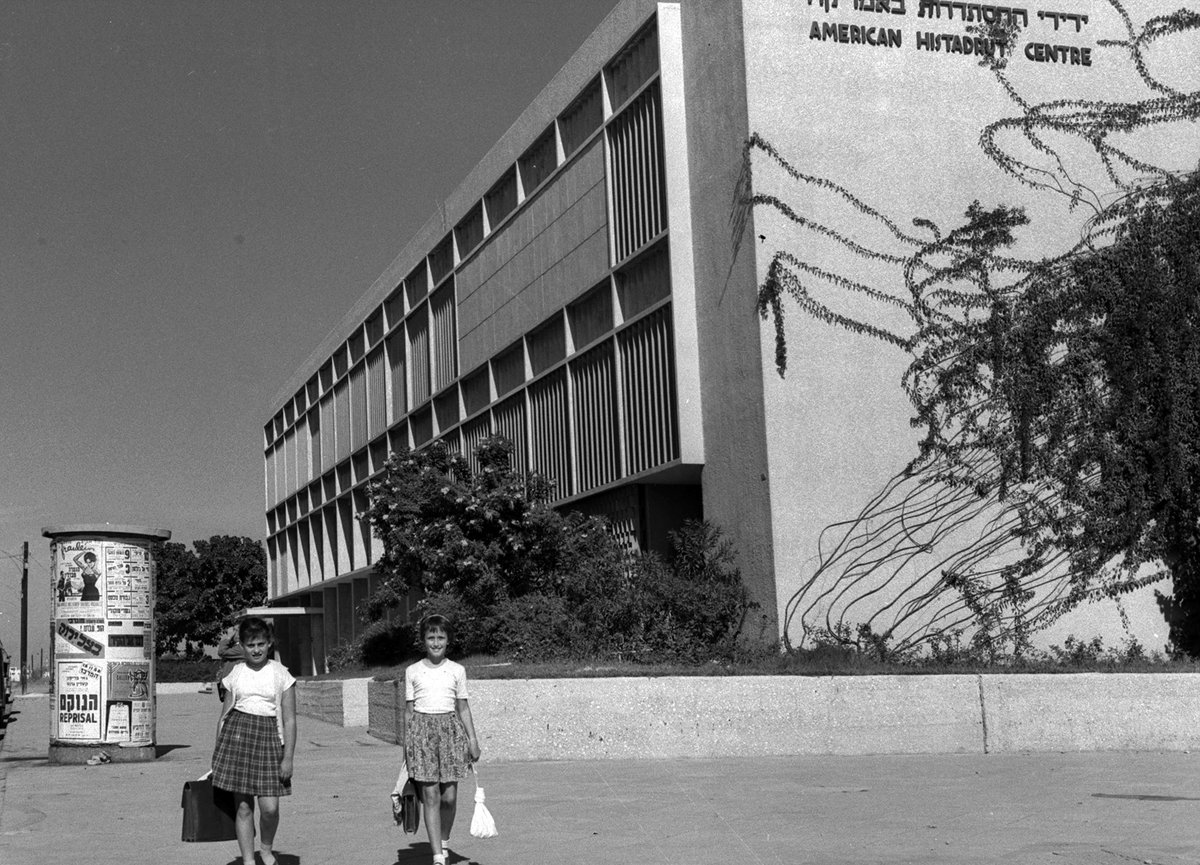
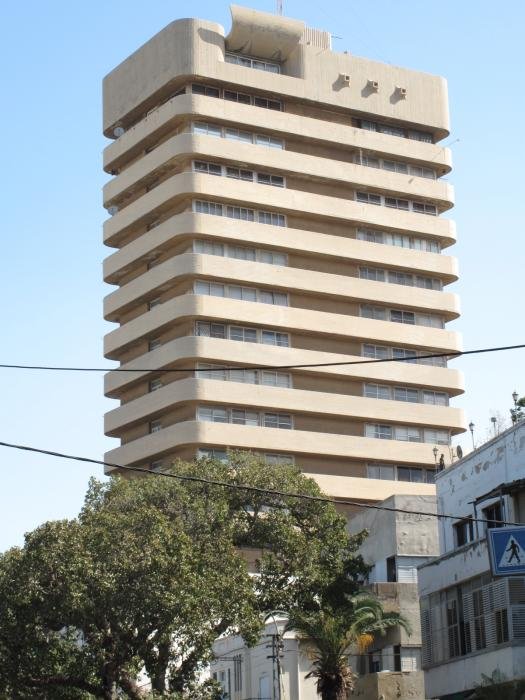
Shalom Meir Tower
Nestled in the heart of Tel Aviv, the Shalom Meir Tower stands as a towering emblem of Israel’s mid-20th-century ambitions, modernist architectural…
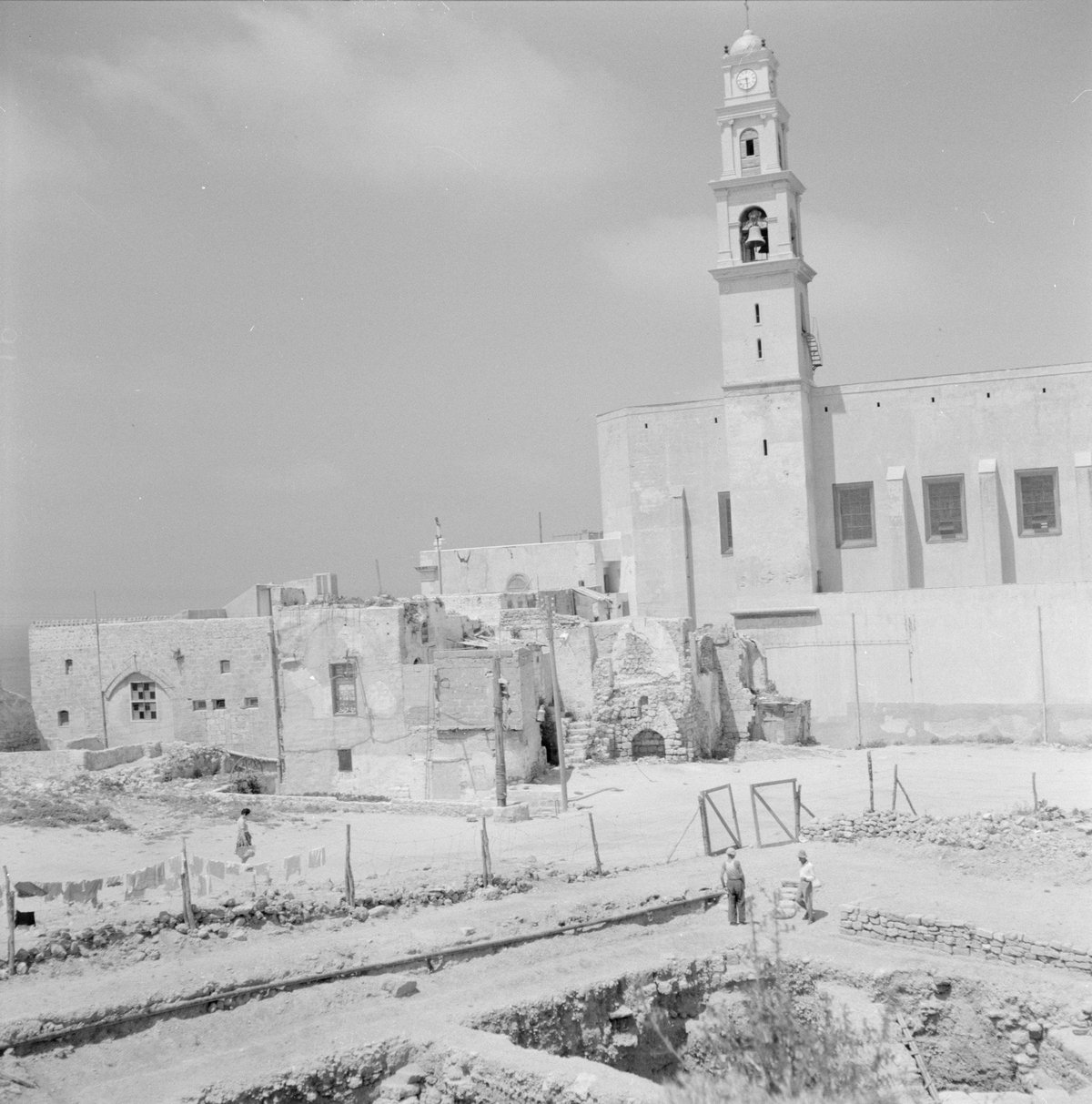
Jaffa Clock Tower
The Jaffa Clock Tower stands as one of Tel Aviv’s most emblematic historical landmarks, offering visitors a tangible connection to the region’s rich and…
What Makes This City Special
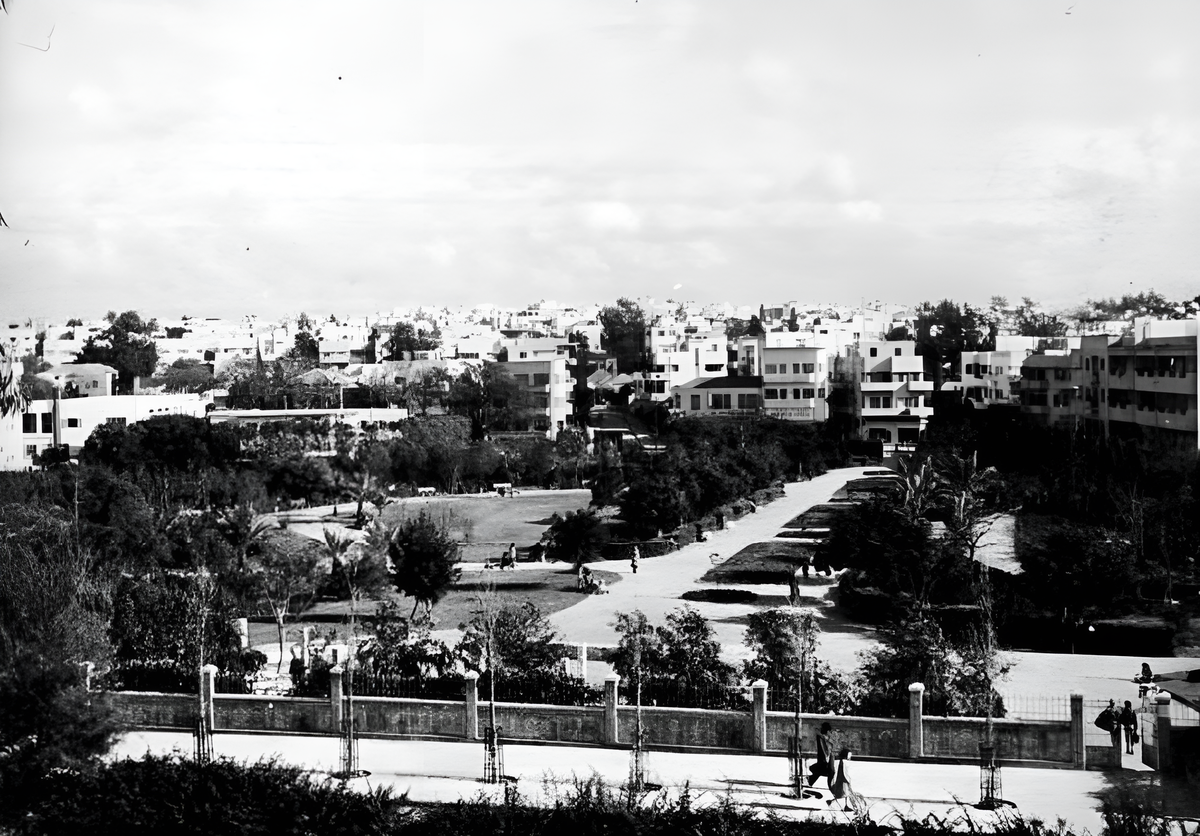
White City Bauhaus
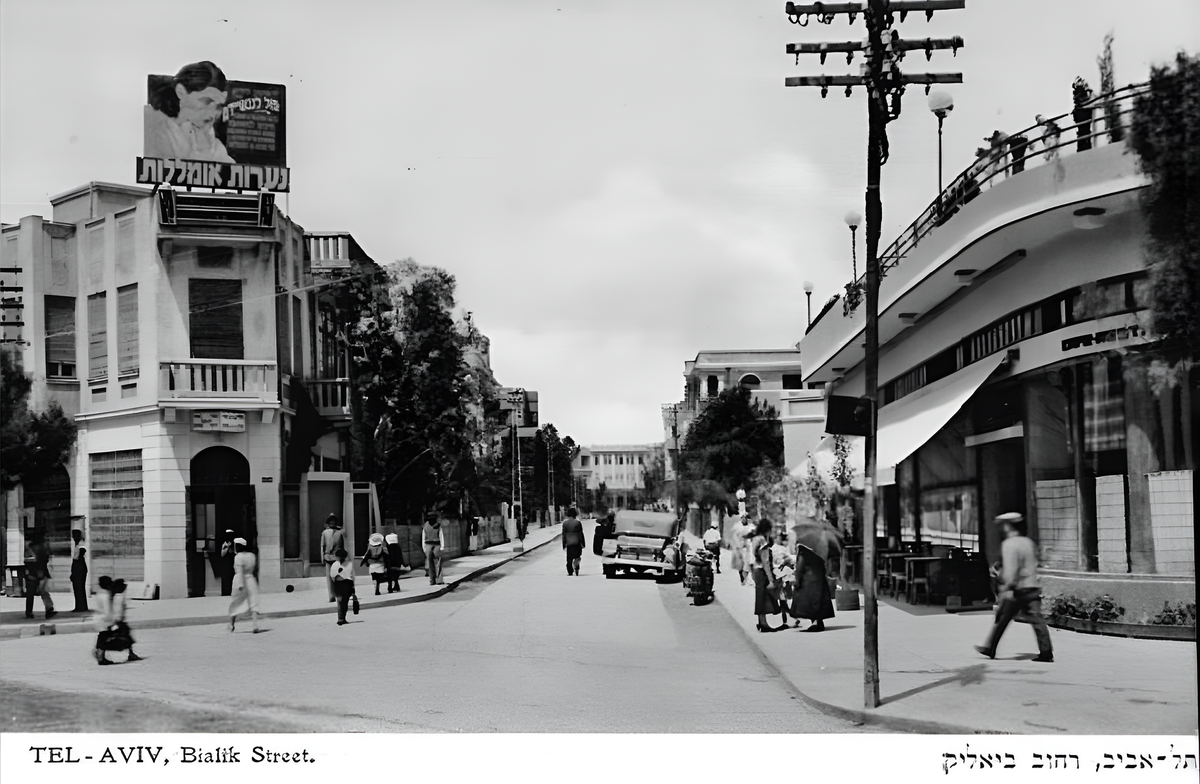
Four thousand pastel cubes—stilted balconies, flat roofs, round corners—make Tel Aviv the world’s densest open-air catalogue of 1930s modernism. Walk Rothschild Boulevard at 7 a.m. and the rising sun clicks every façade into high-contrast black-and-white like a Leica shot that never quite repeats.
Beach-as-Civic-Center
The city’s real parliament meets on towels: sixteen lifeguard-patrolled stretches where dawn paddle-ball games, sunset matkot percussion and 2 a.m. guitar circles all happen within earshot of the finance ministry. Bring flip-flops to a board-room city.
Jaffa Twilight Flip
At 18:30 the sandstone alleys of the port switch from crusader quiet to flea-market funk: antique brass meets craft-cocktail bars, church bells mix with bass lines drifting up from converted wells. One square kilometre, two millennia of after-dark philosophy.
Historical Timeline
From Bronze-Age Harbor to Bauhaus Metropolis
The restless city that refused to stand still
Jaffa Sparks to Life
Fishermen drag their boats onto a limestone ridge where the Yarkon River meets the sea. Within centuries the natural anchorage becomes Canaanite Jaffa, gateway for cedar logs floated from Lebanon toward Jerusalem. The first port fees are paid in bronze.
Thutmose III Storms the Walls
Egyptian chariots clatter through Jaffa’s gates. General Djehuty’s troops scale the walls at dawn; the city is redrawn as a provincial granary for the Nile. Scarabs stamped with the pharaoh’s cartouche circulate in the markets where olives once bought Canaanite pottery.
Richard Lionheart Reclaims the Coast
Crossbow bolts hiss across Jaffa’s narrow lanes as Richard I retakes the port from Saladin. The sea spray smells of blood and iron; the English king pitches his striped tent inside the battered walls, dictating terms that will let Crusaders keep a sliver of Holy Land shoreline.
Napoleon’s Plague Siege
French cannonballs punch holes in Ottoman masonry. After the walls fall, Napoleon orders the execution of 4,000 Albanian prisoners; dysentery and plague soon kill more soldiers than the battle. For weeks the air reeks of vinegar and gunpowder.
Steam Train Reaches the Sea
The first locomotive whistles into Jaffa station, linking the orange groves to Jerusalem in three hours. Wooden crates of Jaffa oranges now travel to Berlin restaurants in ten days, not ten weeks. Real-estate speculators sniff opportunity on the dunes to the north.
Seashells in the Sand
Sixty-six families gather at sunset, clutching white and gray seashells. Each shell marks a lot in the new garden suburb they call Ahuzat Bayit. The lottery ends with cheers; within months the dunes sprout wooden huts, telegraph poles, and the first Hebrew street signs.
Tel Aviv Gets Its Name
A vote renames the suburb Tel Aviv—‘Hill of Spring’—borrowing Nahum Sokolow’s Hebrew translation of Herzl’s Altneuland. The title sticks, and postcards already show a white city rising from the sand, promising a modern Mediterranean Zion.
Geddes Draws the Boulevard
Scottish planner Patrick Geddes inks leafy boulevards, hexagonal gardens, and human-scale blocks. His blueprint turns sandy grids into a city that breathes; Rothschild Boulevard’s central median is planted with ficus saplings that will soon arch into a green tunnel.
White City Turns Bauhaus
Refugee architects from Dessau dock at Jaffa port with rolled-up blueprints. By nightfall they’re sketching curved balconies, pilotis, and ribbon windows. Within three years, 3,000 white cubes clot the cityscape—today the densest Bauhaus ensemble on earth.
Shoshana Damari Sings the Yemeni Blues
A 12-year-old girl from Rosh Pina steps onto a Tel Aviv café stage, her tin-deaf voice wrapped in Yemenite trills. By sixteen she’s the city’s smoky soundtrack, crooning ‘Kalaniot’ to British officers and kibbutzniks alike, stamping Tel Aviv’s nightlife with Middle-Eastern swing.
Italian Bombs over Dizengoff
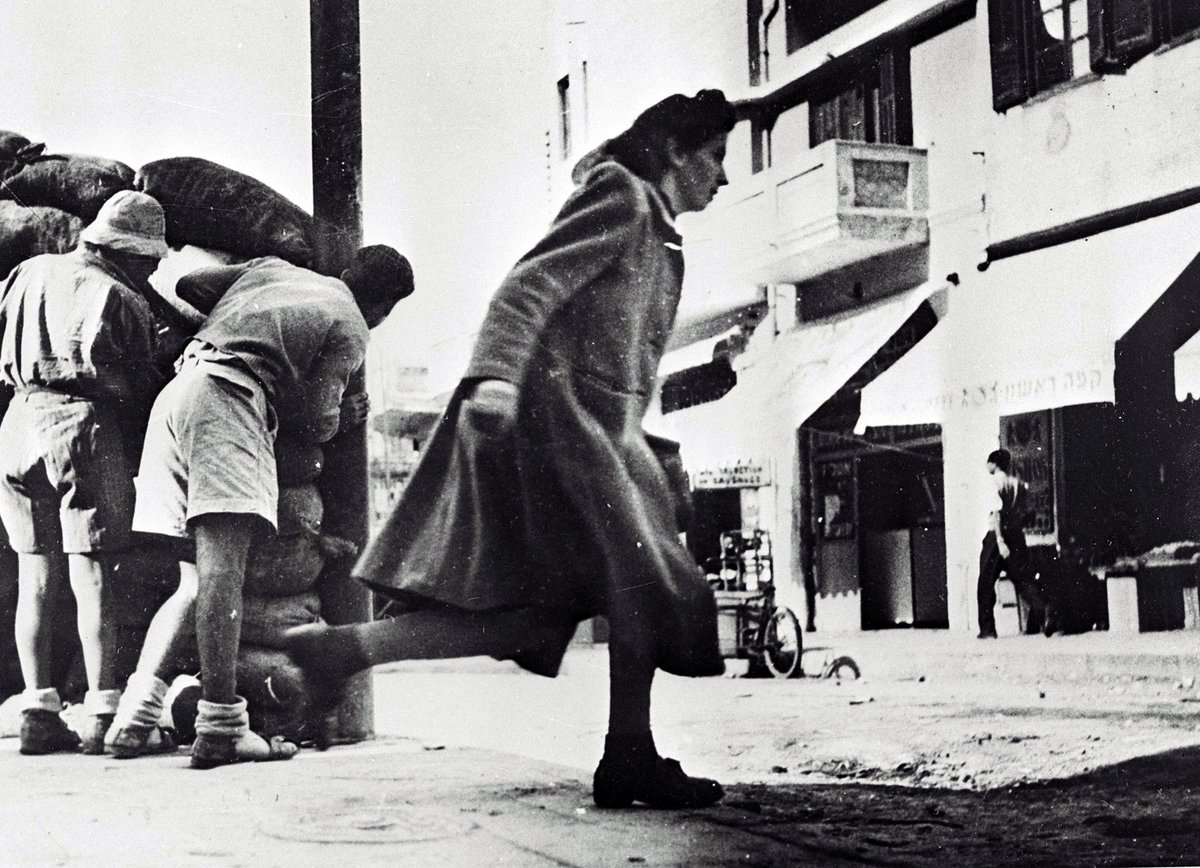
Sirens wail at noon; 42 people die when Savoia-Marchetti bombers unload their cargo on Tel Aviv’s busiest intersection. Shop windows on Allenby spray glass; the scent of oranges mingles with cordite. Overnight, sandbagged cafés become makeshift hospitals.
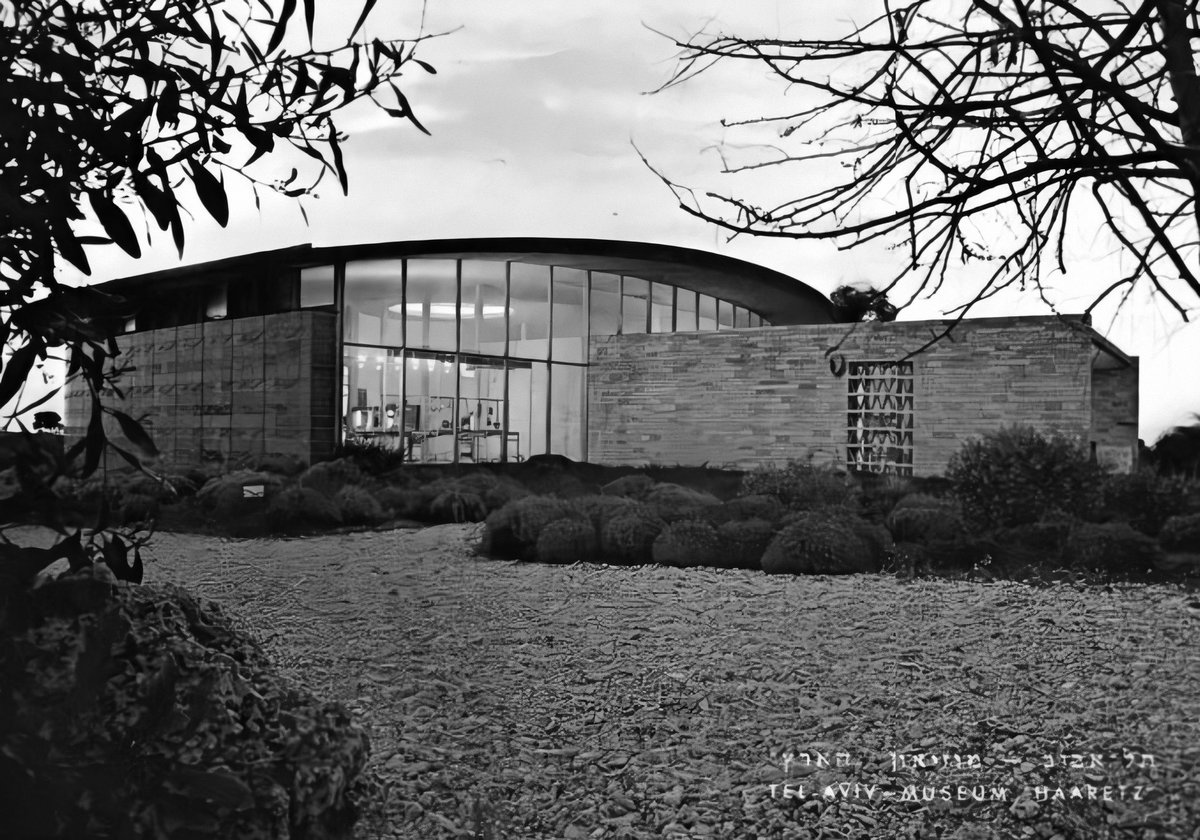
Independence Declared in the Museum
David Ben-Gurion stands beneath a portrait of Theodor Herzl and declares the State of Israel. The 250 guests overflow the Tel Aviv Museum’s foyer; outside, loudspeakers crackle the news to jubilant dancers who block traffic on Rothschild all night.
Jaffa Merges into Tel Aviv
The municipal map is redrawn: two cities become one. Arabic street names in the old port are replaced overnight; Ajami’s fishermen now vote in Hebrew elections. Orange cranes still unload in Jaffa, but the cultural gravity has shifted decisively north.
Shalom Meir Tower Scrapes the Sky
The city’s first skyscraper tops out at 142 m on the site of the original Herzliya Gymnasium. For one brief year it’s the Middle East’s tallest building; elevator operators recite floor numbers in Hebrew, English, and French, signaling Tel Aviv’s vertical ambitions.
Paralympics on the Yarkon
Wheelchair racers circle Park HaYarkon as Tel Aviv hosts the third Paralympic Games. The city’s rehabilitative hospitals turn into Olympic villages; 774 athletes from 28 nations compete under eucalyptus shade, proving a young nation’s medical grit.
Rabin Assassinated After Peace Rally
Gunshots echo across Kings of Israel Square. Yitzhak Rabin, native son of Israel but adopted by Tel Aviv, collapses beside his parked Cadillac, lyrics to ‘Shir LaShalom’ still in his blazer pocket. Within hours, thousands light candles that flood the plaza with wax and grief.
White City Enters World Heritage
UNESCO inscribes 4,000 Bauhaus buildings as a World Heritage Site. Tour guides swap stories of curved decks and asymmetrical stairs; rent in Florentin doubles overnight. The city finally monetizes its modernist conscience.
Amir Building Opens Like a Geode
The Tel Aviv Museum’s new Herta & Paul Amir Building crystallizes—an angular concrete bloom jutting over Golda Meir Square. Inside, floating stairs shuttle visitors between Hockney oils and local video art, cementing the city’s claim as Israel’s contemporary culture engine.
Red Line Light Rail Opens
Driverless trams glide 24 km beneath the city’s traffic choke points. Commuters scan QR codes while the carriage screens flash real-time poetry—an unexpected nod to Bialik. Rush-hour sirens still interrupt, but for once the city moves on rails, not rumor.
Etgar Keret Turns Bombs into Fairytales
Tel Aviv bus riders clutch copies of ‘Pipelines,’ Keret’s slim volume that converts intifada anxiety into surreal vignettes. Café waiters quote talking goldfish; the city’s existential dread finds release in absurdist Hebrew prose that travels from Sheinkin Street to Parisian bookshops.
Notable Figures
Meir Dizengoff
1861–1936 · Founding MayorHe rode his white horse along the sand dunes in 1909 to parcel out the first plots; today Dizengoff Street buzzes with cafés that open before he would have finished his morning ride.
David Ben-Gurion
1886–1973 · Prime MinisterStepped onto the Tel Aviv Museum stage and changed a city of orange groves into a capital of hope; the building still stands, quieter now, on the street that bears his name.
Arik Einstein
1939–2013 · Singer-songwriterHis gravelly voice sound-tracked beach bonfires and army radios alike; walk the Tayelet at sunset and someone’s phone will still play ‘Ani Ve-Ata’ from a portable speaker.
Itzhak Perlman
born 1945 · ViolinistBegan lessons in a small white apartment off King George Street; the same trams that now rattle past were not there then, but the same sea breeze carried his first scales out the window.
Ofra Haza
1957–2000 · SingerShe took the Yemenite songs her mother sang in the market and turned them into global club anthems; Hatikva still smells of cumin and vinyl, and her mosaic portrait watches the produce stalls.
Etgar Keret
born 1967 · WriterHis surreal short stories unfold on the same Dizengoff benches where teenagers now vape; he says the city’s weirdness keeps him honest, one espresso at a time.
Plan your visit
Practical guides for Tel Aviv — pick the format that matches your trip.
Tel Aviv Money-Saving Passes & Cards
Should you buy a Tel Aviv pass? Usually no for short trips. Compare Rav-Kav, museum memberships, and private city cards with real break-even math.
First-Time Visitor Tips for Tel Aviv That Actually Save Time
First-time Tel Aviv tips from live 2026 checks: taxi rules, Shabbat transit, what to skip, and which so-called monuments are actually worth your time.
Photo Gallery
Explore Tel Aviv in Pictures
The historic stone buildings and iconic bell tower of Old Jaffa rise above the Mediterranean coastline in Tel Aviv, Israel.
Harvey Sapir on Pexels · Pexels License
A collection of mirrors and a sign reading 'Be Good' in Hebrew lean against a rustic storefront in Tel Aviv, Israel.
Hectic Studio on Pexels · Pexels License
A lone surfer enjoys the waves at a beach in Tel Aviv, Israel, as a dramatic, cloudy sunset settles over the Mediterranean Sea.
Paul Buijs on Pexels · Pexels License
Two young men enjoy a bright, sunny day walking along the scenic promenade overlooking the Mediterranean Sea in Tel Aviv, Israel.
Samar L. on Pexels · Pexels License
The modern skyline of Tel Aviv, Israel, comes alive at night with vibrant light trails from passing traffic and illuminated urban architecture.
Edy Fertel on Pexels · Pexels License
The dramatic Tel Aviv skyline rises above the crashing waves of the Mediterranean Sea on a cloudy day in Israel.
Виктор Соломоник on Pexels · Pexels License
Powerful waves crash against the pier and lighthouse at the Tel Aviv port during a stormy day in Israel.
Виктор Соломоник on Pexels · Pexels License
Practical Information
Getting There
Ben Gurion Airport (TLV) Terminal 3, 15 km southeast; 24-hour trains to Tel Aviv HaHagana/HaShalom/Savidor stations (11.50 NIS). Highway 1 links TLV to Jerusalem; Highway 20 (Ayalon) slices north–south through the city.
Getting Around
No metro yet. Red Line light rail (24 km, 34 stops) runs Bat Yam–Petah Tikva; 8 NIS <15 km, 14.5 NIS >15 km. Dan/Egged buses 8 NIS city ride with 90-minute transfer. Rav-Kav anonymous card 5 NIS; day pass 17.50 NIS (23 NIS with train). 3,000 bike parking spots; Tel-O-Fun ended 2020—use private e-scooters/bikes.
Climate & Best Time
Spring (Mar–May) 70–82 °F/21–28 °C, 1–2 in rain. Summer (Jun–Sep) 86–90 °F/30–32 °C, humid, rain-free. Autumn (Oct–Nov) 77–84 °F/25–29 °C, 0.8–2.4 in rain. Winter (Dec–Feb) 65–69 °F/18–20 °C, 4–5 in rain. Swim season May–Oct; best shoulder months April & October for warm days without August crush.
Safety
U.S. State Department ‘Reconsider Travel’ advisory active Feb 2026. Download Home Front Command app for rocket alerts; know nearest shelter (municipal map online). Beach: only swim when white flag up, black flag = dangerous currents. Use metered taxis—official stands at TLV Terminal 3 Gate 03.
Where to Eat
Don't Leave Without Trying
Guga
cafeOrder: Start with their signature coffee and pastries in the morning; return for natural wine and small plates in the evening.
Guga is where Tel Aviv's creative class actually hangs—a rare spot that nails both coffee culture and wine bar energy without pretension. The Zeitlin Street location puts you in the heart of the city's creative district.
Anastasia
cafeOrder: The breakfast spread—shakshuka, fresh pastries, and strong coffee. The lunch salads are also excellent.
Anastasia is a Tel Aviv institution with nearly 4,600 reviews for good reason: it's the kind of all-day cafe where locals actually work, eat, and linger. Perfect for breakfast or a casual lunch on Frishman Street.
Biatris
local favoriteOrder: Order the charcuterie board and local wine selection—this is a spot where you graze, not rush.
Biatris bridges the gap between cafe and wine bar with a thoughtful menu and serious attention to Israeli producers. King George Street is where locals actually eat, not where tourists are herded.
Cafelix Shlomo Hamelech
quick biteOrder: Strong espresso and a simple pastry or sandwich. This is no-frills, honest coffee culture.
Cafelix is the kind of neighborhood cafe that's been doing the same thing right for years—no Instagram moments, just good coffee and a local crowd. Best for a quick morning pit stop before exploring the city.
בייקרי דיזנגוף - Bakery
quick biteOrder: Fresh bourekas in the morning, then return for their sourdough and pastries. The rugelach is also exceptional.
This is where Dizengoff Street locals grab their daily bread—a proper bakery that bakes fresh, not a cafe playing at being a bakery. Nearly 1,000 reviews for a reason: consistency and quality.
Zomer Bakery
quick biteOrder: Get there early for the fresh bourekas and challah. The croissants are also stellar.
Zomer closes at 2 PM because they sell out—that's how good they are. A tiny, serious bakery on Frishman where locals queue for their daily bread. This is authentic Tel Aviv breakfast culture.
Hod Hamahat Record Store
local favoriteOrder: Coffee and a light bite during the day; transition to wine and snacks as evening sets in. The vibe is as important as the food.
This is a record store that serves coffee and drinks—a rare hybrid that captures Tel Aviv's creative, laid-back spirit. Perfect for lingering with a good record spinning and a drink in hand.
Carlton
local favoriteOrder: Breakfast at 3 AM or midnight—Carlton doesn't care. Order whatever looks good; it's about the scene and the 24-hour accessibility.
Carlton is the city's safety net: open always, reliable always, and packed with a genuine mix of night-owls, insomniacs, and people who just finished dinner and want more. Over 2,200 reviews speaks to its iconic status.
Dining Tips
- check Breakfast and coffee are serious in Tel Aviv—arrive early to local cafes before 9 AM for the best pastries and bourekas.
- check Thursday is the big night out; make dinner reservations well in advance if you're planning something special.
- check Dinner starts late—most restaurants fill up after 9 PM, and locals often eat at 10 PM or later.
- check Carmel Market (Shuk HaCarmel) is open Sunday–Friday, roughly 9:00–17:00; it's the best place to graze on street food and local produce.
- check Nahalat Binyamin Arts & Crafts Fair happens on Tuesday and Friday (roughly 10:00–17:00) and includes food vendors alongside crafts.
Restaurant data powered by Google
Tips for Visitors
Shelter App
Download the Home Front Command app before landing; it pushes location-based alerts and maps to the nearest public shelter in seconds.
Shabbus Hack
From Friday 17:00–Saturday 18:00 trains stop—use the free municipal weekend shuttle (routes on BuSofash app) or sherut taxis 4 & 5.
Rav-Kav Day Pass
Buy an anonymous Rav-Kav at the airport: 23 NIS covers train to town plus 24 h of buses/light-rail—cheaper than two single tickets.
Abu Hassan Queue
Jaffa’s legendary hummus is served until the pot runs out—arrive before 11 a.m., take cash only, and don’t ask for substitutions.
Late Dinner Rule
Tel Aviv eats after 20:30; book tables for 21:00–22:00 if you want the full local buzz, especially on Thursday nights.
Black Flag = No Swim
Lifeguards raise a black flag when currents turn deadly—always check the pole before you dive in, even if the water looks calm.
Explore the city with a personal guide in your pocket
Your Personal Curator, in Your Pocket.
Audio guides for 1,100+ cities across 96 countries. History, stories, and local insight — offline ready.
Audiala App
Available on iOS & Android
Join 50k+ Curators
Frequently Asked
Is Tel Aviv worth visiting right now? add
If you’re comfortable with active-travel awareness, yes—the city’s Bauhaus seafront, all-night bars, and Friday market energy are fully alive. Keep flexible plans: rocket alerts can pause transport for hours, so build buffer days and follow official safety apps.
How many days do I need in Tel Aviv? add
Three full days covers Jaffa, Carmel & Levinsky markets, White City architecture, and a beach sunset plus one big night out. Add two more if you want day-trips to Jerusalem or Caesarea and slower café mornings.
How do I get from Ben Gurion Airport to Tel Aviv at night? add
Trains run 24 h Sun-Thu but stop Fri morning–Sat evening; night arrivals ride the 445 bus to Dizengoff/HaYarkon or take a licensed taxi from Terminal 3 Gate 03 on the meter (≈150 NIS flat-rate sometimes offered). Avoid private drivers soliciting inside the terminal.
Is Tel Aviv expensive? add
Expect Paris-level prices: café breakfast 60 NIS, market falafel 20 NIS, dinner mains 90–140 NIS, cocktails 50 NIS. Save with Rav-Kav transport passes, free weekend shuttles, and market lunches instead of waterfront restaurants.
Can you walk everywhere in Tel Aviv? add
The city is flat and compact—Old Jaffa to Rothschild is 40 min on foot, and the beach promenade strings 13 km of shoreline. Use light-rail or city bikes for longer north-south hops; sidewalks are wide but watch for e-scooters.
What should I wear in Tel Aviv? add
Tel Aviv is casual-leaning: linen and sneakers are welcome even in cocktail bars, but bring a light jacket for March nights and modest layers if you plan to enter Jaffa churches. Beach dress stays on the sand—shirtless wandering is frowned on beyond the promenade.
Sources
- verified Tel Aviv-Yafo Municipality Official Visitor Site — Current transport timetables, market hours, Shabbat service gaps, and safety shelter maps.
- verified Ben Gurion Airport Authority — Train and bus stop locations, taxi stand operation hours, and fare rules for night arrivals.
- verified Rav-Kav Online — Official fare products: 23 NIS airport+city day pass, 8 NIS single ride, and 90-minute transfer window.
- verified Time and Date Climate Averages — Monthly rainfall and temperature data used for best-season recommendations.
Last reviewed: