
Origins and Christian Significance
St. Peter’s Church is rooted in the biblical narrative of the Apostle Peter’s stay in Jaffa (Yafo), as recorded in the Acts of the Apostles (Acts 9:36–43, 10:9–16). Here, Peter performed the miracle of raising Tabitha (Dorcas) from the dead and, while lodging at Simon the Tanner’s house, received a transformative vision commanding the acceptance of Gentiles into the faith—an event considered a turning point in Christianity’s expansion beyond its Jewish origins (israeltourismconsultants.com; jpost.com).
The church’s location, adjacent to the traditional site of Simon the Tanner’s house, has made it a focal point for Christian pilgrimage for centuries and underscores its enduring spiritual significance.
Architectural Evolution and Features
Historical Background
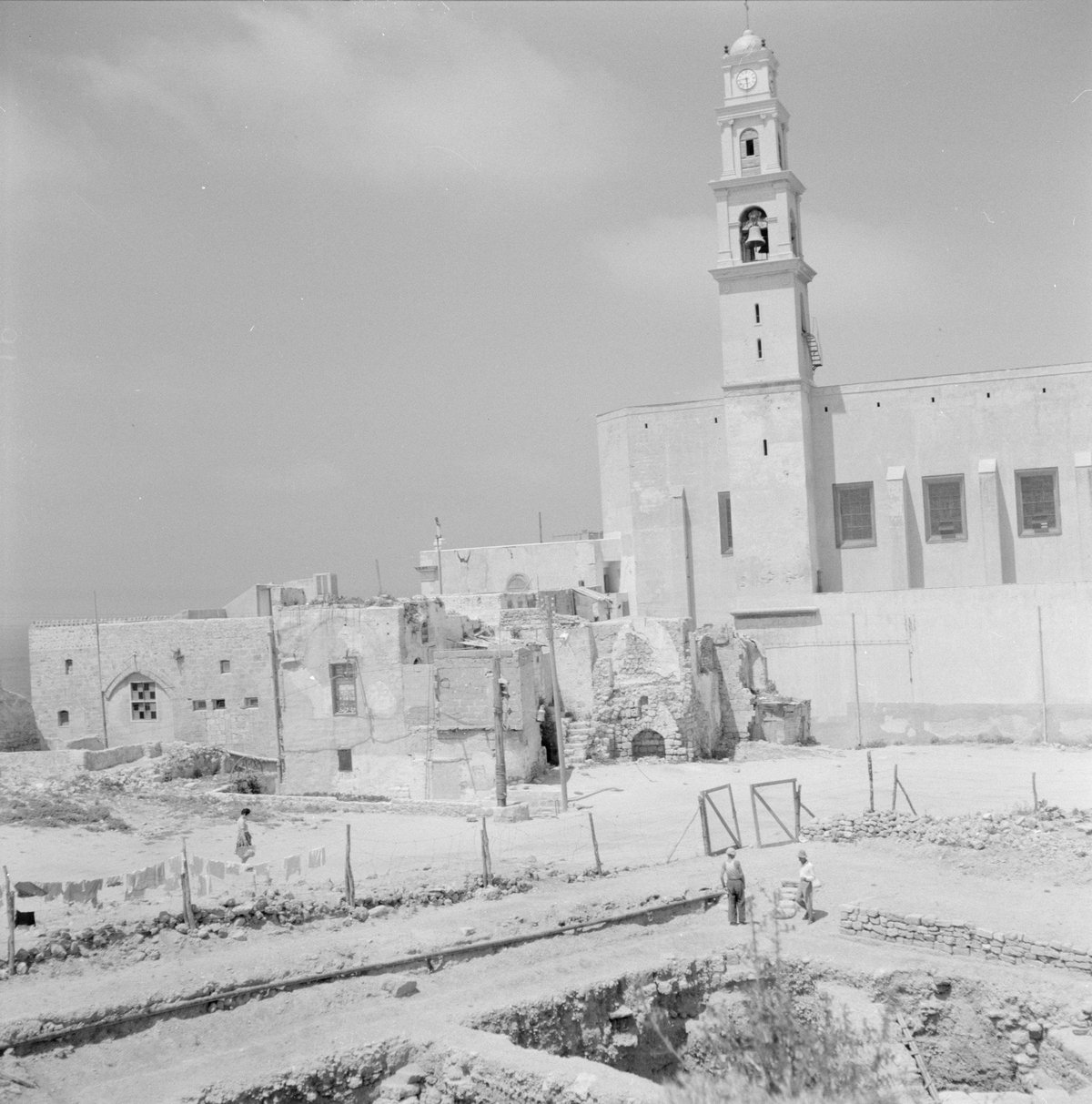
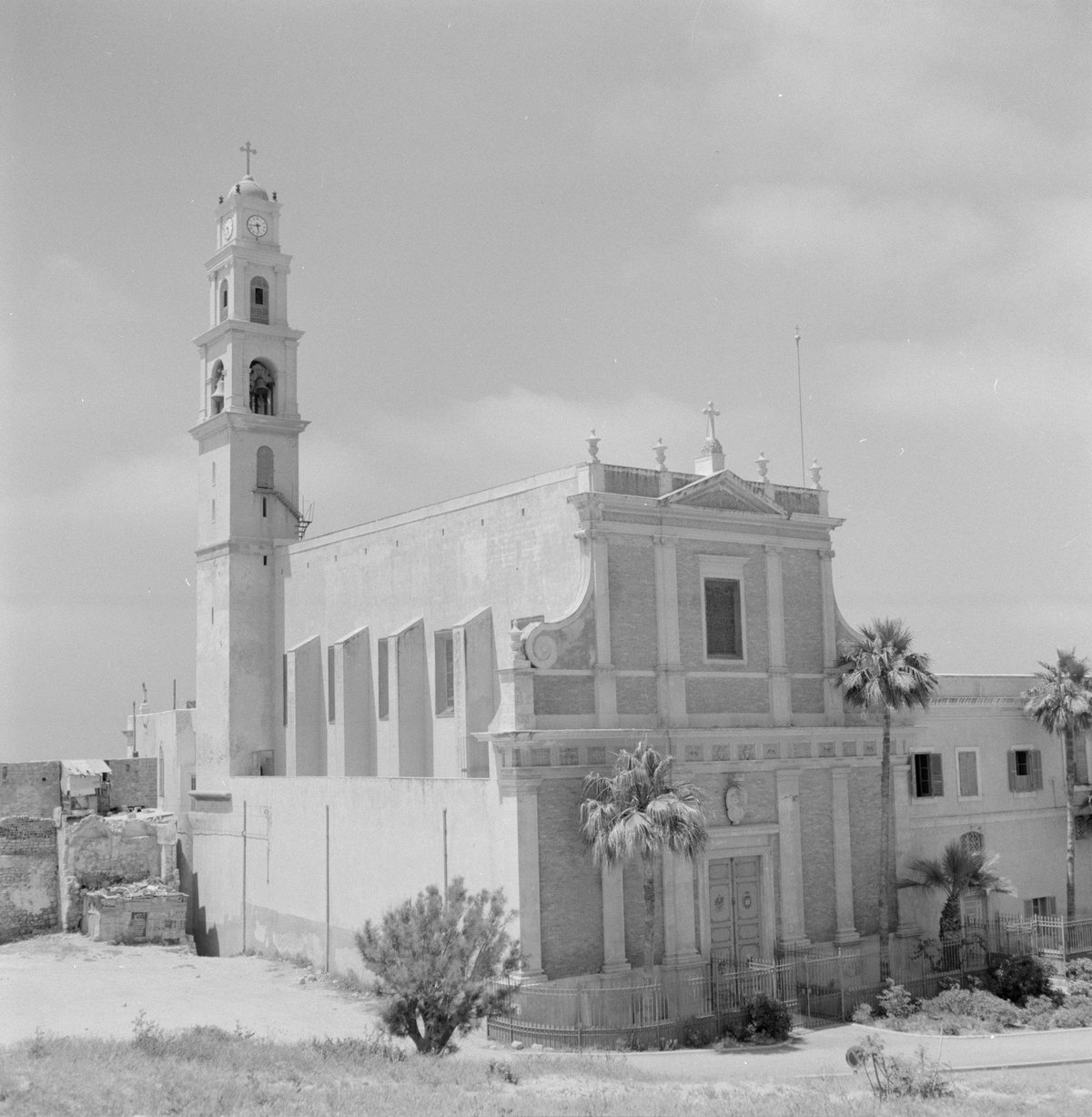
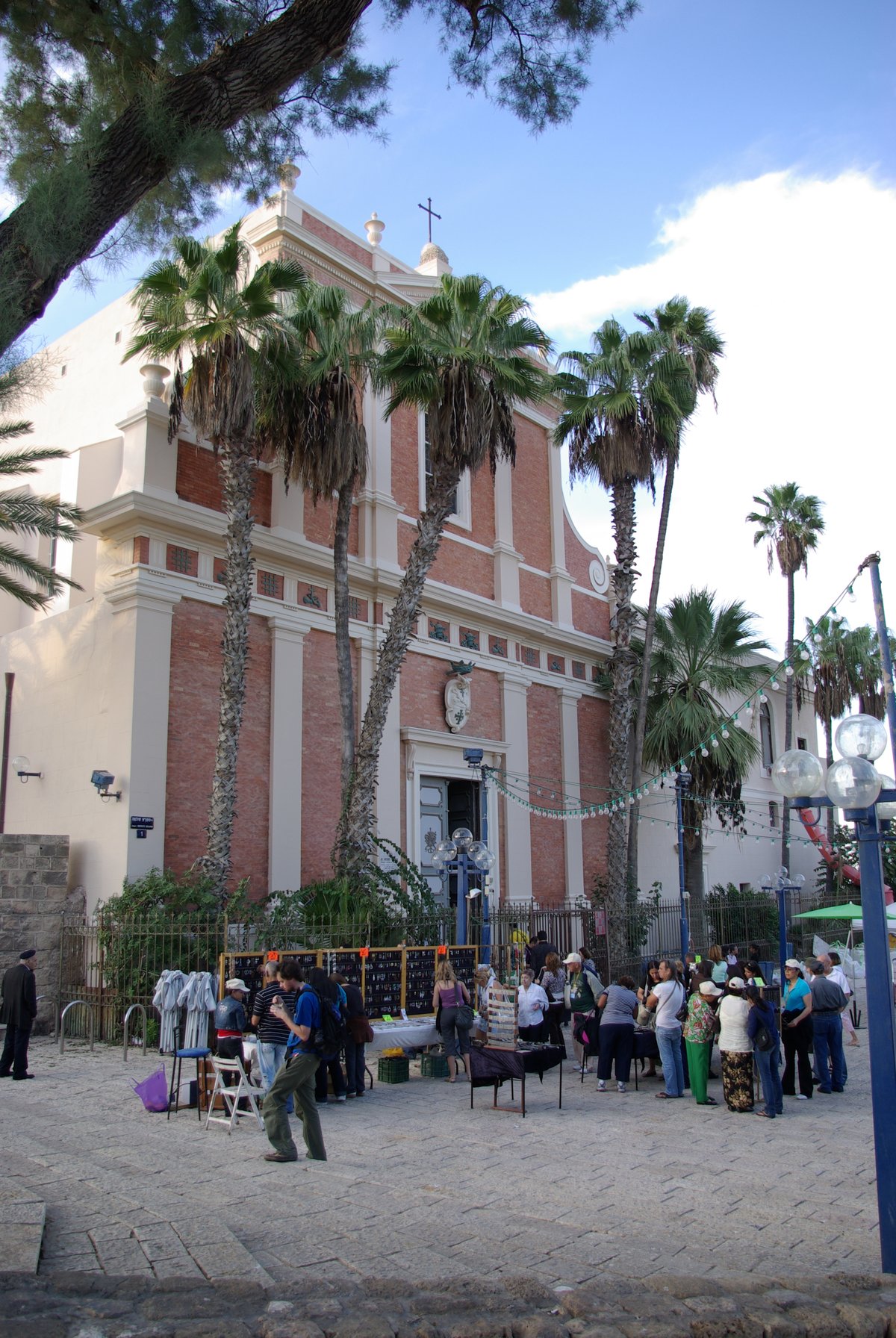
The first church dedicated to St. Peter in Jaffa was constructed by the Franciscan order in 1654, during the Ottoman era. Due to frequent regional conflicts and natural disasters, the structure was rebuilt several times, with the current Baroque and neo-Renaissance edifice completed between 1888 and 1894. Spanish Empire support is evident in the church’s salmon-pink façade and artistic details (templeseeker.com; thenorman.com).
Exterior Design and Symbolism
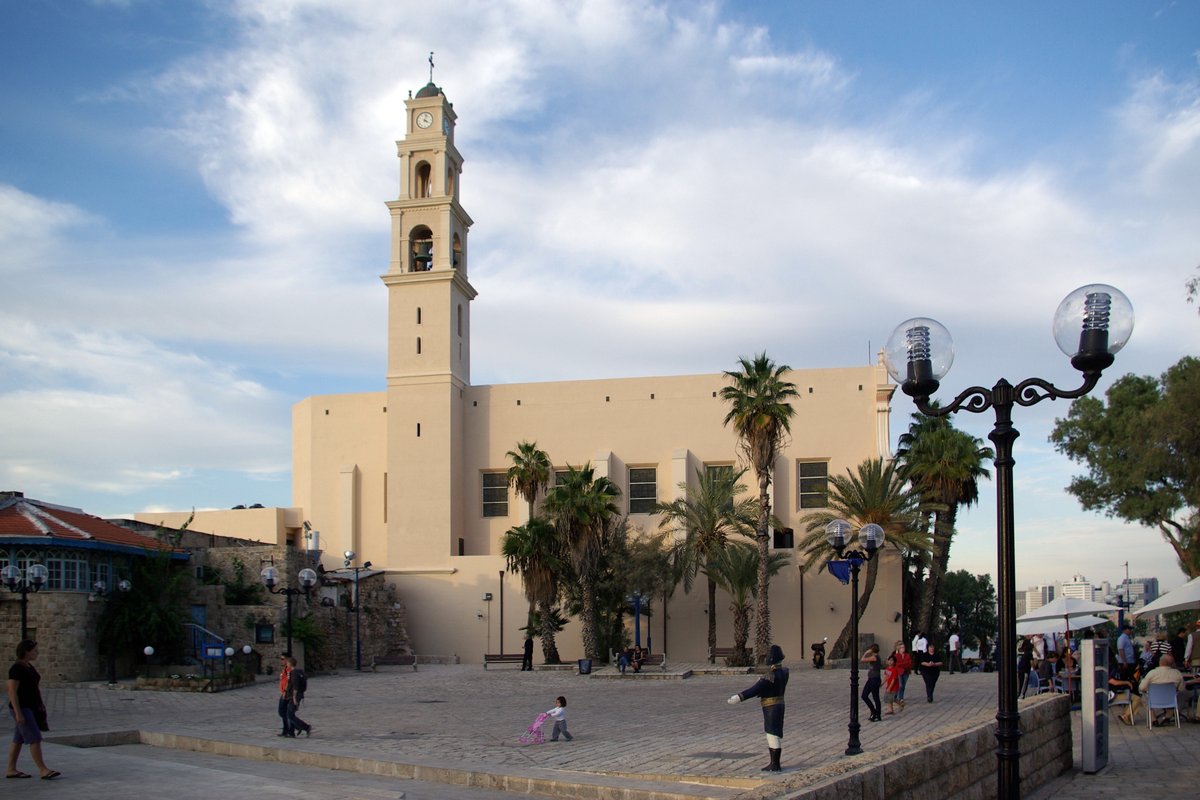
St. Peter’s Church is prominently situated atop a hill overlooking the Jaffa Port, with its bell tower serving historically as a beacon for pilgrims and sailors arriving at the ancient harbor. The church’s westward orientation—unusual among Catholic churches—symbolizes Peter’s outward mission and the biblical narrative of his vision, both of which are linked to the sea and his journey to Rome (beinharimtours.com; dannythedigger.com).
Key features include:
- Salmon-pink façade with white pilasters Reflecting Spanish colonial influences.
- Franciscan emblem above the entrance Symbolizing the order’s custodianship of the Holy Places.
- Crusader-era remnants Some original rooms adjacent to the sacristy and the basement chapel preserve the medieval heritage (biblewalks.com).
Interior Highlights and Artistic Elements
The church’s interior is rich in Baroque artistry:
- Nave with vaulted ceiling Soft hues, gold accents, and decorative moldings create a sense of grandeur (beinharimtours.com).
- Main altar Features a painting of Peter’s vision and is flanked by statues of saints, reflecting the church’s Spanish patronage (dannythedigger.com).
- Stained glass windows Crafted by Franz Xaver Zettler, these depict scenes from Peter’s life, the Immaculate Conception, and Spanish saints (beinharimtours.com).
- Pulpit Carved to resemble the Tree of Life, symbolizing the growth of Christianity.
Natural light from the stained glass fills the nave with vibrant color, enhancing the contemplative atmosphere.
Visiting Hours, Tickets, and Accessibility
- Opening Hours Generally open daily from 8:00 AM to 6:00 PM, but hours can vary during religious holidays and special events. Some sources indicate visiting hours as 9:00 AM–11:45 AM and 3:00 PM–5:00 PM—check the latest updates before your visit (Secret Israel).
- Entry Fees Admission is free. Donations are welcomed to support ongoing preservation and community programs.
- Guided Tours Available in multiple languages; can be arranged via the church office or reputable local tour operators. Audio guides are accessible through the Audiala app.
- Accessibility The main entrance is wheelchair accessible, with ramps and accessible restrooms. Some areas (e.g., Crusader-era rooms) may have limited access due to steps or uneven surfaces.
For the most up-to-date information, contact the church at +972 3-682-2871 or visit the official Franciscan Custody website.
Visitor Tips and Etiquette
- Dress Code Modest attire is required; cover shoulders and knees, and remove hats inside.
- Photography Permitted outside of services; be discreet and respectful, especially during Mass or private prayer.
- Best Times to Visit Early morning or late afternoon for optimal lighting and fewer crowds. Weekdays are typically less busy than weekends or holidays.
- Facilities Restrooms are available in public areas nearby; shops and cafés surround the church for refreshments.
Nearby Attractions
St. Peter’s Church is ideally located for exploring Old Jaffa’s rich tapestry of history and culture:
- Jaffa Port Historic harbor with dining, galleries, and scenic views.
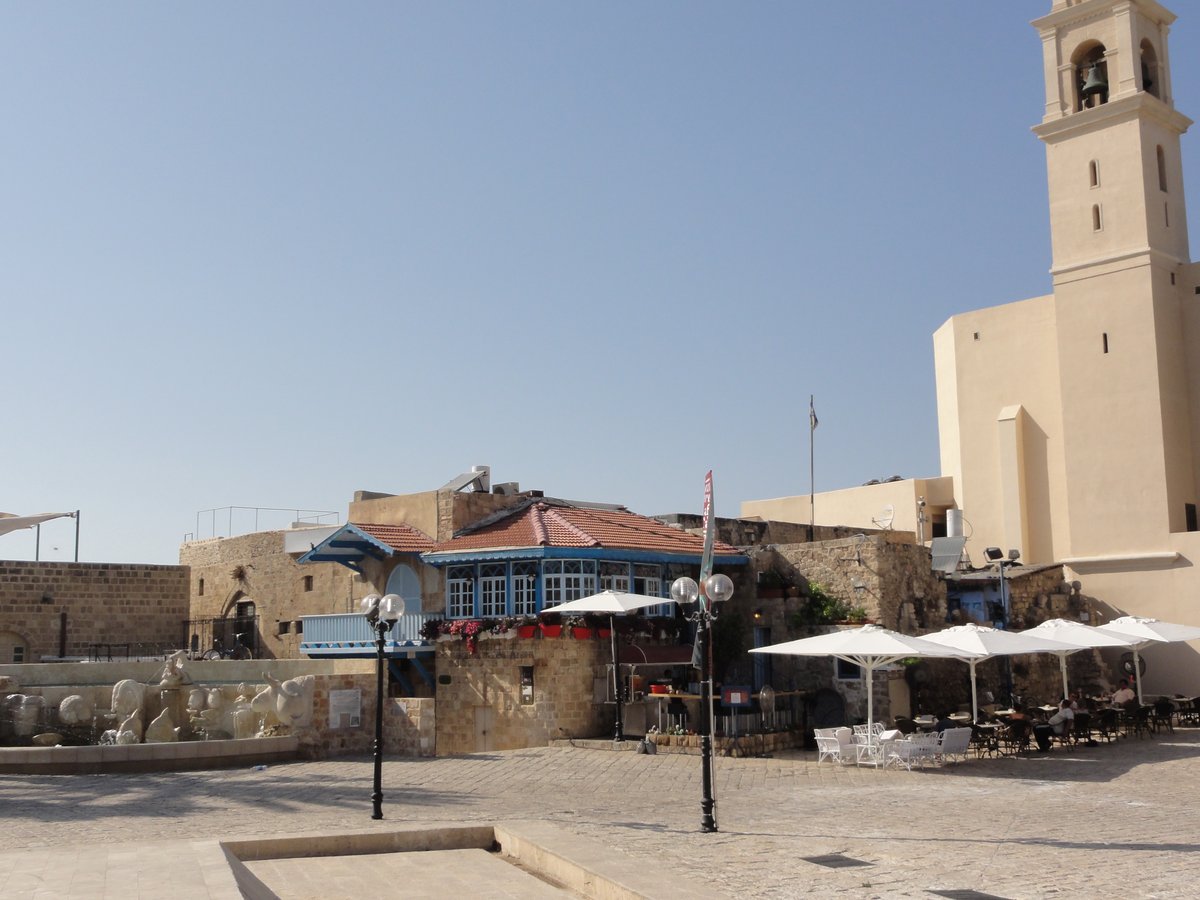
- Kedumim Square Cultural heart of Old Jaffa, home to the Jaffa Museum and Visitor’s Center.
- Simon the Tanner’s House A traditional pilgrimage site commemorating Peter’s vision.
- Jaffa Flea Market and Clock Tower Bustling with local crafts, antiques, and Ottoman-era history (Sea Hotel; Secret Israel).
Religious and Cultural Role
St. Peter’s Church remains an active parish, hosting daily Masses and confessions in several languages. Major Christian festivals such as the Feast of St. Peter (June 29), Christmas, and Easter are observed with processions and music. The church also fosters interfaith dialogue and community engagement, reflecting Jaffa’s multicultural character and coexisting with neighboring Jewish, Muslim, and Orthodox Christian communities (thenorman.com; PlanetWare).
Frequently Asked Questions (FAQ)
Q: What are the visiting hours?
A: Usually 8:00 AM–6:00 PM; occasionally 9:00 AM–11:45 AM and 3:00 PM–5:00 PM. Verify during holidays.
Q: Is there an entry fee?
A: No, entry is free. Donations are appreciated.
Q: Are guided tours available?
A: Yes, in multiple languages, by prior arrangement.
Q: Is the church accessible for visitors with disabilities?
A: Yes, ramps and accessible restrooms are provided.
Q: What attractions are nearby?
A: Jaffa Port, Kedumim Square, Simon the Tanner’s House, Jaffa Flea Market, and the Clock Tower.