
Visiting Hours, Tickets, and Accessibility
- Hours Rabin Square is a public plaza open 24 hours a day, 7 days a week.
- Tickets/Entry Fee The square is free and open to all. Memorial areas and exhibitions are also free to access, though special events, guided tours, or museum visits (such as the Yitzhak Rabin Center) may require tickets or advance registration (Rabin Center).
- Accessibility The square is fully accessible, with wide, paved walkways suitable for wheelchairs and strollers. Public restrooms, benches, shaded areas, and nearby cafes enhance visitor comfort. Robust public transportation options include multiple bus lines and proximity to Tel Aviv’s light rail (Lonely Planet; iTravelTelAviv).
Historical Background
Early Foundations and Urban Vision
Rabin Square’s history is intertwined with Tel Aviv’s early 20th-century expansion and the city’s role as a modern, secular urban center. Originally named Kings of Israel Square (Kikar Malkhei Yisrael), the plaza was established in 1964 alongside the construction of the adjacent City Hall, intended to serve as a focal point for civic gatherings and public events (Wikipedia).
The square’s modernist layout—broad, open, and adaptable—reflects the city’s forward-thinking spirit, shaped by the garden city movement and Bauhaus influences that define Tel Aviv’s “White City” district (Lonely Planet).
The Assassination of Yitzhak Rabin
On November 4, 1995, Prime Minister Yitzhak Rabin was assassinated at the square following a peace rally supporting the Oslo Accords. This tragedy profoundly altered the square’s symbolism; it was renamed Rabin Square in his honor, and a memorial now marks the precise site of the assassination. The event galvanized Israeli society, with tens of thousands gathering in the days following for candlelit vigils and calls for peace (History Hit; History Tools).
Rabin’s final speech is engraved in three languages atop the City Hall steps, serving as a perpetual reminder of his vision (History Hit).
Rabin Square as a Civic and Democratic Forum
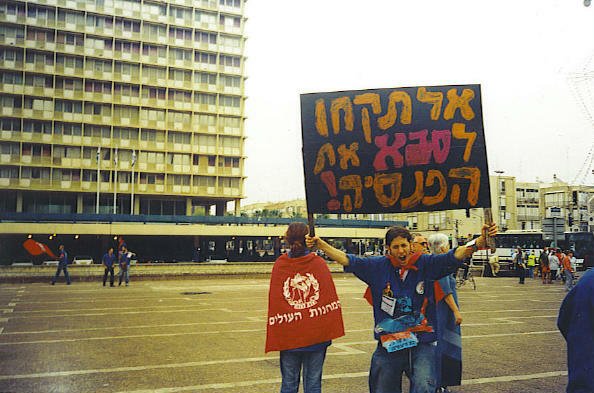
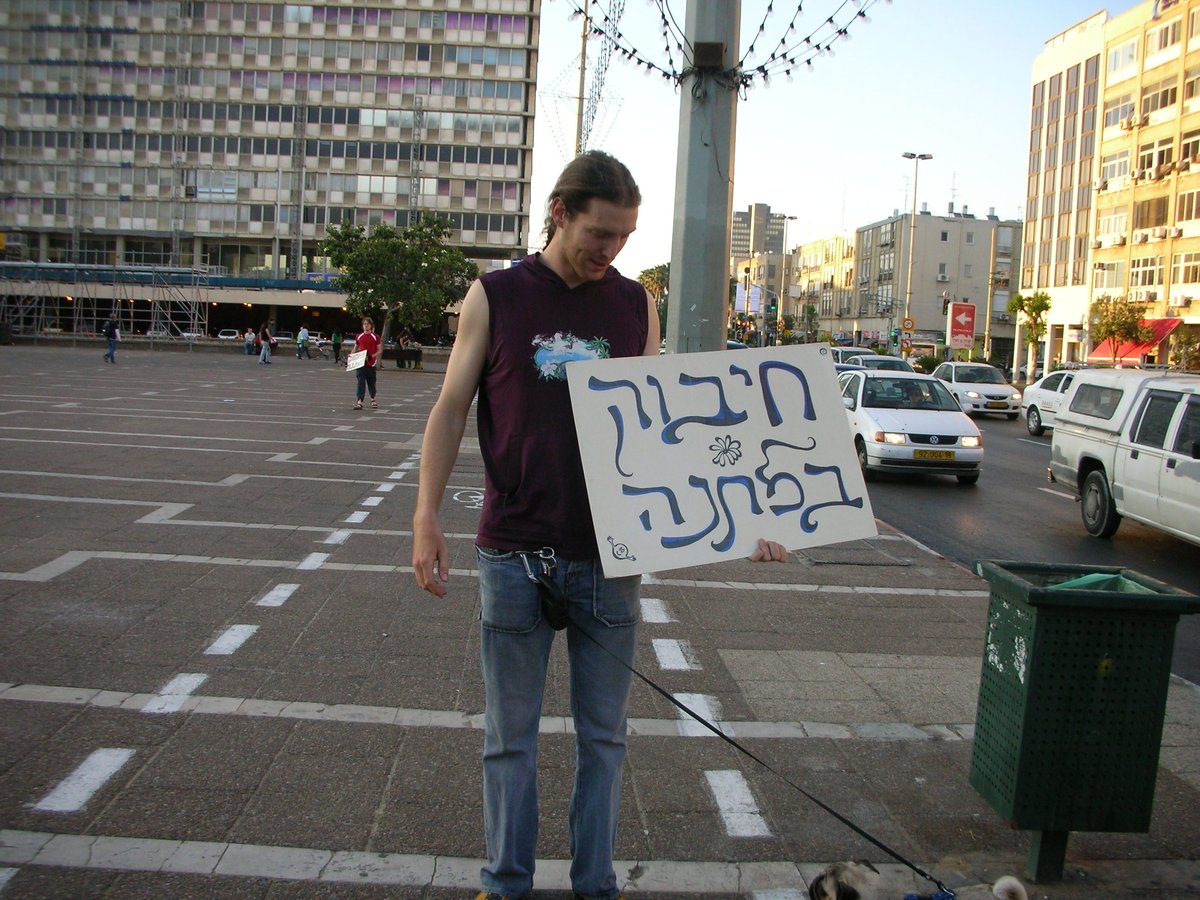
Since the mid-20th century, Rabin Square has been the stage for Israel’s most significant civic events. From Independence Day parades and peace rallies to political protests and cultural festivals, the square is a living forum for democratic expression (+972 Magazine). Notable moments include the 2020 “Black Flags” protest, where thousands demonstrated in compliance with social distancing guidelines during the COVID-19 pandemic, reflecting the square’s ongoing role as a barometer of Israeli society.
While the square’s associations have at times been considered closely tied to the Zionist left and Ashkenazi elite, it remains a critical locus for a broad spectrum of social movements, cultural celebrations, and public discourse (+972 Magazine).
Architectural and Memorial Highlights
Tel Aviv City Hall
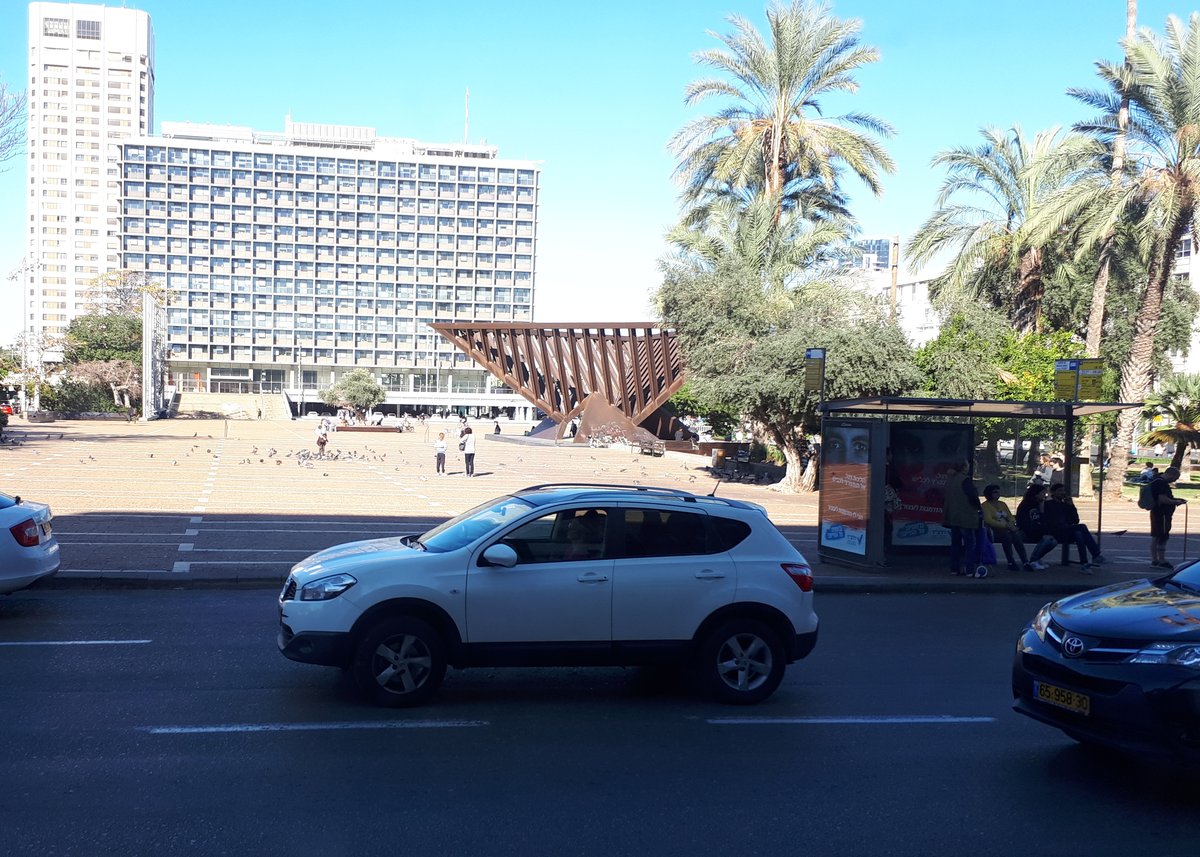
Dominating the square’s northern edge, the Brutalist-style Tel Aviv City Hall is an architectural landmark. Its stark concrete façade is often transformed by vibrant LED displays during national holidays and major events (Time Out).
Memorials
- Yitzhak Rabin Memorial Near City Hall’s entrance, this memorial marks the spot of Rabin’s assassination. It includes a stone marker, preserved graffiti wall, and broken rocks symbolizing societal upheaval (Mukikapup’s Travels).
- Holocaust Memorial by Yigal Tumarkin At the southern end, this geometric, upturned metal triangle forms a Star of David, commemorating Holocaust victims and Jewish resilience (iTravelTelAviv).
- Ecological Pond A tranquil, educational feature with koi fish, lotus flowers, and water vegetation, the pond area offers a restful break from the city (Lonely Planet; Mukikapup’s Travels).
- Fountain An illuminated fountain near the square’s center adds to the ambiance, particularly after dark.
Landscaping
Rows of ficus and poinciana trees, planters, and shaded benches soften the square’s urban character, making it welcoming for both large gatherings and everyday relaxation.
Events, Activities, and Local Culture
Rabin Square hosts a diversity of major public events, including:
- Annual Yitzhak Rabin Memorial On the weekend closest to November 4, tens of thousands gather for ceremonies, speeches, and musical performances (History Tools).
- Tel Aviv Pride Week Each June, the square is a focal point for LGBTQ+ parades and concerts (touristisrael.com).
- Spontaneous Gatherings From massive pillow fights to local art installations, the square serves as a space for creative public expression (spottedbylocals.com).
- Cultural Festivals and Food Fairs Regular markets and performances showcase Tel Aviv’s creative spirit (Time Out Israel).
On most days, the square is a lively backdrop for families picnicking, skateboarders, office workers, and street performers. Evenings see nearby cafés and bars come alive, making it a popular social hub (spottedbylocals.com).
Visitor Experience & Practical Tips
Best Times to Visit
- Spring (March–May) and fall (September–November) offer mild weather and frequent outdoor events (touristplaces.guide).
- June is celebrated for Pride Week but can be crowded and more expensive (globalhighlights.com).
- Summer (July–August) Hot; best to visit early morning or evening.
What to Bring
- Comfortable shoes, sun protection, and a water bottle.
- Camera or smartphone for photos.
- Respectful attire if attending commemorations.
Facilities
- Public restrooms near City Hall.
- Numerous cafés and restaurants, many with outdoor seating.
- Benches and shaded areas for relaxation.
- Free public Wi-Fi in select areas.
Accessibility
- Wide, level walkways accommodate wheelchairs and strollers.
- Well-lit at night; police presence enhances security.
Nearby Attractions
- Dizengoff Street Shopping, dining, and nightlife, 11 minutes’ walk away.
- Tel Aviv Museum of Art A premier art destination, 15 minutes’ walk (touristplaces.guide).
- Carmel Market Bustling food market, 20 minutes on foot or by bus.
- White City (Bauhaus District) UNESCO-listed, easily accessible for architecture enthusiasts.
Frequently Asked Questions (FAQs)
Q: What are Rabin Square’s opening hours?
A: Open 24/7 as a public plaza. Memorial areas generally open from 8:00 AM–8:00 PM.
Q: Is there an entrance fee?
A: No, Rabin Square is free to visit. Some guided tours or events may require tickets.
Q: Are guided tours available?
A: Yes, daily tours are offered by local companies.
Q: How accessible is the square?
A: The square is flat, with wide walkways for wheelchairs and strollers.
Q: What are the best times to visit?
A: Spring and fall for mild weather and frequent events.
Internal Links
- Top 10 Must-Visit Tourist Places in Tel Aviv
- Guide to Tel Aviv Museums and Galleries
- Tel Aviv Public Transportation Guide
External Links
- Israel By Locals - Rabin Square
- Spotted By Locals - Rabin Square
- Bein Harim Tours - Rabin Square
- Lonely Planet - Rabin Square
- Tel Aviv Municipality – Rabin Square Official Page
- Rabin Center
- History Hit – Rabin Square
- Time Out Israel – Rabin Square
- touristplaces.guide – Top 10 Tel Aviv
- trek.zone – Rabin Square
- misstourist.com – Tel Aviv Itinerary
- slavaguide.com – Rabin Square