Historical Background
Origins and Early Development
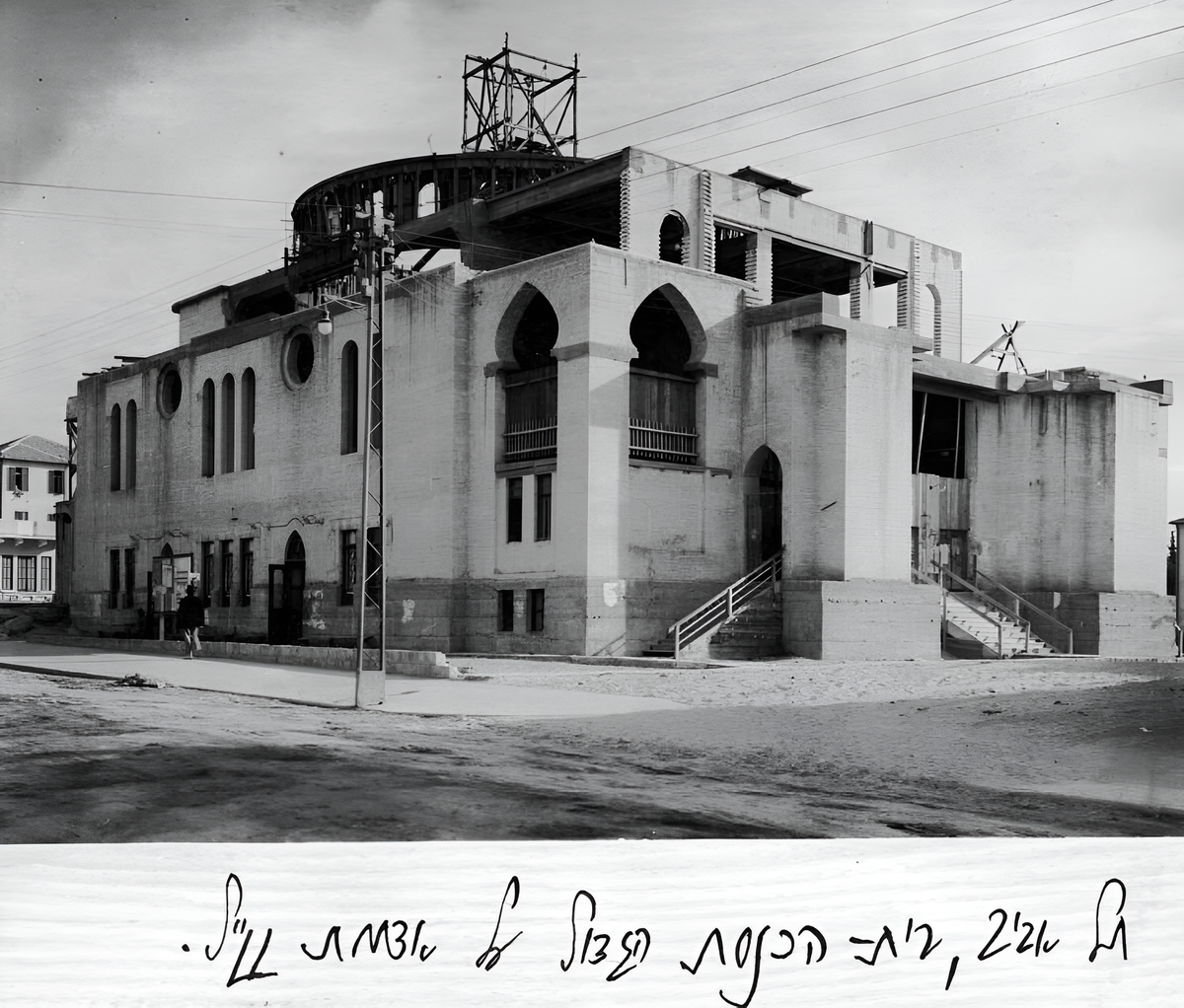
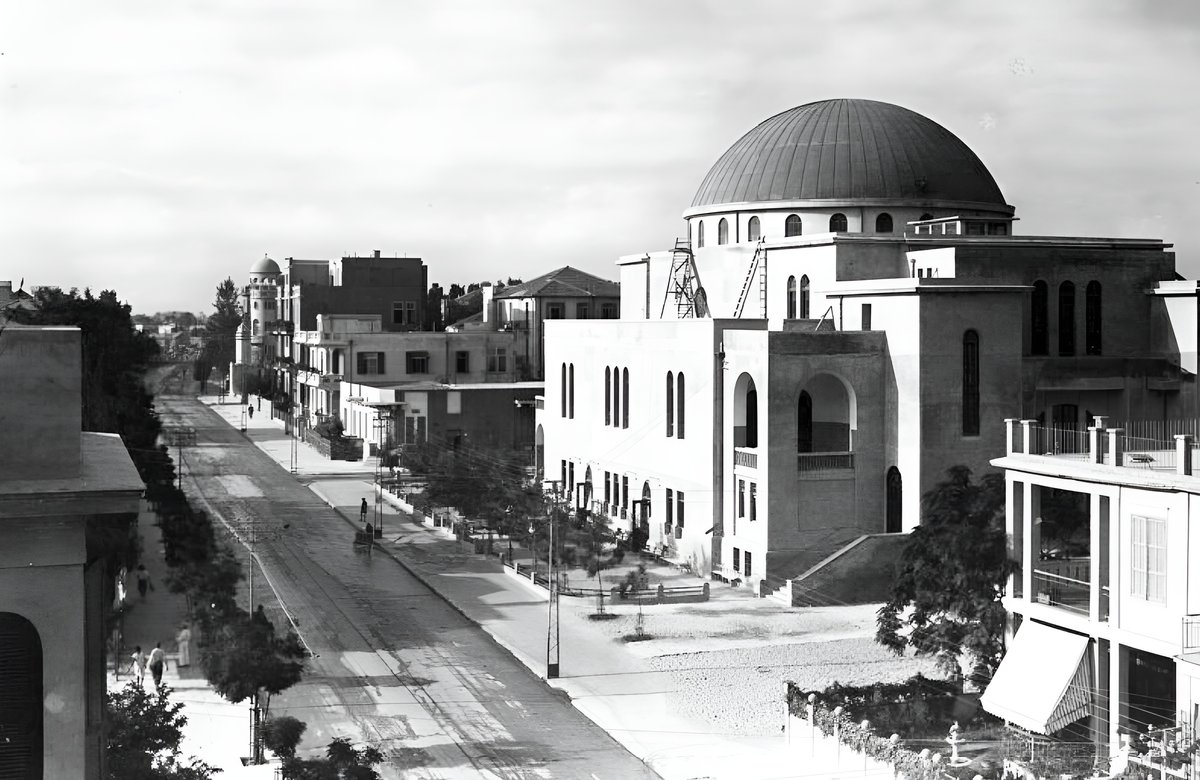
The story of the Great Synagogue is closely linked to the rapid growth of Tel Aviv in the early 20th century. As Jewish populations swelled due to immigration and expulsions from neighboring Jaffa, the need for a central, monumental synagogue became clear. Conceived as a declaration of Jewish permanence in Palestine, the synagogue was completed in 1926 and quickly became the largest in the region, symbolizing both spiritual strength and communal resilience (The Complete Pilgrim).
Architectural Highlights
Exterior and Façade
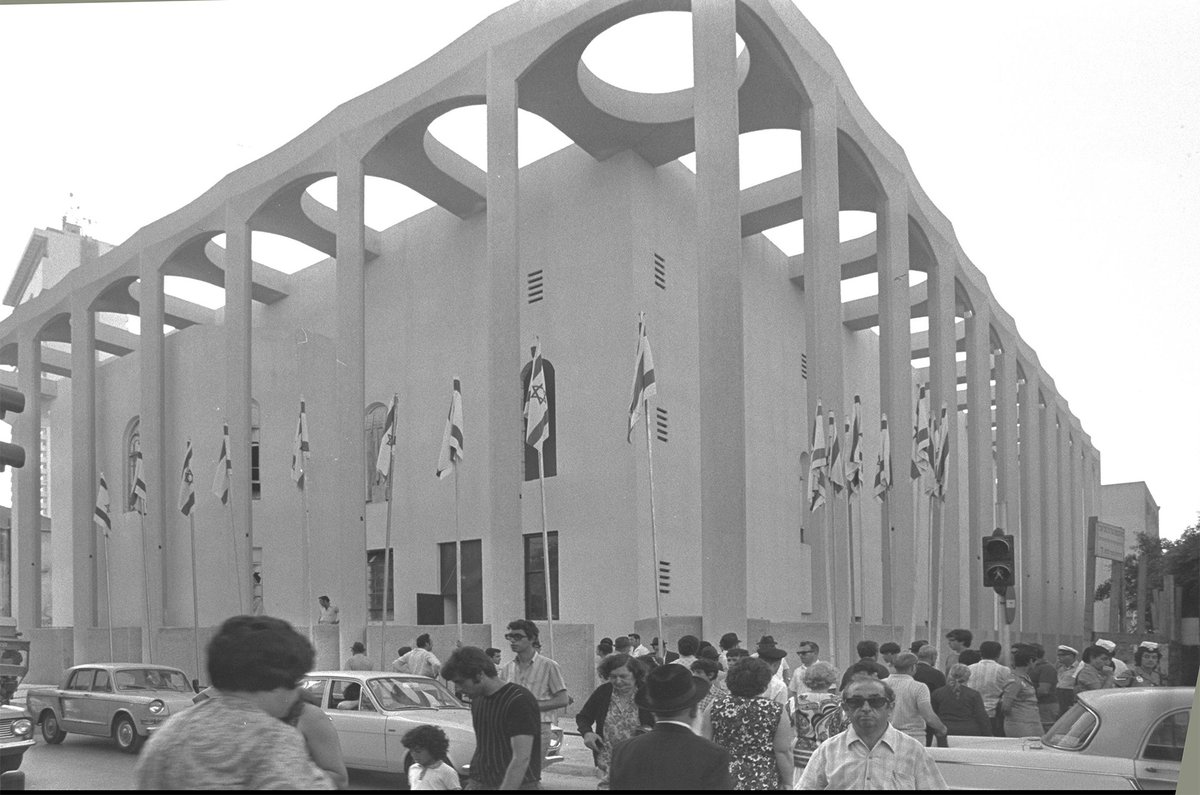
The synagogue’s façade is a harmonious blend of Orientalist and classical influences, marked by tall rounded arches and robust columns. The large central dome—visible from afar—crowns the structure, while renovations and ongoing restoration efforts strive to restore and highlight the original 1920s silhouette (Israel by Locals, Israel Hayom).
Interior
Inside, the sanctuary is organized around a central nave with flanking galleries, and features an elaborately decorated bimah and aron kodesh. Stained glass windows, remodeled in the 1970s to honor synagogues destroyed in the Holocaust, infuse the space with historical memory and natural light, while symbolic motifs—such as the Tablets of the Law and the Star of David—adorn the sanctuary.
Restoration
A major restoration project, funded by generous donations and the Tel Aviv Municipality, is underway to return the synagogue to its original grandeur, including dome restoration and the transformation of the adjacent square into a welcoming public space (Israel Hayom).
Cultural and Communal Role
From its inception, the Great Synagogue was far more than a house of worship—it was a communal hub, hosting religious services, state ceremonies, and cultural events. It has played host to notable figures, including Israeli presidents and prime ministers. Today, it continues to bridge Tel Aviv’s religious traditions with its secular, cosmopolitan spirit, hosting prayer services, concerts, lectures, and public gatherings (The Complete Pilgrim).
Visiting Information
Hours & Tickets
- Weekdays (Sunday–Thursday) 9:00 AM – 5:00 PM
- Friday Closed for non-service visitors
- Saturday (Shabbat) 8:30 AM service (visitors welcome during services)
- Jewish Holidays Hours vary; check the official website for updates
Admission: Free for prayer and general visits. Guided tours may require advance booking and a nominal fee.
Accessibility
The Great Synagogue is wheelchair accessible, featuring ramps and elevators for visitors with mobility needs. Some upper galleries may have limited access; visitors with specific needs should contact the synagogue before visiting (visit-tlv.com).
Dress Code & Visitor Etiquette
- Men Long pants and collared shirt; kippah (provided at entrance).
- Women Modest dress covering knees and shoulders; head covering recommended.
- General Avoid shorts, sleeveless tops, and revealing clothing. Please respect the sanctity of the space by silencing phones and refraining from photography during services (shunvogue.com).
Guided Tours & Events
Guided tours provide in-depth insight into the synagogue’s history, architecture, and cultural significance. Tours can be booked in advance, especially for groups, and are highly recommended. Special events—concerts, lectures, and holiday celebrations—are hosted throughout the year (evendo.com, sea-hotel.co.il).
Nearby Attractions & Travel Tips
- White City UNESCO World Heritage Site renowned for Bauhaus architecture.
- Neve Tzedek Charming historic neighborhood with boutiques and cafes.
- Carmel Market Bustling market for local foods and crafts.
- Bialik Street & Square Bauhaus gems and museums.
- Rothschild Boulevard Iconic Tel Aviv thoroughfare.
Getting There: The synagogue is easily accessible by foot, public transport, or taxi from most central locations. Parking is limited; public transport is recommended (evendo.com).
Visuals and Media
Virtual Tour of the Great Synagogue of Tel Aviv
Frequently Asked Questions (FAQ)
Q: What are the synagogue’s visiting hours?
A: Generally Sunday–Thursday, 9:00 AM–5:00 PM; Shabbat services at 8:30 AM. Hours may vary on holidays.
Q: Is admission free?
A: Yes, general admission is free. Guided tours may have a fee.
Q: Are guided tours available?
A: Yes, by advance booking.
Q: Is the synagogue accessible for people with disabilities?
A: Yes, with ramps and elevators. Some upper areas have limited access.
Q: What is the dress code?
A: Modest attire and head coverings (kippah for men).
Q: Can I take photos inside?
A: Yes, outside of services and with respect for worshippers’ privacy.