Historical Background and Foundation
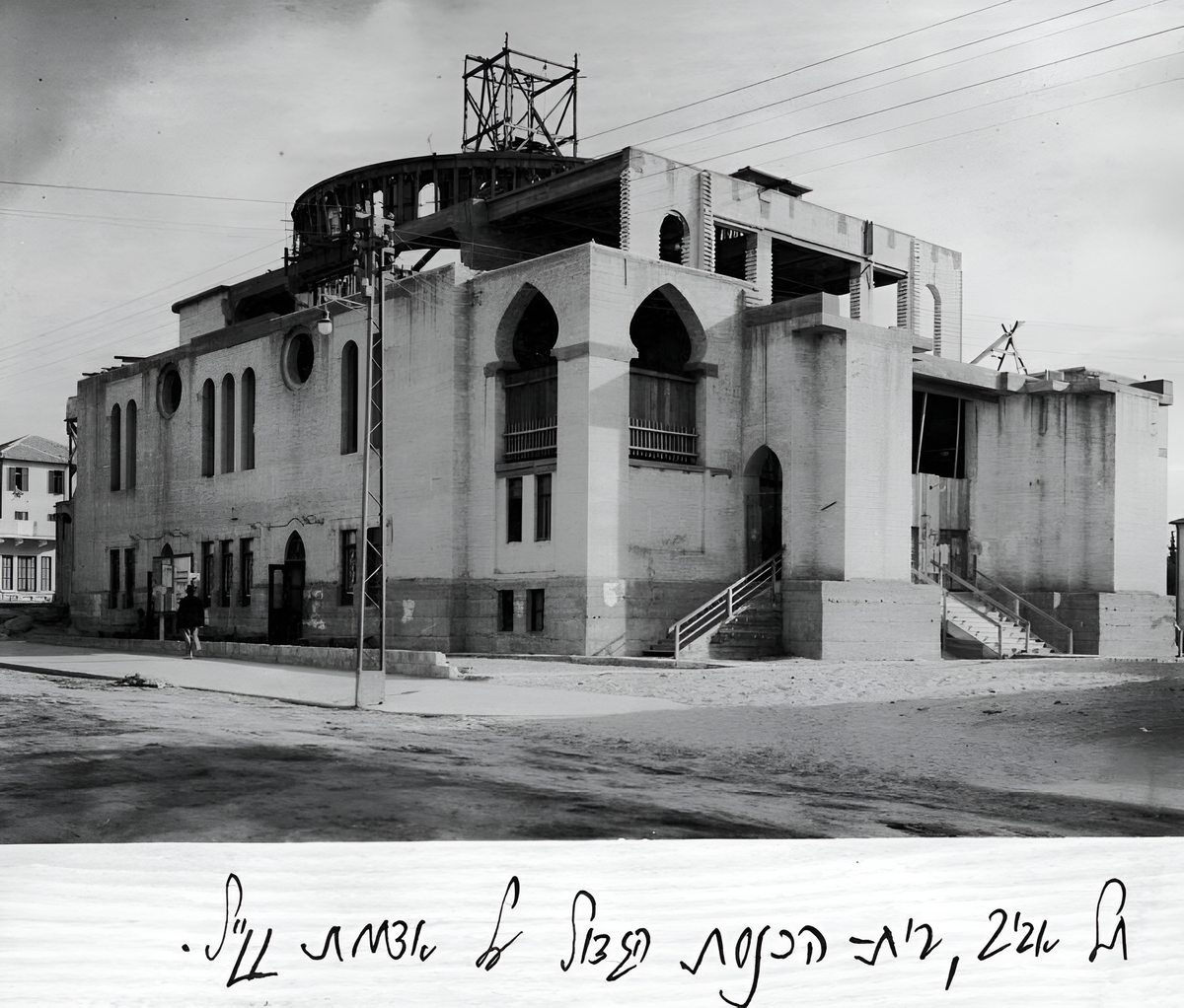
Saint Anthony Catholic Church was erected in 1932 to address the needs of Jaffa’s growing Catholic community during the British Mandate era (Wikipedia; Latin Patriarchate of Jerusalem). It is dedicated to Saint Anthony of Padua, a 13th-century Franciscan friar celebrated for his deep faith and miracles. The church’s establishment signifies the longstanding Franciscan and Latin Catholic presence in the Holy Land and reflects the multicultural fabric of Jaffa, a crossroads of civilizations for millennia.
Architectural Significance
Saint Anthony Catholic Church is a rare example of Gothic Revival architecture in the region (Time Out Israel; ibnbattutatravel). Its most distinctive features include:
- Clock Tower A vertical landmark, historically serving Jaffa as a public timekeeper.
- Façade Pointed arches, lancet windows, and buttresses echo European ecclesiastical design.
- Interior Vaulted ceilings, stained glass, and a spacious nave contribute to an atmosphere of light and tranquility.
Additionally, the adjacent Terra Sancta High School, managed by the Franciscan Custody of the Holy Land, highlights the church’s educational mission (Custodia Terrae Sanctae).
Community Role and Multicultural Engagement
Saint Anthony Catholic Church is a spiritual and social nucleus for Jaffa’s Catholics, including local Arab Christians and a significant number of foreign workers, particularly from the Philippines and India (Wikipedia; Israel in Photos). Services are conducted in several languages, and the church organizes community programs, educational initiatives, and interfaith events. The Terra Sancta schools further promote social cohesion and interfaith understanding in the broader Jaffa community (Custodia Terrae Sanctae).
Events and Notable Figures
The church is the site of significant religious celebrations, notably the feast day of Saint Anthony on June 13, which attracts worshippers from across Israel and abroad. The parish is led by Franciscan priests committed to fostering interfaith dialogue and supporting marginalized communities, including migrants and refugees (Latin Patriarchate of Jerusalem).
Context within Jaffa’s Religious Landscape
Jaffa is one of the world’s oldest port cities and a prominent religious crossroads. Saint Anthony Catholic Church sits among other major landmarks, such as Saint Peter’s Church and the Maronite Church, contributing to an atmosphere of religious diversity and ecumenical cooperation (The Norman Tel Aviv). Its location near the Jaffa Flea Market and Old Port further enhances its accessibility and appeal to visitors.
Visitor Information
Visiting Hours and Admission
- Daily 8:00 AM – 6:00 PM
- Admission Free; donations welcomed for church upkeep and community programs
Accessibility
- Wheelchair-accessible entrances and restrooms
- Assistance available upon request
Directions and Transportation
- Address 51 Yefet Street, Jaffa, Tel Aviv
- Public Transport Multiple bus lines stop nearby. Use the Rav Kav smartcard for easy travel (Trek Zone).
- Parking Limited in Old Jaffa; recommended to use nearby lots and walk
Guided Tours and Photography
- Tours Available by advance booking through the parish office or local operators; multilingual guides offered
- Photography Permitted outside of liturgical celebrations; avoid flash and be respectful of worshippers
Best Time to Visit
- Early mornings or late afternoons for optimal lighting and quieter atmosphere
- Special events and festivals (e.g., Feast of Saint Anthony) provide immersive experiences
Dress Code and Etiquette
- Modest attire (shoulders and knees covered)
- Silence and respect during services
- Remove hats upon entering
Nearby Attractions
- Jaffa Flea Market
- Jaffa Clock Tower
- Saint Peter’s Church
- Jaffa Port and promenade
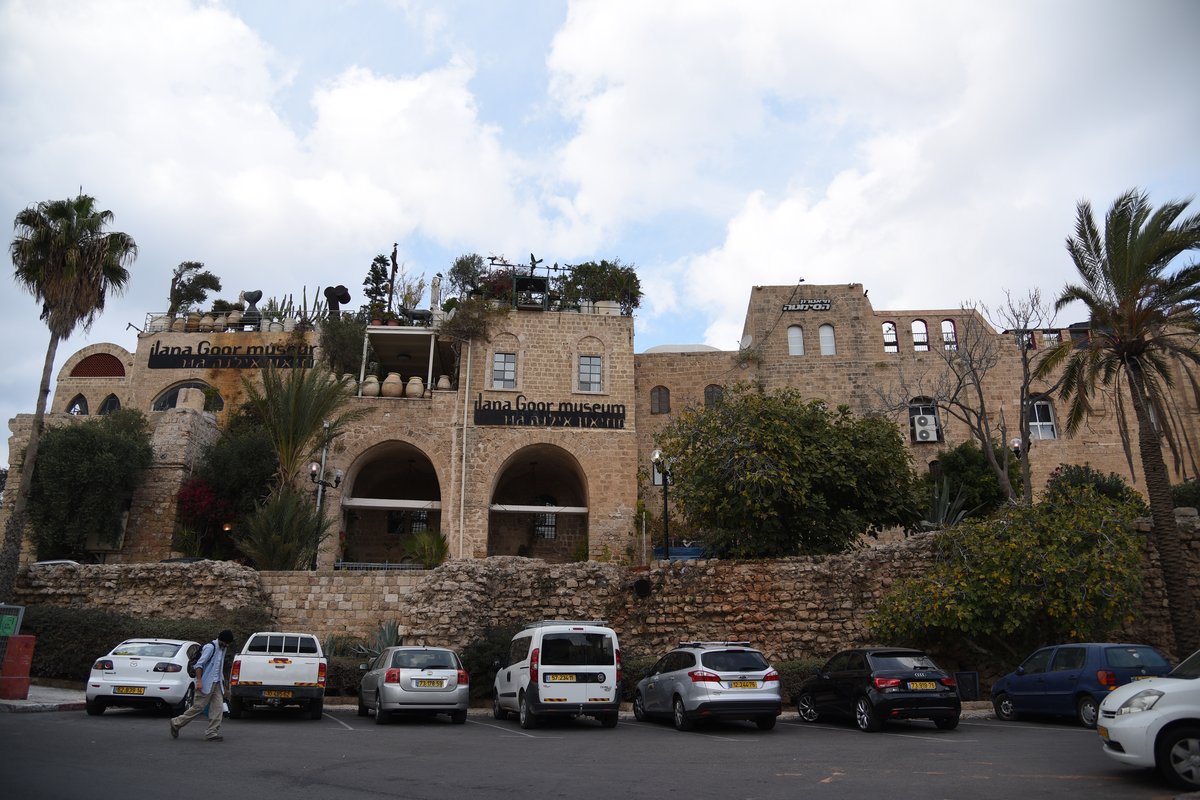
- Ilana Goor Museum (Misstourist)
Frequently Asked Questions (FAQ)
Q: What are the church’s visiting hours?
A: Open daily from 8:00 AM to 6:00 PM.
Q: Is there an entrance fee?
A: No, entry is free; donations are appreciated.
Q: Are guided tours available?
A: Yes, arrange in advance through the parish office.
Q: Is the church wheelchair accessible?
A: Yes, with ramps and accessible facilities.
Q: Can I attend Mass in English?
A: Yes, English services are held several times a week (Weekday Masses).
Q: Is photography allowed?
A: Yes, except during services or if otherwise indicated by staff.