
Historical Background and Transformation
Origins and Founding
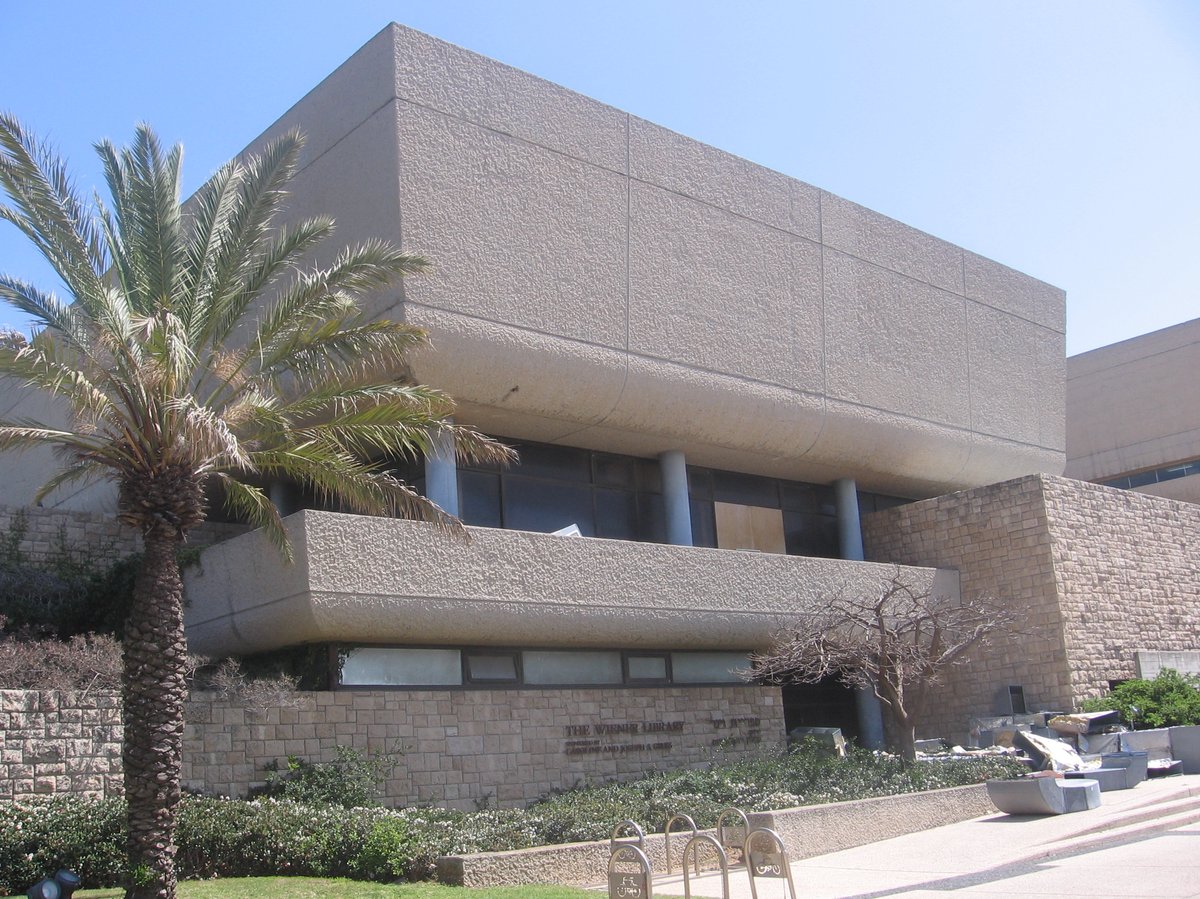
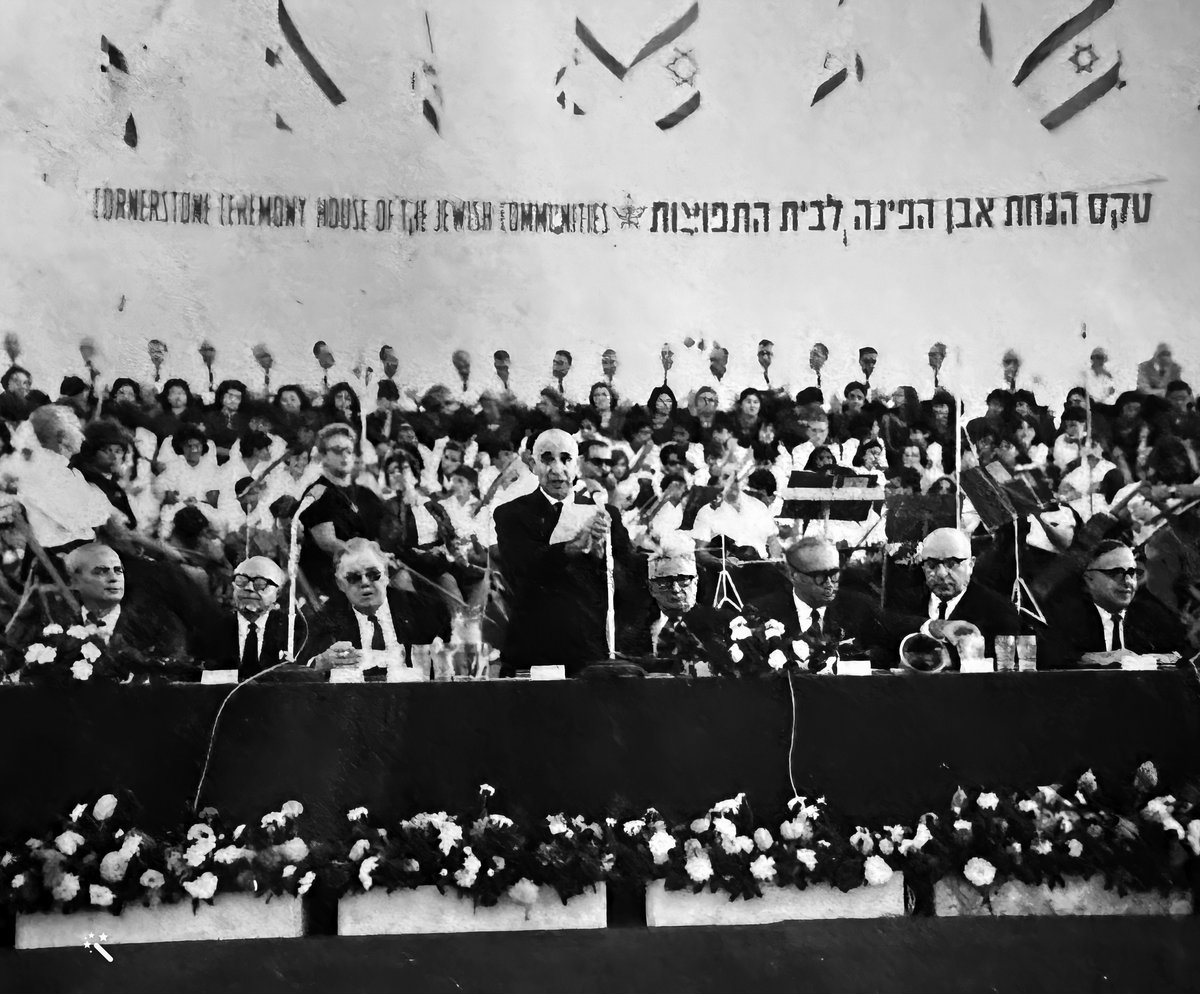
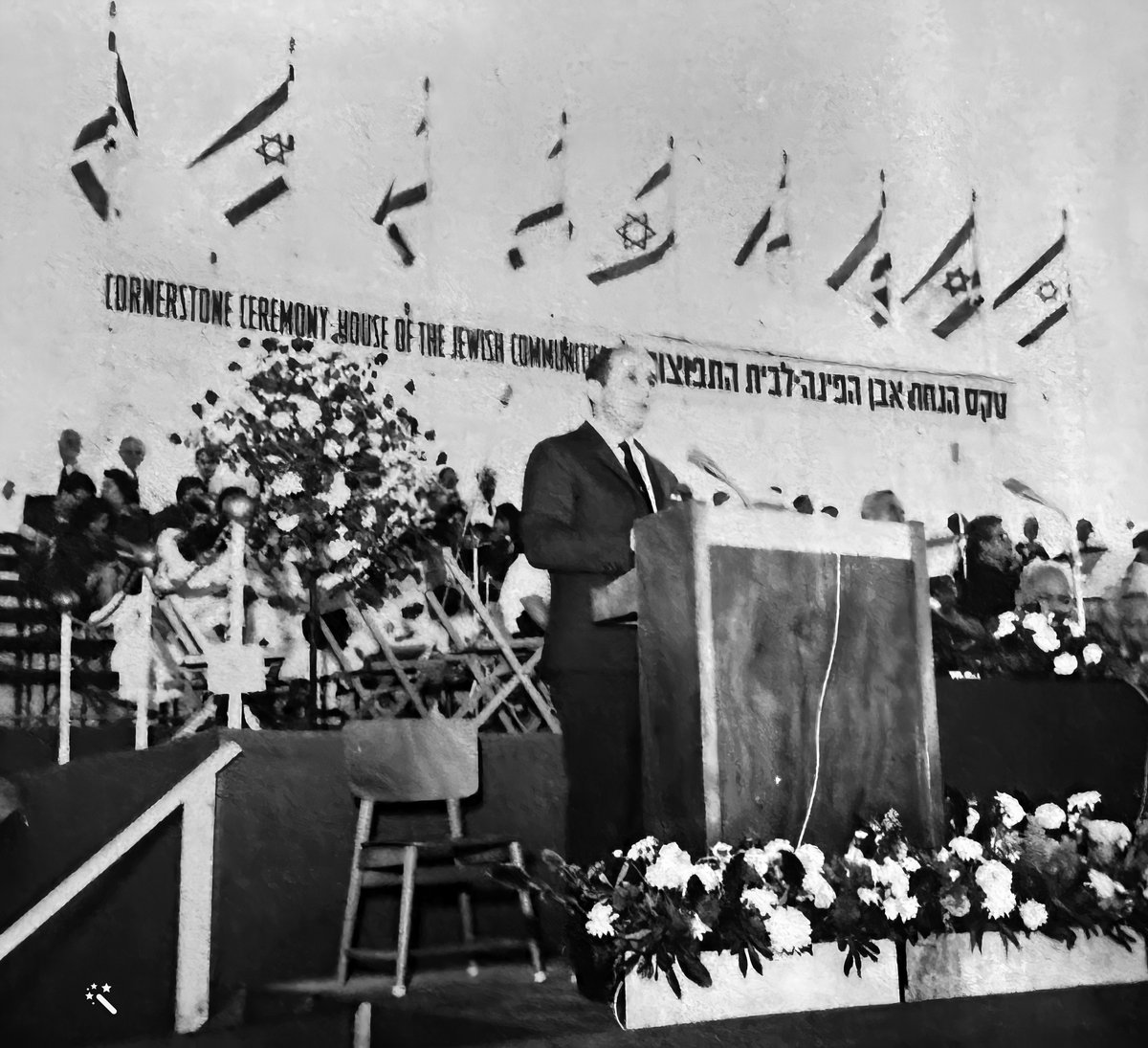
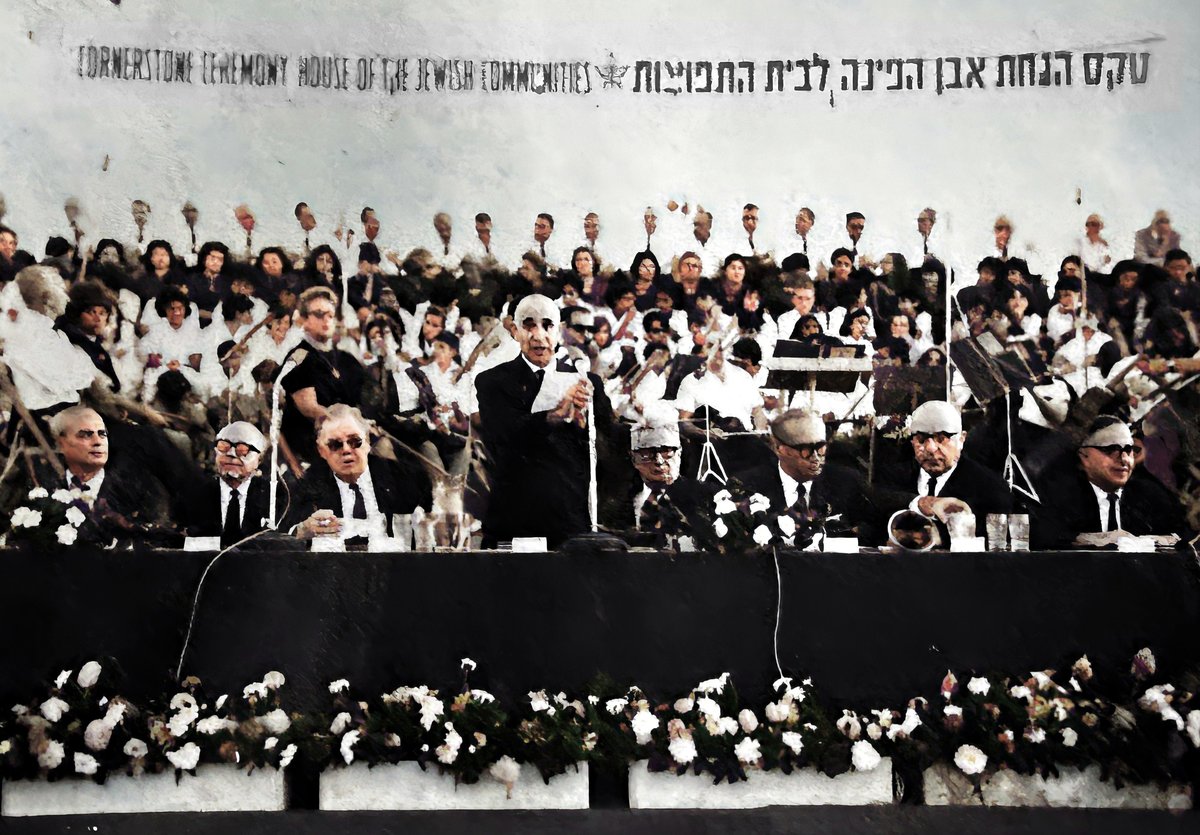
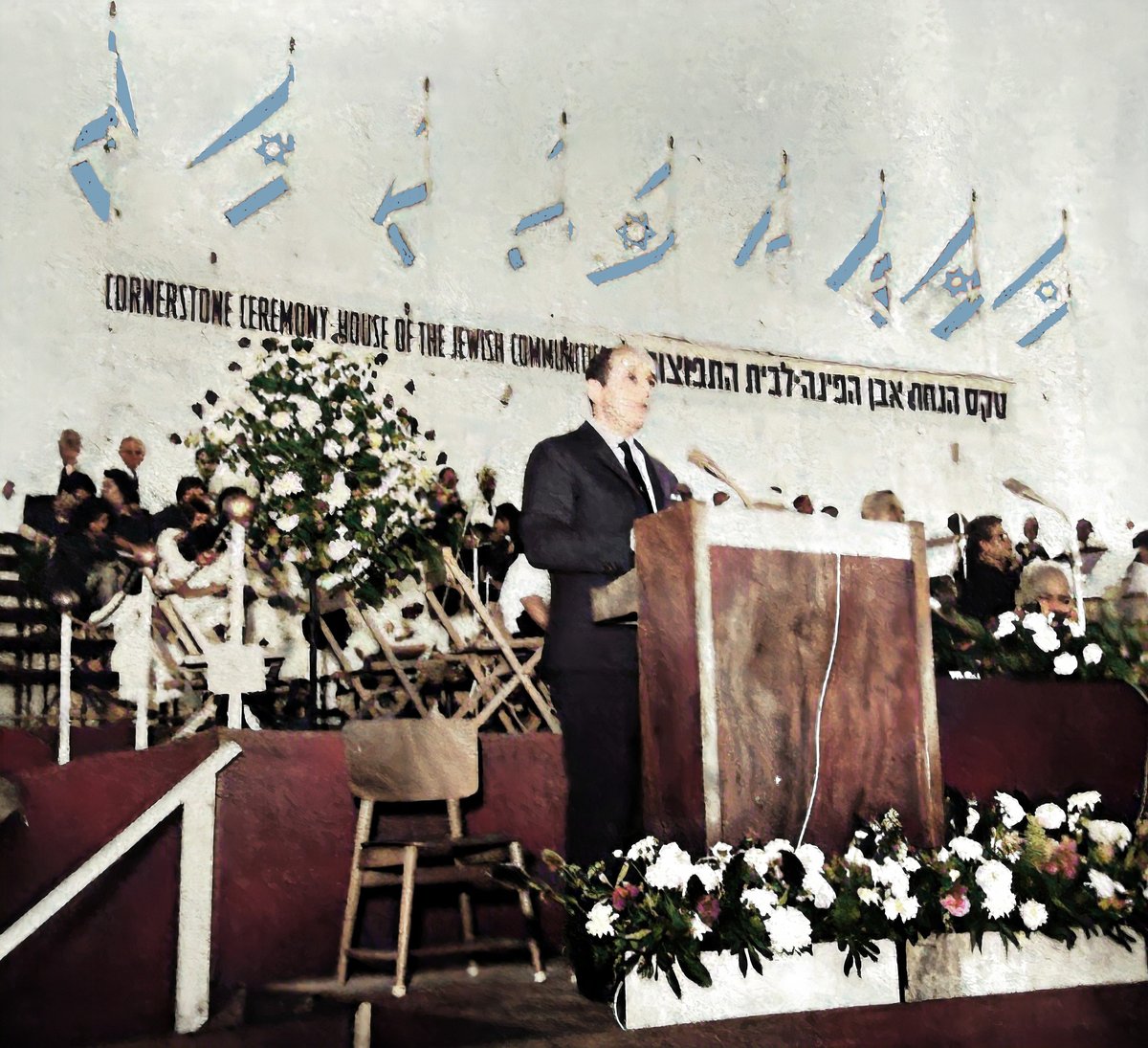
Beit Hatfutsot, inaugurated in 1978, was conceived as a living memorial to Jewish resilience and creativity in the diaspora, inspired by the vision of Dr. Nahum Goldmann. The museum stood apart in its global perspective, documenting the lived experiences, cultural traditions, and achievements of Jewish communities worldwide, rather than focusing solely on Israeli history. Its mission was to connect Jews everywhere to their shared heritage and foster a sense of unity (Jewish Virtual Library, ISRAEL21c).
Reimagining as ANU
By the early 2000s, the need arose to update the museum’s narrative and technology to reflect contemporary Jewish life and museological standards (Tablet Magazine). A decade-long, $100 million renovation culminated in the museum’s 2021 reopening as ANU (“We” in Hebrew), signifying an inclusive, forward-looking ethos. The expanded museum tripled its gallery space, adding new exhibitions and interactive elements to embrace the full spectrum of Jewish identity and creativity (ANU Museum Official Site).
Conceptual and Curatorial Vision
ANU’s transformation shifted the museum’s narrative from focusing on victimhood and exile to celebrating flourishing, diversity, and contemporary Jewish life. Its curatorial approach highlights the mosaic of Jewish cultures—Ashkenazi, Sephardi, Mizrahi, Ethiopian, and more—emphasizing both unity and difference. The museum incorporates modern technology and multimedia storytelling, offering visitors personalized, interactive experiences, such as virtual kitchens, genealogy centers, and digital archives (Tablet Magazine; ISRAEL21c).
Museum Architecture and Layout
The reimagined ANU museum spans three main floors:
- Third Floor – “The Mosaic” Showcases modern Jewish identity, culture, and contributions to arts, science, and society, featuring artifacts from Leonard Cohen’s guitar to Ruth Bader Ginsburg’s collar.
- Second Floor – “The Journey” Chronicles the historical experiences of Jews across different eras and regions, highlighting connections across time and place.
- First Floor – “Foundations” Explores the spiritual, ideological, and universal messages of Jewish existence, such as the Sabbath and the influence of biblical texts.
Other highlights include the Alfred H. Moses Synagogue Hall with scale models of synagogues worldwide, a panoramic rooftop terrace, and spaces for rotating exhibitions (ISRAEL21c).
Visiting Hours and Ticket Information
General Visiting Hours:
- Sunday–Wednesday: 10:00 AM – 5:00 PM
- Thursday: 10:00 AM – 8:00 PM (extended hours)
- Friday: 10:00 AM – 2:00 PM
- Saturday: 10:00 AM – 5:00 PM
- Closed on Jewish holidays (verify on official website)
Ticket Prices (as of 2025):
- Adults: 52–60 ILS
- Students/Seniors: 42–44 ILS
- Children under 18: Free
- Discounted rates for groups, soldiers in uniform, and persons with disabilities
Purchase:
Tickets are available online via the official website and at the museum entrance. Online booking is advised during peak periods.
Accessibility and Travel Tips
- Location 2 Klausner Street, Tel Aviv University, Ramat Aviv
- Transport Accessible by train (Tel Aviv University station), multiple bus lines, and by car (limited parking available)
- Accessibility Fully wheelchair accessible, with ramps, elevators, accessible restrooms, and audio guides in multiple languages.
- Guided Tours Offered in several languages; advance booking is recommended.
- Facilities Café, gift shop, free Wi-Fi, lockers, and comfortable rest areas
- Security Campus security includes ID and bag checks.
Travel Tip:
Combine your visit with nearby attractions such as the Eretz Israel Museum or the Tel Aviv University Botanical Gardens for a full day of culture and history.
Visitor Experience and Highlights
ANU’s exhibitions are designed for all ages, blending historical depth with interactive technology. Families enjoy hands-on activities and the “Heroes” children’s exhibit, while genealogy enthusiasts can explore their roots at the Douglas E. Goldman Jewish Genealogy Center. The museum’s inclusive programming celebrates Jewish life in all its forms, from ancient artifacts to contemporary art, and its rooftop terrace offers sweeping views of the city.
Photographic Spots:
Don’t miss the Synagogue Hall models and the rooftop terrace for memorable photos.
Frequently Asked Questions (FAQ)
Q: What are the ANU Museum visiting hours?
A: Sunday–Wednesday 10:00–17:00, Thursday 10:00–20:00, Friday 10:00–14:00, Saturday 10:00–17:00. Always check the official website for updates.
Q: How much are tickets?
A: Adults: 52–60 ILS, Students/Seniors: 42–44 ILS, Children under 18: Free.
Q: Are guided tours available?
A: Yes, in multiple languages; book in advance.
Q: Is the museum accessible for visitors with disabilities?
A: Yes, the museum is fully accessible.
Q: Can I take photos inside?
A: Yes, for personal use except in some temporary exhibitions.
Q: Are there family-friendly exhibits?
A: Absolutely; many interactive displays and children’s exhibitions are available.