Historical Background and Symbolic Location
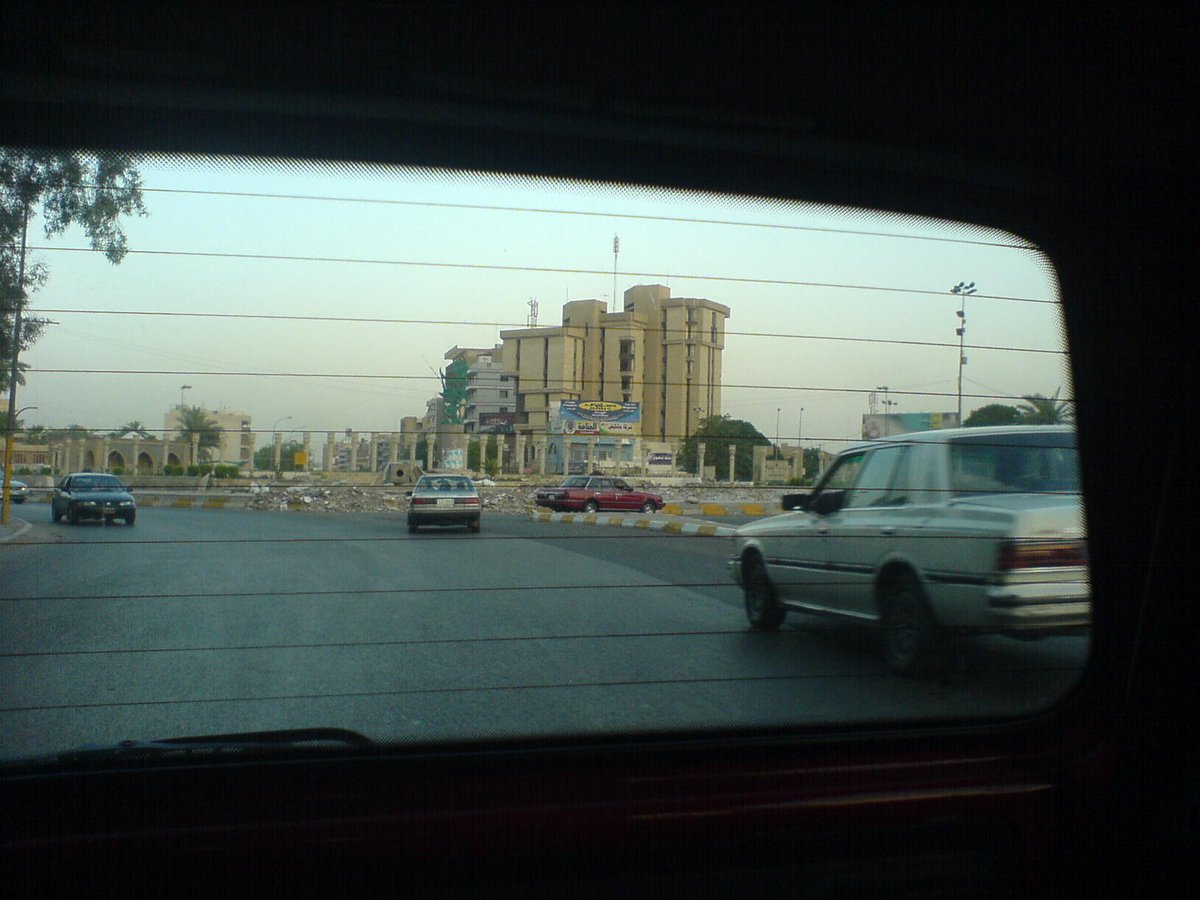
Great Celebrations Square was constructed during the closing years of the Iran-Iraq War under Saddam Hussein’s Ba'athist regime. The square’s location near the site of the historic Battle of al-Qadisiyyah and the modern Green Zone weaves together Iraq’s ancient and contemporary narratives, symbolizing both Islamic heritage and national resilience.
The architectural design includes expansive parade grounds, formal pavilions, and a large reflecting pool, creating a setting for both state pageantry and community gatherings. Three refreshment booths continue to serve visitors, reflecting the square’s enduring social role.
Monumental Artworks
The most renowned monument within the square is the Victory Arch (Qaws al-Nasr), erected in 1989 to commemorate the end of the Iran-Iraq War. The arch features two colossal bronze hands grasping crossed swords, modeled after Saddam Hussein’s own hands. Originally a symbol of military triumph, the monument now stands as a broader tribute to the sacrifices of all Iraqis.
Complementary sculptures throughout the square blend themes of heroism, unity, and modernist artistry, reinforcing its role as a space of collective memory and national reflection.
The Square Through Conflict and Renewal
Following the 2003 invasion and the fall of Saddam Hussein, the square’s accessibility declined due to its proximity to the fortified Green Zone and security concerns. Cultural venues like al-Mansour Cinema and the Fine Art Hall closed or fell into disuse, and the space was sometimes used for political protests. In 2007, public outcry prevented the demolition of the Victory Arch, which was subsequently restored in 2011.
A major renovation in 2023 revitalized the square, reopening cultural institutions and transforming the area into a vibrant venue for art, festivals, and public gatherings.
Practical Visitor Information
Location and Accessibility
- District Al-Mansour (or Janain district, depending on source)
- GPS Coordinates 33.3062434 latitude, 44.3831483 longitude
- Address 894M+F7R, Baghdad
The square is accessible by private car, taxi, or public transportation. Ride-sharing apps are not widely used, so arrange travel through hotels or trusted contacts (Evendo; blog.flysepehran.com).
Visiting Hours
- General Access Daily, 8:00 AM to 8:00 PM or until sunset
- Special Events Access may be restricted or require tickets
Tickets and Entry Fees
- General Entry Free
- Special Events Tickets may be required for reserved seating or VIP areas
Amenities
- Food Refreshment booths offer snacks and beverages; street vendors sell local cuisine like kebabs, falafel, and pastries (1,000–3,000 IQD)
- Shopping Handcrafted souvenirs and textiles available from local artisans
- Facilities Restrooms and seating are limited except during major events; bring bottled water and sun protection
Accessibility for People with Disabilities
The square is generally flat with paved walkways, though some areas have uneven surfaces. Wheelchair users should plan accordingly and consider assistance.
Safety and Security
Security has improved, but visitors should remain vigilant:
- Visit during daylight and official events
- Avoid evenings and times of political unrest
- Stay updated via Traveler Bibles and Xplrverse
Best Times to Visit
- Ideal Months October to April (mild temperatures, 15°C–28°C)
- Festive Periods National holidays, Army Day (January 6), Republic Day (July 14)
- Quiet Visits Weekdays and non-holiday mornings or late afternoons
Dress Code and Cultural Etiquette
- Dress modestly: long trousers/skirts, sleeves, no revealing clothing
- Headscarves not mandatory for foreign women, but advisable at religious sites
- Respect local customs and ask permission before photographing people or security personnel (theglobetrottingdetective.com)
Photography and Media
Photography is welcome, especially of monuments and street scenes. Avoid photographing security personnel, checkpoints, or government buildings, particularly during official events.
Guided Tours and Special Events
Local tour operators offer guided experiences focusing on the square’s history and cultural context. Tours often coincide with festivals, providing deeper insights and enhanced safety.
Nearby Attractions
- National Museum of Iraq
- Al-Shaheed Monument
- Al-Mutanabbi Street (literary and cultural hub)
- Al-Mansour Cinema (restored)
- Al Faisaliya Restaurant and Cafe, Bab Alagha Bakery (dining options)
Currency, Payments, and Essentials
- Use Iraqi Dinar (IQD); cash is preferred
- Currency exchange at airports or major hotels
- ATMs may not always accept international cards (blog.flysepehran.com)
Health and Emergency Information
- Drink only bottled water
- Carry necessary medications and insurance documents
- Emergency numbers: Police (104), Ambulance (122)
- Hospitals available but with limited English-speaking staff
Language and Communication
Arabic is the official language; English is not widely spoken. Learn basic Arabic phrases or use translation apps. Local SIM cards are available at airports and malls.
Local Customs and Safety
Iraqis are hospitable—accept invitations graciously and avoid public displays of affection. Respect prayer times and dress codes.
Travel Insurance and Documentation
Obtain specialized travel insurance and carry your passport and visa at all times. Register with your embassy if necessary.
Quick FAQ
Q: What are the visiting hours?
A: Open daily from 8:00 AM to 8:00 PM or until sunset.
Q: Is there an entrance fee?
A: No, except for reserved areas during special events.
Q: Are guided tours available?
A: Yes, local operators provide historical and cultural tours.
Q: Is it safe?
A: Safe during the day and official events, but avoid evenings and unrest.
Q: Can I take photos?
A: Yes, but avoid security-sensitive subjects.
Q: Is the square accessible for people with disabilities?
A: Generally, but some areas have uneven terrain; assistance is recommended.
For interactive exploration, consider virtual tours or check the location on Google Maps.
Summary and Final Tips
Great Celebrations Square is a testament to Baghdad’s resilience, artistic expression, and evolving national identity. From monumental architecture to lively festivals, the square offers both historical depth and modern vitality. Visiting during major celebrations provides a unique cultural experience, while quieter times allow for reflection and exploration of the city’s heritage.
Plan ahead, respect local customs, and leverage tools like the Audiala app for the best experience. Explore nearby attractions for a well-rounded understanding of Baghdad’s vibrant history and culture.