


Place
Iraq Updated Mar 2026
The Tigris turns silver at dusk, and the smell of cardamom coffee drifts from a 1917 coffeehouse where the same family has roasted beans since the Ottomans left. In Baghdad, Iraq, Friday mornings mean Al-Mutanabbi Street becomes a river of books—boxes of 10th-century poetry sliding past PDF printouts of new dissident essays—while two kilometers away the world’s largest brick arch (third-century Ctesiphon) still stands without a single steel pin. This is a city where grilled carp is slow-cooked beside the same waterway that once carried cuneiform tablets and British armored boats, and where a single alley can contain both a Mandaean baptism site older than Christianity and a rooftop café serving single-origin brew to computer-science students.
 Photo: waqed walid / Pexels
Built from cited sources · see the method · How we make our guides →
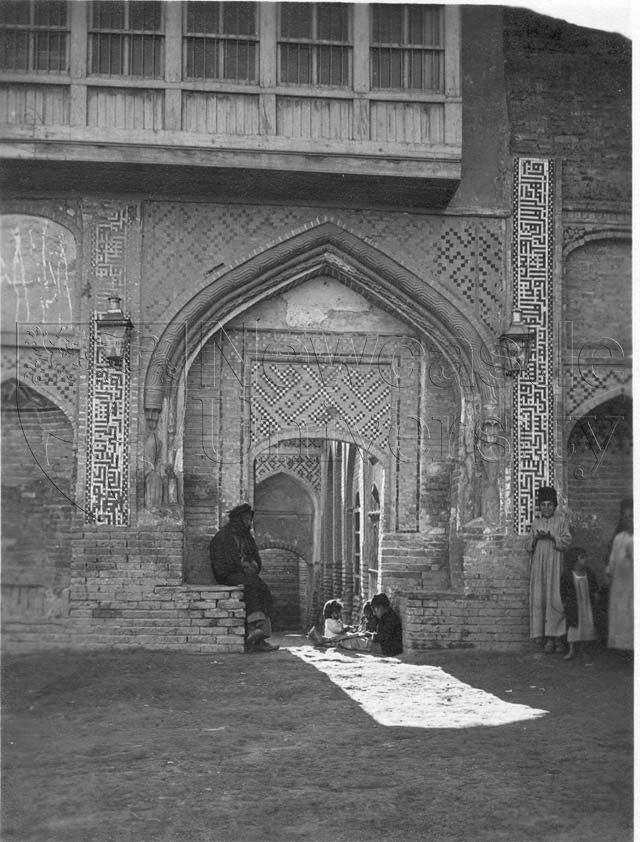
Baghdad doesn’t whisper its past; it layers it. Walk south from the 1227 Mustansiriya madrasa—its geometric brickwork pre-dating Oxford’s first college—and you’ll hit 1950s modernist ministries with Arabesque sunscreens, then suddenly face the 43-meter bronze swords cast from melted Iranian guns and modeled on Saddam Hussein’s own forearms. Between these markers, the real city pulses: copper-smiths re-sizing rings in Shorja’s medieval vaults, ice-cream vendors in Karrada rolling pistachio-topped kleicha at 1 a.m., and oud luthiers tapping soundboards in workshops that survived Mongols, sanctions, and drones.
What makes the capital worth the visa paperwork is the immediacy of its contrasts. You can breakfast on tashreeb—lamb broth soaked into torn flatbread with dried lime—at 6 a.m. beside a taxi rank, then by noon stand inside a golden-domed shrine where mirrors bounce candlelight into infinity and mourners beat their chests in perfect 12-beat maqam rhythms. At sunset, take a five-dinar river taxi and watch boys dive from Abbasid bridge piers while, overhead, the 205-meter Zawra TV tower—once a revolving restaurant for Ba‘athist elite—blinks its aviation lights above families grilling masguf on the bank. Baghdad rewards visitors who trade certainty for curiosity: the book-seller who insists you take a free 1960s Egyptian comic, the stranger who walks you to the qahwa where your grandfather once drank tea in 1958, the architect who can explain why the 14th-century Khan Murjan’s vaults stay cool without air-conditioning.
Not every monument, just the ones we'd walk you past ourselves.
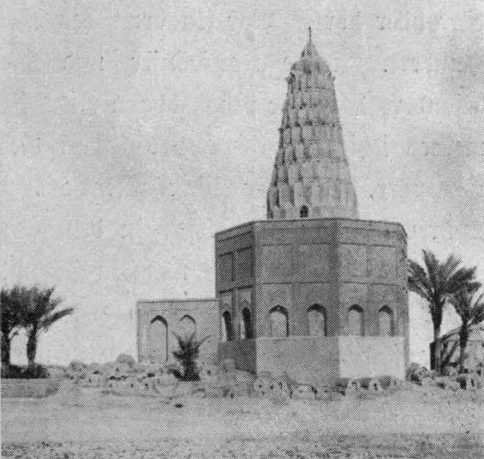
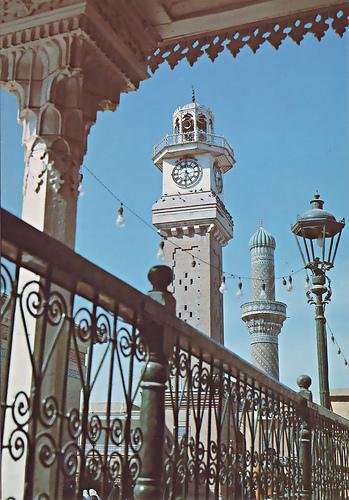
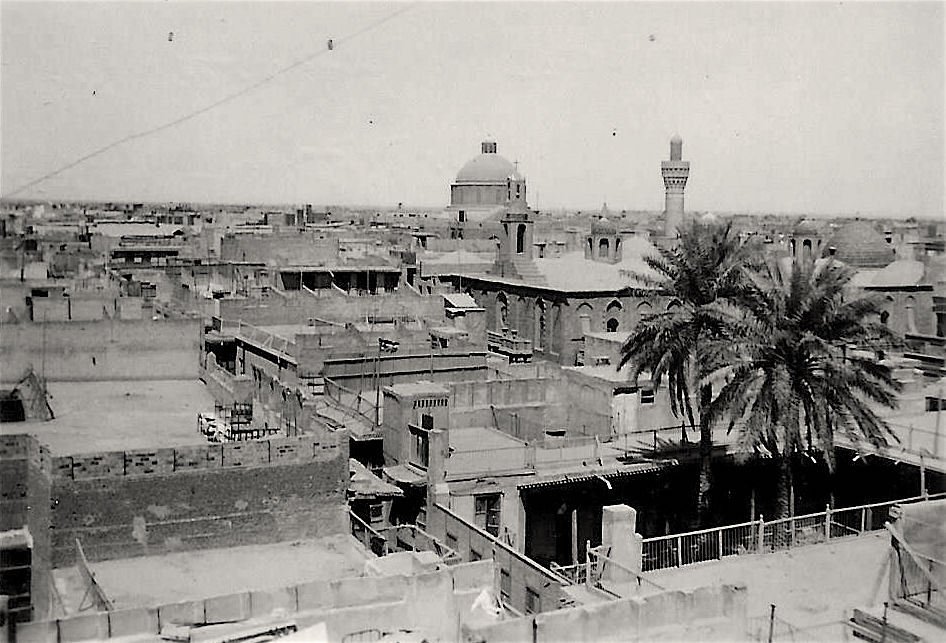
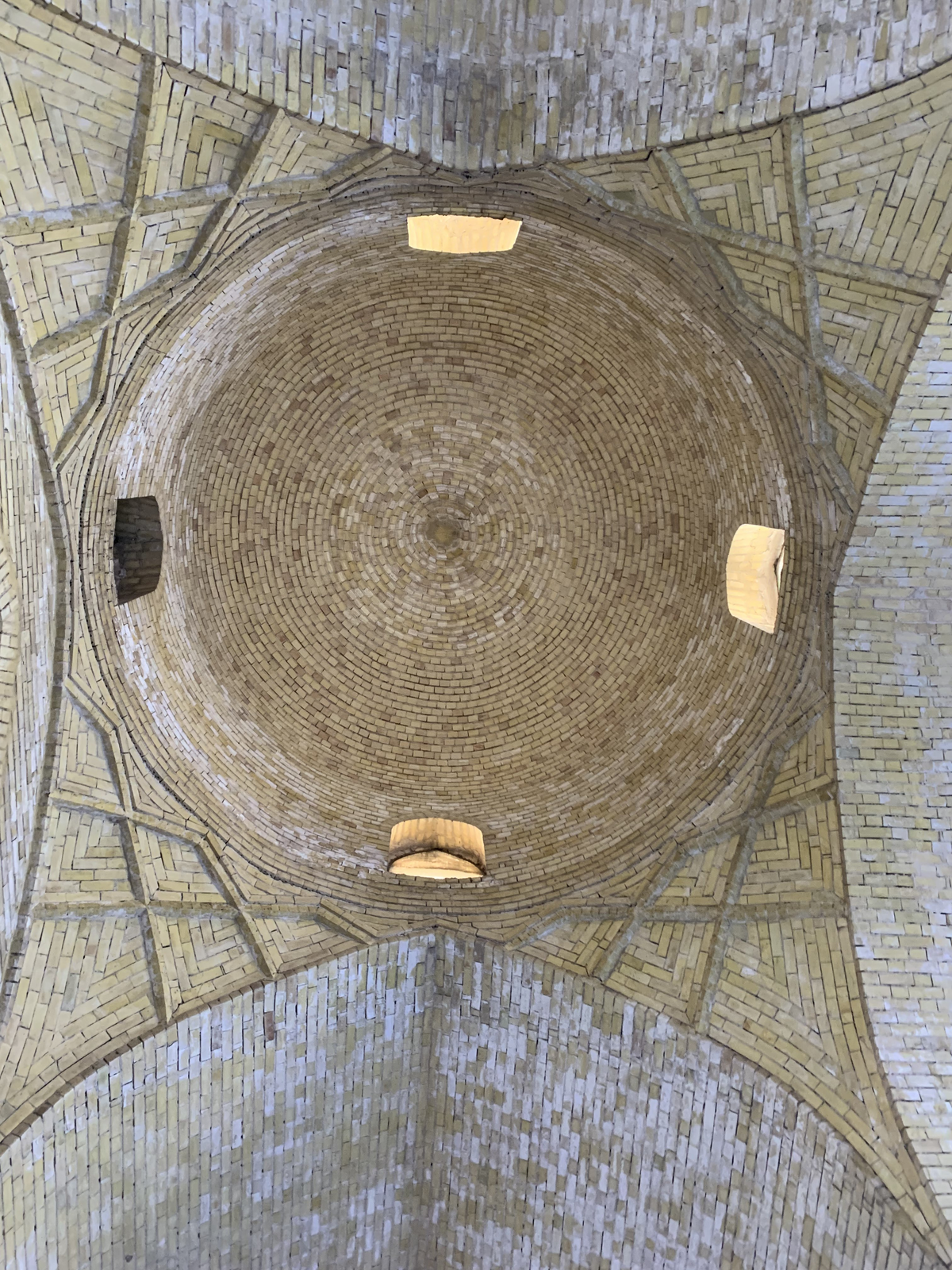
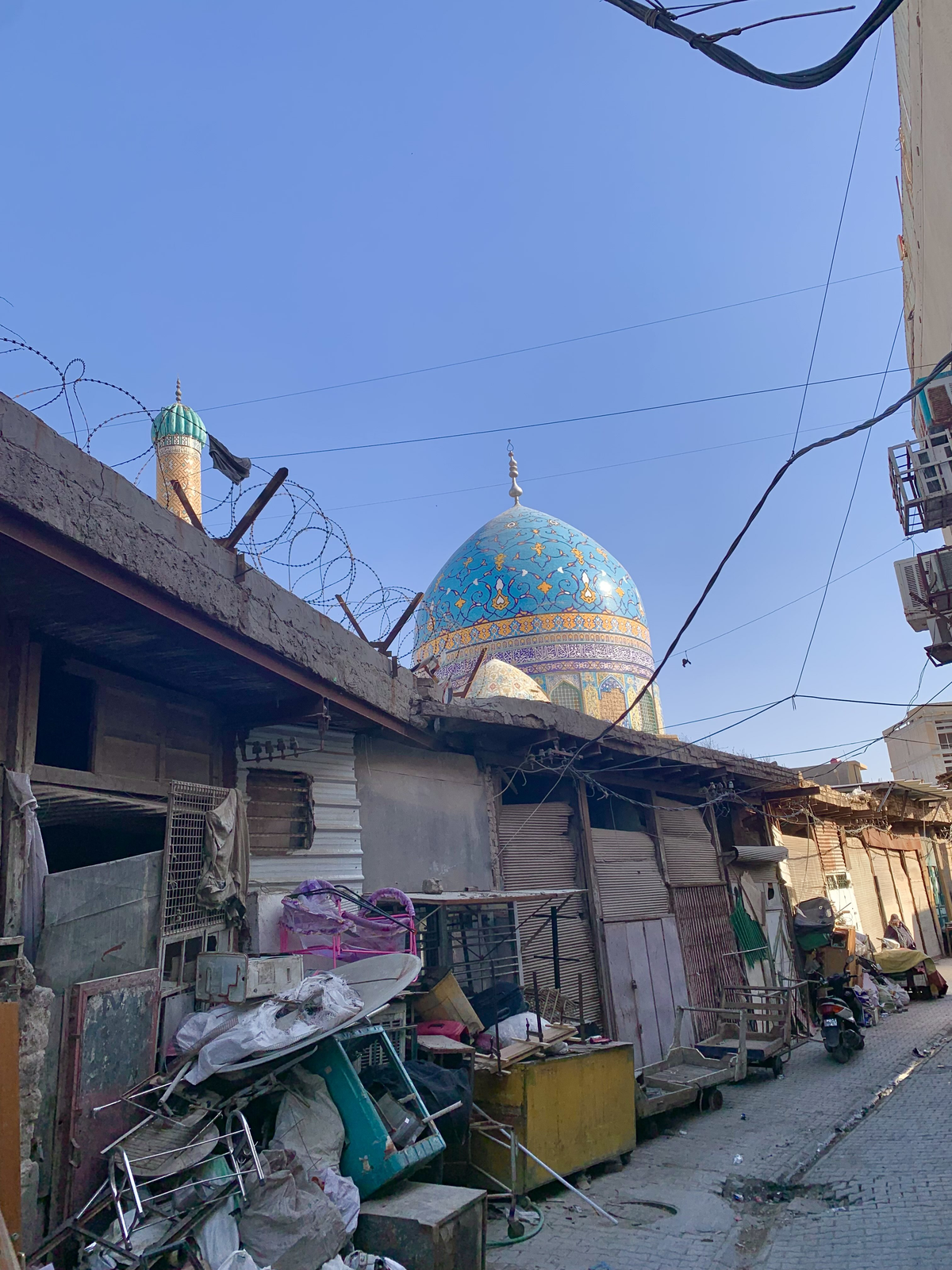
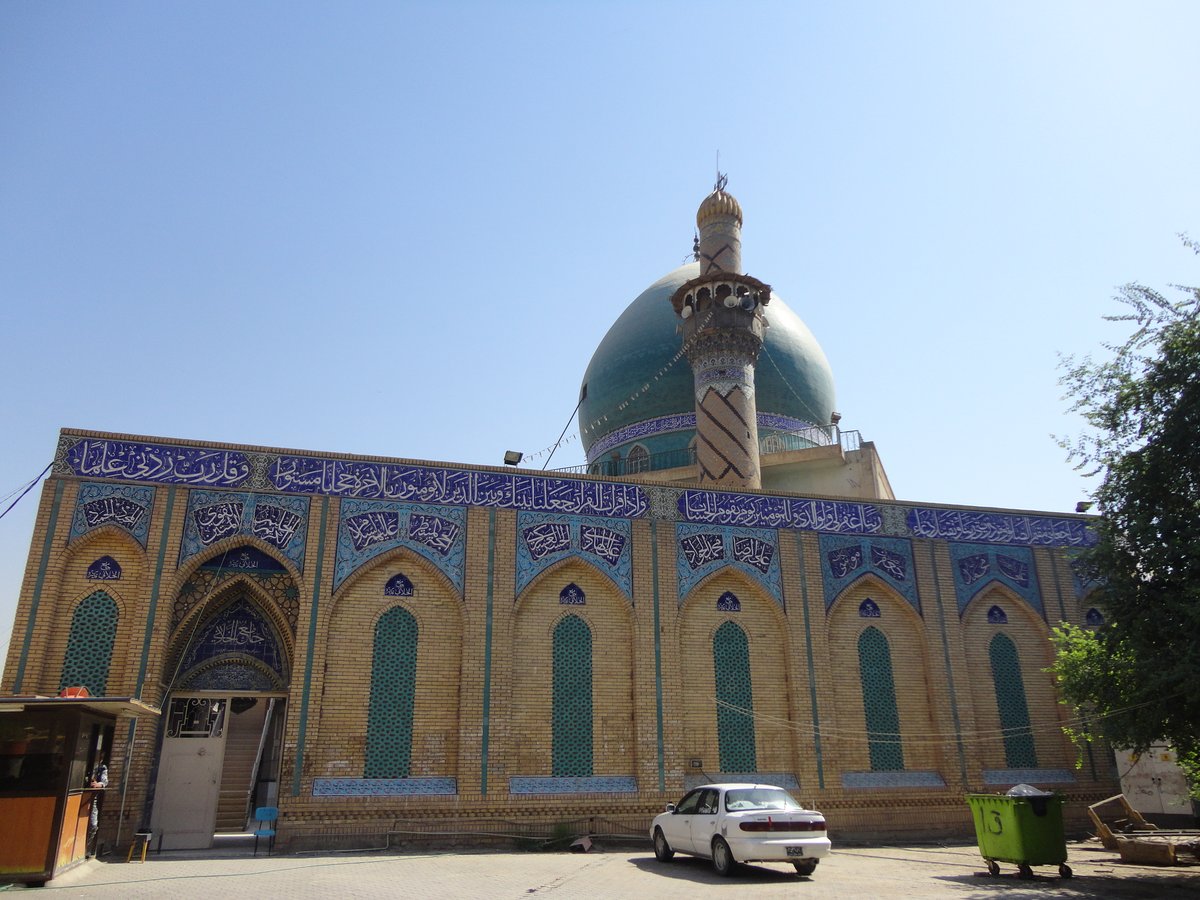
Where to wander, by quarter — each with its own rhythm.
Before you go
From Mesopotamian village to global intellectual capital
Macedonian generals build Seleucia-on-the-Tigris directly opposite today's Baghdad, creating a metropolis of 600,000. The grid-planned city becomes the region's commercial heart, its agora echoing with Greek, Persian, and Aramaic. For the next 450 years, this urban giant casts its shadow over the modest village that will become Baghdad.
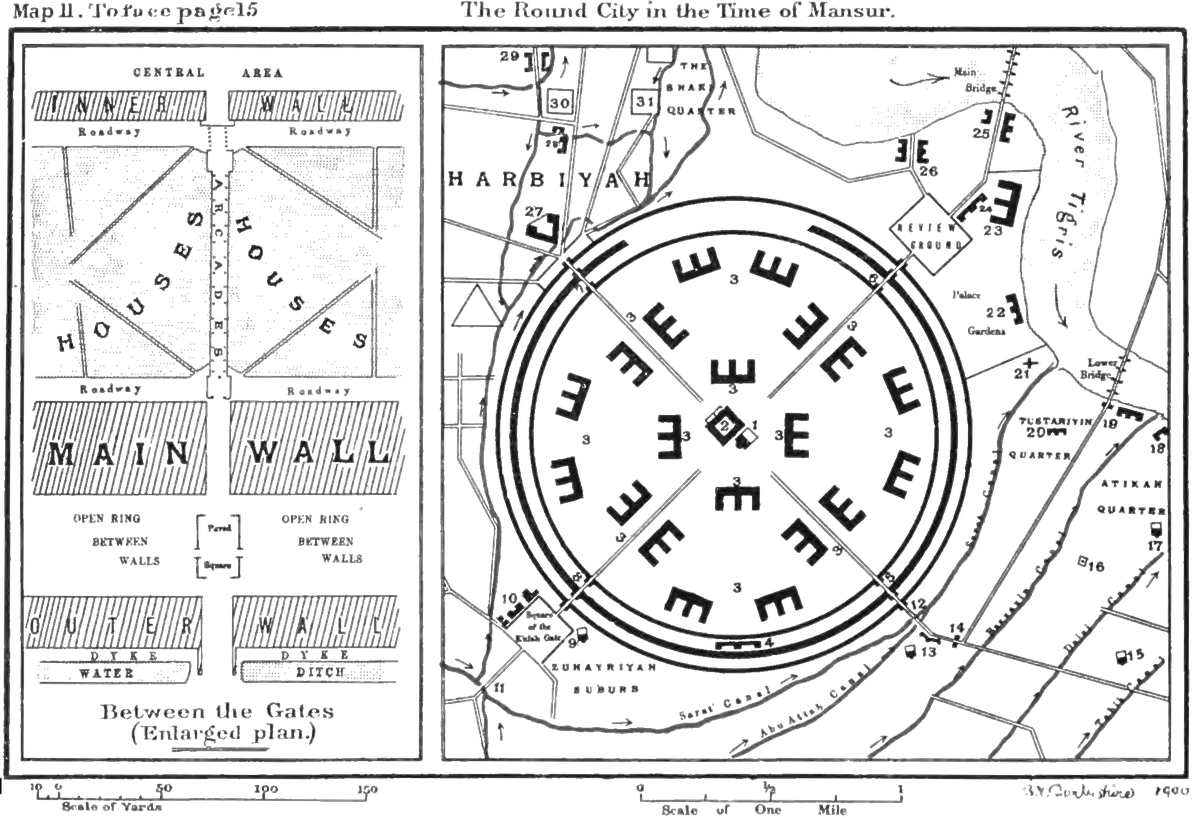
On July 30, Caliph al-Mansur founds Madinat al-Salam, the perfectly round 'City of Peace.' 100,000 workers spend four years building 2.4 kilometers of double walls, four gates, and a central palace that gleams with gold. The 4.8 million dirham project transforms a sleepy village into the world's largest city outside China.
In the House of Wisdom, Muhammad ibn Musa al-Khwarizmi writes 'The Compendious Book on Calculation by Completion and Balancing,' giving mathematics its most powerful tool. His systematic approach to solving equations becomes the algorithm that still powers our digital age. Baghdad's scholars aren't just translating Greek texts—they're creating entirely new sciences.
When Harun al-Rashid takes the throne, Baghdad's population hits one million. The city's 600 hammams steam with rosewater, its markets overflow with Chinese silk and African ivory, and its streets glow with oil lamps—an innovation that keeps the city awake past sunset. This is the Baghdad of Arabian Nights, where the Caliph walks incognito among his subjects.
Caliph al-Ma'mun transforms Baghdad into the world's knowledge capital, hiring translators at gold-dinar rates to convert Greek, Persian, and Sanskrit texts. The circular library contains so many books that when the Tigris floods, workers use them as sandbags. Here, al-Kindi pioneers cryptography while astronomers calculate Earth's circumference with 99% accuracy.
Hulagu Khan's 150,000 Mongols breach Baghdad's walls after a 12-day siege. They massacre between 200,000 and 800,000 residents, trample the last Abbasid Caliph wrapped in a carpet, and throw so many books into the Tigris that the river runs black with ink, then red with blood. The House of Wisdom burns for seven days. Baghdad never fully recovers.
Ottoman cannons silence the last Safavid resistance, bringing Baghdad under Istanbul's rule for 280 years. Sultan Suleiman visits the tomb of Abu Hanifa, restoring Sunni sites damaged under Shia Safavid rule. The city becomes a frontier outpost, its population shrunk to 50,000, but gains Ottoman baths, coffeehouses, and a new Friday mosque.
The Tigris overflows its banks, destroying half of Baghdad's mud-brick houses in the same year Ottoman reformer Ali Ridha Pasha arrives to crush the autonomous Mamluk governors. The floodwaters carry away centuries of accumulated history, while the new governor introduces the city's first printing press and newspaper, dragging Baghdad into the modern age.
General Maude's Indian Army enters Baghdad after 13,000 British soldiers died attempting the same feat two years earlier. The Ottoman governor flees by boat, leaving the city's 145,000 residents to watch khaki-clad soldiers occupy their streets. Maude's famous proclamation promises liberation, not conquest—words that will haunt both empires for a century.
In the Umayyad Palace overlooking the Tigris, British officials place a crown on Faisal bin Hussein's head, creating Iraq from three Ottoman provinces. The Hashemite king speaks no Arabic fluently, ruling over a city where Sunni, Shia, Kurdish, and Jewish populations eye each other warily. Baghdad becomes a capital searching for a nation.
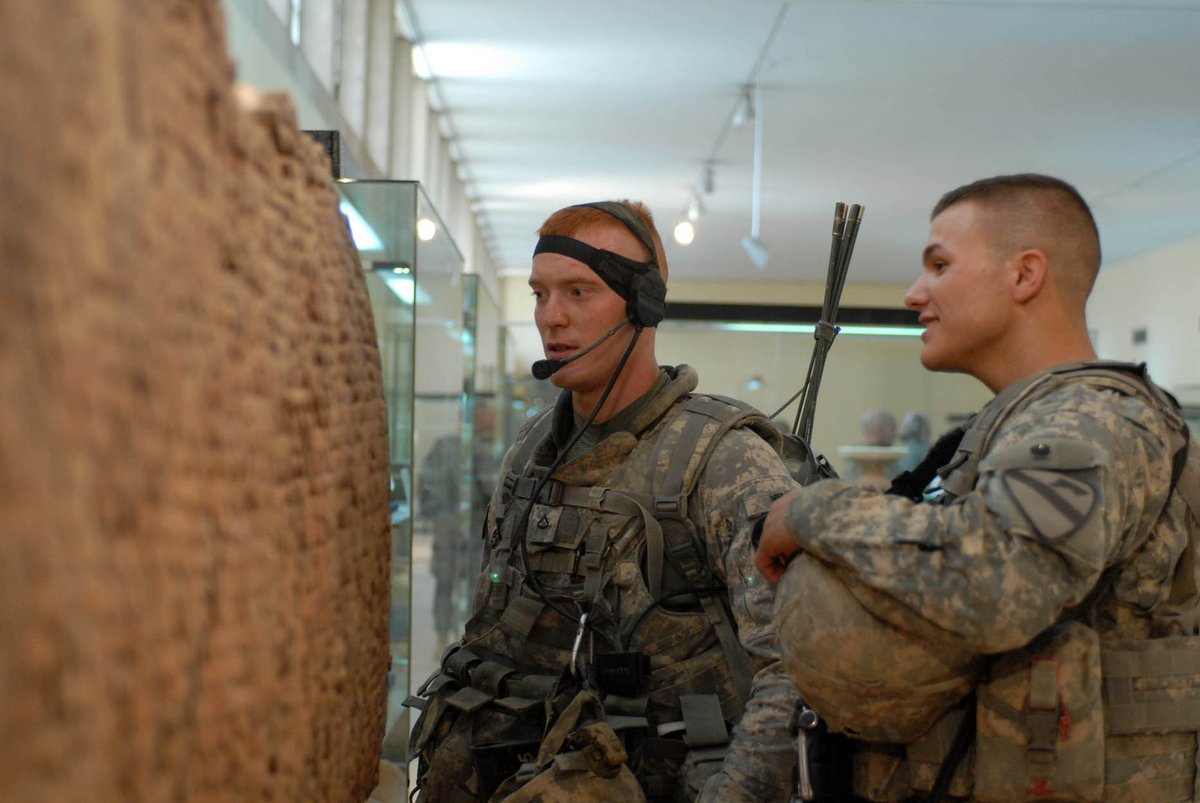
The woman who drew Iraq's borders with a fountain pen opens the Iraq Museum in a converted Ottoman palace. Bell personally catalogs 3,000 artifacts spanning 7,000 years, from the 5,000-year-old Standard of Ur to tablets bearing humanity's first written words. She dies four years later, buried in Baghdad's British cemetery, her museum becoming the city's cultural crown jewel.
At dawn, tanks crash through the palace gates. Soldiers drag 23-year-old King Faisal II into the courtyard and shoot him, ending 37 years of Hashemite rule. The young king's body joins his uncle's in the street, while Prime Minister Nuri al-Said is caught fleeing in a woman's dress and killed the next day. Baghdad's population, now 550,000, wakes to a republic proclaimed from radio loudspeakers.
In a televised Ba'ath Party meeting, Saddam Hussein reads names from a list. Each named official is led away to execution as cameras roll. Within days, 500 party members are eliminated. The 42-year-old president from Tikrit transforms Baghdad into a stage for his personality cult, building triumphal arches with crossed swords and giant portraits that watch over every street.
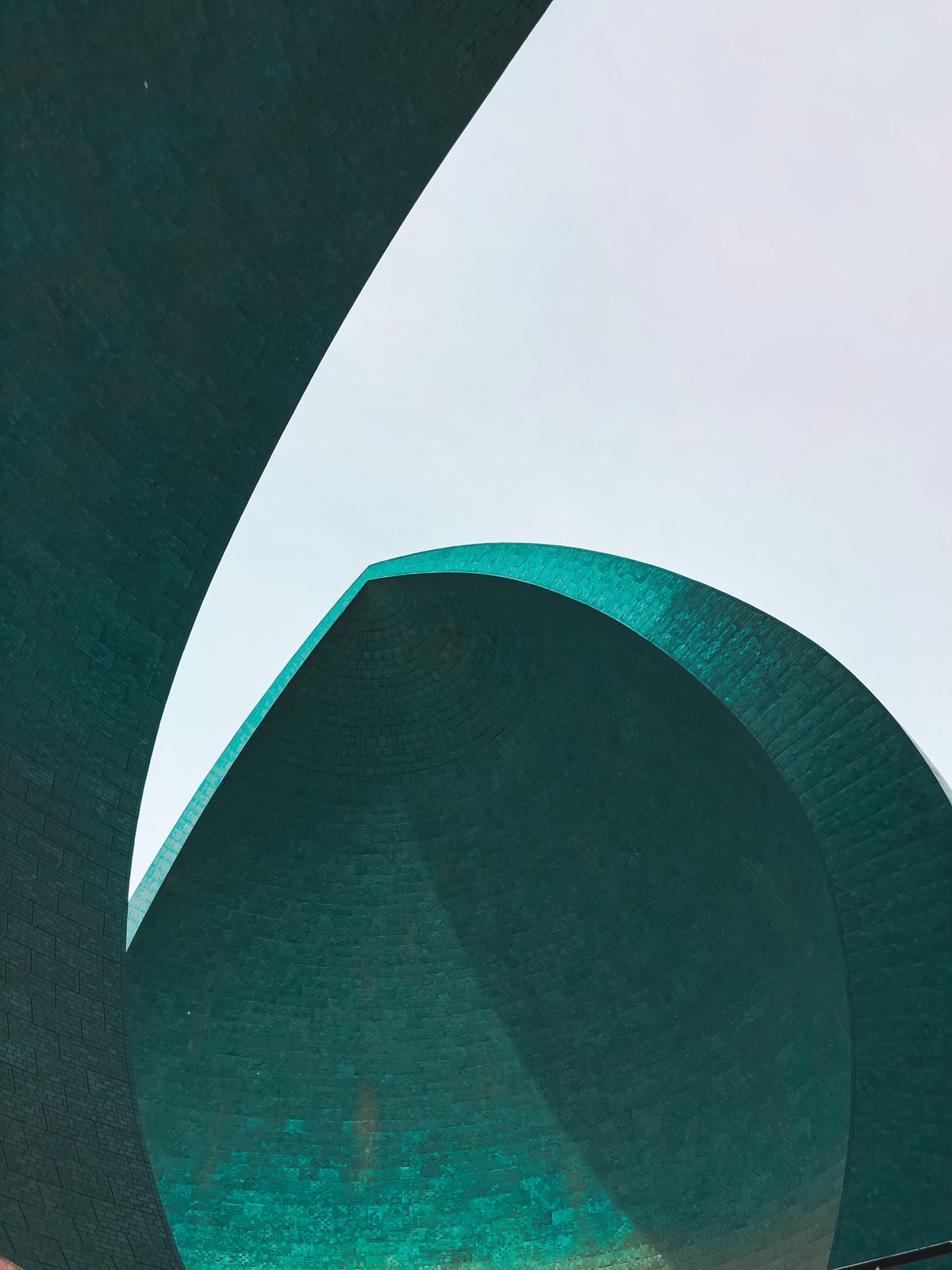
Sculptor Ismail Fatah Al-Turk completes Baghdad's most striking landmark: two turquoise half-domes rising 40 meters, symbolizing the helmets of fallen soldiers. The monument becomes required viewing for foreign dignitaries, who must lay wreaths while Saddam's security watches. During the Iran-Iraq war, it transforms from memorial to propaganda tool, its reflecting pool mirroring both grief and glory.
At 4:30 AM, American bombs punch through the Amiriyah civilian shelter, killing 408 people—half of them children seeking refuge from air raids. The concrete walls, designed to withstand conventional bombs, instead amplify the heat to 900 degrees. Baghdad wakes to find the shelter's walls still warm, scorched handprints of the dead visible in the morning light.
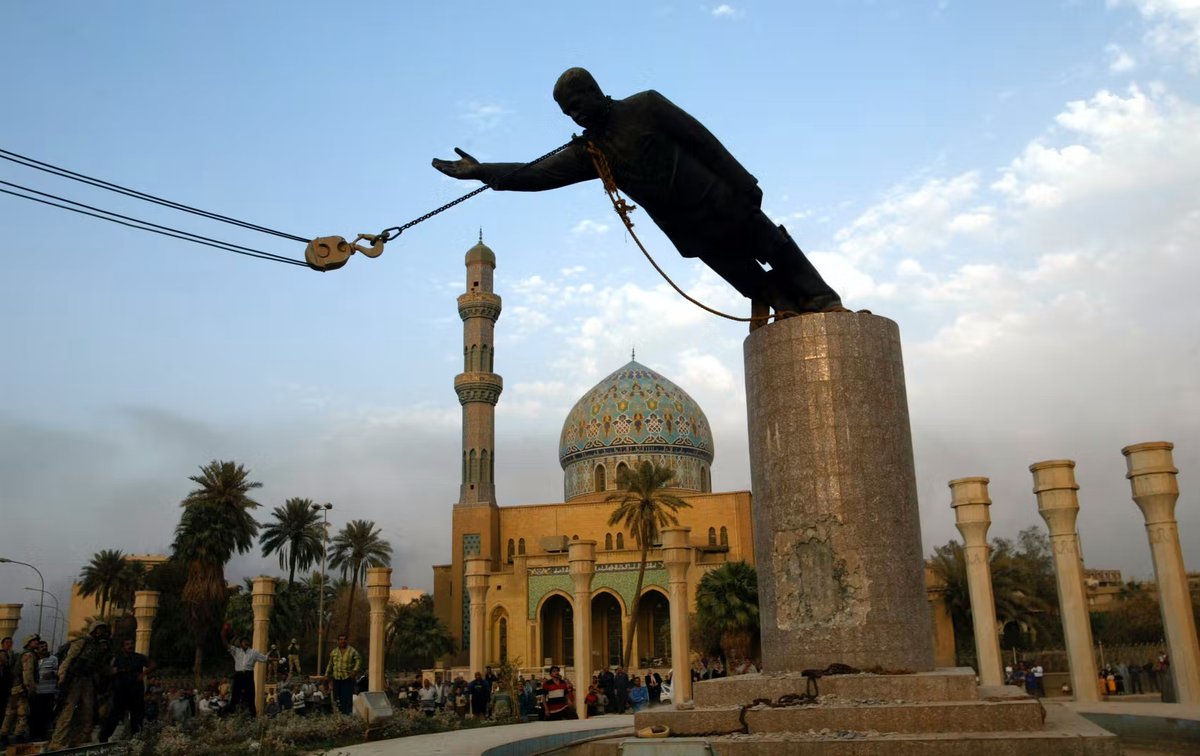
In Firdos Square, an American tank loops a chain around Saddam's 12-meter bronze statue. As it topples live on global television, Iraqis dance on the twisted metal. But the real looting begins hours later—15,000 artifacts vanish from the Iraq Museum while US Marines guard the Oil Ministry. Baghdad's 5 million residents navigate between liberation and chaos.
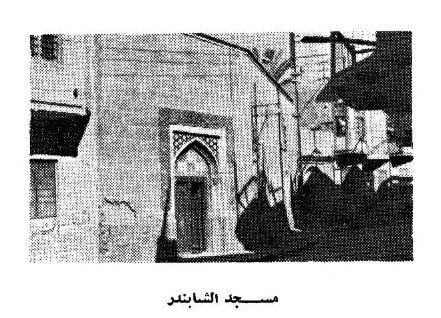
A car bomb explodes on Al-Mutanabbi Street at 11:40 AM, killing 26 people and destroying the outdoor book market that has operated every Friday since the 1930s. The blast destroys the Shabandar Café, where generations of poets argued over verse and politics. Within months, defiant booksellers reopen their stalls among the rubble, proving that Baghdad's intellectual heart still beats.
A refrigerator truck packed with explosives detonates in Karrada's shopping district, killing 325 people during Ramadan festivities. The blast is so powerful it vaporizes a shopping mall, leaving only a crater that fills with water from broken mains. Baghdad experiences its deadliest single attack since 2003, the explosion's echo heard across a city already numbed by violence.
Hundreds of thousands occupy Tahrir Square, transforming it into a miniature city of tents, free kitchens, and debate circles. Protesters occupy the abandoned Turkish Restaurant tower, using it as headquarters against government snipers. By November, security forces have killed 600+ demonstrators, but the occupation continues—Baghdad's youth discovering they can seize their city's future.
Poet · 915–965
Lived and workshopped verses in Baghdad
He boasted his poetry could make camels kneel; courtiers feared his tongue more than armies. Today bookworms haggle under his bronze gaze on the street that bears his name—he’d love the chaos, hate the barricades.
Abbasid Caliph · 763–809
Ruled from Baghdad’s Round City
He sent gifts to Charlemagne while strolling palm-lined boulevards lit by oil lamps—medieval Baghdad’s first street lighting. The modern city still quotes his nights of poetry and espionage; he’d recognise the river breeze, if not the traffic.
Archaeologist & Diplomat · 1868–1926
Mapped and photographed Baghdad 1909-1920
She rode camels to Babylon before breakfast and drew Iraq’s first borders over tea at the British Residency. Her photographs of Taq Kasra’s arch survive; she’d marvel that the bricks still stand while her typewriter rusts in a Karrada antique shop.
Architect · 1950–2016
Born in Baghdad; studied at Baghdad University
The city’s jagged riverbanks taught her that space could flow. She left for London after the 1970s unrest; today students sketch her swooping roofs on the same Jadiriyah campus where she once skipped lectures to gaze at the Tigris.
Where locals actually book dinner — not the tourist menus.
Whole river carp butterflied, salted and slow-grilled upright beside reed fires; the flesh picks up smoke you can taste hours later. Eat it riverside at Abu Nuwas with pickled turnip and freshly-baked samoon bread.
Since the 1970s this parlour has whipped guava, date molasses and pistachio into stretchy ice cream so dense it arrives with a knife. Expect a queue after 8 p.m.—locals treat it like evening prayer.
Follow your nose to pyramids of green cardamom, crimson sumac and dried lime that perfume alleyways built by Ottoman caravans. Vendors will brew you a tiny glass of cardamom tea if you bargain politely.
Copper trays of bitter chai and the bubble of nargila pipes have drawn poets since 1917. Black-and-white photos of long-gone writers paper the walls, watching every new verse scribbled in nicotine-scented notebooks.
Order ‘qahwa sada’ for an unsweetened shot laced with cardamom, poured from a long-spouted dallah into thimble cups. The ritual comes with a glass of water to clear the palate and, often, a heated political debate from neighbouring tables.
Rice-crumb dumplings stuffed with spiced mince swim in a tangy okra stew brightened with tomato and dried lime. It’s comfort food for Thursday family lunches—look for it in smaller Karrada kitchens.
At dawn, bakeries haul diamond-shaped samoon from wood-fired ovens; pair one with warm date syrup and clotted cream for a 2,000-dinar start strong enough to fuel a morning museum sprint.
Small things that change how the city treats you.
The city, as it actually looks.
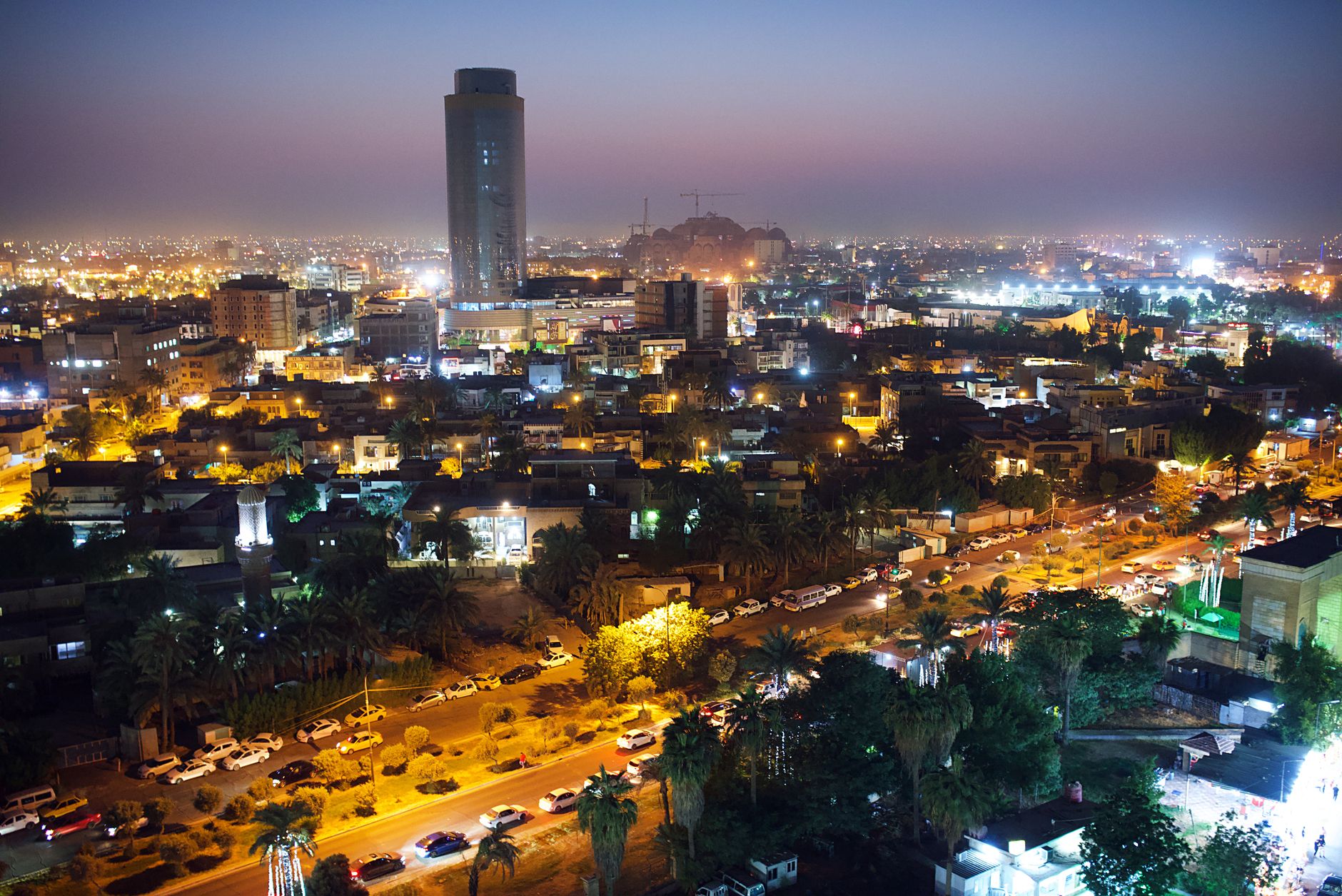


Yes—if you crave living history. The Iraq Museum’s 5 000-year-old Warka Vase, riverside masguf dinners and Friday book market on Al-Mutanabbi Street all operate daily. Security is vastly improved since 2017, but you must follow current embassy advice and hire a local guide.
Three full days cover the essentials: Day 1—National Museum, Al-Mutanabbi Street, Al-Shabandar café; Day 2—Kadhimiya & Abu Hanifa shrines, sunset boat on Tigris; Day 3—Ctesiphon arch excursion and modernist architecture tour. Add a fourth if you want Babylon as a day-trip.
Almost nowhere except the Babylon Rotana and Al-Rasheed Hotel restaurants. Bring cash—USD 100 bills in perfect condition to swap at licensed exchange shops in Karrada or Shorja market.
Local women move freely in Karrada and Mansour, but foreign women draw attention. Wear loose long sleeves, long skirt or trousers, and cover hair near shrines. Use a trusted driver after dark; avoid Sadr City and Green Zone perimeter.
Yellow airport taxi for IQD 15 000–25 000 (US $11–19) if you haggle hard upstairs departures level. Shared minibuses exist but have no fixed stops and require Arabic—stick to the taxi for first visits.
Ctesiphon (35 km south) at dawn—standing under the 37 m-high Taq Kasra, the world’s largest brick arch, with no other tourists. Pair it with Babylon the same afternoon.
103 places to discover
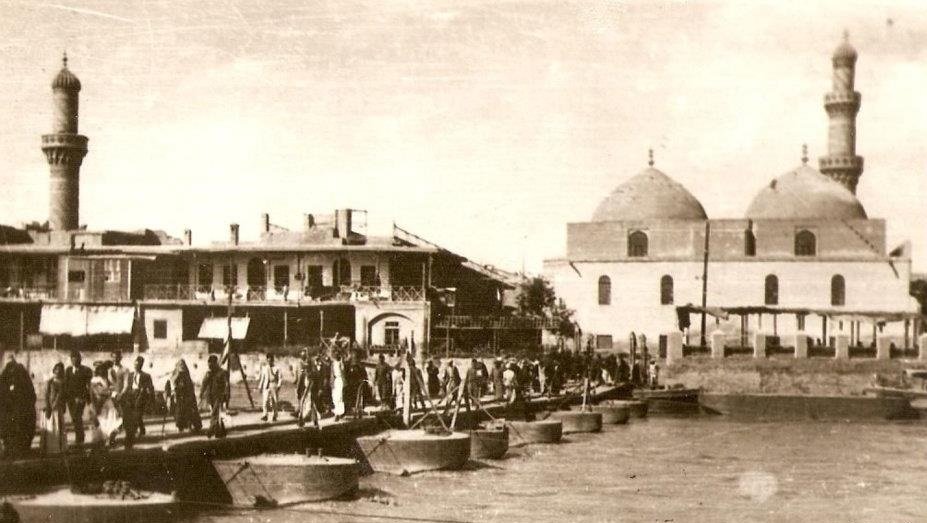



Showing 1–48 of 103 places
Saved and recently read places — kept on this device only.
Photos may have been resized or cropped.