Origins and Vision
Baghdad Tourist Island was envisioned as a flagship project of late-1970s urban modernization. Developed under President Ahmed Hassan al-Bakr and furthered by Saddam Hussein’s administration, the island was built to symbolize Iraq’s prosperity and cosmopolitan ambitions. Its strategic location—a tranquil island in the Tigris yet accessible from central Baghdad—was chosen to offer both escape and connectivity (Baghdad Attractions).
Planning began in the late 1970s, culminating in the 1983 public opening. The project was part of a larger initiative that included parks, sports complexes, and cultural centers across the city.
Architectural and Recreational Development
The island’s master plan integrated modernist architecture with landscaped gardens and advanced infrastructure. The centerpiece—a luxury hotel—offered panoramic views of the river and city skyline. Facilities included:
- Expansive swimming pools for all ages
- Artificial lakes and a marina for boating
- Restaurants, cafés, and open-air theaters
- Promenades lined with native Iraqi flora
These amenities established Baghdad Tourist Island as a favorite spot for weddings, concerts, and public celebrations.
Cultural and Social Role
Throughout the 1980s, the island was both a recreational and a cultural hub, hosting music festivals, art exhibitions, and theatrical performances that attracted artists from Iraq and beyond. Conference and event spaces hosted official functions and international gatherings, reinforcing the city’s image as a regional center for tourism and diplomacy (Over Your Place).
Impact of Conflict and Revival
The island’s trajectory shifted dramatically with the onset of the Iran-Iraq War, the Gulf War, and the 2003 invasion. Visitor numbers plummeted, facilities deteriorated, and the site was largely abandoned. By the early 2000s, the once-bustling island reflected Baghdad’s broader struggles (Audiala).
Since the mid-2010s, major restoration efforts led by the Baghdad municipality and private investors have revived much of the island. Gardens and facilities have been rehabilitated, and cultural events are returning, marking a broader movement to reclaim Baghdad’s public spaces and heritage (Ajlee Blog; Mad Traveller).
Visiting Baghdad Tourist Island: Hours, Tickets, and Accessibility
Visiting Hours:
- Open daily, typically from 9:00 AM to 10:00 PM.
- Hours may be extended on weekends and public holidays.
- Verify with official or local sources for updates during special events or public health situations.
Tickets and Entry Fees:
- Entry Generally free for pedestrians.
- Facilities Some amenities (swimming pools, open-air theater, rides) require ticket purchase; prices are modest (e.g., ~5,000 IQD for adults, ~3,000 IQD for children under 12).
- Tickets are available on-site and via official online platforms.
Getting There:
- Accessible via bridges from central Baghdad.
- Transport options: taxis, buses, private cars (ample parking).
- Ride-hailing services like Careem are also available.
Accessibility:
- Paved walkways and ramps throughout the island.
- Ongoing upgrades to ensure inclusivity for visitors with mobility challenges.
Visitor Services:
- Clean restrooms, picnic areas, cafés, first aid stations, and security personnel.
Key Attractions and Activities
- Swimming Pools & Water Activities Safe, well-maintained pools for all ages; sandy riverfront for sunbathing and relaxation; boat rides for panoramic Tigris views (TravelSetu).
- Sports Courts Football, basketball, volleyball, and jogging trails.
- Amusement Park & Entertainment Carnival rides, open-air concerts, family workshops, and seasonal festivals (Mad Traveller).
- Picnic & Family Areas Shaded lawns, barbecue grills, children’s playgrounds.
- Dining Wide variety of stalls and cafés serving Iraqi and international cuisine; riverside dining with scenic views (TravelSetu).
- Nature Walks Landscaped gardens, riverfront promenade, and lush, green spaces.
- Cultural Events Art exhibitions, music festivals, and celebrations, especially as Baghdad prepares for its role as Arab Tourism Capital 2025.
Travel Tips and Nearby Attractions
- Best Time to Visit Spring (March–May) and autumn (September–November) for mild weather.
- What to Bring Comfortable shoes, sun protection, camera, cash for small purchases.
- Nearby Landmarks
- Al-Zawra Park
- National Museum of Iraq
- Mutanabbi Street
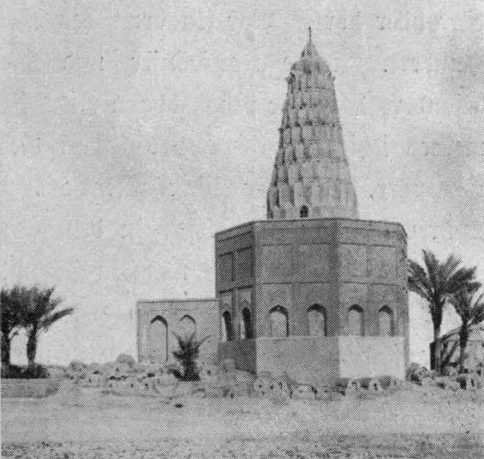
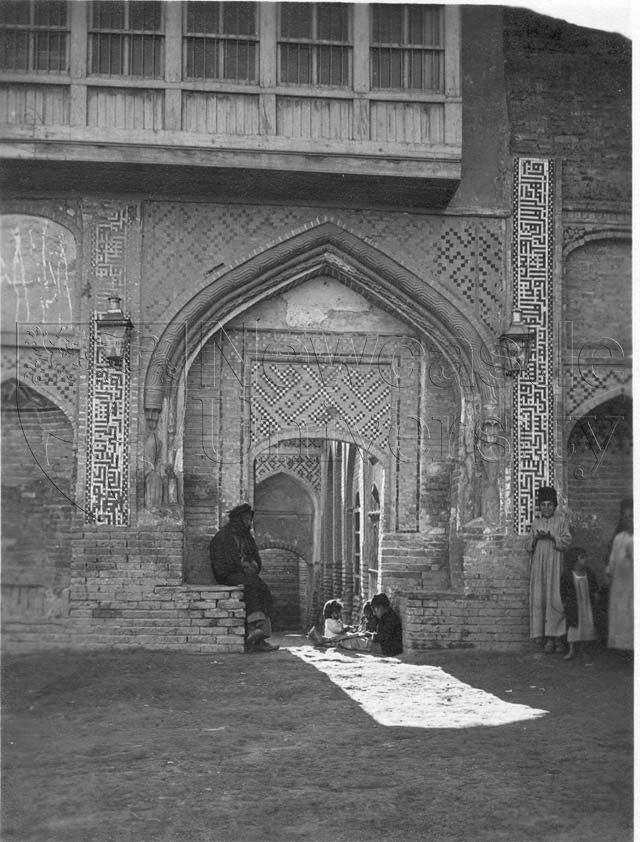
- Al-Mustansiriya School (TravelSetu)
- Accommodations Baghdad Hotel and Palestine Hotel are nearby and offer shuttle services.
Health, Safety, and Security
General Safety:
Baghdad has improved its security, but travelers should remain cautious due to risks of terrorism and political unrest (Travel.gc.ca; SafetyVisit.com). The island and central Baghdad benefit from heightened security, especially with major tourism initiatives.
Personal Security Tips:
- Travel with reputable guides or in groups.
- Keep valuables secure and avoid isolated areas after dark (HikersBay).
- Register with your embassy and avoid sharing detailed itineraries with strangers (Against the Compass).
- Use trusted taxis or pre-arranged transfers.
Health Considerations:
- Stay up to date on recommended vaccinations (CDC).
- Drink bottled water and eat thoroughly cooked food.
- Use insect repellent and sun protection.
- Air quality and heat can be extreme; plan accordingly.
- Carry a medical kit and have travel insurance.
Women and Solo Travelers:
The island is generally safe for women, especially in groups. Solo travelers should remain vigilant and consider guided tours (Against the Compass).
Frequently Asked Questions (FAQ)
Q: What are the Baghdad Tourist Island visiting hours?
A: 9:00 AM to 10:00 PM daily, with longer hours on weekends and holidays.
Q: Is there an entry fee?
A: General entry is free. Some activities require tickets, which are affordably priced.
Q: How can I buy tickets for special attractions?
A: Tickets can be purchased at the gate or through official online platforms.
Q: Is the island accessible for those with disabilities?
A: Yes, with paved paths and ramps across the site.
Q: What are the best ways to get to the island?
A: Taxi, private car, ride-hailing service, or public bus from central Baghdad.
Q: Are there guided tours available?
A: Yes, several operators offer guided visits to the island and nearby sites.
Q: Is it safe for tourists?
A: With current precautions and heightened security, the island is considered relatively safe for visitors.
Summary & Encouragement
Baghdad Tourist Island is a living symbol of the city’s revival, blending modern leisure, cultural vibrancy, and historical depth. Restoration efforts have restored much of its former beauty, with swimming, sports, dining, festivals, and nature all on offer. Its proximity to Baghdad’s most important heritage sites and its role in community life make it a must-visit for anyone traveling to the city.
Equipped with this guide, visitors can plan with confidence—enjoying the island’s amenities, participating in its events, and experiencing firsthand the enduring spirit of Baghdad. Download the Audiala app and consult official resources for the latest updates and travel information (Ajlee Blog; TravelSetu; Audiala; Travel.gc.ca).