



Early Origins and Pre-Modern Aviation
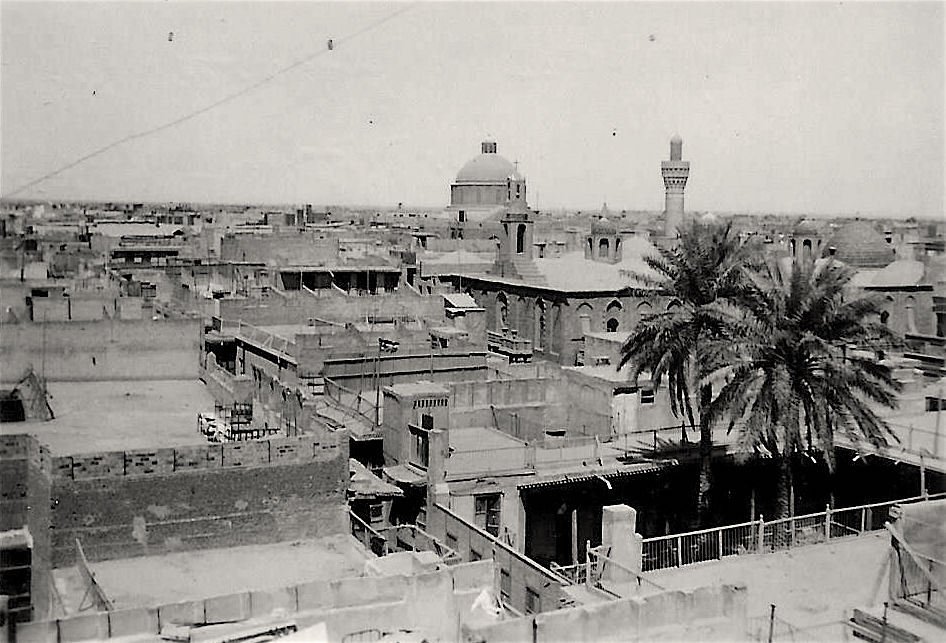
Baghdad's aviation history began with the Baghdad West Aerodrome, which opened to civilian flights by Imperial Airways on April 1, 1929. This early airfield marked Baghdad’s entry into global air travel (Wikipedia). Until 1970, Al Muthanna Airport played a dual role for both military and limited civilian flights. The construction of a dedicated international airport signaled Iraq’s modernization ambitions.
Construction and Saddam Era (1979–2003)
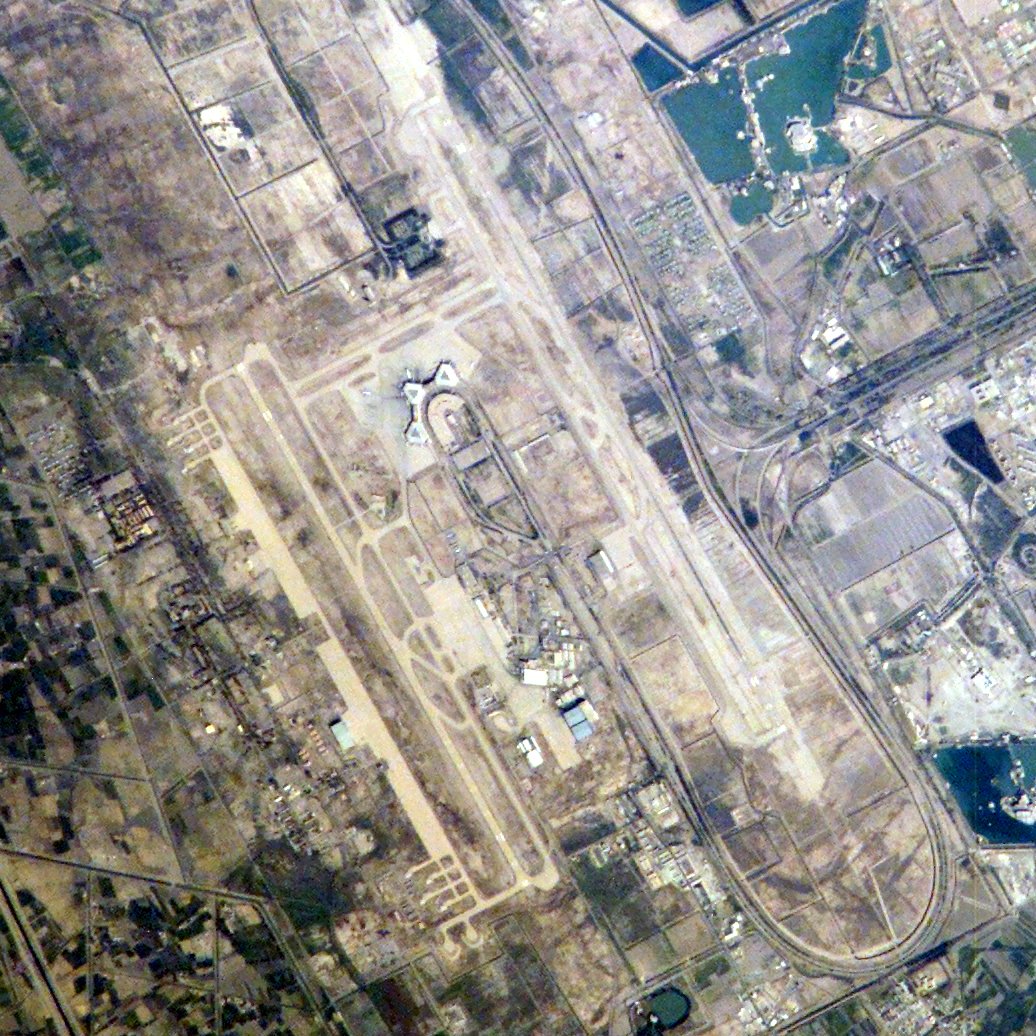
The current airport was built beginning in 1979 with French collaboration and opened in 1982 as Saddam International Airport. With an initial capacity for 7.5 million passengers annually, its three main terminals were named after the great cities of ancient Mesopotamia. A dedicated VIP terminal served visiting dignitaries (Airports Worldwide). However, conflicts such as the Iran-Iraq War and the Gulf War limited the airport’s full potential during this era.
Impact of Sanctions and Conflict (1991–2003)
After the 1990 invasion of Kuwait, UN sanctions and no-fly zones severely curtailed air travel to and from Iraq. Most civil flights were suspended, with only sporadic domestic and humanitarian flights taking place. Royal Jordanian Airlines maintained a vital link with Amman, making use of unique refueling privileges (Airports Worldwide). The airport’s facilities became underutilized and isolated during this period.
U.S.-Led Invasion and Transition (2003–2005)
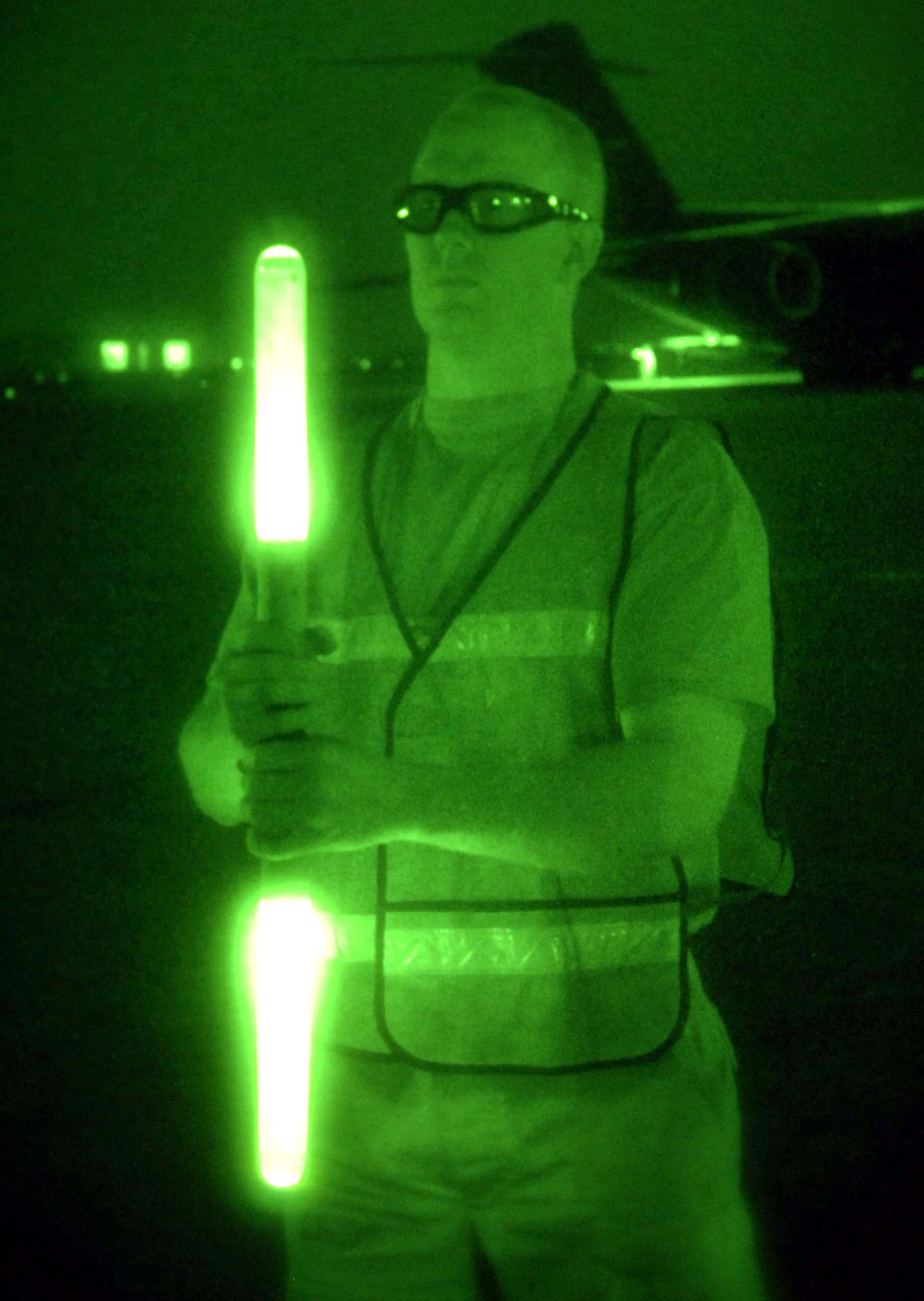
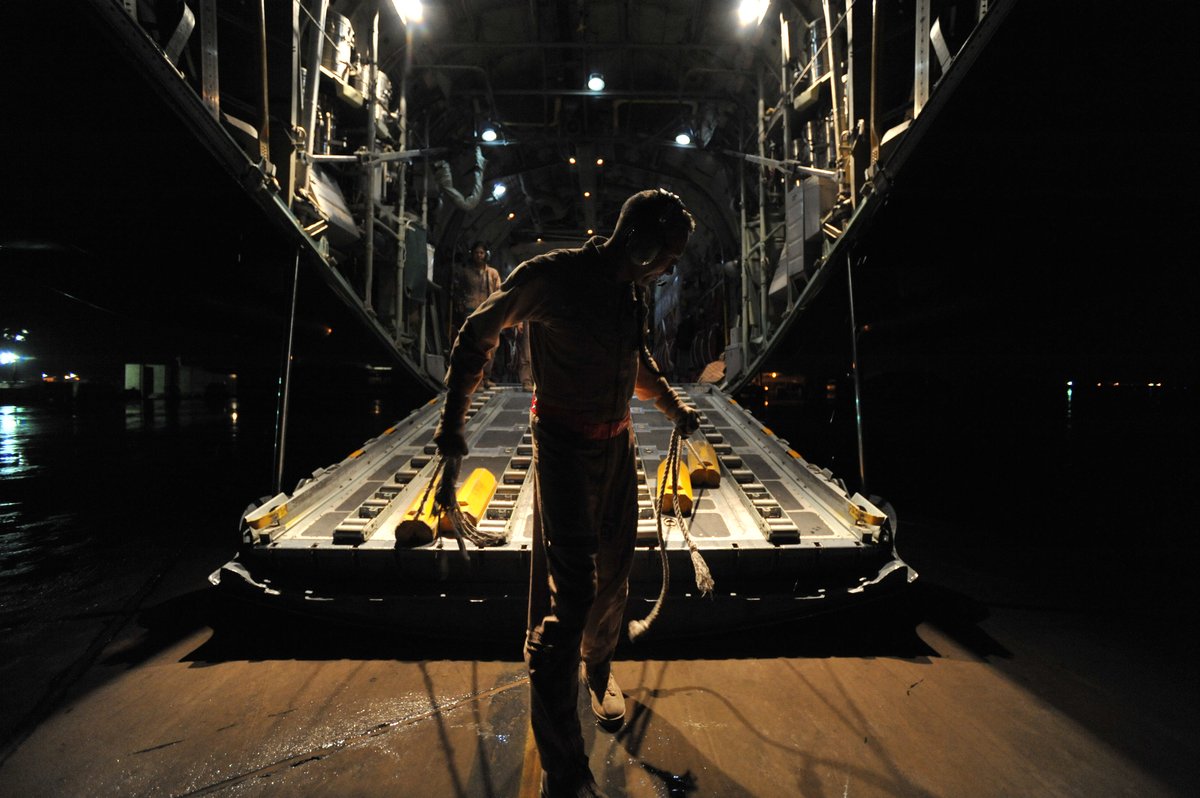
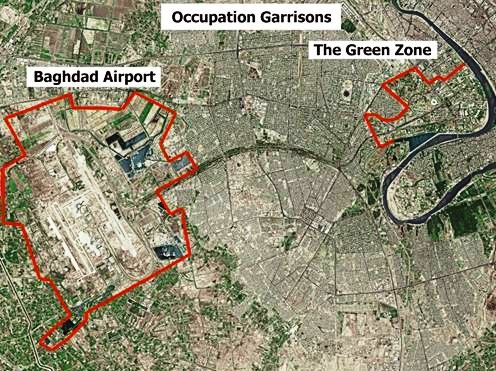
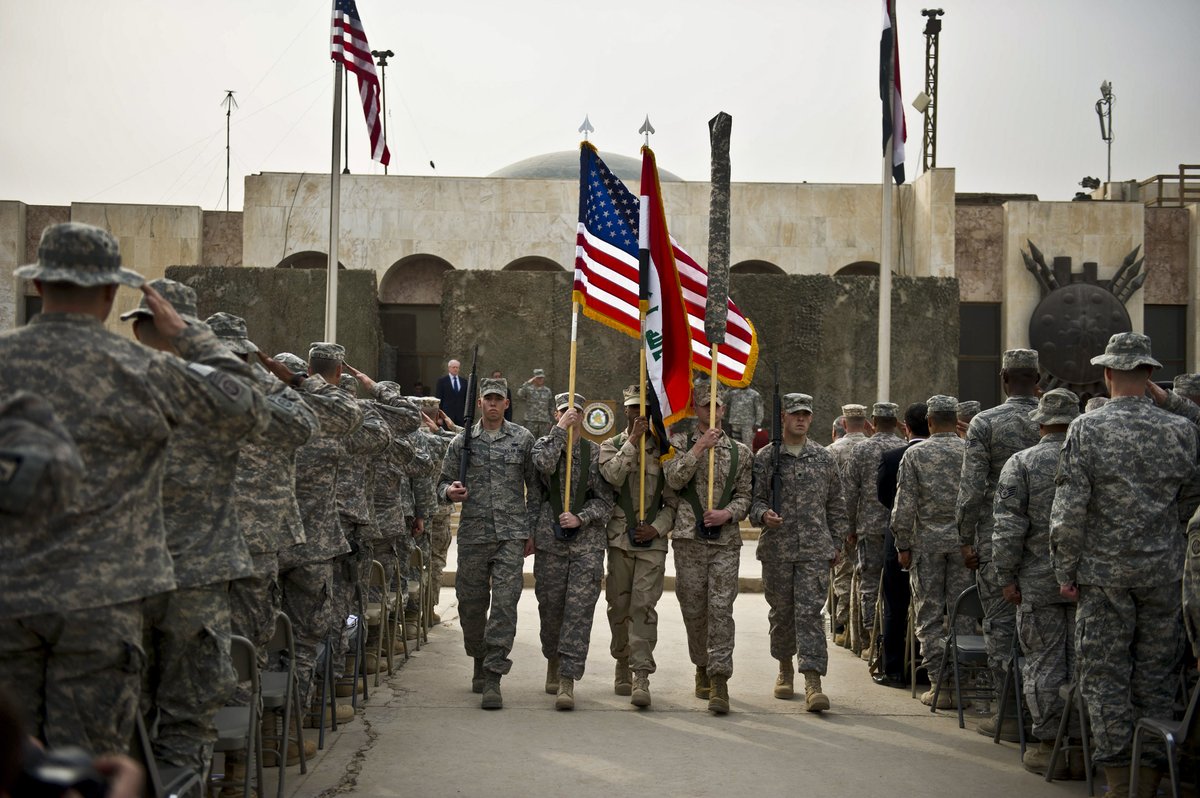
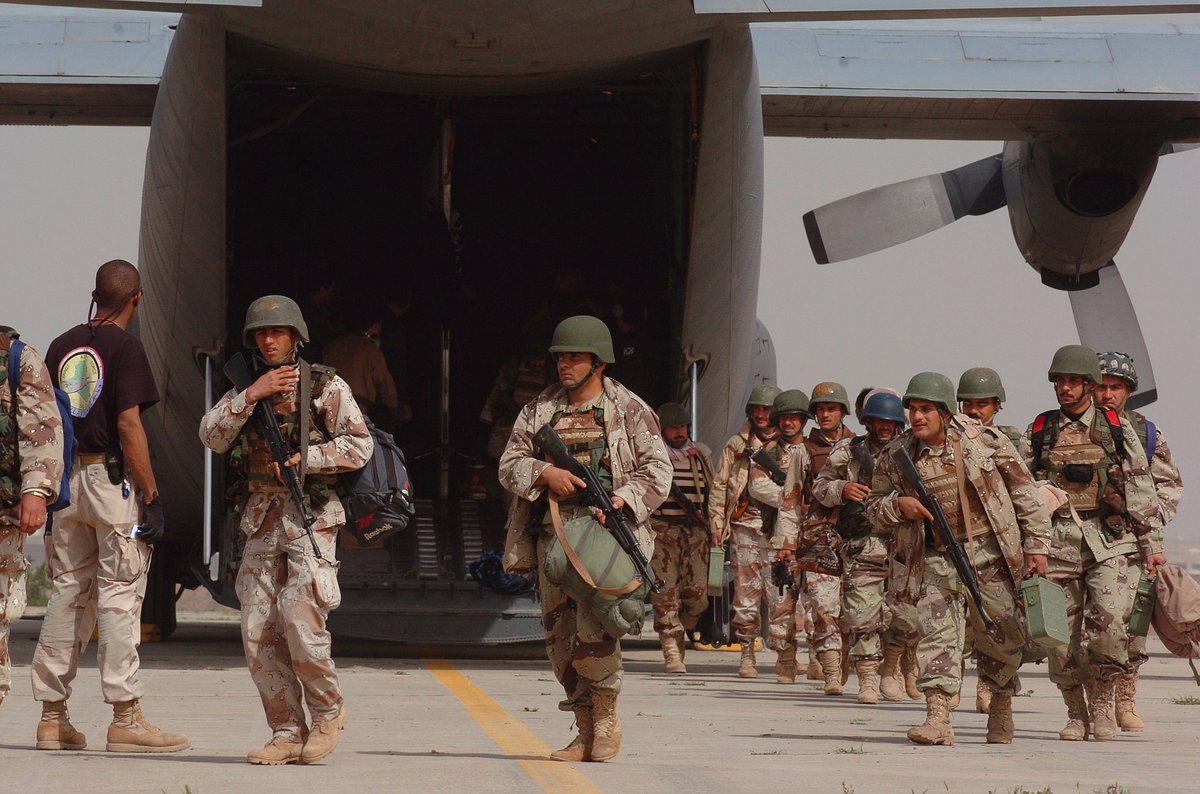
Coalition forces captured the airport in 2003, subsequently renaming it Baghdad International Airport (BIAP) and updating its codes to ICAO: ORBI and IATA: BGW. While the airport became a strategic military hub, limited civilian flights resumed in July 2003, though security and infrastructure remained significant challenges (Airports Worldwide).
Post-Conflict Recovery and Modernization (2005–Present)
Gradual Resurgence
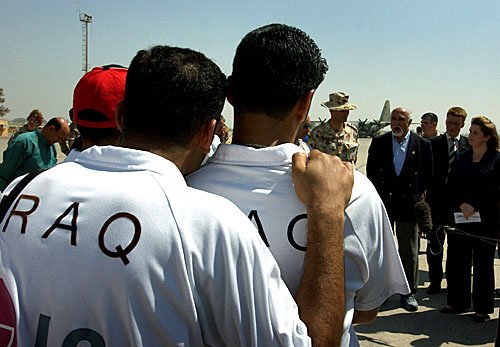
From 2005 onwards, the airport gradually reopened to regular scheduled flights. The return of Turkish Airlines in 2008, the first European carrier since sanctions, symbolized a renewed international connection (Airports Worldwide). Passenger numbers began to rise as security conditions improved.
Expansion and Modernization Initiatives
In 2010, plans to double the airport’s capacity to 15 million passengers per year were announced, involving the construction of three new terminals. Recent years have seen significant refurbishments and upgrades, including improved terminals and runways and enhanced passenger services, thanks to partnerships with global organizations like the IFC (Shafaq News).
Military and Strategic Significance
The New Al Muthana Air Base, located within the airport complex, supports Iraqi Air Force squadrons, highlighting the airport’s continued dual civil-military role (Wikipedia).
Symbolism and Role in Iraq’s National Identity
Baghdad International Airport has become a symbol of Iraq’s resilience and aspirations for the future. Its selection as the principal gateway during Baghdad’s recognition as the Arab Tourism Capital for 2025 underscores its importance to the country’s cultural and economic revival (Travel and Tour World).
Practical Visitor Information
Visiting Hours and Tickets
Baghdad International Airport operates 24 hours a day, seven days a week, accommodating both international and domestic flights. There is no general admission fee; entry is granted to travelers and airport personnel with valid tickets and identification.
Check-in and Security Procedures
Travelers should arrive at least three hours before international departures. Security protocols are comprehensive, involving detailed baggage screening and identity checks. Assistance services for disabled visitors are available—request in advance if needed.
Airport Facilities and Navigation Tips
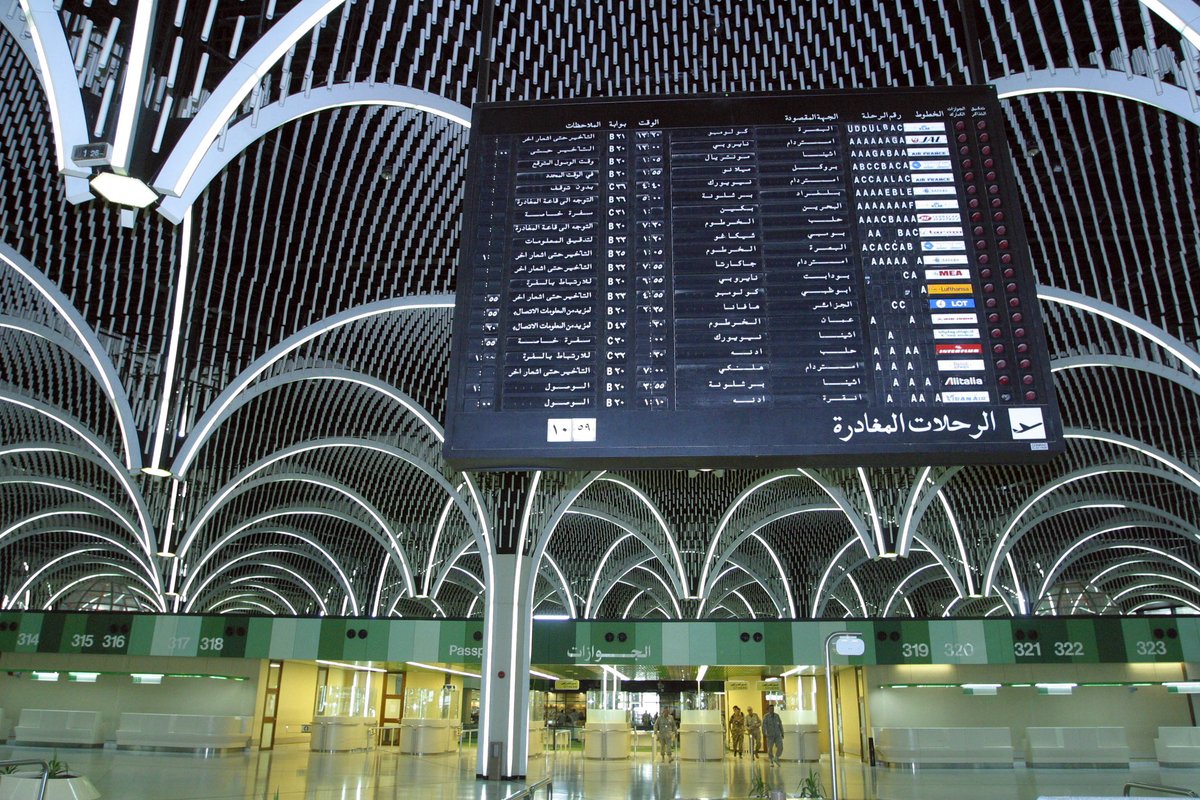
- Terminals The airport features three main terminals (A, B, and C), with Terminal A primarily serving Iraqi Airways.
- Amenities Facilities include VIP lounges, duty-free shops, cafes, and currency exchange services.
- Transportation Taxis and car rentals operate outside the terminals. It is advisable to pre-arrange transportation for convenience and safety.
Nearby Attractions and Cultural Sites
While in Baghdad, travelers can explore several nearby sites:
- National Museum of Iraq A treasure trove of Mesopotamian artifacts.
- Abbasid Palace An architectural relic from Baghdad’s golden age.
- Al-Mustansiriya School One of the world’s oldest universities and a gem of Islamic architecture.
- Al-Shaheed Monument A striking memorial commemorating Iraq’s fallen soldiers.
Additionally, traditional markets and the scenic Tigris River promenade offer opportunities for cultural immersion.
Guided Tours and Special Events
Guided tours are available through reputable operators, often including airport transfers and visits to major historical and cultural sites. The airport and city occasionally host special events, particularly during regional festivals and Arab Tourism Capital celebrations.
Architectural and Operational Features
- Location 16–24 km west of central Baghdad (LCA LogCluster).
- Capacity Originally designed for 7.5 million passengers annually, with expansion projects targeting 15 million (Airports Worldwide).
- Facilities Modernized runways, upgraded taxiways, and a high-security VIP terminal.
- Management Operated by the Iraqi Civil Aviation Authority under the Ministry of Transportation.
Challenges and Resilience
The airport has endured closures, security incidents—including rocket attacks—and infrastructural damage. However, ongoing modernization and enhanced security measures have helped restore its role as Iraq’s principal international gateway (County Local News).
Frequently Asked Questions (FAQ)
Q: What are the airport’s operating hours?
A: Baghdad International Airport is open 24/7.
Q: How do I purchase tickets for flights?
A: Through airline websites, travel agencies, or at the airport’s airline counters.
Q: What should I expect at security?
A: Thorough screening, including baggage checks and ID verification. Arrive early to allow for delays.
Q: Are there accessible facilities for disabled travelers?
A: Yes, assistance and accessible amenities are available on request.
Q: Which historical sites are nearby?
A: The National Museum of Iraq, Abbasid Palace, Al-Mustansiriya School, and local souks.
Al-Mustansiriya School: A Window into Baghdad’s Scholarly Past
Introduction
Located in central Baghdad, the Al-Mustansiriya School is an iconic monument reflecting the city’s Islamic scholarly traditions and architectural grandeur. Founded in 1227 AD during the Abbasid Caliphate, it is one of the oldest universities in the world and a must-visit for history and culture enthusiasts.
Historical Significance
Commissioned by Caliph Al-Mustansir, the school served as a premier center for Islamic learning, featuring studies in theology, law, medicine, and literature. Its architecture—characterized by ornate brickwork, mosaic tiles, and grand arches—epitomizes Baghdad’s medieval zenith.
Visitor Information
- Visiting Hours Saturday to Thursday, 8:00 AM – 5:00 PM. Closed Fridays and public holidays.
- Admission Entry is free; donations are encouraged for preservation. Guided tours can be arranged for a small fee.
- Guided Tours In-depth tours provide historical context and insight into the monument’s significance.
- Photography and Accessibility Photography is welcome. The site is wheelchair accessible; advance notice is advised for assistance.
How to Get There
Situated near the Tigris River and Al-Mutanabbi Street, Al-Mustansiriya School is best reached by taxi or private transport due to limited public transport options.
Nearby Attractions
- Al-Mutanabbi Street Known for bookshops and literary culture.
- Abbasid Palace Another historic architectural gem.
- National Museum of Iraq Showcasing Mesopotamian artifacts.
Practical Tips
- Dress modestly, respecting local customs.
- Bring water and sun protection in summer.
- Check for special events or exhibitions.
- Arrive early to avoid crowds.
FAQ
Q: Is the monument free to visit?
A: Yes; guided tours may incur a fee.
Q: Are English-speaking guides available?
A: Yes, if arranged in advance.
Q: Is it open on Fridays?
A: No, it is closed on Fridays.
Q: Is it suitable for children?
A: Yes, it’s educational and family-friendly.
Al-Shaheed Monument: Symbol of Sacrifice and Remembrance
Introduction
The Al-Shaheed Monument, or Martyrs' Monument, is one of Baghdad’s most striking sites. Dedicated to the memory of Iraqi soldiers lost in the Iran-Iraq War, its split turquoise dome has become a symbol of national pride.
History and Cultural Significance
Created by architect Saman Kamal and completed in 1983, the monument’s design features a split dome, symbolizing loss and remembrance. The site also includes a museum, reflecting pool, and gardens, offering profound insight into Iraq’s modern history.
Visiting Information
- Hours Daily, 8:00 AM – 6:00 PM; extended in summer.
- Tickets Free for Iraqis; around 5,000 IQD (approx. $3) for foreigners.
- Guided Tours Available upon request.
Getting There
- From Airport Private transfers or official taxis are safest; public transport is not advised.
- Within Baghdad Use reputable taxi services or ride-hailing apps.
Nearby Sites
- National Museum of Iraq
- Al-Mutanabbi Street
- The Green Zone
Accessibility
The monument is wheelchair accessible; arrange assistance in advance if needed.
Special Events and Photography
Commemorative events are held on national holidays. The monument is especially photogenic at sunrise and sunset.
Practical Tips
- Dress conservatively.
- Carry identification.
- Visit during daylight hours.
- Check security advisories.
FAQ
Q: Are there entrance restrictions?
A: Yes, security screening is required.
Q: Is photography allowed?
A: Yes, but drones are prohibited.
Q: Are there facilities nearby?
A: Vendors and restaurants can be found nearby.
Al-Mustansiriya Madrasa: Baghdad's Timeless Monument
Introduction
Al-Mustansiriya Madrasa is a jewel of Baghdad’s heritage, offering insight into the city’s golden age of Islamic scholarship. Founded in the 13th century, it stands as a symbol of Baghdad’s intellectual and architectural achievements.
History and Cultural Significance
Founded in 1227 AD by Caliph Al-Mustansir, the madrasa was a beacon for Islamic learning, attracting scholars from across the world. Its classic Abbasid architecture—intricate tilework, expansive courtyards, and majestic arches—has been preserved for centuries.
Visitor Information
- Opening Hours Daily, 9:00 AM – 5:00 PM; check for holiday variations.
- Ticket Prices Around 5,000 IQD (approx. $4 USD); discounts for students and groups.
- Accessibility Limited due to historic structure; some accommodations available with advance notice.
Travel Tips & Nearby Attractions
- Getting There Located in central Baghdad; taxis or reputable transport services are recommended.
- Nearby Sites Abbasid Palace, Baghdad Museum, and Al-Mutanabbi Street.
- Best Time to Visit Early morning or late afternoon for ideal lighting and fewer visitors.
Unique Features
- Events Occasional cultural events and exhibitions.
- Guided Tours Available for deeper historical understanding.
- Photography The main entrance, inner courtyard, and carved wooden doors are standout photo spots.
FAQ
Q: Are there restrictions on visiting?
A: Dress modestly; respect photography rules.
Q: Can tickets be purchased online?
A: No, tickets are sold on-site.
Q: Is there a museum on-site?
A: Yes, a small museum provides historical context.
Q: Are there restrooms or cafes?
A: Basic facilities are available; more options nearby.
Summary and Tips for Visiting Baghdad International Airport
Baghdad International Airport stands as a testament to Iraq’s resilience, modernization, and cultural pride. Despite decades of upheaval, it continues to evolve, improving connectivity and facilities for travelers (Airports Worldwide; County Local News). Visitors can enrich their journey by exploring nearby historic sites, such as the Al-Mustansiriya School and Al-Shaheed Monument, which illustrate Baghdad’s storied legacy (Baghdad Tourism; Travel and Tour World).
To ensure a smooth experience, plan ahead with respect to security, visiting hours, and transportation. Engage with local guides and digital tools like the Audiala app for up-to-date information and insider tips.
Baghdad International Airport and its surrounding monuments offer a unique introduction to Iraq’s past, present, and future. Approach your visit with curiosity and respect, and share your experiences to help foster appreciation for Baghdad’s remarkable heritage.