
The Stolpersteine Project: Origins and Expansion
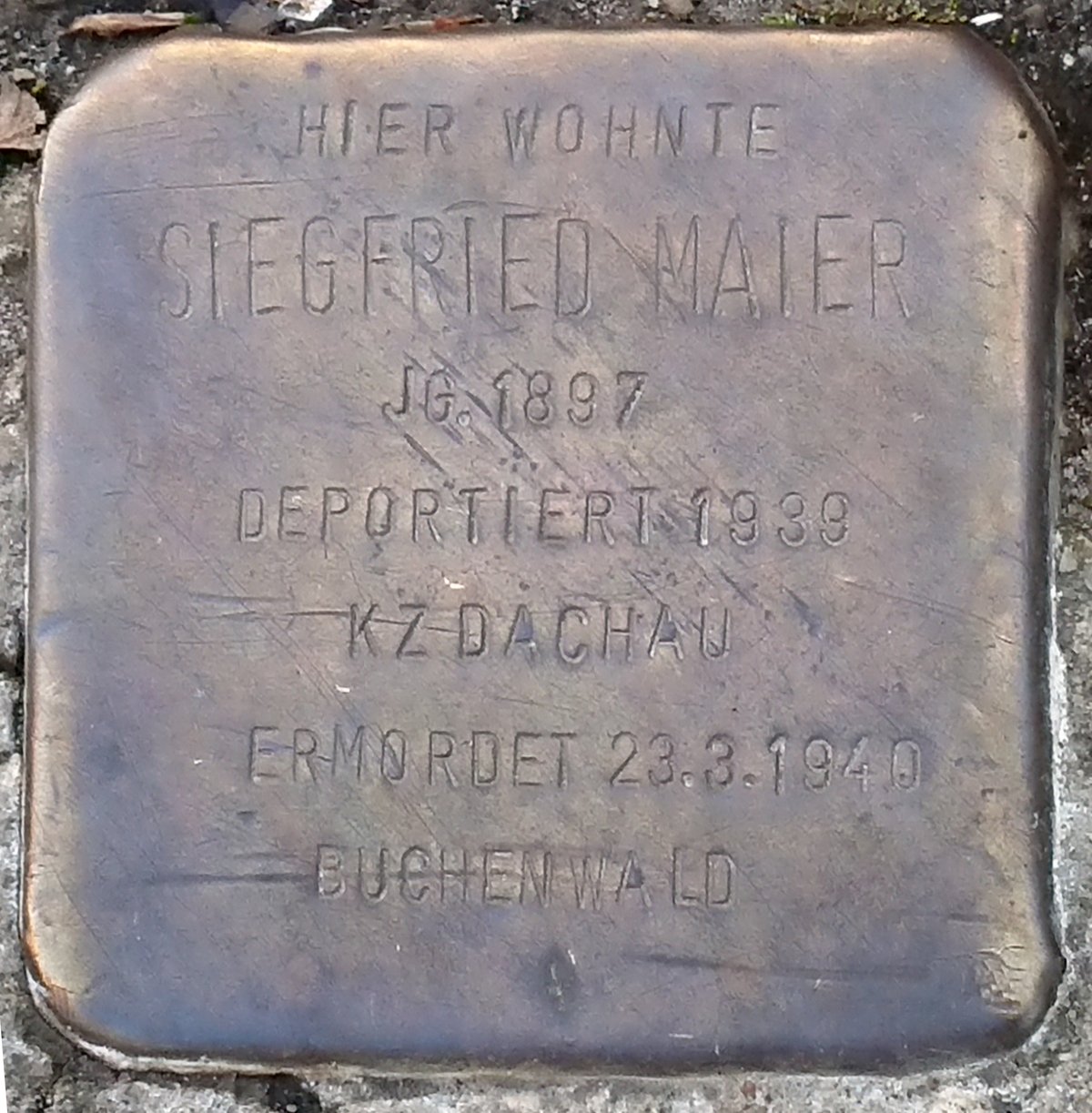
Initiated by German artist Gunter Demnig in the early 1990s, the Stolpersteine (“stumbling stones”) project is a decentralized memorial to the victims of National Socialism. Each Stolperstein is a 10 x 10 cm brass-plated cobblestone, engraved with the name and fate of a victim, and placed outside their last freely chosen residence or workplace. As of 2024, over 107,000 Stolpersteine have been laid in nearly 1,900 towns across 30 European countries, representing Jews, Roma and Sinti, political dissidents, and others persecuted by the Nazis (stolpersteine.eu; pragueviews.com). The project aims to integrate remembrance into daily life, encouraging passersby to “stumble” upon history and reflect on individual stories.
Stolpersteine in Freiburg im Breisgau
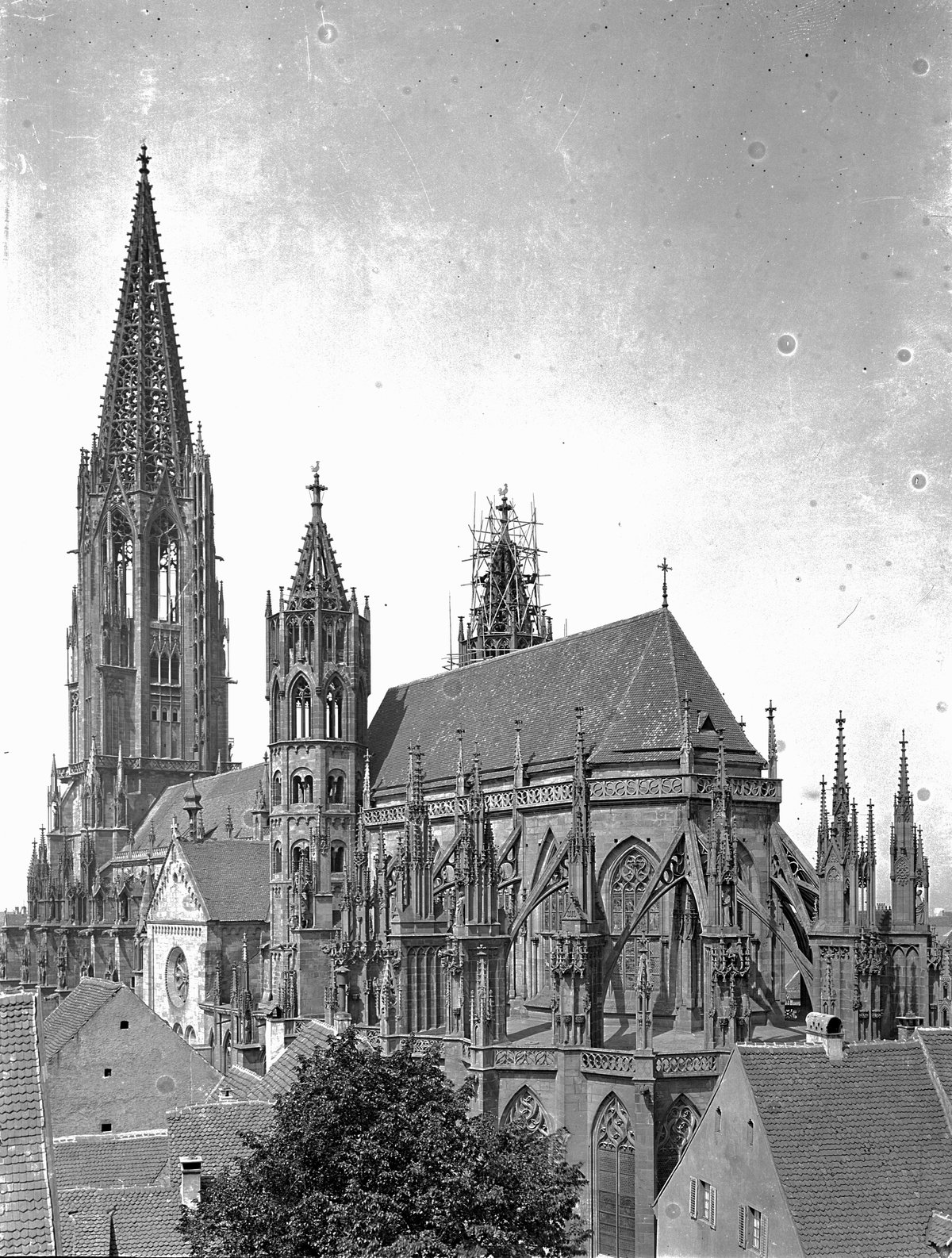
Freiburg, in southwest Germany, was the first city in southern Germany to participate in the Stolpersteine project, with the inaugural stone laid in 2002. Today, more than 500 Stolpersteine commemorate local Jews, Roma, Sinti, political prisoners, and other victims. The project is supported by the city, local historical societies, schools, and the Jewish community, who collectively research victims’ biographies and organize public installation ceremonies (Stolpersteine in Freiburg; Freiburg Tourist Information; commons.wikimedia.org).
Stolpersteine are scattered throughout Freiburg, including near homes, shops, and schools, making the memory of the Holocaust part of the city’s everyday landscape.
Richard Feist: Biography and Memorialization
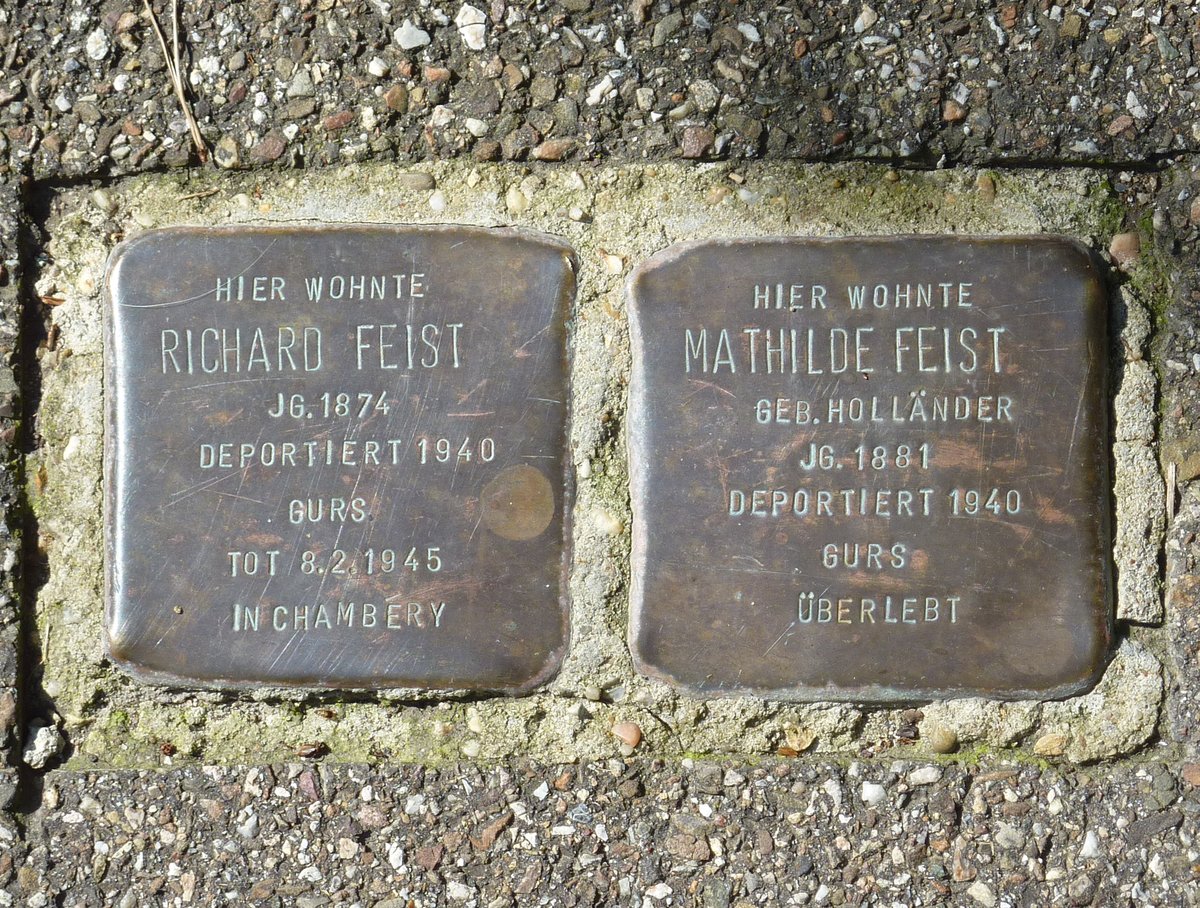
Richard Feist was a Jewish lawyer whose life was irrevocably altered by the rise of National Socialism. Born in Frankfurt in 1874, he became a respected member of Freiburg’s legal community before being stripped of his profession and rights under Nazi persecution. In October 1940, Richard and his wife Mathilde were deported to the Gurs internment camp in France, where Richard died in 1945. Mathilde survived the war (Stolpersteine in Freiburg; Freiburg-Schwarzwald Stolpersteine List).
The Stolperstein for Richard Feist, embedded in the sidewalk at Schöneckstraße 6, marks his last freely chosen residence. The stone’s inscription personalizes his story and transforms the site into a place for reflection and remembrance.
Visiting Hours, Tickets, and Accessibility
- Visiting Hours The Stolperstein is located on a public sidewalk and is accessible at all times, day and night.
- Tickets No tickets or fees are required to visit the Stolperstein or any other Stolpersteine in Freiburg.
- Accessibility The sidewalk at Schöneckstraße 6 is generally smooth and suitable for wheelchair users, though Freiburg’s older streets may feature some cobblestones. There are no steps or barriers at the site (Freiburg Travel Guide).
- Location Schöneckstraße 6, 79104 Freiburg im Breisgau, Germany. The nearest tram stop is “Siegesdenkmal”; from there, it is a short walk to the site. The nearby Kiepenheuer-Institut für Sonnenphysik serves as a useful landmark (Traces of War: Stolpersteine Schöneckstraße 6).
Etiquette and Meaningful Engagement
- Pause and Read Take a moment to read the inscription. Bending down to read symbolizes humility and respect (Germany.info).
- Cleaning Tradition It is customary to gently polish Stolpersteine with a soft cloth, especially on remembrance days (Folklife Magazine).
- Leave a Token Small stones or flowers may be placed beside the Stolperstein, following Jewish tradition.
- Photography Allowed, but please respect residents and avoid blocking the sidewalk.
- Respect Residents Schöneckstraße 6 is a private residence; keep noise to a minimum and do not obstruct entrances.
Nearby Historical Sites in Freiburg
- Other Stolpersteine Freiburg hosts more than 300 Stolpersteine, many within walking distance (Wikipedia: Stolpersteine in Freiburg).
- Jewish Cemetery Elsässerstraße 21, an important site for remembrance.
- Platz der Alten Synagoge Site of the destroyed synagogue, marked by a memorial fountain and model (Badische Zeitung, 2020).
- Stühlinger Kirchplatz Memorial Commemorates the deportation of Baden’s Jews.
- Vordtriede-Haus Memorializing the Vordtriede family and Freiburg’s Jewish journalists (Wikipedia: History of the Jews in Freiburg).
- Freiburg Old Town Offers medieval architecture and insights into the city’s Jewish history (Germany Footsteps).
- Museums Augustinermuseum and Museum für Stadtgeschichte provide historical context on Freiburg during the Nazi era.
FAQ
Q: Where is the Richard Feist Stolperstein located?
A: At Schöneckstraße 6, 79104 Freiburg im Breisgau (coordinates 47.998537, 7.86134).
Q: Are there visiting hours or tickets required?
A: No, the Stolperstein is freely accessible 24/7 on the public sidewalk with no ticket needed.
Q: Are guided tours available?
A: Yes, several organizations and the tourism office offer guided Stolperstein tours.
Q: Is the Stolperstein accessible for people with disabilities?
A: It is generally accessible; the sidewalk is smooth and suitable for wheelchairs.
Q: Can I take photos at the site?
A: Yes, but please be considerate of residents and avoid blocking the entrance.