The Stolpersteine Project: Origins and Purpose
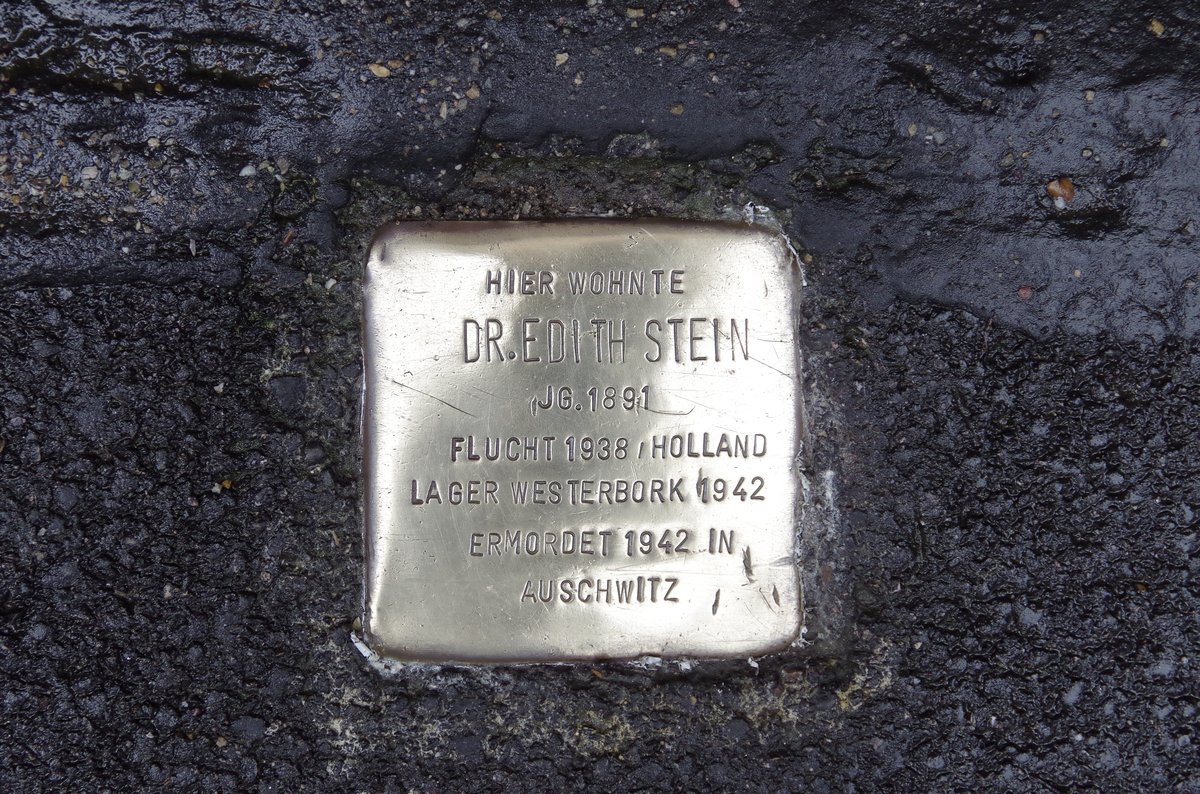
The Stolpersteine project was launched in 1992 by Gunter Demnig to commemorate individuals persecuted and murdered by the Nazi regime. Each Stolperstein is a 10 x 10 cm brass-plated concrete block, inscribed with the name and fate of the victim—be they Jewish, Roma and Sinti, political dissidents, LGBTQ+ individuals, people with disabilities, or others. These plaques are set in the pavement in front of the last freely chosen residence of the victims, symbolically returning names and stories to those who were rendered anonymous by history (Stolpersteine Freiburg; Stolpersteine.eu; Folklife Magazine; IamExpat).
With over 100,000 stones in more than 30 countries, Stolpersteine constitute the world’s largest decentralized memorial, integrating remembrance into the daily life of European cities.
Stolpersteine in Freiburg: History and Community Engagement
Freiburg joined the Stolpersteine project in 2002, with the first stone honoring economist Prof. Dr. Robert Liefmann and his sisters, victims of the Wagner-Bürckel Aktion (Stolpersteine Freiburg Entstehung). Since then, the city has installed Stolpersteine in almost every district—including Brühl, Ebnet, Haslach, Lehen, Mooswald, Oberau, Sankt Georgen, Stühlinger, Waldsee, and Zähringen (Wikipedia Stolpersteine Freiburg). Community engagement is a hallmark of the project in Freiburg: students, descendants, and local volunteers research biographies, clean the stones, and organize remembrance events. More than 700 guided tours have connected locals and visitors with the stories behind the memorials (Stolpersteine Freiburg Über uns).
The Stolperstein for Dr. Robert Lindemann: Location and Significance
Dr. Robert Lindemann was a physician persecuted under the Nazi regime. His Stolperstein is located at Basler Straße 115, 79115 Freiburg im Breisgau, in the Stühlinger district, just south of the city center (Stolpersteine.eu). The stone personalizes the tragedy of the Holocaust by marking the exact place where Dr. Lindemann last lived freely, serving as a powerful reminder of individual fates within the broader historical narrative.
Visiting Hours, Accessibility, and Entry Information
- Visiting Hours The Stolperstein is embedded in a public sidewalk and is accessible 24/7.
- Entry Fee There is no charge or ticket required to visit.
- Accessibility The sidewalk is flush with the surrounding pavement and generally accessible to visitors with mobility impairments, though uneven surfaces may be present due to the city’s historic character.
Getting There:
- By Public Transport From Freiburg Hauptbahnhof, take tram line 3 (direction Vauban) to “Peter-Thumb-Straße”; the stone is a short walk from the stop.
- By Foot/Bicycle About 2.5 km from Münsterplatz (cathedral square), a 30-minute walk or 10-minute bike ride.
- By Car Limited parking nearby; public transport or cycling is recommended due to city traffic policies.
Visitor Etiquette and Best Practices
Stolpersteine are solemn memorials, and visitors are encouraged to:
- Pause and Read Take a moment to read the inscription and reflect on Dr. Lindemann’s life.
- Respect the Space Do not obstruct pedestrian traffic; avoid stepping directly on the stone.
- Photography Discreet photos focusing on the stone are permitted. Avoid intrusive or insensitive poses.
- Tokens of Remembrance Placing flowers, candles, or small stones (according to Jewish tradition) is welcome.
- Cleaning If the stone is dirty, gently clean it with a soft cloth—a meaningful way to participate in remembrance (Stolpersteine.eu).
Nearby Historical Sites and Recommended Itineraries
Enhance your visit with other Freiburg highlights:
- Freiburg Münster The city’s iconic Gothic cathedral.
- Historical Old Town Medieval streets, shops, and cafes.
- Schwabentor and Martinstor Historic gates.
- Jewish Museum Emmendingen In nearby Emmendingen, for broader Jewish history (Jüdisches Museum Emmendingen).
- Augustiner Museum Art and history collections.
Controversies and Perspectives
While the Stolpersteine project is widely embraced, some Jewish organizations have raised concerns about placing memorials in pavements, which might be inadvertently disrespected by foot traffic (LBI News). Some cities, like Munich, have chosen alternative forms of remembrance. Supporters argue that the street-level placement ensures everyday engagement and reflection on the past (IamExpat).
Frequently Asked Questions (FAQ)
Where is Dr. Robert Lindemann’s Stolperstein?
Basler Straße 115, 79115 Freiburg im Breisgau, Stühlinger district.
Are there visiting hours or a fee?
The site is accessible 24/7, and there is no entry fee.
Is the site accessible for visitors with disabilities?
Generally yes, but some uneven pavement is present.
Are guided tours available?
Yes, through local organizations and Freiburg-Guide.de.
Is photography permitted?
Yes, provided it is respectful.
How can I support the Stolpersteine project?
Donations, volunteering, or simply helping clean the stones are all ways to contribute (Stolpersteine Freiburg Entstehung).
Practical Tips for Tourists
- Footwear Wear comfortable shoes due to cobbled streets.
- Weather Visit during daylight for best visibility.
- Safety Be mindful of surroundings and local residents.
- Language Inscriptions are in German; translation apps or Stolpersteine.eu may assist non-German speakers.
- Group Visits For schools and families, prepare with age-appropriate explanations and encourage respectful engagement.
Discover More
The Stolpersteine for Dr. Robert Lindemann—and those throughout Freiburg—offer an accessible, personal, and powerful way to connect with the city’s Holocaust history. By visiting, reflecting, and supporting the project, you help ensure that the stories of victims are not forgotten. Download the Audiala app for audio tours, explore additional resources, and participate in ongoing remembrance efforts. Each visit is a step toward sustaining memory and fostering a culture of tolerance.