
History and Expansion of the Stolperstein Project
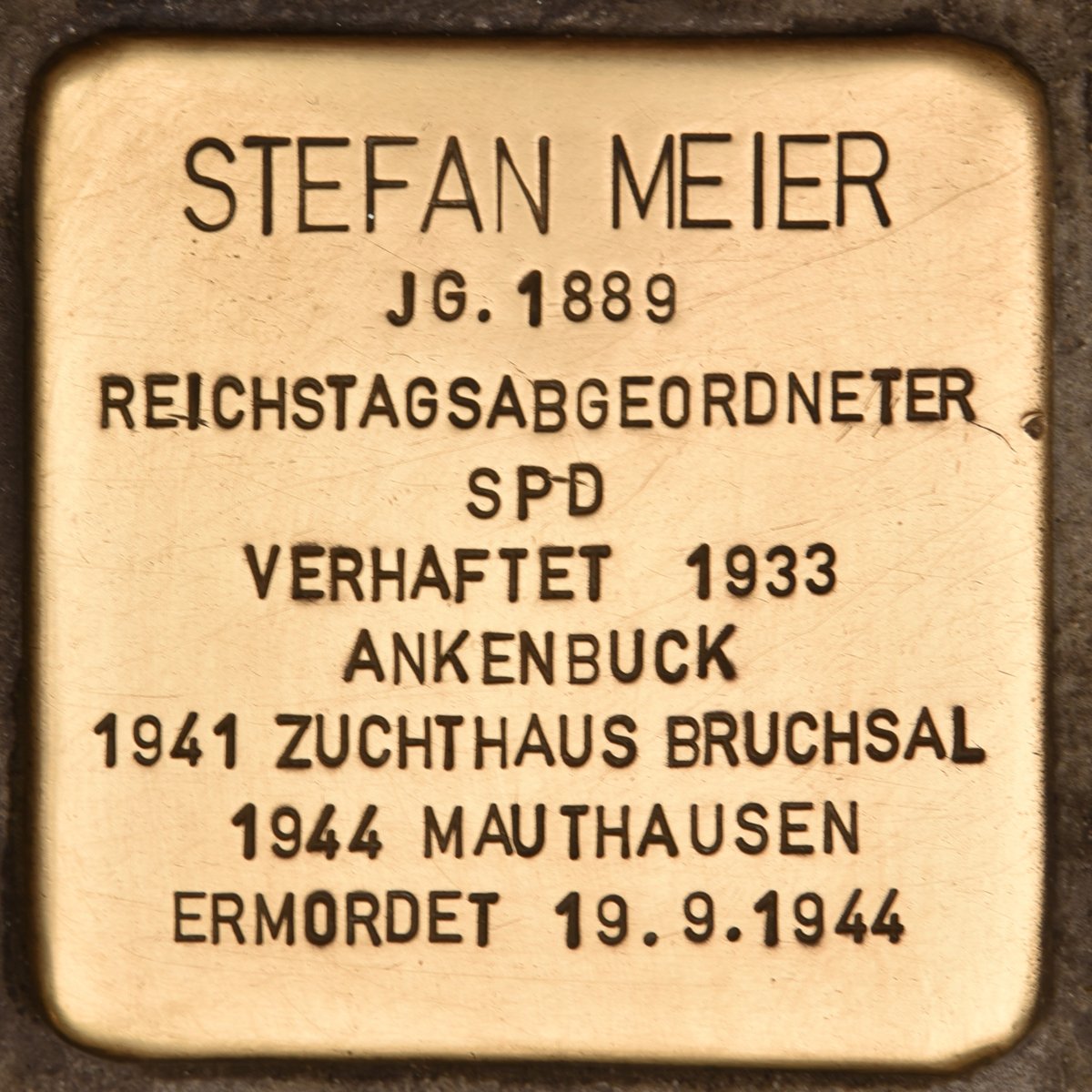
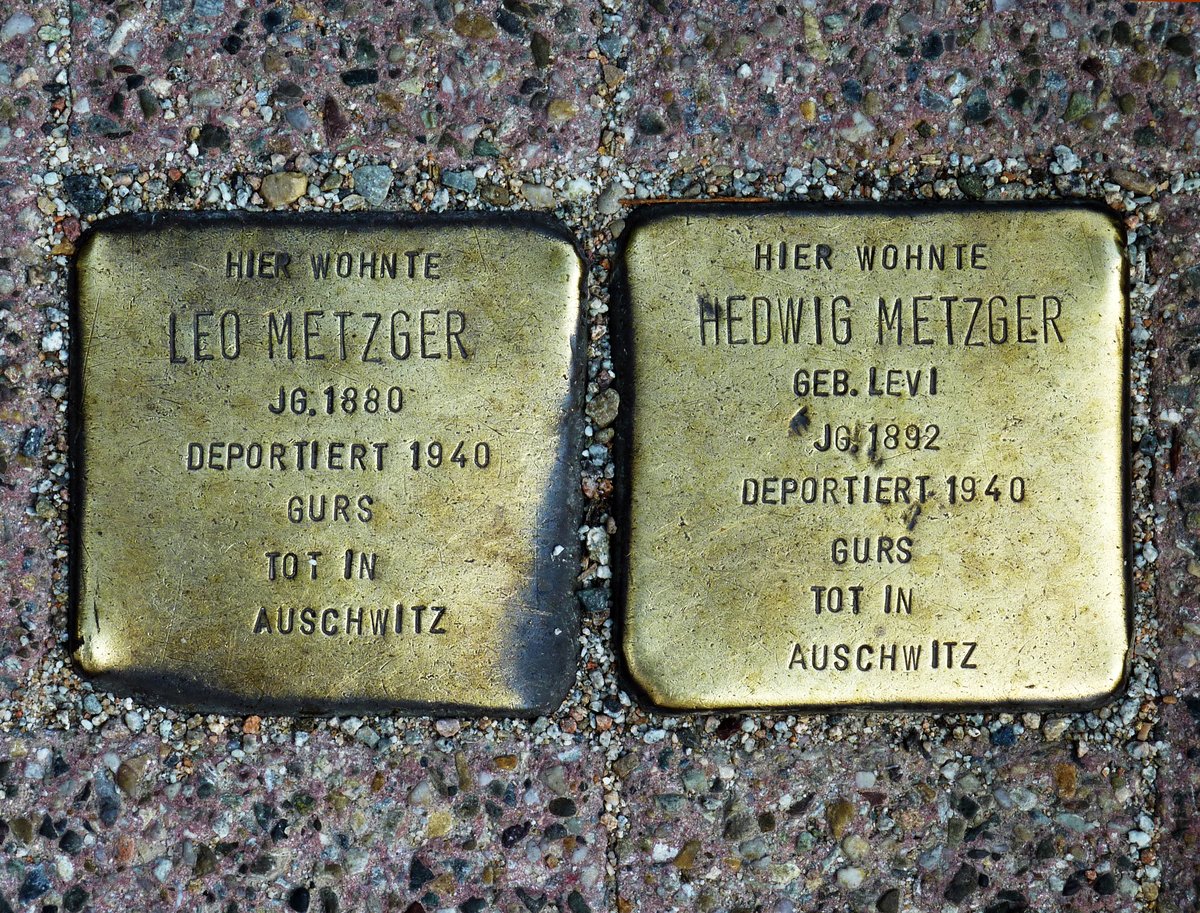
The Stolperstein project began in 1992 when Gunter Demnig installed the first stones in Cologne, Germany, as a grassroots, decentralized memorial to victims of Nazi persecution. Each Stolperstein is a 10 x 10 cm concrete cube topped with a hand-engraved brass plate that bears the victim’s name, birth date, fate, and (if known) place and date of death (Prague Views). The project's guiding principle is inspired by the Talmudic saying: “A person is only forgotten when his or her name is forgotten.”
From its origins, the project has grown organically through local research, donations, and participation. Today, over 100,000 Stolpersteine have been installed across 31 European countries, with grassroots involvement ensuring the stories behind each stone are carefully researched and commemorated (Down From Orbit; Wikipedia).
Stolpersteine in Freiburg: Distribution and Significance
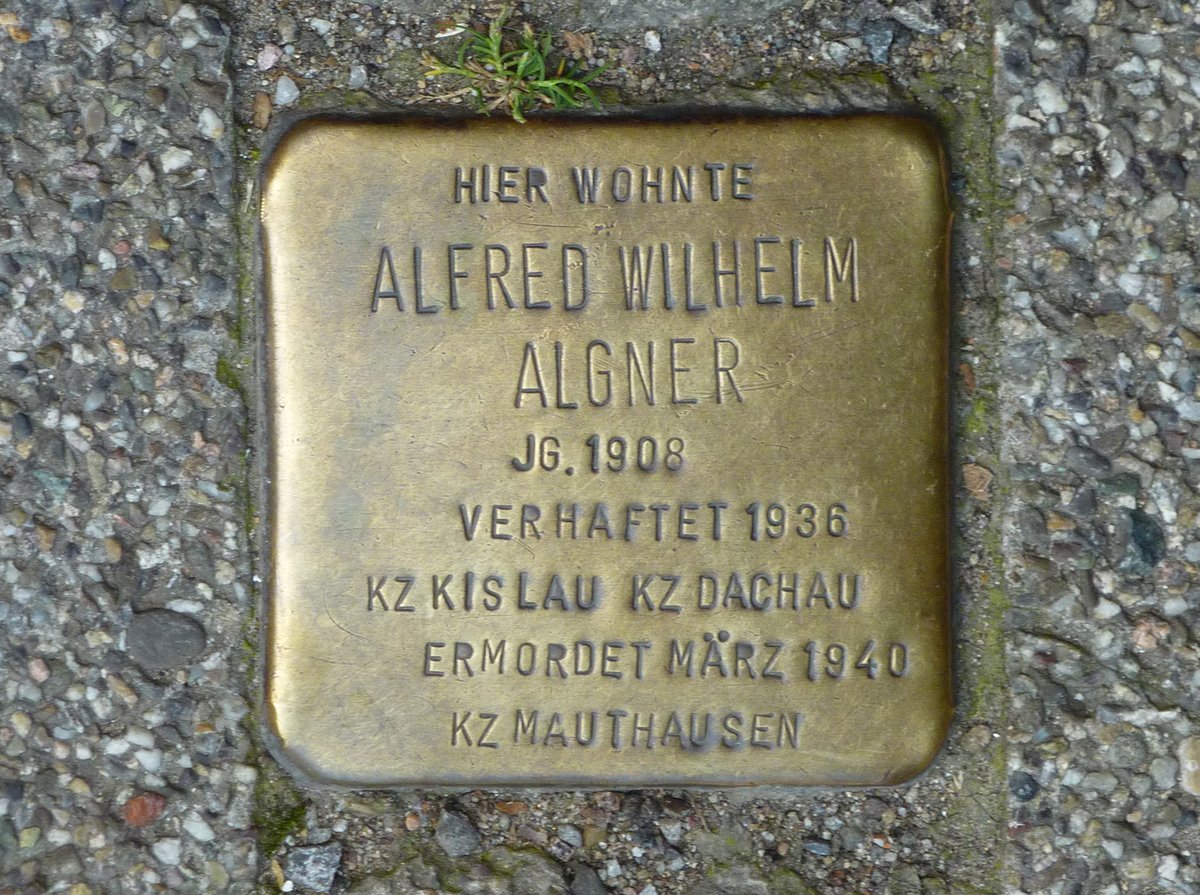
Freiburg has embraced the Stolperstein project since 2002. As of 2025, there are 483 stones throughout districts such as Altstadt, Brühl, Ebnet, Lehen, and Mooswald (Wikipedia: Liste der Stolpersteine in den Freiburger Außenbezirken). Alfred Wilhelm R. Algner’s Stolperstein, located in Lehen, is a poignant example of how these memorials personalize history by highlighting individuals who resisted tyranny and suffered for their beliefs.
The symbolism of the Stolpersteine lies both in their physical placement—literally causing passersby to "stumble" upon memory—and in their integration into daily life, reminding residents and visitors alike that these tragedies occurred in familiar, everyday spaces (Wikipedia; Prague Views).
Community Involvement and Maintenance
Freiburg’s Stolpersteine project is sustained by active community participation. Research is often conducted by local historians, students, and relatives of the victims. Organizations such as Haus des Engagements and Treffpunkt Freiburg e.V. provide support for remembrance projects, while the Arbeitsgemeinschaft Freiburger Bürgervereine coordinates neighborhood events, including annual cleaning campaigns to keep the brass plaques legible.
These efforts are supported by the city administration, which provides resources, permits, and collaborates with NGOs to ensure the stones are maintained and new ones can be installed (Freiburg Engagement Overview). Schools also play a vital role by integrating Stolpersteine research into their curricula, promoting intergenerational dialogue and education.
Visitor Information: Accessibility, Tours, and Travel Tips
Accessibility and Visiting Hours
Stolpersteine are public, outdoor memorials embedded in pavements and are accessible at all times, free of charge. Their placement at sidewalk level generally ensures accessibility for wheelchair users, though some older areas may have uneven paving. Visitors should be mindful of street traffic when pausing to read inscriptions.
Guided and Self-Guided Tours
The Tourist Information Office offers scheduled guided tours focusing on Stolpersteine and related historical sites. These tours include personal stories and historical context. Maps and brochures for self-guided tours are available both online and at tourist centers. Mobile apps such as Audiala offer audio guides and augmented reality experiences related to Stolpersteine.
Travel Tips
- Wear comfortable shoes for walking between sites.
- Respect the memorials by pausing to read and reflect, and by not stepping directly on the brass plates.
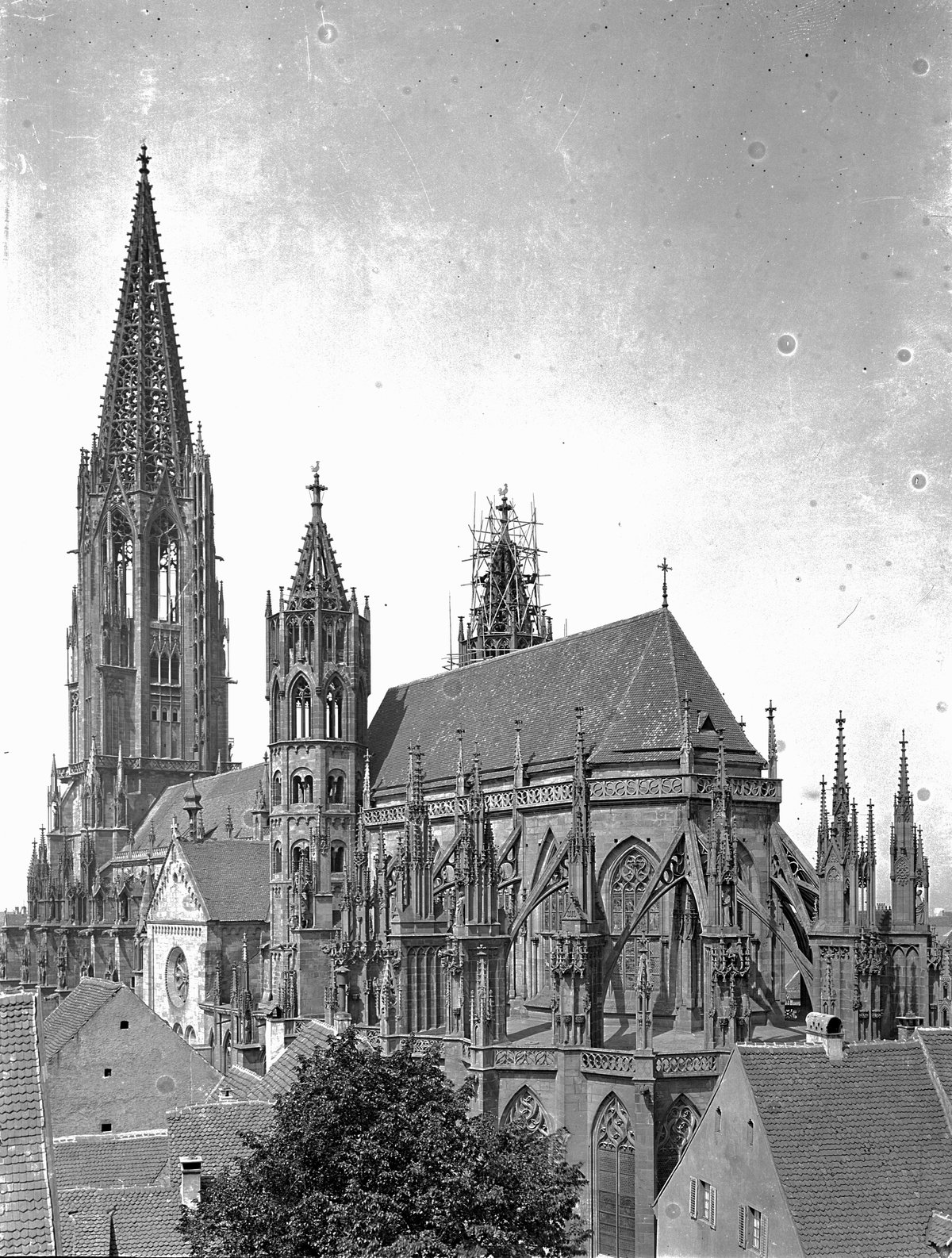
- Consider combining your visit with Freiburg’s other historical attractions, including the Freiburg Minster and local museums.
Preservation and Local Initiatives
Community volunteers and organizations regularly clean and maintain the Stolpersteine, particularly ahead of Holocaust Remembrance Day and other significant anniversaries. Visitors can participate in these activities or support local remembrance work via Mitmachbörse Freiburg.
The Alfred Wilhelm R. Algner Memorial: History, Visiting Details, and Educational Value
Historical Background
The Alfred Wilhelm Reinhold Algner Memorial was established in 2022 in the Lehen district, near Algner’s childhood home at Breisgauer Straße 29 (formerly Dorfstraße 14). Algner, born in 1908, was a Jehovah’s Witness who refused to conform to Nazi mandates, including saluting Hitler and performing military service. His steadfast resistance led to his arrest and deportation to the Mauthausen concentration camp, where he ultimately perished (Jehovah’s Witnesses History).
Cultural and Educational Significance
The memorial not only honors Algner’s personal story but also sheds light on the broader persecution of Jehovah’s Witnesses and other religious minorities under the Nazi regime. It serves as a site for reflection on human rights, religious freedom, and the courage to resist oppression.
Visiting Details
- Opening hours Monday to Sunday, 9:00 AM to 6:00 PM (Mapcarta)
- Admission Free
- Guided tours Available on weekends and by appointment for groups; educational workshops are offered for schools
- Accessibility Wheelchair-accessible, with ramps and tactile information for visitors with visual impairments
Directions
- Address Dorfstraße 14, Lehen district, Freiburg im Breisgau
- Public Transport Tram lines 1 and 3 stop at Lehen; tram lines 2 and 4 stop at “Lehen Bahnhof”
- Parking Limited parking available nearby
Nearby Attractions
- Freiburg Minster Gothic cathedral, 2 km from the memorial
- Augustiner Museum Local art and history exhibitions
- Schlossberg Offers panoramic city views and hiking trails
Frequently Asked Questions (FAQ)
Q: Do I need a ticket to visit the Stolpersteine or the Algner Memorial?
A: No, both are public memorials and free to visit at any time.
Q: Are guided tours available?
A: Yes, guided tours are available for both the Stolpersteine and the Algner Memorial. Bookings can be made through the Tourist Information Office or the memorial itself.
Q: Are the sites accessible for visitors with disabilities?
A: Yes, both the Stolpersteine and the Algner Memorial are generally accessible, though some pavements may be uneven in older neighborhoods.
Q: Can I participate in community activities related to these memorials?
A: Yes, organizations such as Mitmachbörse Freiburg list volunteer opportunities and upcoming events.
Q: Where can I find more information or resources?
A: For detailed information and updates, consult Stolpersteine in Freiburg, the Stolperstein Database, and Freiburg Historical Sites.
Discover More
The Stolperstein dedicated to Alfred Wilhelm R. Algner and the nearby memorial offer a deeply personal and educational window into the history of Nazi persecution, religious resistance, and the ongoing struggle for human rights. By integrating remembrance into public spaces, Freiburg ensures that the memory of individuals like Algner endures and that visitors are invited to reflect on their significance.
We encourage you to plan your visit using the resources provided, participate in local remembrance activities, and share your experiences to help preserve these vital lessons for future generations. Download the Audiala app for interactive tours, follow local organizations on social media, and stay updated on new installations and commemorative events.
Sources and Further Reading
- Stolpersteine Project, 2023, Wikipedia (Wikipedia)
- Stolpersteine in Freiburg, 2025, Official Website (Stolpersteine in Freiburg)
- Stolpersteine Facts and Figures, 2024, Stolpersteine.eu (Stolpersteine.eu)
- Alfred Wilhelm Reinhold Algner Memorial, 2022, Local Freiburg Sources (Mapcarta)
- Visiting Stolpersteine in Freiburg, 2024, Tourist Information Freiburg (Tourist Information Freiburg)
- Jehovah’s Witnesses History in Germany, JW.org (Jehovah’s Witnesses History)
- Freiburg Historical Sites, 2025, Official City Page (Freiburg Historical Sites)