
Origins and Early Foundations
The story of Freiburg Minster begins with the founding of Freiburg in the early 12th century. The original church, commissioned by the Dukes of Zähringen around 1120, laid the foundation for what would become a centuries-long architectural endeavor (Wikipedia). By 1200, the city’s ambitions grew, prompting the construction of a grander church on marshy ground—an effort that spanned nearly 300 years (Explorial).
Architectural Evolution: From Romanesque Roots to Gothic Glory
Transition to Gothic
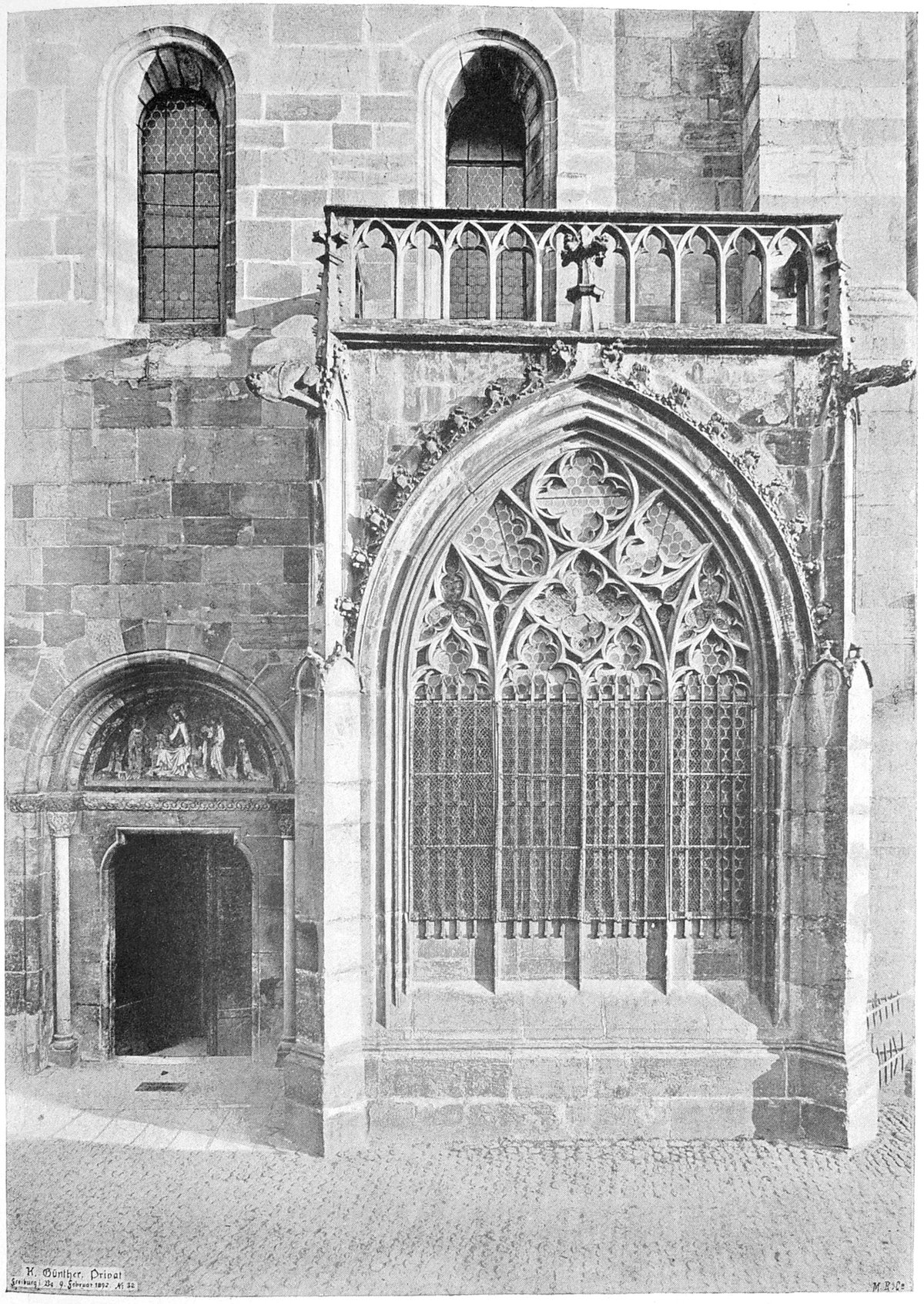
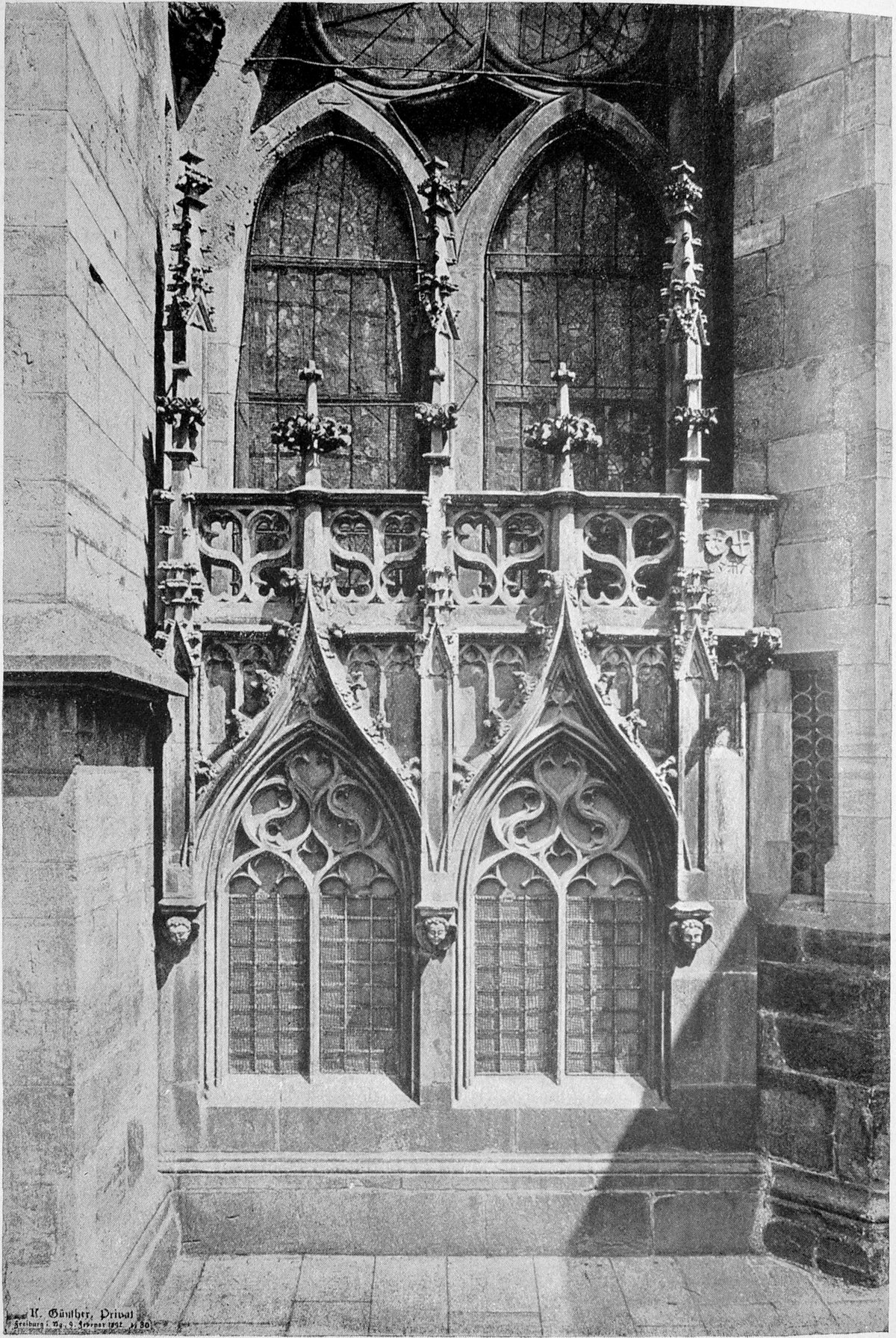
Freiburg Minster’s earliest sections reflect late Romanesque influences—thick walls, rounded arches—before shifting toward the Gothic style in the 13th century. This transition is visible in the contrasting eastern and western nave bays, where ribbed vaults and flying buttresses showcase Gothic innovation (The Gothic World).
The Iconic Spire and Structural Innovations
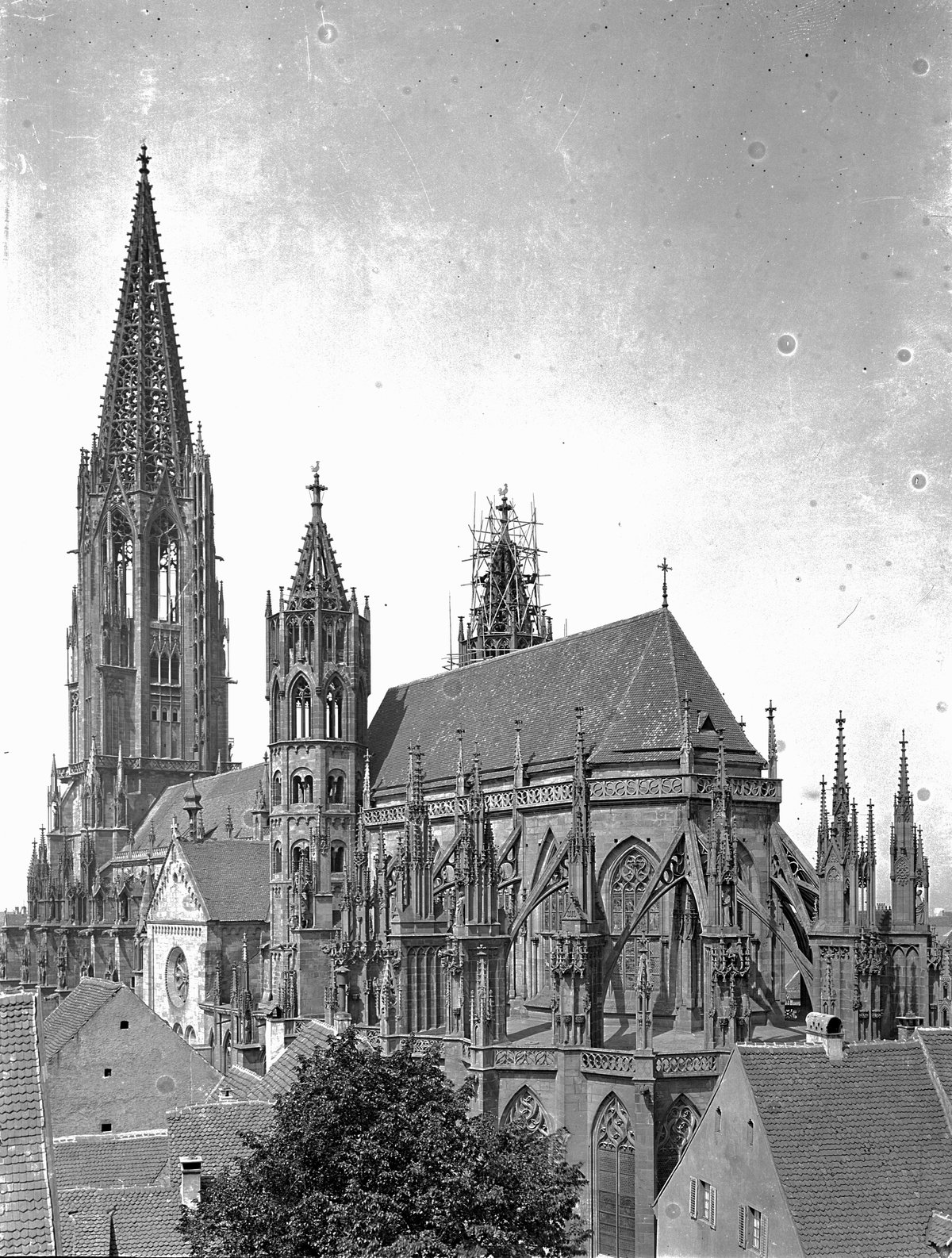
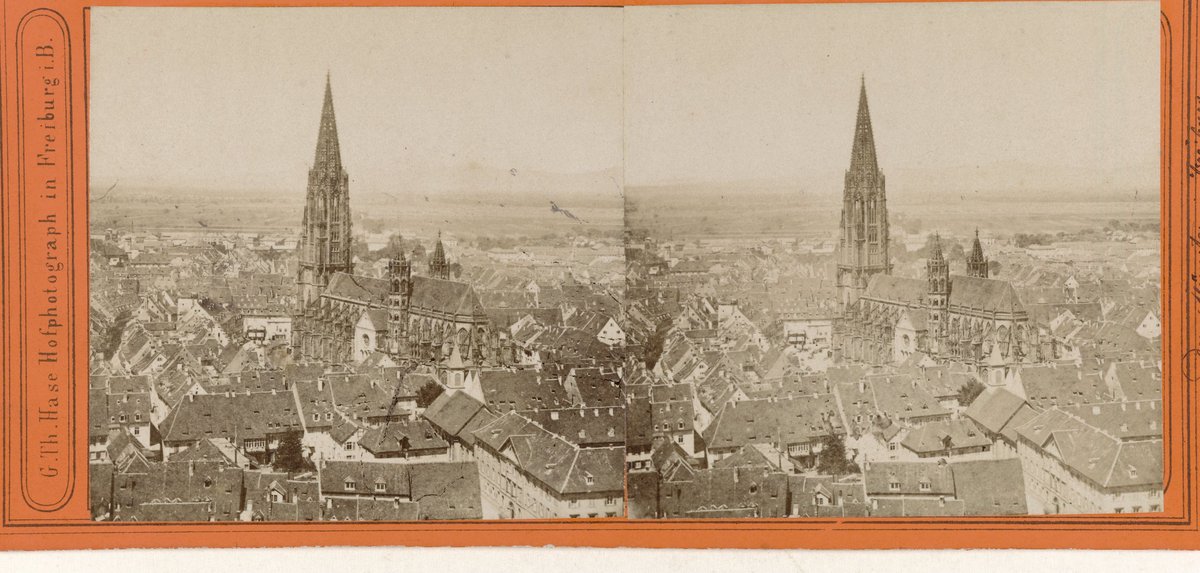
The Minster’s defining feature is its 116-meter openwork spire, completed in the 14th century and acclaimed by art historian Jacob Burckhardt as “the most beautiful spire on earth” (Schwarzwaldportal). This intricate structure, built mainly from red sandstone, remains a marvel of medieval engineering.
Renaissance, Baroque, and Restoration
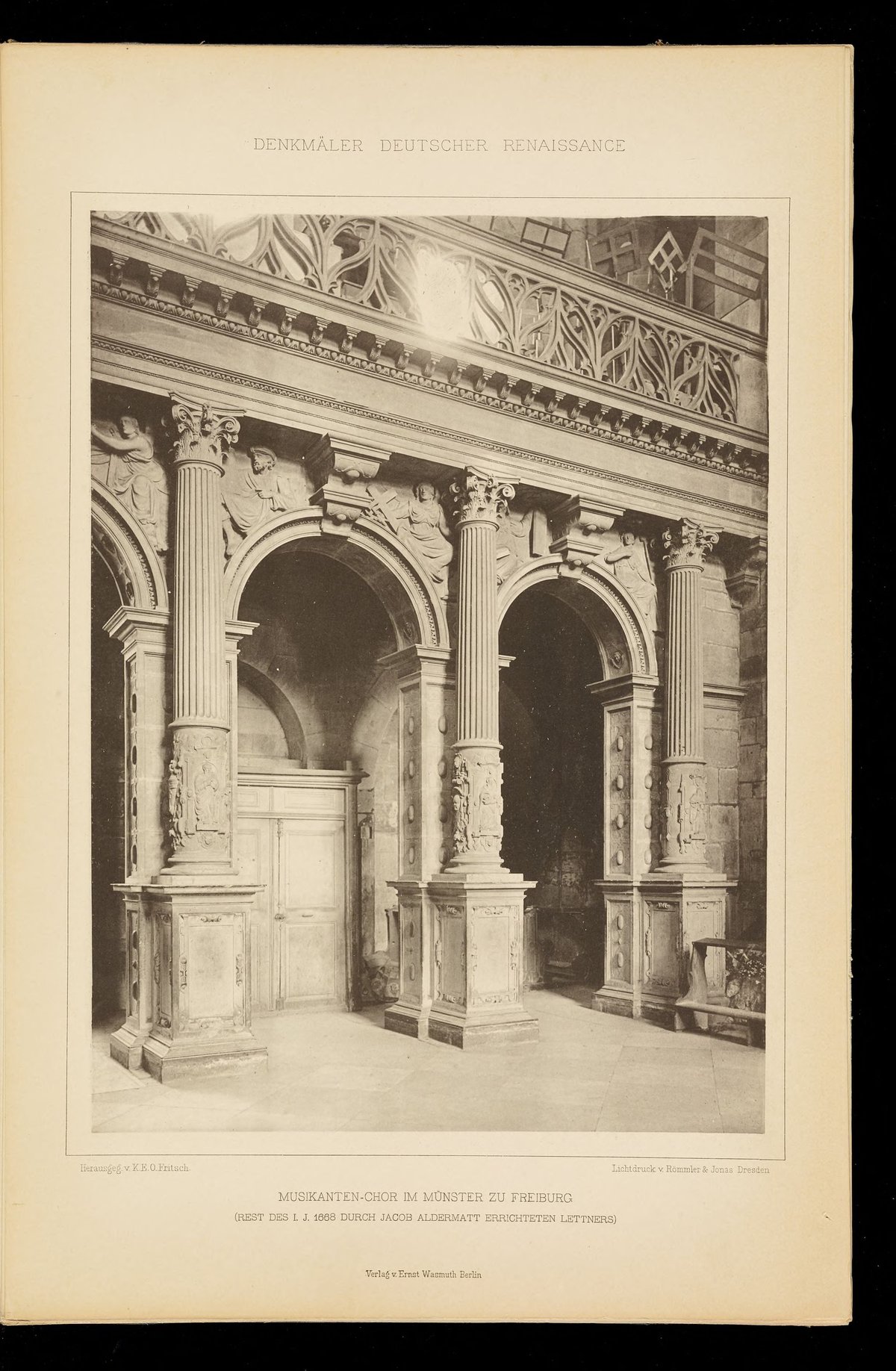
Subsequent centuries brought Renaissance chapels and Baroque embellishments, most of which were removed during the 19th-century Gothic Revival. Restoration campaigns emphasized medieval authenticity, especially after Freiburg became an episcopal seat (Wikipedia).
Cultural and Religious Significance
A Cathedral Built by the People
Unlike many European cathedrals, Freiburg Minster was funded primarily by local citizens, earning its reputation as a “People’s Cathedral” (Explorial). It remains a center for Catholic worship, community gatherings, and city festivals (Germany Guide).
Artistic and Musical Heritage
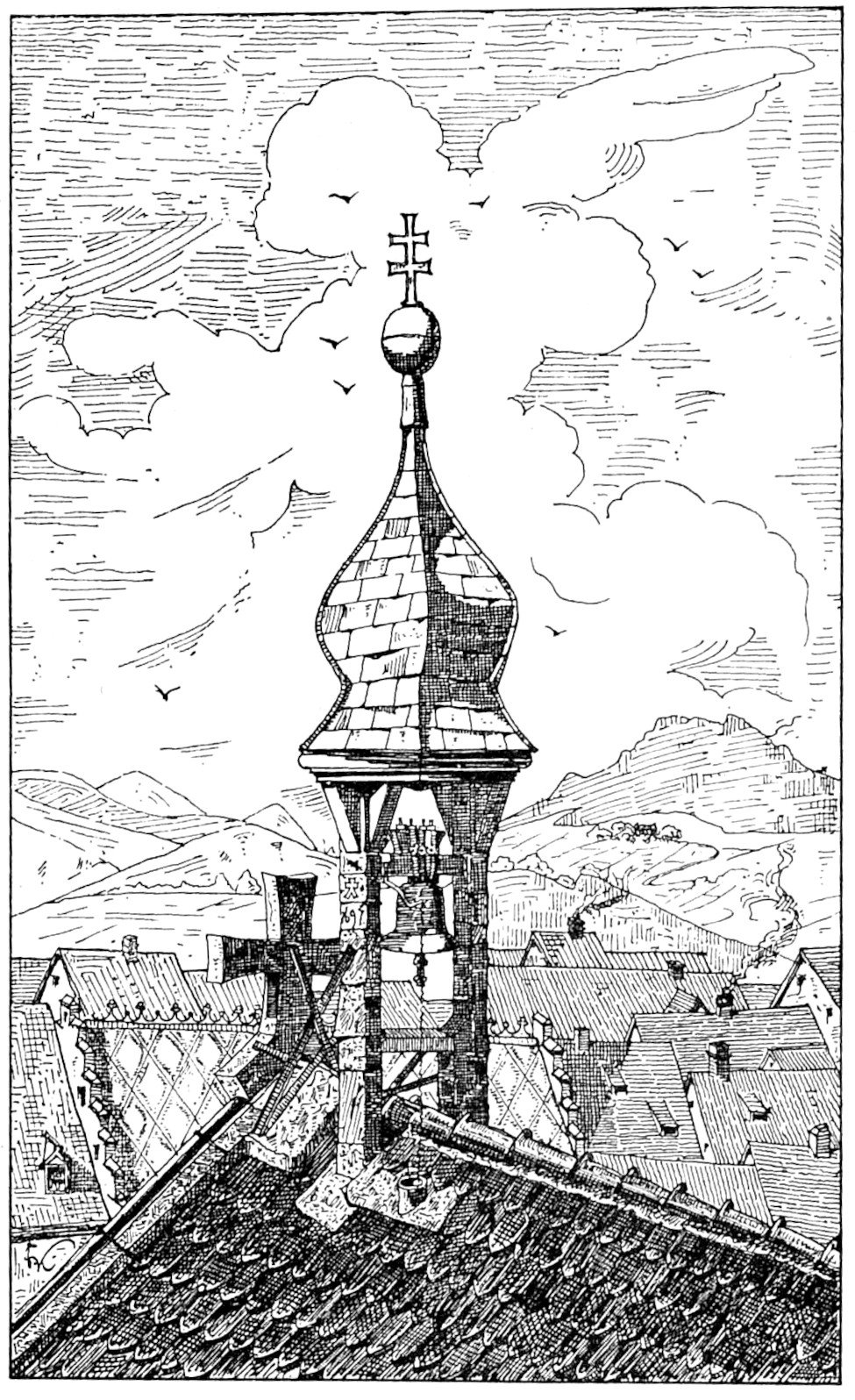
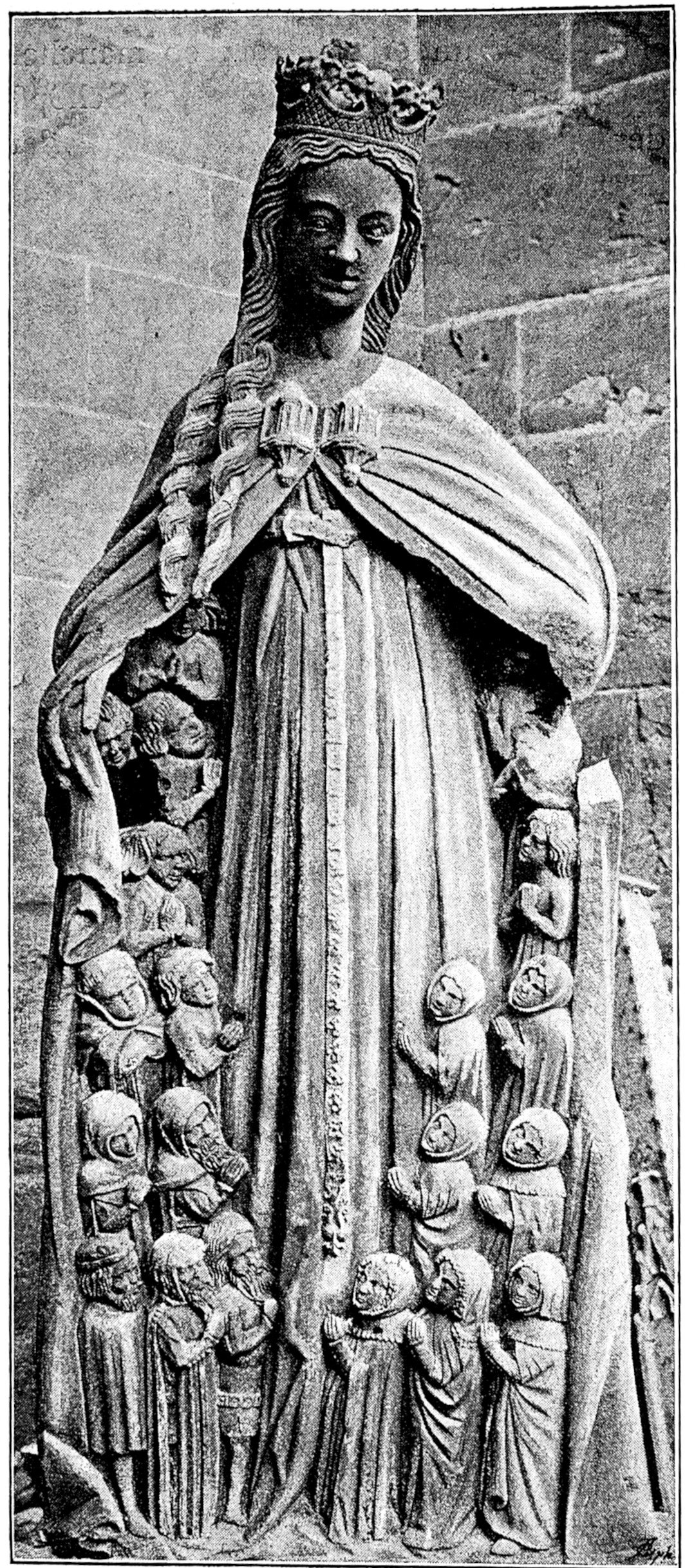
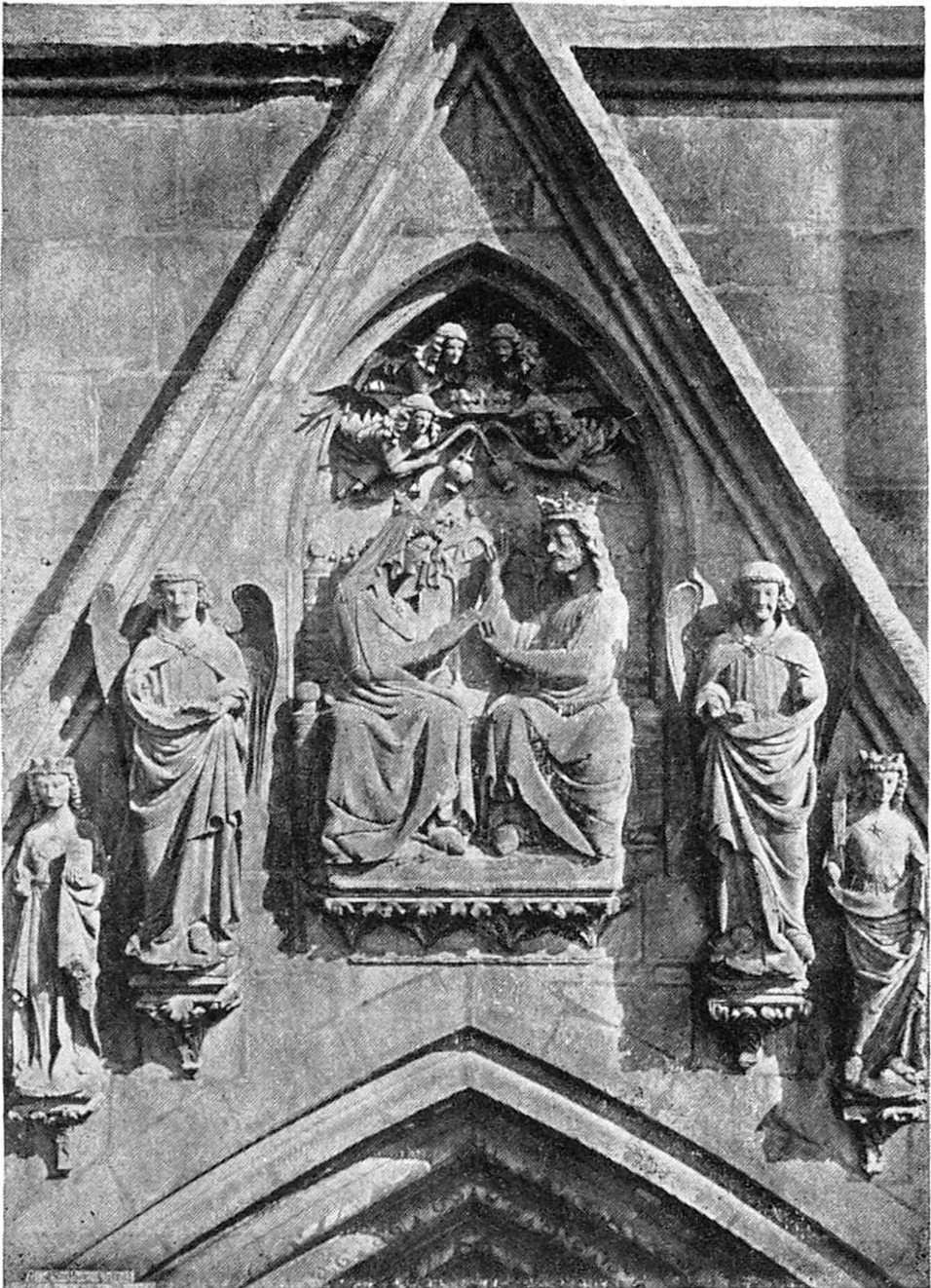
The Minster houses outstanding medieval sculptures, stained glass windows from the 13th and 14th centuries, and one of Germany’s oldest bell ensembles—including the “Hosanna” bell from 1258 (The Gothic World). The grand pipe organ, regularly featured in concerts, adds to the cathedral’s musical tradition.
Symbol of Resilience
Remarkably, the Minster withstood the Allied bombing of Freiburg in 1944, sustaining only minor damage thanks to the swift action of local citizens. Restoration was completed by the 1950s, preserving its historical integrity (The Gothic World).
Notable Events, Legends, and Civic Life
The Marketplace and the Mooning Gargoyle
Münsterplatz, the square around the Minster, has hosted Freiburg’s bustling market since medieval times (Explorial). Among the Minster’s many gargoyles is the notorious “mooning gargoyle,” said to be the stonemason’s cheeky protest against unpaid wages—a symbol of the city’s independent spirit (Fancy4Work; History Bank Credit).
Ongoing Preservation
Modern conservation efforts focus on mitigating sandstone decay and environmental challenges, ensuring the Minster’s legacy for future generations.
Visitor Information: Hours, Tickets, and Travel Tips
Visiting Hours
- Cathedral Open daily, typically from 9:00 AM to 6:00 PM. Hours may vary on holidays or during special services—always check the official website or local information for updates.
Tickets and Guided Tours
- Entry Free to the nave and main areas.
- Tower Climb €4-€5 for adults; discounts for children, students, and seniors. Tickets are available at the tower entrance or online (Germany Footsteps).
- Guided Tours Offered in several languages, focusing on history, art, and architecture. Advance booking is recommended during peak periods.
Accessibility
- The main nave and ground floor are wheelchair accessible.
- The tower climb involves over 300 steps via a narrow spiral staircase and is not suitable for those with mobility impairments.
Travel Tips
- Transport Easily reachable by foot, tram, or bus from anywhere in the city center.
- Best Times Early mornings or late afternoons on weekdays are quieter. Visit during the daily market (except Sundays) for a lively local experience (Triplyzer).
- Dress Code Modest attire is required; respect silence during services.
- Photography Allowed without flash or tripods (observe signage for restrictions).
Highlights of Your Visit
Exterior and Münsterplatz
Admire the Minster’s intricate Gothic façade, flying buttresses, and gargoyles. The spire offers panoramic views for those who climb the tower (The Crazy Tourist).
Interior Features
- Stained Glass Medieval windows funded by local guilds (Germany Footsteps).
- Altarpiece Hans Baldung Grien’s Renaissance masterpiece.
- Choir Stalls & Organ Finely carved woodwork and a grand organ with over 4,300 pipes (Triplyzer).
- Astronomical Clock A rare medieval mechanism (Triplyzer).
Surroundings and Amenities
- Münsterplatz Daily market (except Sundays), surrounded by cafes, bakeries, and the Museum für Stadtgeschichte (Germany Footsteps).
- Nearby Attractions Explore the Bächle water channels, Old Town, and other historical sites.
Frequently Asked Questions (FAQ)
Q: What are the Freiburg Minster visiting hours?
A: Typically 9:00 AM to 6:00 PM daily, but check the official website for current information.
Q: Is there an entrance fee?
A: Entry to the nave is free; the tower climb requires a ticket (about €4-€5).
Q: Is Freiburg Minster accessible?
A: The main floor is accessible; the tower is not suitable for wheelchairs.
Q: Are guided tours available?
A: Yes, in several languages—book online or at the visitor desk.
Q: Can I take photos inside?
A: Yes, but no flash or tripods. Observe any additional restrictions.