Origins and Medieval Role
Martinstor was first mentioned in records dating to 1238, making it one of Freiburg’s oldest surviving city gates (Schwarzwaldportal). Originally built as part of the city’s fortifications, it served as a principal southern entrance and was integral to Freiburg’s medieval defenses. Known historically as the Norsinger Tor, it faced the nearby village of Norsingen and was one of five main defense towers connected by battlements.
Architectural Evolution
Standing 22 meters tall in its initial form, Martinstor underwent significant changes over the centuries. In the late 19th century, the city’s expansion and the advent of the electric tram prompted a major renovation (1899–1901), led by architect Carl Schäfer. The structure was heightened to approximately 60 meters, and its base was modified to accommodate modern transport while retaining its late Gothic character. The transformation seamlessly blended preservation with urban necessity, ensuring Martinstor’s continued relevance (Wikipedia; Schwarzwaldportal).
Cultural and Social Significance
Named after Saint Martin of Tours, patron saint of travelers and soldiers, Martinstor has long symbolized hospitality, protection, and civic pride. Its survival through wars and urban development reflects Freiburg’s commitment to heritage conservation. The gate’s silhouette is a defining feature of the city’s skyline, encapsulated by Mayor Otto Winterer’s famous declaration: “Villages have roofs, cities have towers” (Schwarzwaldportal).
Beyond its architectural merit, Martinstor is a focal point for social interaction. Located on the bustling Kaiser-Joseph-Straße, it anchors Freiburg’s pedestrian zone, serving as a natural gathering place for residents, students, and visitors alike. The immediate area comes alive during seasonal festivals and city events, reinforcing Martinstor’s role as a living part of Freiburg’s urban landscape (Wanderingermany).
Site of Remembrance
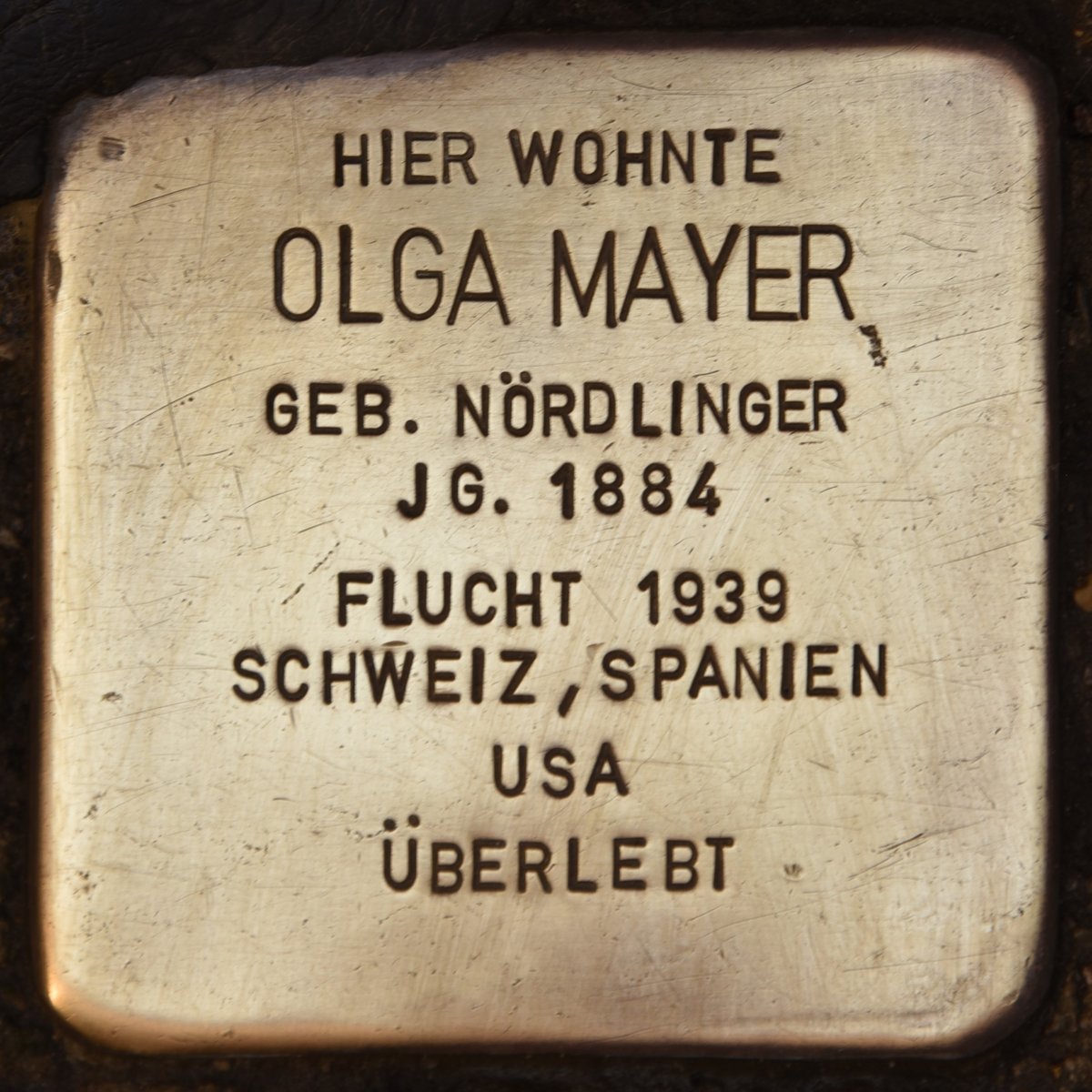
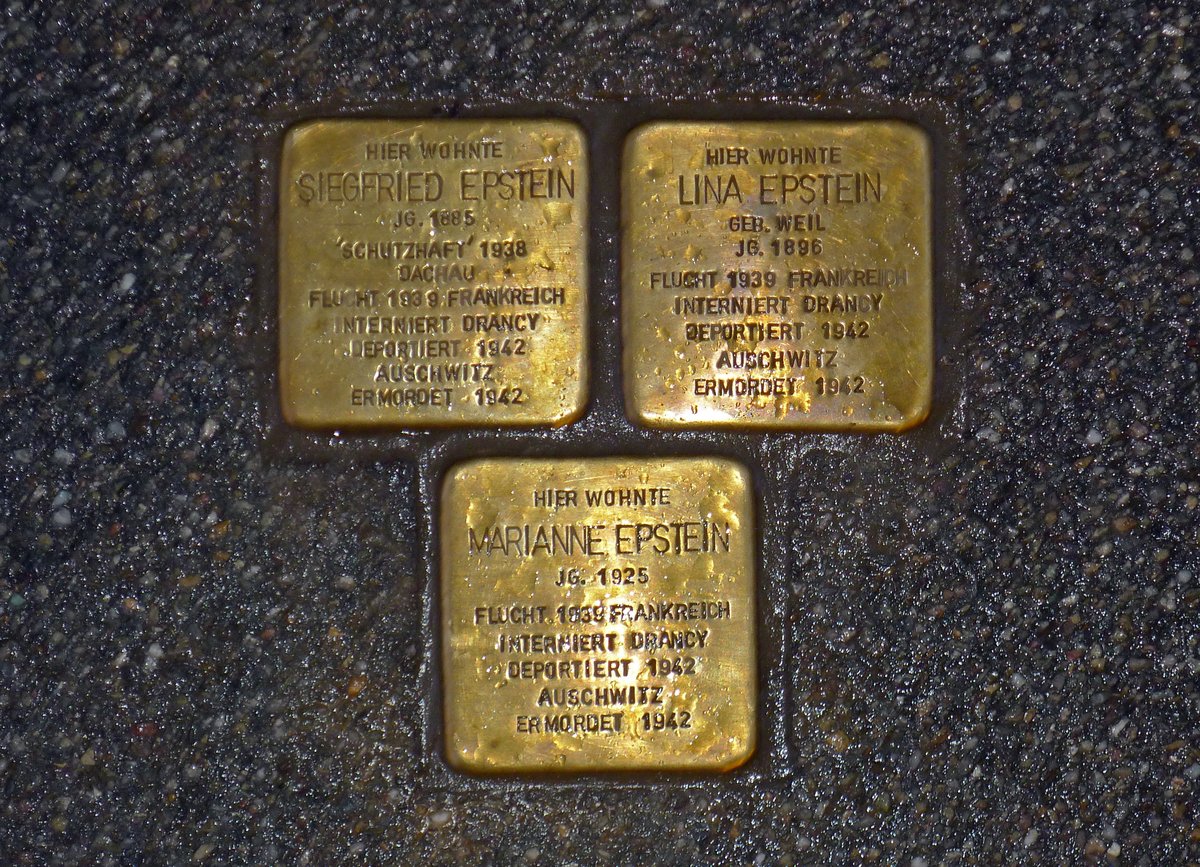
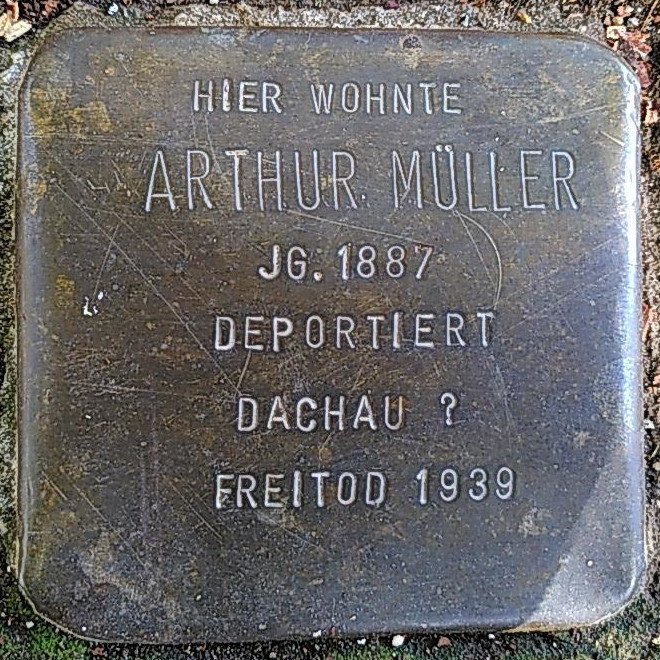
Martinstor is also a site of historical reflection. A plaque near the gate commemorates three women executed for witchcraft in 1599, acknowledging a somber chapter in Freiburg’s past (Wikipedia). This serves as a reminder of the city’s willingness to confront its history openly.
Visiting Martinstor: Practical Information
Visiting Hours and Tickets
Martinstor is an outdoor monument that can be visited at any time—24 hours a day, 7 days a week. There is no admission fee or ticket required to view or photograph the gate. The interior is not open to the public due to safety regulations and private use (Visit Freiburg; Explorial).
Accessibility
The surrounding pedestrian zones are flat and accessible to wheelchairs and strollers. However, the upper floors of the gate are not accessible to the public, and the fast-food restaurant at street level occupies only the ground floor.
Getting There
Martinstor is centrally located at Kaiser-Joseph-Straße and Martinsgässle. The nearest tram stop is Bertoldsbrunnen, just a few minutes’ walk away. Freiburg Hauptbahnhof (main station) is also within walking distance (Explorial; Visit Freiburg).
Nearby Attractions
Martinstor’s prime location places it within easy reach of several key sites:
- Schwabentor Freiburg’s other medieval gate, about a 7-minute walk away.
- Freiburg Minster (Cathedral) Iconic Gothic cathedral, a 6-minute walk.
- Augustinermuseum Art and history museum, a 5-minute walk.
- Historisches Kaufhaus Ornate historical merchants’ hall, 5 minutes away.
- Kaiser-Joseph-Straße Main shopping boulevard with cafés, boutiques, and local shops.
Additionally, the Markthalle and Theater am Martinstor are nearby, and the area is filled with eateries, bakeries, and shops (Trek Zone; Germany Footsteps).
Visitor Experience and Recommendations
Best Times to Visit
Martinstor is accessible year-round. Early mornings and late afternoons offer the best lighting for photography and a quieter atmosphere. During city festivals such as the Christmas Market or Fasnet (Carnival), the area is especially lively and picturesque (Explorial).
Guided Tours
Many guided walking tours of Freiburg’s Old Town include Martinstor, offering in-depth historical commentary. Self-guided audio tours and mobile apps, such as Audiala, provide additional insights (GPSmyCity).
Amenities and Services
- Dining A variety of dining options are available, including a fast-food restaurant within the gate and numerous cafés and restaurants nearby.
- Shopping The surrounding area is Freiburg’s main retail district.
- Public toilets Available at nearby “Nette Toilette” partner establishments.
- Public transport Frequent tram and bus connections at Bertoldsbrunnen.
Photography Tips
The best vantage points are from Kaiser-Joseph-Straße or Oberlinden Square. Visit in the late afternoon or at night when the gate is illuminated for striking photos.
Frequently Asked Questions (FAQs)
Q: Is there an entry fee to visit Martinstor?
A: No, Martinstor is free to visit and accessible at any time.
Q: Can I enter the interior or climb the gate?
A: No, the interior is not accessible to the public due to safety and private use.
Q: Is Martinstor wheelchair accessible?
A: The surrounding pedestrian zone is accessible, but the interior and upper levels are not.
Q: Are guided tours available?
A: Yes, many walking tours include Martinstor. Self-guided options are also available.
Q: Where can I find official visitor information?
A: See the Freiburg Tourist Information.
Cultural Highlights and Nearby Experiences
- Festivals Martinstor serves as a backdrop for city events such as the Freiburg Christmas Market, Fasnet Carnival, and wine festivals.
- Nightlife The nearby Bermudadreieck district and Augustinerplatz are lively social hubs, especially in the evenings.
- Local customs Freiburg is eco-conscious; respect pedestrian zones and sustainable practices.
Internal Links
- Freiburg’s Old Town: Complete Guide
- Discover Schwabentor Gate
- Visit Freiburg Cathedral
- Top Walking Tours in Freiburg
- Baden Cuisine: What to Eat in Freiburg