

Why Visit the Stolperstein for Adolf Keller?
The Stolpersteine are the world’s largest decentralized Holocaust memorial, allowing residents and visitors to connect with the individual histories of Nazi victims and survivors at the very places they once lived or worked. Adolf Keller’s Stolperstein is not just a marker of loss, but a testament to endurance and the importance of individual remembrance. By visiting, you honor a life once almost erased and reaffirm the city’s—and your own—commitment to memory and tolerance.
Location and Access
Address:
Kaiser-Joseph-Straße 167, 79098 Freiburg im Breisgau, Germany
(Wikimedia Commons)
How to Find It:
Located in Freiburg’s bustling Altstadt (Old Town), the Stolperstein is set flush into the pavement directly in front of the building at Kaiser-Joseph-Straße 167. This central address is easily accessible by foot, tram, or bus. The main train station, Freiburg Hauptbahnhof, is just a short stroll or one tram stop away. The area is pedestrian-friendly and well-signposted.
Navigation Tip:
Use the Stolpersteine Guide app or the Denkmalprojekt interactive map for precise directions.
Stolperstein Visiting Hours and Admission
Availability:
- The Stolperstein is outdoors and publicly accessible 24/7.
- There are no admission fees or tickets required.
Best Times to Visit:
- Early mornings or late afternoons on weekdays are especially peaceful and conducive to contemplation.
- The stone is visible year-round, but visiting during daylight hours improves readability and the opportunity for reflection.
Accessibility:
- The memorial is level with the pavement and accessible to wheelchair users, though Old Town cobblestones may pose minor challenges.
- Assistance is available through local tourism offices for those needing additional support.
On-Site Experience and Etiquette
What to Expect:
-
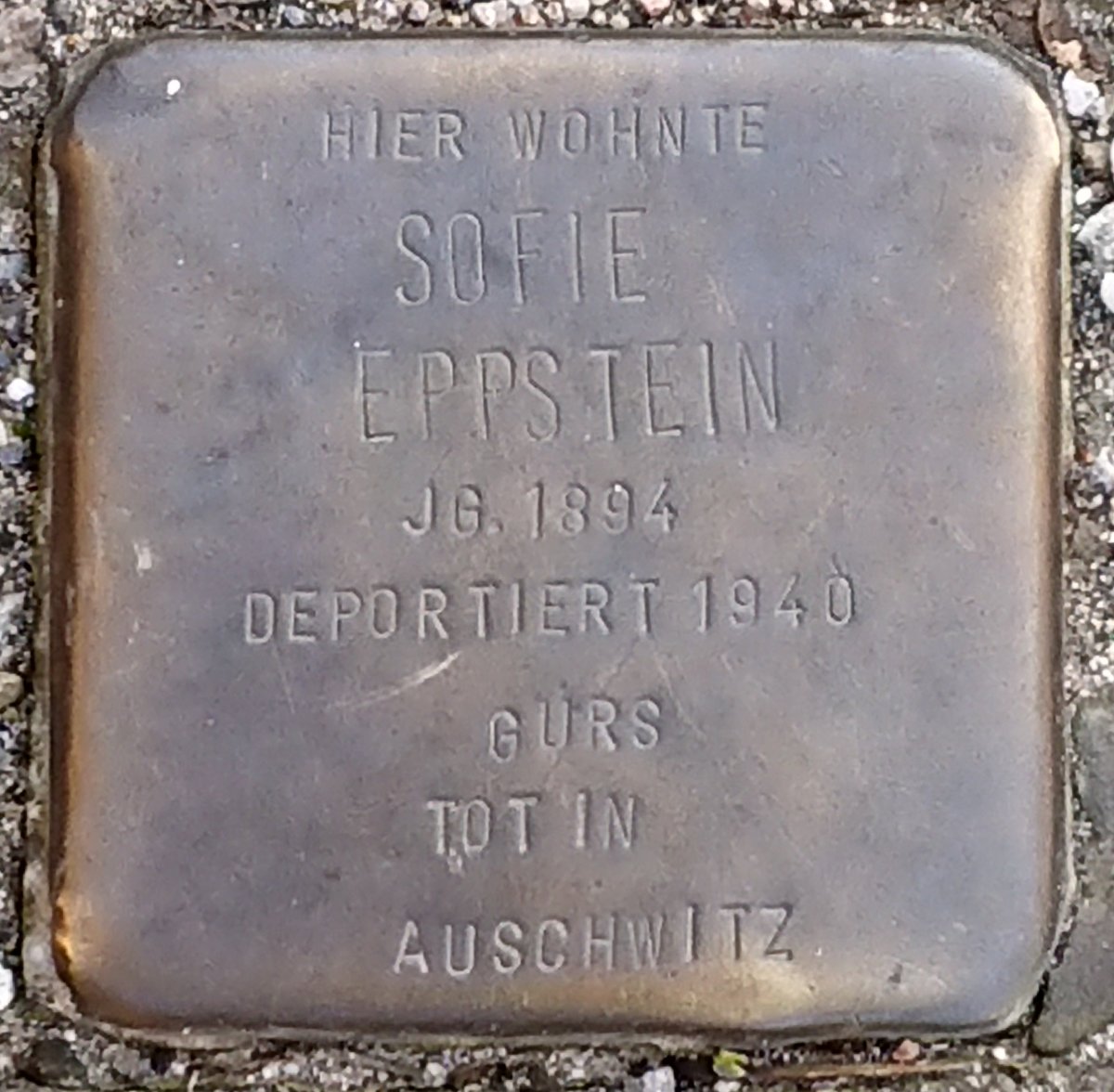
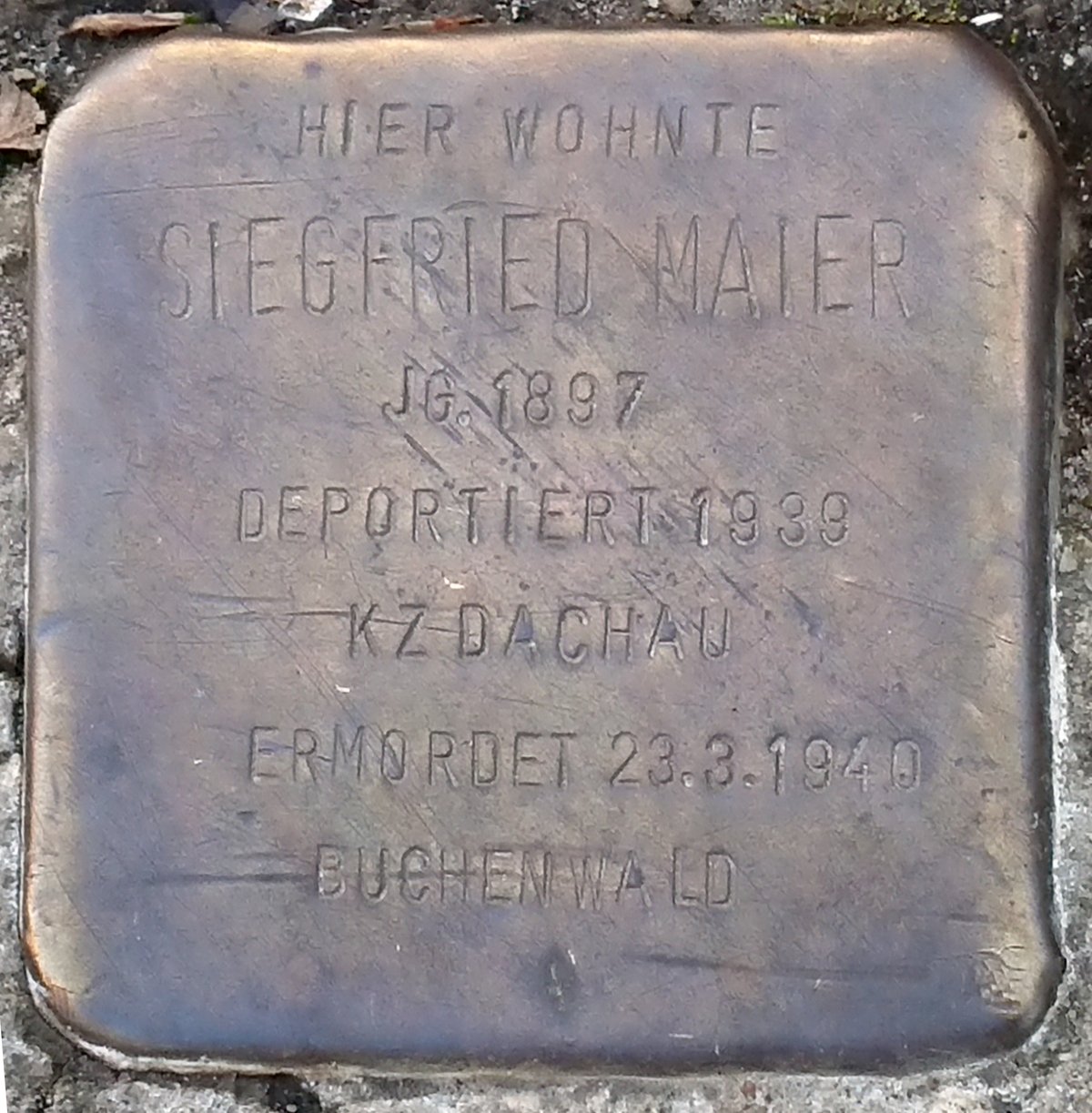
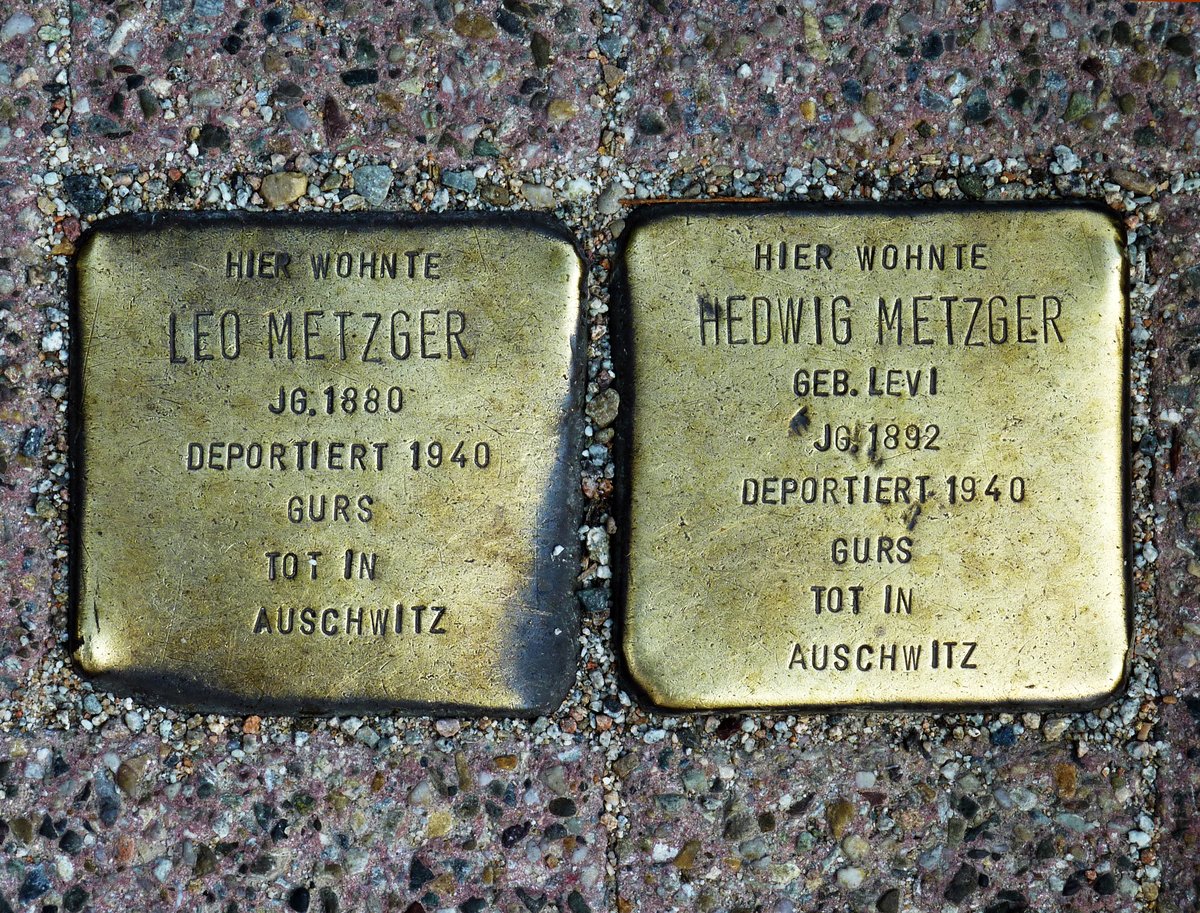
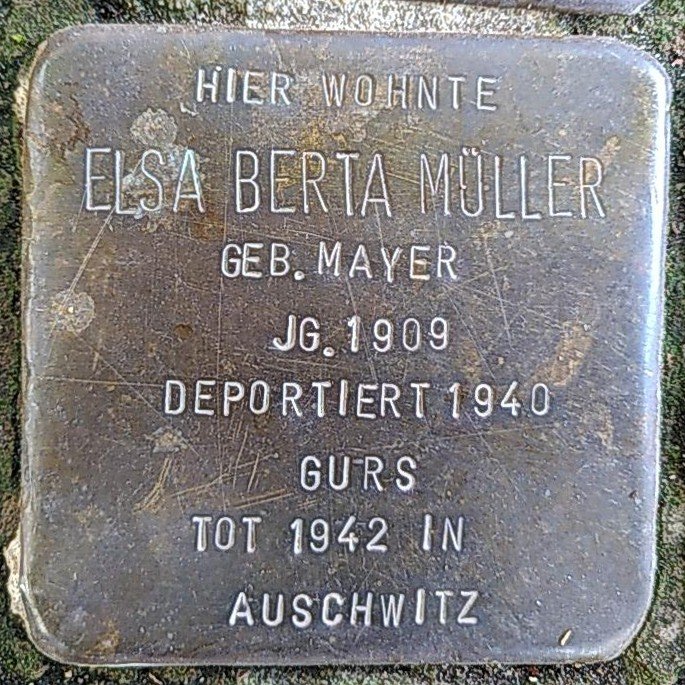
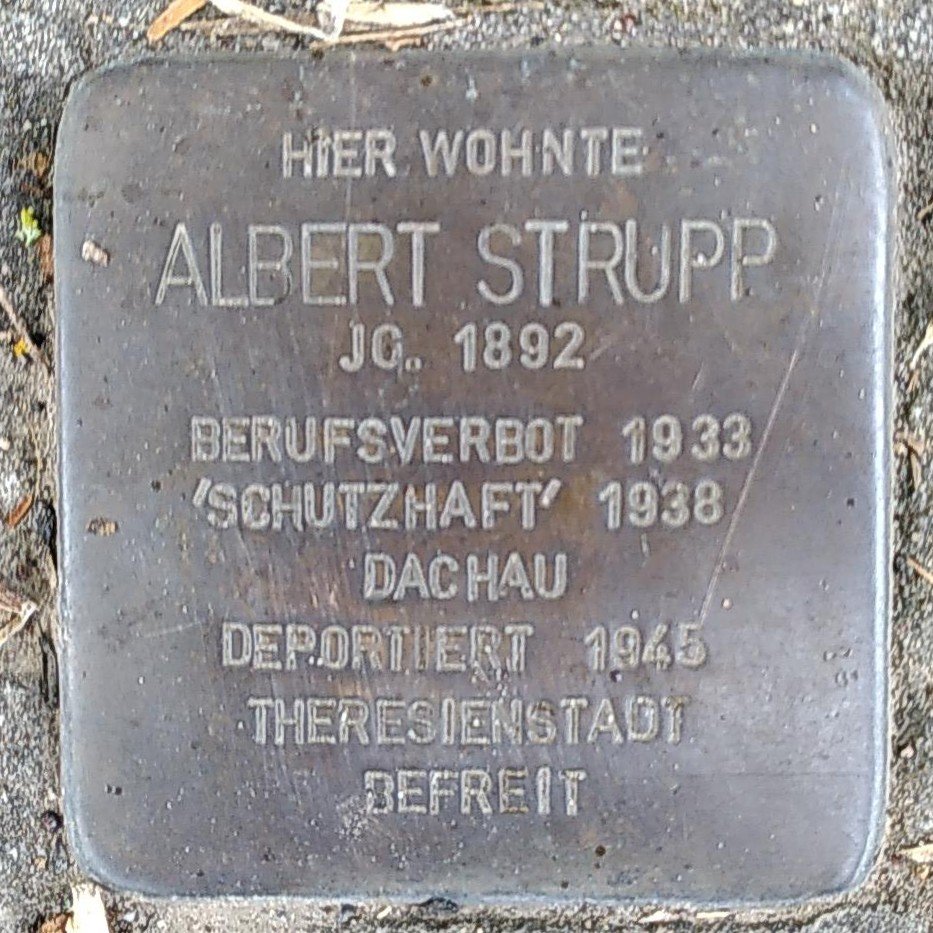
The Stolperstein measures 10 x 10 cm and features a brass plate engraved with:
HIER WOHNTE
ADOLF KELLER
[Year of Birth]
[Persecution Details]
[Date and Fate, if known] -
It is intentionally understated, inviting visitors to pause, bow slightly to read, and reflect amid daily city life.
How to Engage Respectfully:
- Pause and Read Take a moment to read and consider the inscription.
- Leave a Stone or Flower Placing a small stone or flower is a respectful tribute, especially in Jewish tradition.
- Photography Discreet photos are welcome, especially to share the story online (be sure to mention the Stolperstein’s purpose).
- Cleaning If the stone looks tarnished, gently cleaning it with a soft cloth is encouraged; community cleaning events are held on remembrance days.
- Behavior Maintain a quiet, respectful demeanor; these are sites of remembrance and mourning.
Understanding the Stolperstein Project
Background:
- Initiated by artist Gunter Demnig in 1992, Stolpersteine (“stumbling stones”) commemorate individual victims of Nazi persecution—Jews, Roma, LGBTQ+ people, people with disabilities, political dissidents, and others—by restoring their names and stories to public consciousness.
- As of 2025, more than 75,000 Stolpersteine have been installed across 26 countries (Stolpersteine Freiburg).
- Each stone is sponsored, installed, and maintained by local citizens or organizations, underscoring the project’s community-driven nature (Folklife Magazine).
Symbolism:
- The act of “stumbling upon” a Stolperstein in daily life is designed to evoke reflection and prevent the erasure of memory.
- Reading the names is a form of resistance against forgetting, echoing the Talmudic saying: “A person is only forgotten when their name is no longer remembered” (Stolpersteine FAQ).
Adolf Keller: Life and Legacy
Who Was Adolf Keller?
- Born in 1897 in Freiburg, Adolf Keller was a Catholic shoemaker.
- He faced persecution under the Nazi regime but survived the war and returned to his trade, passing away in 1976 (Stolpersteine Freiburg).
- Keller’s Stolperstein serves as a reminder of both the suffering endured and the possibility of post-war resilience.
Why Is He Commemorated?
- His story represents the many ordinary citizens whose lives were disrupted or destroyed by Nazi policies.
- By reading his name and pausing at his memorial, visitors restore the dignity and individuality denied by the regime.
Nearby Freiburg Historical Sites
Enhance your visit by exploring other key sites in Freiburg’s historic center:
- Freiburg Münster (Cathedral) A Gothic masterpiece at the heart of the Old Town.
- Augustiner Museum Home to regional art and artifacts, offering broader historical context.
- Historisches Kaufhaus A Renaissance-era merchants’ hall near the Münsterplatz.
- Other Stolpersteine Use the Stolpersteine Guide app to discover additional memorials within walking distance.
Frequently Asked Questions (FAQ)
Q: Do I need tickets or pay admission to visit?
A: No, Stolpersteine are public memorials, freely accessible at all times.
Q: Are Stolpersteine wheelchair accessible?
A: Yes, as they are embedded in the sidewalk. However, some cobbled streets may present minor challenges.
Q: When is the best time to visit the Adolf Keller Stolperstein?
A: Early mornings or late afternoons are recommended for a quiet, reflective experience.
Q: Can I participate in cleaning or memorial events?
A: Yes, check the Stolpersteine Freiburg initiative for schedules.
Q: How can I report a damaged or missing Stolperstein?
A: Use the Stolpersteine Freiburg contact page to report issues.
Discover More
The Stolperstein for Adolf Keller stands as a powerful reminder of the individual lives at the heart of history’s greatest tragedies. Its presence in Freiburg’s Altstadt makes it accessible to everyone and encourages both spontaneous and intentional acts of remembrance. By pausing at this small brass stone, you participate in a global act of resistance against forgetting—and help ensure that the names and stories of victims like Adolf Keller endure.
Enhance your visit with guided tours or digital tools, explore nearby historical sites, and consider sharing your experience to foster wider awareness. For the most current information, refer to the official Stolpersteine resources and the Stolpersteine Guide app. Your engagement helps keep memory alive and supports a culture of remembrance and tolerance.



.jpg)