
Historical Urban Fabric and UNESCO Recognition
The Port of the Moon’s historic center earned UNESCO World Heritage status in 2007 as an “outstanding urban and architectural ensemble” of the Enlightenment era (UNESCO). This area exemplifies the ideals of 18th-century urban planning: harmonious classical and neoclassical facades, grand public spaces, and an integrated riverfront that reflects Bordeaux’s prosperity and international connections during the Age of Enlightenment (Pure France).
Key Architectural Highlights
Place de la Bourse & Miroir d’Eau
Designed by Ange-Jacques Gabriel and completed in 1755, Place de la Bourse is Bordeaux’s architectural showpiece. The square’s symmetrical classical facades are mirrored in the Miroir d’eau, a 3,450-square-meter reflecting pool that alternates between mirror and mist effects, creating a spectacular visual experience—especially at dusk (Pure France; TravelTriangle).
The Quays and Riverfront
The Garonne’s quays stretch for kilometers, lined with stately 18th-century warehouses and merchant houses that evoke Bordeaux’s mercantile and wine-trading past. Recent revitalization has transformed these riverbanks into lively promenades with landscaped walkways, restored facades, and modern lighting, ideal for strolls, cycling, and cultural events (TravelTriangle; France Today).
Other Notable Landmarks
- Pont de Pierre The first bridge over the Garonne, commissioned by Napoleon Bonaparte and completed in 1822, connects the two banks of the city.
- Grand Théâtre de Bordeaux A neoclassical masterpiece by Victor Louis, opened in 1780, hosting opera, ballet, and classical concerts (France Today).
- Saint-Pierre District The medieval core of Bordeaux, characterized by narrow lanes, historic churches, and vibrant squares.
- Saint-André Cathedral & Tour Pey-Berland A monumental Gothic cathedral with a separate bell tower offering panoramic city views.
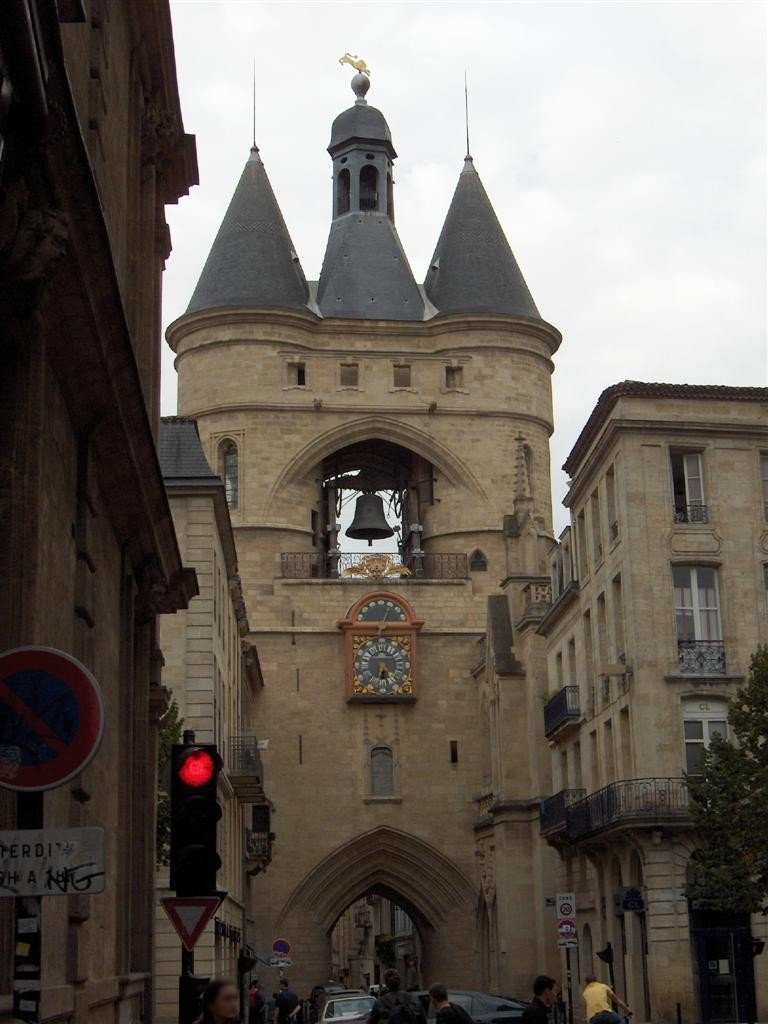
- Grosse Cloche A medieval gatehouse and one of the city’s oldest belfries, famous for its twin towers and massive bell.
- La Cité du Vin A contemporary wine museum with immersive exhibits and tastings (France Today).
- CAPC Musée d’Art Contemporain Bordeaux’s hub for modern and experimental art, located in a former warehouse (TravelTriangle).
- Les Chartrons District Once the wine merchant quarter, now a lively area of galleries, antique shops, and the Musée du Vin et du Négoce (World Heritage Sites).
- Bassins des Lumières The world’s largest digital art center, housed in a former submarine base (France Today).
- Palais Rohan Bordeaux’s neoclassical city hall, with an impressive facade and historic interiors.
Visiting Hours, Tickets & Accessibility
- General Hours Most outdoor areas, including the historic quays and Place de la Bourse, are open year-round, 24/7. Museums and monuments typically open from 10:00 to 18:00, Tuesday to Sunday, with some closed on Mondays or during lunch hours.
- Tickets Public squares and promenades are free. Museums and monuments like La Cité du Vin, Port Cailhau, and Bassins des Lumières require tickets. The Bordeaux CityPass covers multiple sites and public transport (Bordeaux Tourism).
- Where to Buy Tickets are available online, at museum entrances, or through the Tourist Office. Booking in advance is recommended for popular attractions.
- Accessibility The Port of the Moon is generally accessible, with paved promenades and adapted public transport. Many landmarks are equipped for visitors with reduced mobility, and the city holds the ‘Tourisme et Handicap’ label for inclusive tourism (Bordeaux Tourism).
Guided Tours and Visitor Tips
- Walking and Cycling Tours Guided tours, available in multiple languages, provide in-depth context on Bordeaux’s history, architecture, and wine culture (Free Walking Tours Bordeaux).
- River Cruises Scenic cruises along the Garonne offer unique perspectives on the city’s historic facades and bridges (Everybody Hates a Tourist).
- Accessibility Services Large-print/braille guides, wheelchair-accessible circuits, and special bike rentals (monopousseurs) are available.
- Photography Early morning and evening provide the best light, especially for photos at the Miroir d’eau.
Urban Renewal and Contemporary Culture
Ongoing urban renewal projects have revitalized the Port of the Moon, restoring facades, introducing architectural lighting, and expanding public transport. The area features contemporary art installations, open-air concerts, and seasonal festivals, blending historical charm with modern cultural energy (Pure France).
Public Art and Modern Design
The “Miroir d’eau,” inaugurated in 2006 and designed by Michel Corajoud, exemplifies the city’s commitment to integrating modern design with historical heritage. Seasonal art installations and a thriving street art scene—especially in districts like Chartrons and Bacalan—add contemporary flair (Bordeaux Tourism).
Preservation and Sustainable Development
Bordeaux balances heritage preservation with sustainable urban development, employing traditional restoration techniques, expanding green spaces, and promoting public transport to ensure the Port of the Moon retains its historic character while meeting modern needs (UNESCO).
Essential Attractions and Experiences
- Place de la Bourse & Miroir d’Eau Ideal for iconic photos and evening strolls.
- Saint-Pierre District Explore medieval streets and sample local cuisine at riverside terraces.
- La Cité du Vin Discover Bordeaux’s wine legacy with immersive exhibits and tastings.
- Grand Théâtre de Bordeaux Attend an opera or ballet in a stunning neoclassical setting.
- Bassins des Lumières Experience large-scale digital art projections in an atmospheric venue.
- Wine Tours Join excursions to the Médoc, Saint-Émilion, or Sauternes regions.
Practical Visitor Information
- Bordeaux CityPass Offers entry to museums, discounts on tours, and unlimited public transport from €29 (24 hours) (Bordeaux Tourism).
- Dining Enjoy specialties like canelés, entrecôte à la bordelaise, and fresh oysters. The Marché des Capucins is great for local produce.
- Transport The tram network connects all major sites. Bike and electric scooter rentals are widely available.
- Language French is primary; English is common in tourist areas.
- Water Tap water is safe—bring a reusable bottle.
Seasonal Events and Local Life
- Bordeaux Wine Festival Biennial event in June with tastings, concerts, and fireworks.
- River Festival May/June, featuring music and river activities.
- Best Time to Visit Spring (April–June) and early autumn (September–October) for mild weather and fewer crowds.
Safety, Etiquette, and Services
- Safety Bordeaux is generally safe; remain vigilant with personal belongings.
- Etiquette Greet shopkeepers with “Bonjour.” Tipping is appreciated but not obligatory.
- Visitor Services The Tourist Office (12 Cours du 30 Juillet) provides maps, tickets, and booking assistance. Emergency number: 112.
Frequently Asked Questions (FAQ)
Q: What are the Port of the Moon’s visiting hours?
A: Most outdoor areas are open 24/7 year-round. Museums and monuments typically open from 10:00 to 18:00; check individual sites for variations.
Q: Are tickets needed for the Port of the Moon?
A: Outdoor sites are free. Museums and monuments like La Cité du Vin and Port Cailhau require tickets, available online or onsite.
Q: Is the area accessible for visitors with disabilities?
A: Yes, many sites and public spaces offer accessibility features, and the city provides tailored itineraries.
Q: Are guided tours available?
A: Yes, a variety of walking, cycling, and river tours are offered in several languages.
Q: When is the best time to visit?
A: Spring and early autumn offer pleasant weather and vibrant cultural events.