
Early Development and Urbanization
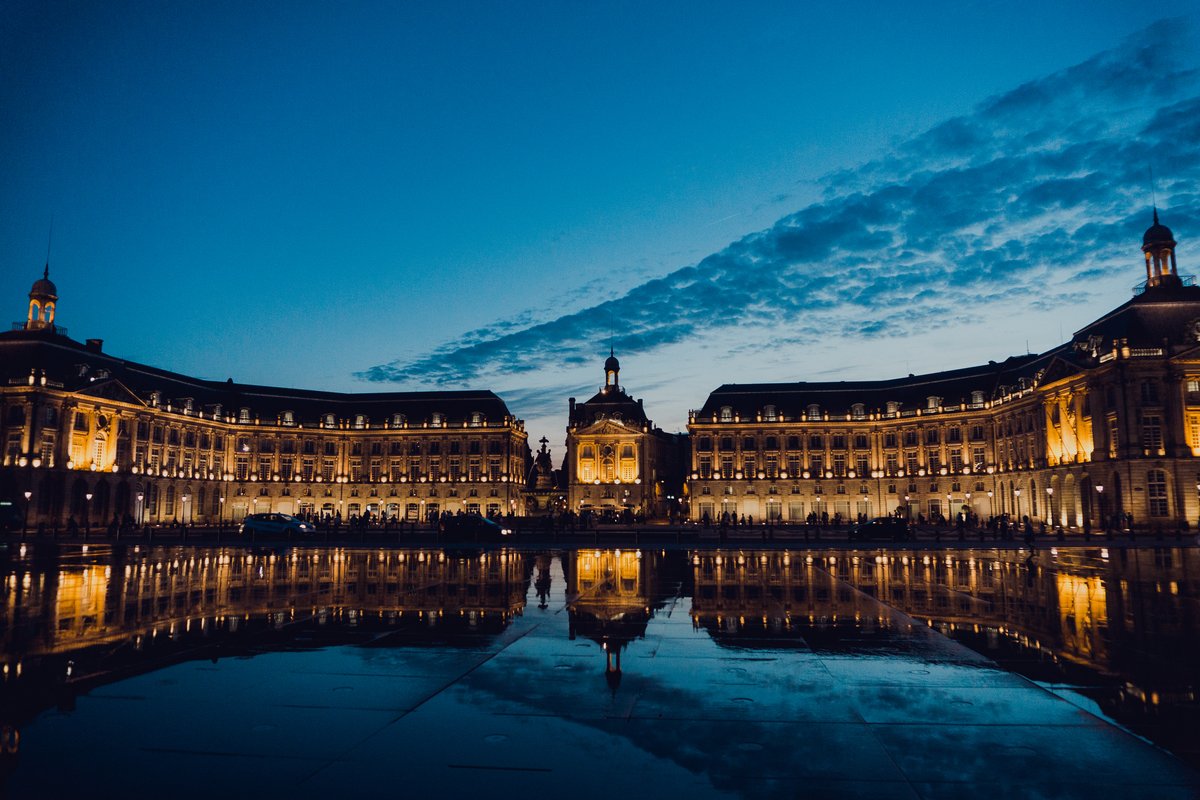
The Maxime Lalanne District's origins can be traced back to the early urban expansion of Bordeaux. During the 18th century, Bordeaux experienced significant growth due to its strategic position as a major port city. This period, known as the "Golden Age" of Bordeaux, saw the construction of grand neoclassical buildings and the development of new urban areas, including what would later become the Maxime Lalanne District.
Architectural Heritage
The district is characterized by its eclectic mix of architectural styles, reflecting various phases of its development. The 19th century brought about a wave of modernization, with the construction of Haussmann-style buildings that are still prominent today. These buildings, with their uniform facades, wrought-iron balconies, and grand entrances, contribute to the district's elegant and cohesive aesthetic.
Notable Landmark - Église Saint-Augustin
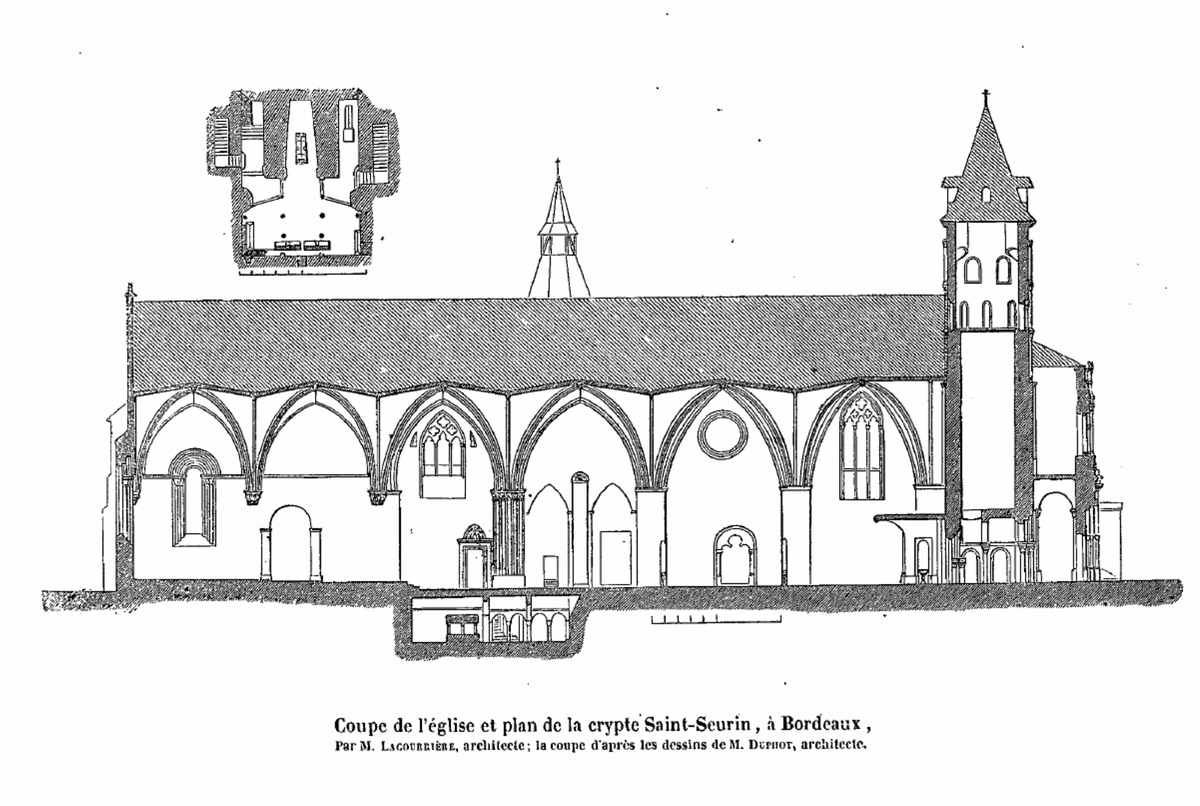
One notable architectural landmark in the district is the Église Saint-Augustin, a stunning example of neo-Gothic architecture. Built in the late 19th century, the church features intricate stained glass windows and a towering spire that dominates the skyline. The preservation of such historical structures is a testament to the district's commitment to maintaining its architectural heritage.
Cultural Significance
The Maxime Lalanne District holds a special place in Bordeaux's cultural landscape. Maxime Lalanne, after whom the district is named, was a prominent figure in the art world, known for his detailed etchings and contributions to the development of the etching revival in France. His legacy is celebrated in the district through various cultural initiatives and events.
Art Galleries and Cultural Centers
The district is home to several art galleries and cultural centers that showcase both contemporary and historical works. The Galerie des Beaux-Arts, for instance, hosts rotating exhibitions that highlight the rich artistic heritage of Bordeaux and its surrounding regions.
Economic Transformation
Originally a residential area, the Maxime Lalanne District has seen a surge in commercial activity, particularly in the retail and hospitality sectors. The presence of boutique shops, cafes, and restaurants has transformed the district into a vibrant hub for both locals and tourists.
Strategic Location
Situated near major transportation hubs, including the Bordeaux Saint-Jean train station, the district is easily accessible and attracts a steady stream of visitors. This accessibility has spurred the growth of local businesses and contributed to the district's economic vitality.
Urban Renewal and Modernization
In recent years, the Maxime Lalanne District has undergone significant urban renewal efforts aimed at enhancing its infrastructure and public spaces. These initiatives are part of a broader strategy to promote sustainable development and improve the quality of life for residents.
Place de la Victoire Renovation
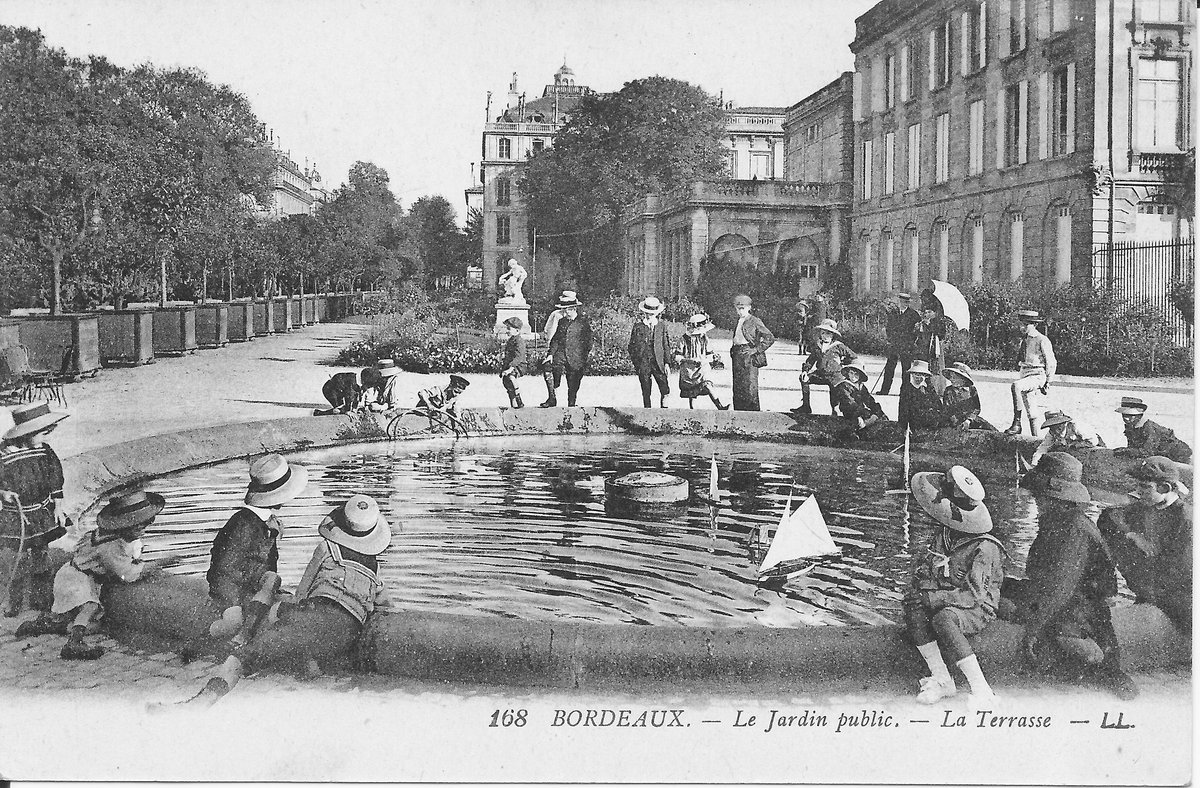
One notable project is the renovation of the Place de la Victoire, a central square in the district. The square has been transformed into a pedestrian-friendly area with green spaces, public art installations, and seating areas.
Historical Landmarks and Attractions
The Maxime Lalanne District is home to several historical landmarks that offer a glimpse into Bordeaux's past. The Musée d'Aquitaine, located nearby, houses an extensive collection of artifacts that chronicle the history of Bordeaux and the Aquitaine region.
Porte de Bourgogne
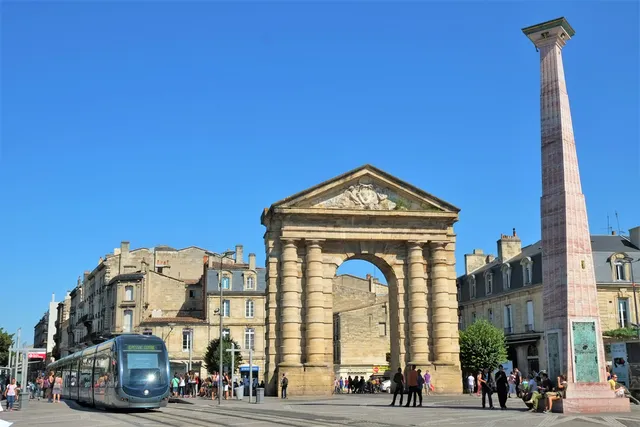
Another significant landmark is the Porte de Bourgogne, an imposing archway that once served as a gateway to the city. Built in the 18th century, the archway is a fine example of neoclassical architecture.
Community and Lifestyle
The Maxime Lalanne District is known for its vibrant community life and diverse population. The district's residents take pride in their neighborhood's rich history and actively participate in community events and initiatives.
Local Markets
Local markets, such as the Marché des Capucins, offer a lively atmosphere where residents and visitors can purchase fresh produce, artisanal goods, and local delicacies.
Educational and Research Institutions
The Maxime Lalanne District is home to several prestigious educational and research institutions that contribute to its intellectual and cultural vibrancy. The University of Bordeaux, one of France's leading universities, has a significant presence in the district.
Practical Information for Visitors
Visiting Hours and Tickets
- Église Saint-Augustin - Open daily from 9 AM to 6 PM. Entrance is free.
- Musée d'Aquitaine - Open Tuesday to Sunday from 11 AM to 6 PM. Tickets are €5 for adults and free for children under 18.
- Place de la Victoire - Open 24/7 with no entrance fee.
Travel Tips
- Best Time to Visit - Spring and autumn offer mild weather and fewer tourists.
- Accessibility - The district is well-connected by public transportation, including trams and buses.
- Guided Tours - Available through local tour operators. Prices vary.
Preservation and Future Prospects
The preservation of the Maxime Lalanne District's historical and cultural heritage is a priority for local authorities and residents. Efforts to protect and restore historical buildings, promote cultural initiatives, and enhance public spaces are ongoing. Looking ahead, the district is poised for continued growth and development.
FAQs
Q: What are the visiting hours for the Maxime Lalanne District? A: The district itself is open 24/7, but specific attractions like Église Saint-Augustin and Musée d'Aquitaine have their own visiting hours.
Q: Are there any ticket prices for attractions in the Maxime Lalanne District? A: Yes, some attractions like the Musée d'Aquitaine charge an entrance fee, while others like Église Saint-Augustin are free.
Q: Is the Maxime Lalanne District accessible by public transportation? A: Yes, the district is well-connected by trams and buses.