What Carle Vernet is
Carle Vernet is a tram stop in Bordeaux’s Belcier district and a southern terminus for Lines C and D. It is a key interchange for travel around the city and to nearby suburbs, and connects with Bordeaux-Saint-Jean railway station for regional, national and international rail services. Local bus routes, pedestrian pathways and bicycle routes are also nearby (mapcarta.com).
The stop provides access to the city center and to attractions including Place de la Bourse. Bordeaux’s four tram lines—A, B, C and D—are operated by Keolis Bordeaux as of 2025 (wikipedia.org).
History
Public transportation in Bordeaux began in 1830 with horse-drawn omnibuses. A horse-drawn tramway network followed by 1880, and electric trams were introduced in 1890. By 1900, electrification had fully replaced horse-drawn tram services.
Bordeaux unified its tramway companies by 1920. By 1946, the network had grown to 38 lines covering 200 kilometers and carrying 160,000 passengers daily. Early experiments with ground-level power foreshadowed later developments.
Tram use declined in the mid-20th century as car ownership grew and buses competed with trams. The original network was dismantled by 1958, after which congestion and pollution increased. A revival began in the late 1990s in response to traffic and environmental concerns. Under Mayor Alain Juppé, a new tramway plan was launched in 1997; construction began in 2000, and the modern tramway opened in 2003. The network has continued to expand.
The modern system uses Alstom APS ground-level power supply, which removes the need for overhead wires in the historic city center and helps preserve Bordeaux’s UNESCO-listed urban landscape (bordeauxexpats.com).
Carle Vernet’s area lost its original tram service in 1958. Tram service returned to the southern districts as the modern network expanded in the early 2000s. Carle Vernet opened as a key interchange in 2019–2020, coinciding with the launch of Line D (wikiwand.com, wiki2.org).
What to see
Carle Vernet Monument
Adjacent to the tram stop, the Carle Vernet Monument celebrates the famed 18th-century painter, known for his equestrian art and connection to Bordeaux. Erected in the early 20th century, it represents the city’s appreciation of artistic legacy and public art.
The monument is outdoors, open year-round and accessible at all times. Admission is free.
Place de la Bourse
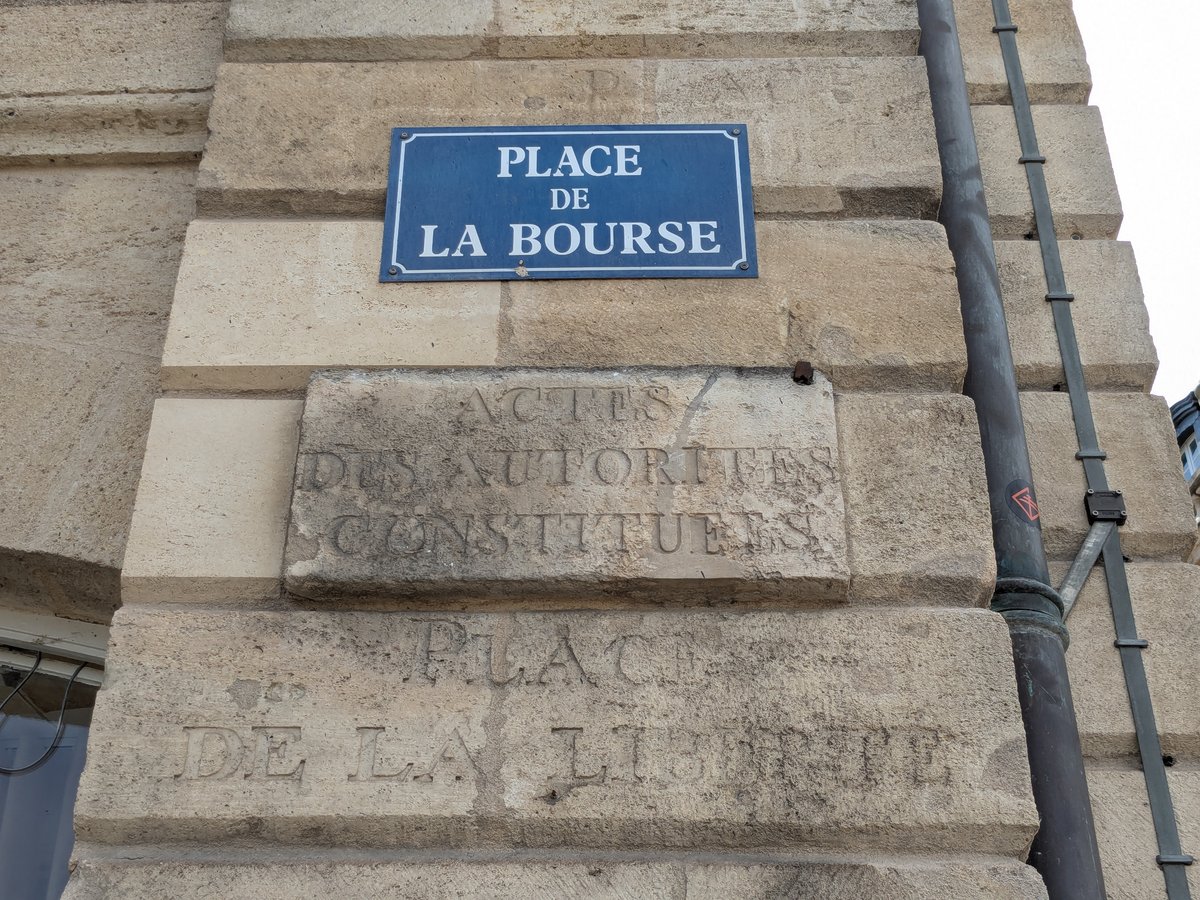
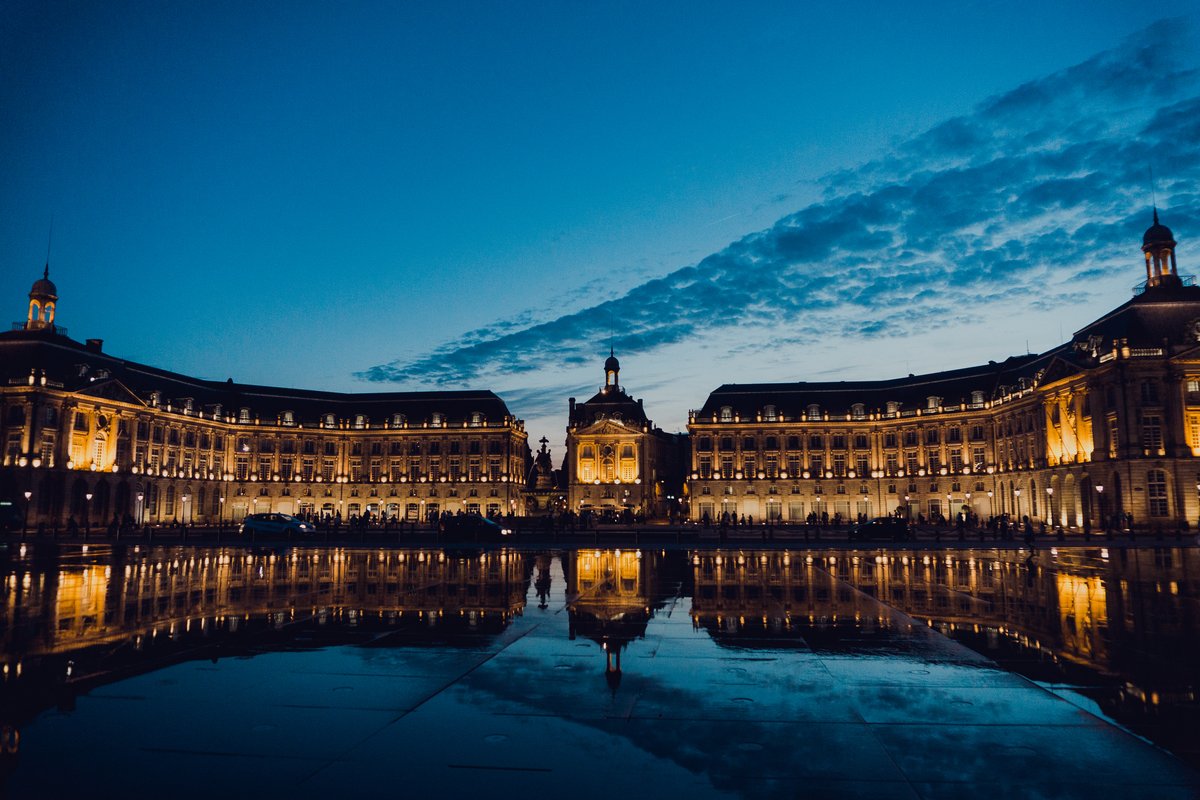
Place de la Bourse was constructed from 1730 to 1775 by Ange-Jacques Gabriel. Formerly called Place Royal, it is an example of Bordeaux’s Enlightenment-era prosperity and classical architecture. The Water Mirror (Miroir d’Eau), a modern reflective pool, adds to the setting. The square is within Bordeaux’s UNESCO World Heritage center.
Other nearby sights
- Garonne Riverfront Walkways and views.
- Chartrons District A historic area with lively markets and cafés.
- Bordeaux City Museum Regional history and art.
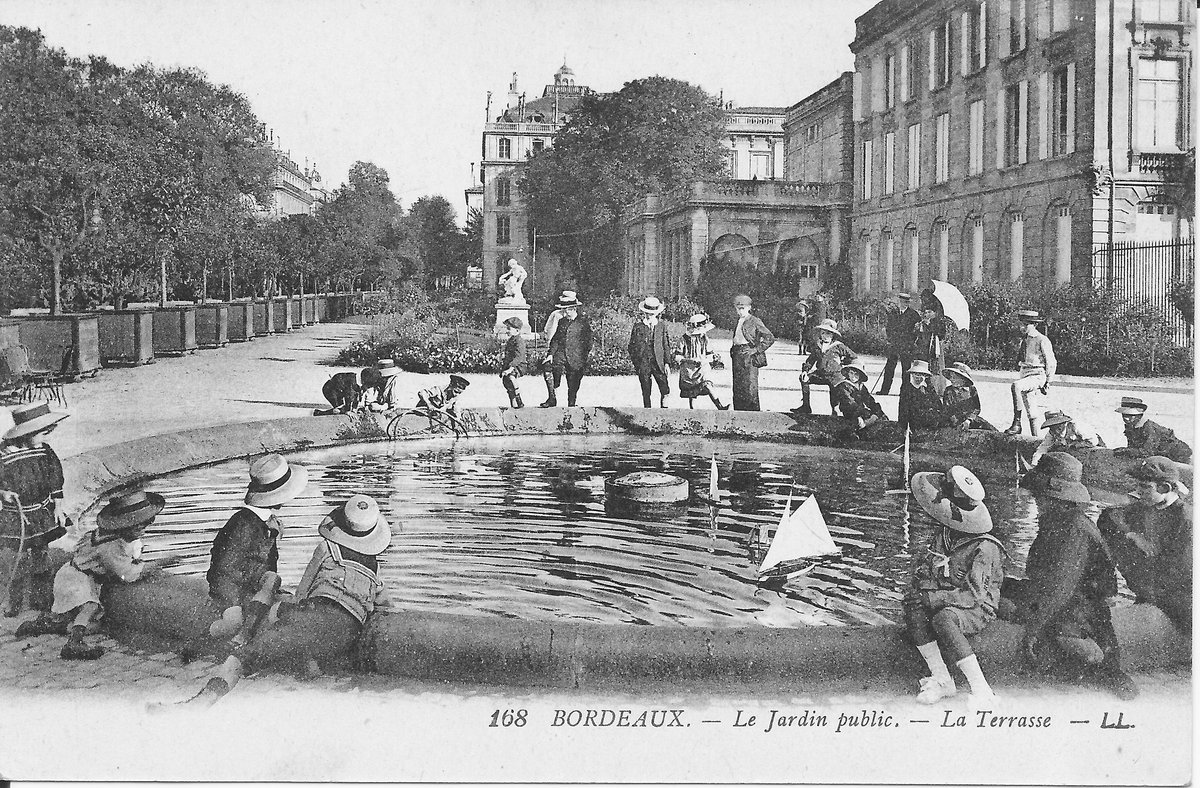
- Public Gardens A place to relax.
- Local markets and cafés Places to experience Bordeaux’s culinary scene.
- Bordeaux Cathedral
- Quinconces Square
- La Cité du Vin A wine museum.
Practical visiting information
Service hours and frequencies
Trams run daily from early morning to late night; service is also described as running until around midnight. General service frequency is every 5 minutes at peak times and every 10–15 minutes during evenings and weekends. At Carle Vernet, service is listed as every 5–10 minutes at peak times and every 15–20 minutes off-peak. Line C is listed at 5–10-minute peak frequency, and Line D at 7–8-minute peak frequency.
Lines C and D run north from Carle Vernet. Line C connects to Gare Saint-Jean, Place de la Bourse, Quinconces and Parc des Expositions. Line D serves Le Bouscat, Bruges and Eysines, and runs north through suburban Bordeaux to Eysines Cantinolle (33-bordeaux.com).
| Line | Direction | Key destinations | Peak frequency | First departure | Last departure |
|---|---|---|---|---|---|
| C | North | Gare Saint-Jean, Quinconces, Expositions | 5–10 min | ~5:00 AM | ~12:00 AM |
| D | North | Hippodrome, Quinconces, Eysines Cantinolle | 7–8 min | 5:10 AM (Mon–Sat), 5:25 AM (Sun) | 0:02 AM (Mon–Wed, Sun), 1:00 AM (Thu–Sat) |
Schedules and network information are available from the TBM website, the Transit app, and the Interactive Tram Map. Line D schedule and route information is also available from TBM Network Maps and Bouger en Ville.
Tickets and payment
Ticket types include single-trip tickets, day passes, multi-day passes, and the Bordeaux City Pass, which includes transit and museum access. A single trip costs about €1.70; check current fares on the TBM website.
Tickets can be purchased at tram-stop machines, from retailers and authorized vendors, through the TBM app, and using contactless payment onboard (visitfranceguide.com). Tickets must be validated before boarding.
Accessibility and facilities
Carle Vernet and all tram stops offer step-free access, tactile paving and ramps. Real-time displays and audio announcements are available, and facilities support travelers with reduced mobility (bordeauxexpats.com). Bicycle racks are available at Carle Vernet.
Place de la Bourse has step-free access for wheelchairs and strollers, with well-maintained pavements.
Monument and Place de la Bourse visiting details
- Carle Vernet Monument Open at all times year-round; free admission.
- Place de la Bourse square Open 24/7.
- Water Mirror Operates year-round and is illuminated at night.
- Nearby museums Typically open 10:00 am–6:00 pm; entry is €5–€12.
Place de la Bourse can be reached by Tram Lines B and C, with a 5-minute walk from Quinconces; by bus, with multiple lines serving Quinconces; by bike, with V³ bike stations nearby; or on foot from the city center.
Tips
- Use the TBM or Transit app for real-time updates and routing.
- Validate your ticket before boarding.
- Purchase tickets in advance to avoid queues.
- Avoid peak hours for a calmer ride, and consider traveling outside rush hours.
- Consider the Bordeaux City Pass for unlimited transit and attraction discounts.
- Combine tram travel with bike rentals for flexible exploring.
- Heritage tours and special tram events promoted by TBM and Bordeaux’s tourism office may include tramway history walks and urban development tours.
- Guided tours of the Carle Vernet Monument may be offered seasonally; check with the tourism office.
- Several companies offer guided tours that include Place de la Bourse.
- For photographs at Place de la Bourse, sunrise and sunset offer different lighting; nighttime illuminations create reflections. Spring and autumn offer fewer crowds. Photography is allowed.
FAQ
Where can I buy tram tickets?
At tram-stop machines, retailers and authorized vendors, through the TBM app, or with contactless payment onboard.
What are the tram’s operating hours?
Service runs from early morning to late night, around midnight.
How much does a ticket cost?
A single trip costs about €1.70. Day and multi-day passes are also available; check current fares on the TBM website.
Is the tram system safe?
Yes. Staff, security and clear signage are provided.
Can I reach major sites by tram?
Yes. The network connects key landmarks and neighborhoods.
Are the facilities accessible?
Yes. They include step-free boarding, tactile access and support for mobility aids.
How do I transfer to trains or buses?
Bordeaux-Saint-Jean railway station and local bus stops are nearby.
Is the Carle Vernet Monument accessible?
Yes. Step-free and tactile access is provided.
Is there bicycle parking at Carle Vernet?
Yes. Bicycle racks are available at the stop.
Is there an entrance fee for Place de la Bourse?
No. The square and Water Mirror are free.
Is wheelchair access available at Place de la Bourse?
Yes.
Is photography allowed at Place de la Bourse?
Yes.